
1. Introduction to Pilates: Core Strength and Fat Loss Context

Pilates is a mind-body exercise system developed by Joseph Pilates in the early 20th century. Its primary focus is on controlled, precise movements that engage the deep stabilizing muscles of the torso, collectively known as the "core" or "powerhouse." This includes the transverse abdominis, pelvic floor, diaphragm, and multifidus muscles. The method emphasizes alignment, breath control, concentration, and flow, making it distinct from general aerobic or high-intensity resistance training.
When discussing Pilates in the context of core strength and fat loss, it is crucial to differentiate between the evidence supporting each outcome. The link between Pilates and improved core strength, stability, and postural control is well-established in the scientific literature. Numerous studies, including systematic reviews, have demonstrated its efficacy for:
- Reducing non-specific low back pain.
- Improving dynamic postural stability and balance.
- Enhancing lumbo-pelvic control and muscle endurance.
In contrast, the evidence for Pilates as a primary driver of significant fat loss is more limited and nuanced. While it is a form of physical activity that contributes to total daily energy expenditure, a traditional mat-based Pilates session is generally classified as low-to-moderate intensity. Therefore, its direct caloric burn is typically lower than sustained aerobic exercise or high-intensity interval training (HIIT).
Expert Insight: Clinically, we view Pilates as an excellent tool for neuromuscular re-education and building a foundation of functional strength. For fat loss, it is most effective as part of a comprehensive strategy. The core strength and improved movement patterns gained from Pilates can enhance performance in other, more metabolically demanding activities (e.g., running, weight training), thereby indirectly supporting a fat loss goal. It should not be considered a standalone "fat-burning" workout based on current evidence.
Individuals with certain health conditions should seek medical advice before beginning a Pilates program. This includes those with:
- Acute or unstable spinal injuries.
- Severe osteoporosis.
- Uncontrolled hypertension.
- Recent abdominal or pelvic surgery.
- A history of diastasis recti.
Furthermore, anyone new to exercise or returning after a long hiatus should start under the guidance of a certified instructor, preferably in a one-on-one or small class setting, to ensure proper form and exercise modification.
2. Evidence and Mechanisms: How Pilates Affects Core and Metabolism

The physiological benefits of Pilates are grounded in its focus on controlled, mindful movement and muscular endurance. The evidence for its impact on core strength is robust, while its role in direct fat loss is more nuanced and primarily linked to its contribution to overall energy expenditure and body composition.
Mechanisms for Core Strength Enhancement
Pilates directly targets the deep stabilising muscles of the trunk, collectively known as the "core." This includes the transversus abdominis, multifidus, pelvic floor, and diaphragm. The method's emphasis on precision, breath control, and spinal alignment during exercises like the Hundred or Leg Circles creates a sustained, low-load challenge to these muscles.
- Neuromuscular Control: Pilates training improves the mind-body connection, enhancing the ability to consciously engage and coordinate deep core muscles before initiating limb movement—a principle known as "core pre-activation."
- Muscular Endurance: Unlike powerlifting, Pilates builds endurance through high repetitions with low resistance, which is functionally relevant for postural support and daily activities.
- Evidence Base: Multiple systematic reviews confirm that Pilates is effective for reducing non-specific low back pain and improving core muscular endurance, with benefits comparable to other forms of exercise therapy.
Impact on Metabolism and Fat Loss
Pilates is not typically classified as high-intensity cardiovascular training. Therefore, its direct caloric burn per session is generally lower than activities like running or cycling. Its metabolic and body composition benefits are indirect but significant.
- Indirect Caloric Expenditure: A Pilates session contributes to total daily energy expenditure. Building lean muscle mass through resistance elements (e.g., using a reformer) can slightly elevate resting metabolic rate over time.
- Body Composition: Studies, including a 2018 meta-analysis, show that regular Pilates practice can lead to reductions in waist circumference and body fat percentage, particularly when combined with dietary modifications. The effect is often attributed to improved muscle tone and a potential reduction in stress-related cortisol, which can influence abdominal fat storage.
- Limitations of Evidence: Research on Pilates for significant weight or fat loss as a standalone intervention is mixed. The most pronounced effects are seen when it is part of a comprehensive program including aerobic exercise and nutritional guidance.
Clinical Perspective: From a rehabilitation and preventative medicine standpoint, Pilates is valued more for its neuromuscular and postural benefits than as a primary fat-loss tool. For individuals seeking weight management, it should be viewed as an excellent component of a multifaceted plan—improving strength, mobility, and exercise adherence—rather than a sole solution. Its low-impact nature makes it accessible, but the focus on core engagement means individuals with acute spinal injuries, severe osteoporosis, or who are pregnant should seek modified instruction from a qualified professional.
In summary, Pilates reliably improves core strength and endurance through targeted neuromuscular training. Its contribution to fat loss is supportive, primarily through improving body composition and complementing a broader fitness and nutrition strategy.
3. Risks and Contraindications: Who Should Proceed with Caution
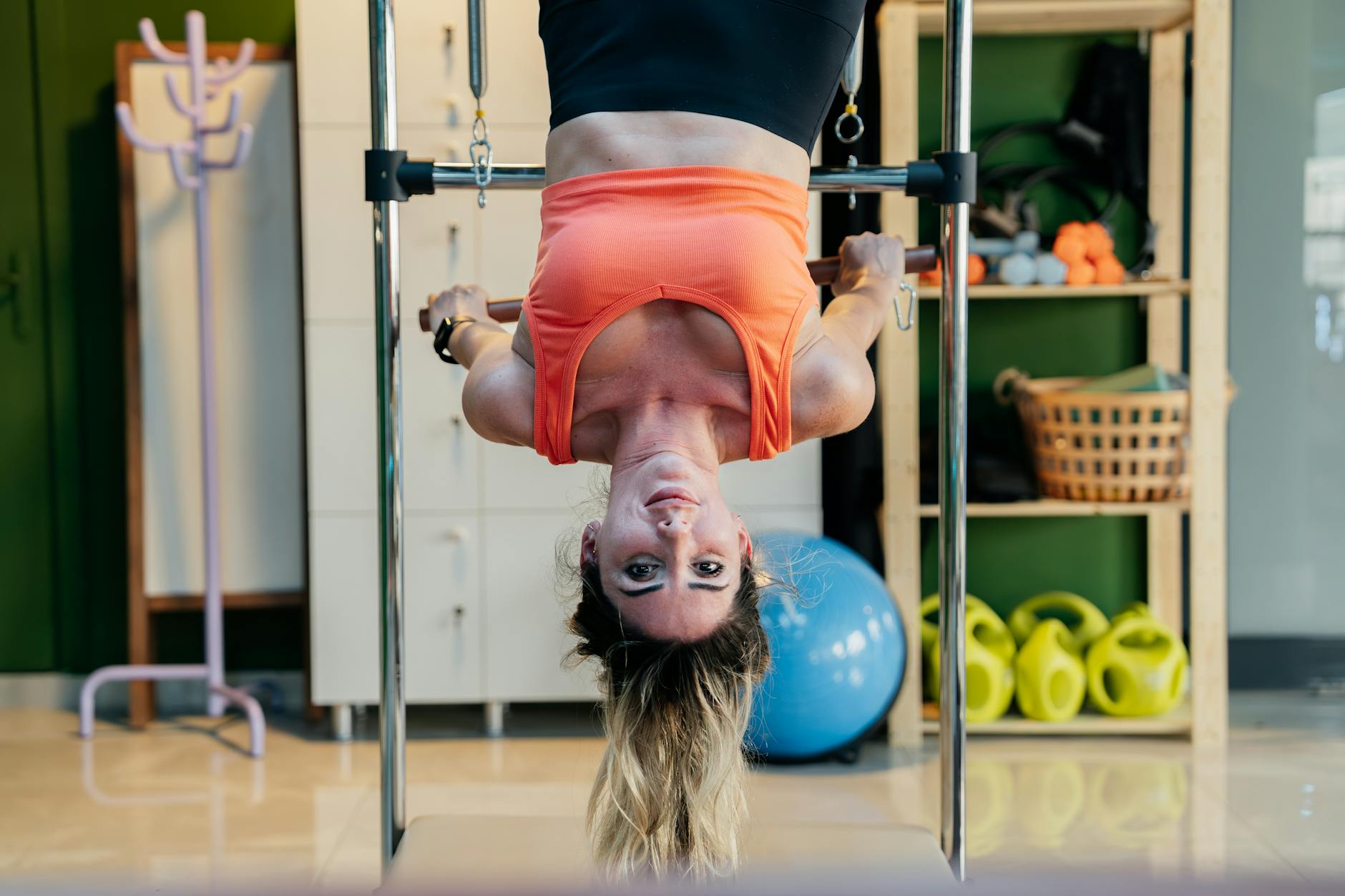
While Pilates is widely regarded as a low-impact and safe form of exercise, it is not without potential risks. Acknowledging contraindications and proceeding with appropriate caution is essential for preventing injury and ensuring a beneficial practice. The principle of individualization is paramount; what is therapeutic for one person may be harmful for another.
Absolute and Relative Contraindications
Certain medical conditions require a complete avoidance of Pilates or specific movements until cleared by a qualified healthcare provider. These include:
- Acute Injury or Inflammation: Recent fractures, muscle tears, ligament sprains, or acute disc herniation. Exercise can exacerbate tissue damage during the initial healing phase.
- Uncontrolled Hypertension or Cardiovascular Disease: Certain positions and isometric holds can significantly raise blood pressure and cardiac strain.
- Osteoporosis with High Fracture Risk: Spinal flexion exercises (like "rolling like a ball" or full sit-ups) can place dangerous compressive forces on vulnerable vertebrae.
- Immediately Post-Surgery: Especially following abdominal, spinal, or orthopedic procedures, where core engagement could disrupt healing.
For other conditions, Pilates may be beneficial but requires significant modification and professional supervision. This includes individuals with:
- Chronic neck or back pain (e.g., disc disease, spinal stenosis)
- Joint hypermobility or connective tissue disorders (e.g., Ehlers-Danlos syndrome)
- Diastasis recti (separation of the abdominal muscles), particularly postpartum
- Severe osteoarthritis in the spine or major joints
Clinical Insight: The risk often lies not in Pilates itself, but in its improper application. A certified instructor with training in rehabilitation should be consulted by anyone with the above conditions. They can provide appropriate regressions, avoid contraindicated movements, and emphasize neutral spine alignment over extreme ranges of motion.
General Safety and Risk Mitigation
Even for healthy individuals, poor technique is the primary risk factor for injury in Pilates. The emphasis on precise, controlled movement is a safety feature. Rushing through repetitions or using momentum, especially on reformer machines, can lead to muscle strains or joint stress.
It is strongly recommended that all new practitioners, particularly those with sedentary lifestyles or previous injuries, begin under the guidance of a certified instructor. A thorough pre-participation screening or discussion with your physician is advised if you have any underlying health concerns. This ensures your Pilates program is tailored to support your health goals safely.
4. Practical Takeaways: Implementing Pilates for Optimal Results

To effectively integrate Pilates into a fitness regimen for core strengthening and body composition changes, a structured, evidence-informed approach is recommended. Consistency and proper technique are more critical than intensity for achieving sustainable results.
Begin with foundational principles. Focus on mastering the "Pilates principles"—centering, control, precision, breath, and flow—before advancing to complex movements. A typical starting frequency is 2-3 sessions per week, each lasting 45-60 minutes. This allows for neuromuscular adaptation and recovery. Evidence strongly supports that consistent, mindful Pilates practice improves core endurance, posture, and functional movement patterns.
For fat loss, Pilates should be viewed as a component of a comprehensive strategy. While Pilates builds metabolically active muscle and can contribute to a caloric deficit, the most robust evidence for fat loss comes from combining it with regular cardiovascular exercise and nutritional management. Consider this sample weekly structure:
- Pilates (2-3x/week): Focus on full-body mat or equipment sessions.
- Moderate-Intensity Cardio (2-3x/week): e.g., brisk walking, cycling for 30+ minutes.
- Strength Training (1-2x/week): Complementary resistance training for major muscle groups.
Clinical Perspective: The fat loss attributed to Pilates in some studies is often linked to the overall increase in weekly energy expenditure and the initiation of a structured exercise routine in previously sedentary individuals. It is not a high-calorie-burn activity like running, but its value in improving body awareness and adherence to a healthy lifestyle is significant.
Progress gradually. Increase the challenge by introducing equipment like the reformer, adding resistance with bands, or holding positions longer. Listen to your body; Pilates should not cause sharp pain. Discomfort from muscle fatigue is normal, but joint pain is a signal to regress the movement.
Who should exercise caution? Individuals with acute back injuries, severe osteoporosis, uncontrolled hypertension, or those who are pregnant should consult a physician or a certified Pilates instructor with relevant clinical training before starting. Those with a history of diastasis recti or joint hypermobility require specific modifications to avoid injury.
Finally, manage expectations. Improvements in core strength and postural alignment are typically noticed within 4-6 weeks with consistent practice. Measurable fat loss occurs over a longer timeline and is highly dependent on dietary habits. Pilates offers a sustainable path to a stronger, more resilient body when implemented as part of a balanced lifestyle.
5. Safety Considerations: When to Consult a Healthcare Provider
While Pilates is widely regarded as a low-impact and adaptable form of exercise, its focus on deep core engagement, spinal articulation, and controlled movement requires a considered approach, particularly for individuals with pre-existing health conditions. A proactive consultation with a healthcare provider is a cornerstone of safe practice and can help tailor the activity to your specific needs.
It is strongly recommended to seek medical advice before beginning a Pilates program if you have any of the following:
- Recent or chronic musculoskeletal injuries: This includes herniated discs, spinal stenosis, significant osteoarthritis, osteoporosis, recent fractures, or surgeries (especially involving the spine, hips, knees, or shoulders). Certain movements may need modification.
- Cardiovascular or respiratory conditions: Uncontrolled hypertension, heart disease, or conditions like COPD. While Pilates can be beneficial, breath control and exertion levels must be monitored.
- Neurological conditions: Such as multiple sclerosis, Parkinson's disease, or significant balance disorders. Supervision by a therapist-trained instructor is often essential.
- Pregnancy and postpartum: Particularly in the first trimester or if there are complications like placenta previa. Diastasis recti (abdominal separation) postpartum requires specific, guided rehabilitation.
Clinical Insight: The principle of "contraindication" in exercise prescription is not always absolute. A skilled physiotherapist or certified Pilates instructor can often design a safe, modified program around many conditions. The key is obtaining a clear diagnosis and understanding your specific limitations from your doctor, which then informs the instructor's approach. Never assume a general class will accommodate significant health issues.
Furthermore, be cautious if you are managing chronic pain. While Pilates is often used therapeutically, initiating exercise during a acute pain flare-up can be counterproductive. The evidence for Pilates in pain management is promising but mixed; outcomes depend heavily on proper technique and individual pathology.
If you are new to exercise or returning after a long hiatus, a check-up can rule out underlying issues. Always inform your instructor of your full medical history. A responsible, qualified instructor will welcome this information and should ask about contraindications before you begin.
Ultimately, viewing a pre-activity consultation not as a barrier but as a foundational step ensures your Pilates practice supports long-term health and effectively contributes to your strength and wellness goals.
6. Questions & Expert Insights
Is Pilates truly effective for fat loss, or is it primarily for toning?
Pilates is best understood as a complementary component of a fat-loss strategy, not a standalone solution. Its primary physiological effect is on body composition—increasing lean muscle mass, particularly in the core and postural muscles—rather than creating a large caloric deficit. A 2022 systematic review in the Journal of Sports Science & Medicine found that Pilates interventions consistently improve muscular endurance, flexibility, and body composition metrics but noted that fat loss outcomes are more variable and often modest compared to higher-intensity cardio. The "acceleration" of fat loss likely comes from the metabolic boost of added muscle and the potential for Pilates to support consistency in training by reducing injury risk. For significant fat loss, Pilates should be paired with evidence-based nutrition and cardiovascular exercise.
What are the main risks or side effects of starting Pilates, and who should be cautious?
While generally low-impact, Pilates is not without risk, particularly for beginners or those with pre-existing conditions. The most common issues are musculoskeletal strains from improper form or overexertion, especially in the neck, lower back, and wrists during plank or roll-up exercises. Specific populations should exercise caution or seek medical clearance: individuals with acute disc herniation, severe osteoporosis (due to flexion/rotation risks), uncontrolled hypertension, or those in the later stages of pregnancy. Furthermore, those with a history of diastasis recti must avoid traditional abdominal curls and should seek a specialist in postnatal Pilates. Starting with a qualified instructor who can provide modifications is critical for safety.
When should I talk to a doctor before beginning a Pilates program, and what should I discuss?
Consulting a physician or physical therapist is strongly advised if you have any chronic or unstable health condition. Key scenarios include: recent surgery (especially spinal, abdominal, or joint), diagnosed cardiovascular or respiratory disease, persistent musculoskeletal pain, neurological conditions, or if you are postpartum. For this conversation, come prepared with specifics. Bring a description of the Pilates classes you're considering (e.g., "mat Pilates with spring-based reformer equipment") and a list of movements you're concerned about (e.g., spinal flexion, inversion). Discuss your specific diagnosis, current pain levels, and any movement restrictions you already have. This enables your doctor to give tailored "green lights" or "red flags" rather than a generic yes or no.
How does Pilates build core strength differently from traditional crunches or planks?
Pilates emphasizes a holistic, integrated approach to core stability known as the "powerhouse," which encompasses the deep abdominal muscles (transversus abdominis), pelvic floor, diaphragm, and multifidus muscles along the spine. Unlike crunches that often isolate the superficial rectus abdominis ("six-pack" muscle), Pilates focuses on maintaining a neutral spine while limbs move, training the core as a stabilizer against movement. Research in journals like Physical Therapy shows this method more effectively co-activates deep stabilizers. Traditional planks share this anti-movement goal, but Pilates adds layers of complexity through controlled, multi-directional limb loading (e.g., leg circles, arm reaches) on unstable surfaces (like a reformer), which challenges the core's dynamic stability in a more comprehensive way.
7. In-site article recommendations
8. External article recommendations
9. External resources
The links below point to reputable medical and evidence-based resources that can be used for further reading. Always interpret them in the context of your own situation and your clinician’s advice.
-
examine examine.comPilates – Examine.com (search)
-
healthline healthline.comPilates – Healthline (search)
-
wikipedia wikipedia.orgPilates – Wikipedia (search)
These external resources are maintained by third-party organisations. Their content does not represent the editorial position of this site and is provided solely to support readers in accessing additional professional information.