
1. Introduction to Hydration and Craving Dynamics

The relationship between fluid intake and the desire for specific foods is a nuanced physiological interplay, not a simple cause-and-effect. While the popular advice to "drink water to curb hunger" is widespread, the underlying mechanisms are complex and supported by varying degrees of evidence. This chapter establishes a foundational, evidence-based understanding of how hydration status can influence appetite signals and craving patterns throughout the day.
At its core, the human body's systems for regulating thirst and hunger are closely linked within the hypothalamus, the brain's central command center. Dehydration, even in mild forms, can subtly dysregulate these signals. Preliminary research suggests that the body may sometimes misinterpret signals of mild thirst as cues for hunger, particularly for salty or sweet foods, potentially leading to unnecessary caloric intake. However, it is crucial to note that this phenomenon is not universally experienced and the evidence, while biologically plausible, is often based on observational studies or small trials.
Strategic hydration operates on several key principles:
- Physiological Satiety: Consuming water, especially before a meal, can contribute to gastric distension. This physical stretch sends signals of fullness to the brain via the vagus nerve, a mechanism supported by more robust clinical evidence.
- Metabolic Facilitation: Adequate water is essential for every metabolic process, including the mobilization and metabolism of stored energy. While not a direct craving suppressant, optimal hydration supports efficient cellular function.
- Cognitive and Sensory Clarity: Mild dehydration can impair cognitive function and mood, which may reduce an individual's capacity for mindful eating and increase susceptibility to impulsive, craving-driven choices.
Clinical Perspective: It is important to manage expectations. Hydration is a supportive tool within a broader nutritional and lifestyle context, not a standalone solution for weight management or disordered eating. Individuals with specific health conditions, such as congestive heart failure, kidney disease, or those taking diuretic medications, must consult their physician before significantly altering fluid intake, as their fluid requirements and restrictions are medically guided.
The goal of strategic hydration is not merely to drink more water, but to understand and leverage its role in maintaining physiological homeostasis. By doing so, one can create a more stable internal environment, potentially reducing the frequency and intensity of misinterpreted bodily signals that manifest as cravings. The following chapters will explore the practical application of these principles at key points in the daily cycle.
2. Mechanisms and Evidence Behind Hydration's Impact
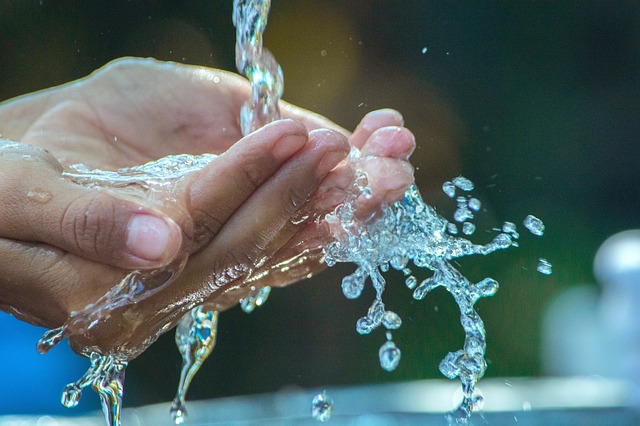
The relationship between hydration and appetite regulation is supported by several physiological mechanisms. The most direct involves the brain's hypothalamus, which regulates both thirst and hunger. When the body is mildly dehydrated, signals for thirst and hunger can become cross-activated, potentially leading an individual to misinterpret thirst as a craving for food. Consuming water can provide a sense of gastric fullness, creating a short-term mechanical signal of satiety that may delay the urge to eat.
Evidence for these mechanisms varies in strength. Observational studies consistently show an association between higher water intake and lower calorie consumption or healthier body weight. However, these studies cannot prove causation. More compelling are small, controlled trials where participants who drank water before a meal consumed fewer calories during that meal. The effect size in these trials is often modest but statistically significant.
Key points from the current evidence include:
- Pre-meal hydration: Drinking 500ml of water 30 minutes before a meal is the most studied and evidence-supported strategy for reducing meal-time calorie intake.
- Thirst-hunger confusion: The concept is physiologically plausible, but high-quality evidence specifically proving this common mechanism in daily life is limited.
- Long-term weight management: While helpful as part of a multifaceted strategy, hydration alone is not a standalone solution for significant weight loss. Sustained results require comprehensive dietary and lifestyle changes.
Clinical Perspective: From a clinical standpoint, the pre-meal water strategy is considered a low-risk, potentially beneficial behavioral nudge. It is most effective when it replaces the habitual consumption of caloric beverages. However, clinicians caution against viewing it as a "trick" that permits poor dietary choices elsewhere. The goal is to use hydration to support, not substitute, a balanced nutritional plan.
It is important to note limitations and cautions. Most intervention trials have been short-term, and long-term adherence data is sparse. Individuals with certain medical conditions, such as congestive heart failure or advanced kidney disease where fluid intake is medically restricted, should not increase water consumption without consulting their physician. Furthermore, excessive water intake in a short period (water intoxication) is dangerous, though rare in typical daily practice.
In summary, strategic hydration appears to be a sensible, evidence-informed component of appetite management. Its primary value lies in its simplicity and synergy with other healthy habits, rather than as a singular or revolutionary intervention.
3. Risks and Contraindications for Hydration Strategies

While strategic hydration is a low-risk approach for most healthy individuals, certain medical conditions and scenarios necessitate caution. The principle of using water to manage appetite and cravings is generally safe, but its application must be tailored to avoid harm.
Key Medical Contraindications
Individuals with specific health conditions should consult a physician before altering their fluid intake patterns:
- Heart Failure: Patients are often on strict fluid restriction to manage volume overload. Increasing water intake without medical supervision can exacerbate symptoms like shortness of breath and edema.
- Chronic Kidney Disease (CKD): Impaired kidney function can limit the body's ability to excrete excess water and electrolytes. Fluid intake must be carefully prescribed by a nephrologist to prevent hyponatremia (low blood sodium) and fluid overload.
- Liver Cirrhosis with Ascites: Similar to heart failure, these patients require medically supervised fluid and sodium restriction.
- Syndrome of Inappropriate Antidiuretic Hormone (SIADH): This condition causes the body to retain water abnormally. Any increase in fluid intake can dangerously lower sodium levels.
Potential Risks and Misapplications
Even for those without the above conditions, misapplying hydration strategies carries risks.
- Hyponatremia: Consuming extremely large volumes of water in a short period, especially during endurance activities without electrolyte replacement, can dilute blood sodium to dangerous levels, causing confusion, seizures, and coma.
- Disordered Eating Patterns: Using water exclusively to suppress hunger can mask legitimate nutritional needs and may become a harmful behavior in individuals with or at risk for eating disorders.
- Medication Interference: Drinking large amounts of fluid with meals can potentially affect the absorption rates of certain medications. Patients should follow their pharmacist's or doctor's guidance.
- Overlooking Underlying Issues: Persistent, intense cravings can be a symptom of nutritional deficiencies, hormonal imbalances, or sleep deprivation. Relying solely on hydration may delay addressing the root cause.
Clinical Perspective: The evidence supporting pre-meal water for mild satiety is reasonable for the general population. However, the evidence for using hydration to manage specific cravings (e.g., for sugar or salt) is more preliminary and should not replace a balanced dietary approach. The primary risk is not the act of drinking water, but the potential for it to be used as a substitute for necessary medical management or a balanced diet. Always individualize the advice.
Who Should Seek Advice First: Individuals with the conditions listed above, those taking diuretics ("water pills") or other medications for heart/kidney conditions, pregnant or breastfeeding women with specific fluid recommendations, and anyone with a history of an eating disorder should discuss hydration strategies with their healthcare provider before implementation.
4. Practical Application: Implementing Strategic Hydration

Translating the concept of strategic hydration into a daily routine requires a structured, evidence-informed approach. The goal is to proactively manage thirst and its potential confusion with hunger cues, rather than reacting to them. A practical framework can be built around key daily milestones.
Structured Daily Hydration Protocol
Begin by consuming 500 ml (about 16 oz) of water upon waking. This addresses overnight fluid loss and can help establish a baseline of satiety. The evidence for this directly reducing food intake is preliminary but physiologically sound, as it can create gastric distension and mitigate dehydration-induced fatigue that may be misinterpreted as low energy needing food.
Adopt a pre-emptive drinking schedule. Aim for 250-300 ml (8-10 oz) of water:
- 30 minutes before each main meal.
- Midway between breakfast and lunch, and again between lunch and dinner.
This pattern helps differentiate thirst from hunger and may contribute to a feeling of fullness at mealtimes. Systematic reviews, such as those published in Obesity, have found that pre-meal water consumption is associated with moderate reductions in subsequent energy intake in adults, though individual responses vary.
Integrating Hydration with Eating Cues
When a craving or non-mealtime hunger sensation arises, pause for a "hydration check." Consume a full glass of water and wait 15-20 minutes. This interval allows the body's satiety signals to recalibrate. If the craving persists, it is more likely to be genuine hunger. This technique is a core behavioral strategy in many weight management programs, though its efficacy as a standalone intervention requires more rigorous long-term study.
Clinical Insight: While generally safe, this protocol requires caution for individuals with specific medical conditions. Those with advanced heart failure, severe kidney disease (especially on fluid restrictions), or syndrome of inappropriate antidiuretic hormone (SIADH) must not increase fluid intake without explicit guidance from their physician. Furthermore, excessive water consumption in a short period can lead to hyponatremia, a dangerous electrolyte imbalance.
For practical adherence, consider using a marked water bottle to track intake visually. Flavoring water with a slice of citrus or cucumber can improve palatability without adding significant calories or sugar, which is preferable to relying on artificially sweetened beverages due to ongoing research into their effects on appetite regulation.
The most sustainable application combines this structured hydration with mindful eating practices. It is a supportive tool, not a singular solution, for managing appetite and supporting overall metabolic health.
5. Safety Considerations and When to Seek Medical Advice

While strategic hydration is a low-risk, foundational health practice, certain physiological conditions and medical scenarios require specific precautions. A blanket "drink more water" approach is not universally appropriate and can, in rare cases, lead to harm.
Key Populations for Caution
Individuals with the following conditions should consult their physician before significantly altering their fluid intake patterns:
- Heart Failure, Kidney Disease, or Liver Cirrhosis: These conditions often require strict fluid restriction. Increasing water intake without medical supervision can lead to dangerous fluid overload, edema, and electrolyte imbalances.
- Syndrome of Inappropriate Antidiuretic Hormone (SIADH) or Other Disorders of Sodium Balance: Excessive water consumption can cause life-threatening hyponatremia (low blood sodium).
- Uncontrolled Hypertension: While generally safe, a sudden large increase in water volume could theoretically impact blood pressure; monitoring is advised.
- History of Eating Disorders: Using water specifically to suppress appetite or "feel full" can become a maladaptive behavior and should be discussed with a mental health professional.
Clinical Insight: In practice, we rarely see harm from moderate, mindful hydration. The primary red flag is forcing fluids far beyond thirst or comfort, especially with the goal of rapid weight loss. The kidneys are excellent regulators, but they have limits when faced with chronic disease or extreme intake. Always tailor advice to the individual's comorbidities and medications.
Recognizing When to Seek Medical Advice
Strategic hydration is a tool for managing normal physiological cravings, not a treatment for underlying pathology. Seek evaluation from a healthcare provider if you experience:
- Persistent, intense cravings that are not alleviated by hydration or balanced meals.
- Extreme, unquenchable thirst (polydipsia), especially when accompanied by frequent urination, which can be a sign of diabetes.
- Significant, unintended weight changes concurrent with altered drinking habits.
- Swelling in the ankles, feet, or hands after increasing fluid intake.
- Confusion, headache, nausea, or muscle weakness—potential signs of electrolyte disturbance.
The evidence supporting water intake for appetite modulation is strongest in the context of overall healthy dietary patterns. It is a supportive strategy, not a standalone solution. If cravings feel disruptive or compulsive, a medical professional can help rule out nutritional deficiencies, hormonal imbalances, or other metabolic causes.
6. Questions & Expert Insights
Can drinking water really stop me from craving sugary snacks?
The evidence suggests hydration can be a helpful tool for appetite regulation, but it is not a direct or guaranteed "cure" for cravings. The mechanism is twofold. First, mild dehydration can sometimes be misinterpreted by the brain's hypothalamus—a key region for thirst and hunger—as a signal for hunger, leading to unnecessary snacking. Correcting this with water can resolve the false signal. Second, drinking water, especially before a meal, can promote a sense of gastric fullness, which may modestly reduce subsequent calorie intake. However, cravings are complex, driven by hormonal fluctuations (like ghrelin and leptin), emotional state, sleep quality, and dietary patterns. While strategic hydration is a sensible, zero-calorie first step, it should be viewed as one component of a broader approach to mindful eating, not a standalone solution for deeply ingrained cravings.
Are there any risks or people who should avoid increasing fluid intake?
Yes, certain medical conditions necessitate strict fluid management, and increasing water intake without medical guidance can be harmful. Individuals with diagnosed congestive heart failure (CHF), advanced kidney disease (especially on dialysis), or syndrome of inappropriate antidiuretic hormone (SIADH) have impaired fluid excretion. For them, excess water can lead to dangerous fluid overload, electrolyte imbalances (like hyponatremia), and increased cardiac strain. Furthermore, those with a history of bladder dysfunction or overactive bladder may find increased fluid intake exacerbates symptoms. The general advice of "drink when thirsty" and monitor urine color (aiming for pale yellow) remains a safe guideline for most. Anyone with the above conditions, or who is taking diuretics ("water pills"), must consult their physician before altering their hydration strategy.
How much water is actually needed, and is there such a thing as too much?
The "8 glasses a day" rule is a rough heuristic, not an evidence-based prescription for everyone. The National Academies of Sciences, Engineering, and Medicine suggest an adequate total daily fluid intake (from all beverages and foods) of about 3.7 liters for men and 2.7 liters for women. However, needs vary dramatically with body size, activity level, climate, and diet. The clearest indicator of adequate hydration for a healthy person is thirst and producing colorless or pale yellow urine. Conversely, yes, it is possible to drink too much water too quickly, leading to water intoxication or hyponatremia. This is a dangerous dilution of blood sodium levels, most often seen in endurance athletes or in certain psychiatric conditions. It results from consuming extreme volumes (often over 1 liter per hour for several hours) without electrolyte replacement. For general health, sipping water consistently throughout the day, rather than consuming large volumes at once, is the safest approach.
When should I talk to a doctor about my cravings and hydration plan?
Consult a healthcare professional if cravings are severe, uncontrollable, and significantly impact your quality of life or weight, or if you have any pre-existing medical conditions. This is especially crucial before starting any structured plan if you have kidney, heart, or liver disease, or are pregnant. Prepare for the conversation by bringing a symptom and intake log for 3-5 days. Note the timing, type, and intensity of cravings, your fluid intake (types and amounts), food intake, and your emotional context. Also, list all medications and supplements. This data is far more useful to a clinician than a general description. The discussion can then move beyond hydration to explore potential underlying causes such as nutritional deficiencies (e.g., iron, magnesium), sleep apnea, hormonal imbalances, or mental health factors like stress or disordered eating, leading to a comprehensive and personalized management plan.
7. In-site article recommendations
8. External article recommendations
9. External resources
The links below point to reputable medical and evidence-based resources that can be used for further reading. Always interpret them in the context of your own situation and your clinician’s advice.
-
drugs drugs.comstrategic hydration – Drugs.com (search)
-
healthline healthline.comstrategic hydration – Healthline (search)
-
examine examine.comstrategic hydration – Examine.com (search)
These external resources are maintained by third-party organisations. Their content does not represent the editorial position of this site and is provided solely to support readers in accessing additional professional information.