
1. Introduction and Context: Integrating Intermittent Fasting with Muscle Building

Intermittent fasting (IF) and muscle hypertrophy represent two distinct physiological paradigms. The former involves cycles of voluntary fasting and eating, while the latter requires a consistent supply of energy and amino acids for protein synthesis. The prospect of combining them can appear contradictory, raising a central question: is it possible to build muscle effectively while adhering to a fasting protocol?
This chapter provides the foundational context for integrating these approaches. The goal is not to present a "hack" but to examine the evidence-based principles that may allow for compatibility. Success hinges on meticulous planning and a clear understanding of the inherent trade-offs and biological mechanisms involved.
Understanding the Core Challenge
The primary challenge lies in aligning two key, and often competing, requirements:
- Muscle Protein Synthesis (MPS): Building muscle requires a positive net protein balance, stimulated by resistance training and adequate protein intake, particularly the essential amino acid leucine.
- The Fasted State: During the fasting window, insulin is low and catabolic hormones may be elevated. In the absence of dietary amino acids, MPS rates are typically suppressed, and the body may rely more on fat stores for energy.
The integration strategy, therefore, focuses on timing—ensuring that training and nutrient intake are strategically synchronized to support anabolism within a condensed feeding window.
Clinical Perspective: From a physiological standpoint, total daily protein intake and progressive overload in training remain the non-negotiable pillars for hypertrophy. Intermittent fasting does not change this requirement; it merely compresses the timeframe for meeting it. The clinical question is whether individuals can consistently consume sufficient protein and calories in their eating window to support recovery and growth, which can be challenging for some.
Evidence and Populations
Current evidence is nuanced. Several controlled studies suggest that muscle mass can be maintained, and in some cases modestly increased, with IF when protein intake and resistance training are adequately maintained. However, the evidence for IF being superior for muscle gain is lacking, and most high-quality research has focused on fat loss and metabolic health.
It is crucial to acknowledge that this approach is not suitable for everyone. Individuals who should exercise caution or seek medical guidance before attempting this protocol include:
- Those with a history of disordered eating.
- Individuals with diabetes, especially on glucose-lowering medication.
- Pregnant or breastfeeding women.
- Adolescents, older adults with sarcopenia risk, or those with high energy demands (e.g., elite athletes).
The following blueprint is designed for generally healthy adults and emphasizes a balanced, evidence-informed approach that prioritizes both metabolic flexibility and musculoskeletal health.
2. Evidence and Mechanisms: Scientific Basis for Muscle Synthesis During Fasting
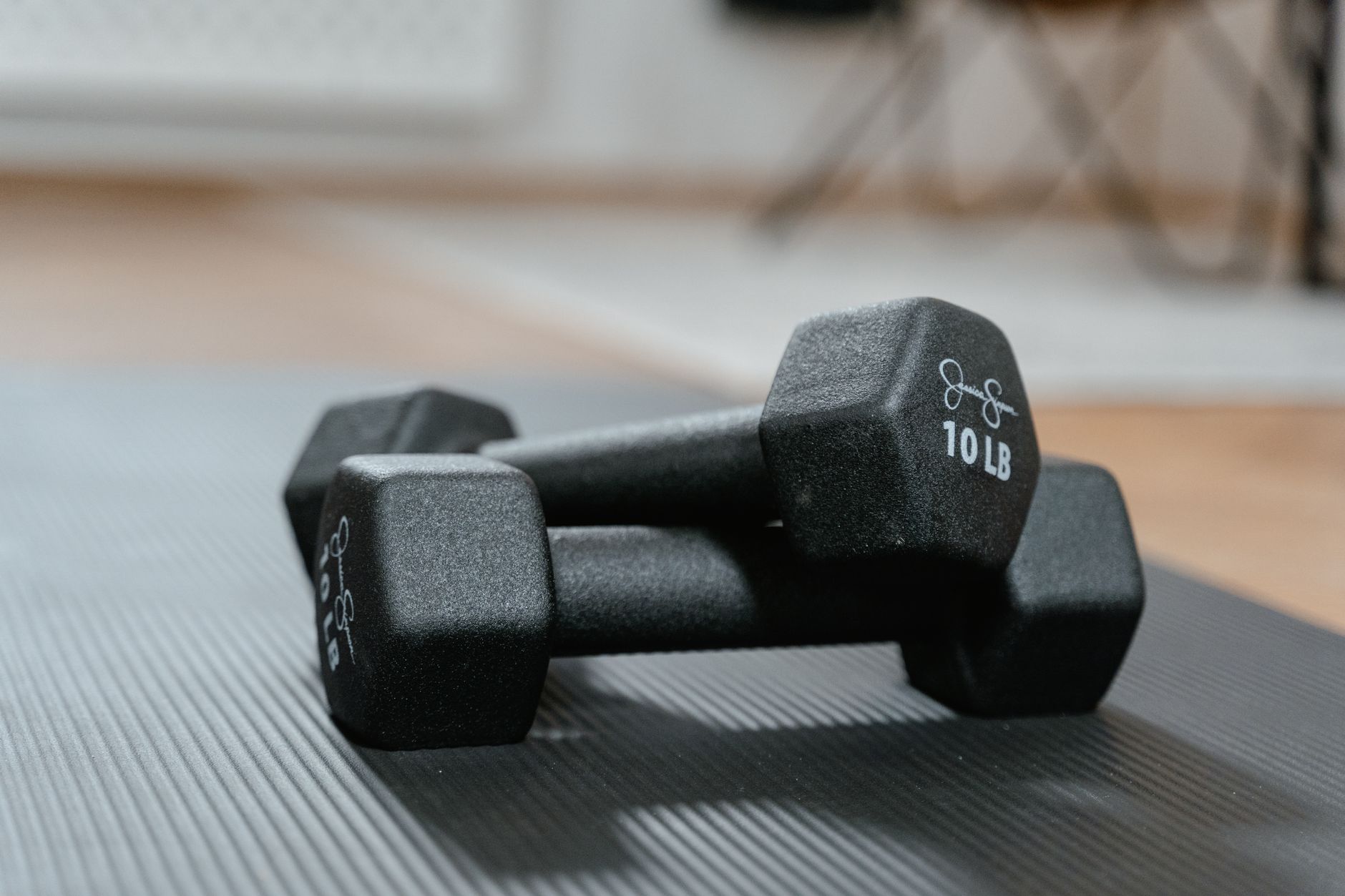
The primary concern for building muscle during intermittent fasting (IF) is the apparent conflict: muscle protein synthesis (MPS) is stimulated by nutrient intake, particularly protein, while fasting is a catabolic state. However, the body's response is more nuanced than a simple on/off switch. The scientific basis hinges on the concept of nutrient timing, hormonal adaptations, and the distinction between short-term fasting and chronic calorie restriction.
Key Hormonal and Metabolic Adaptations
Intermittent fasting protocols, such as 16:8, create cyclical metabolic states that can be harnessed for body composition.
- Increased Growth Hormone (GH): Fasting significantly elevates GH secretion, which has lipolytic (fat-burning) effects and can help preserve lean mass by promoting fatty acid oxidation for energy.
- Insulin Sensitivity: The fasting period enhances insulin sensitivity in muscle tissue. When you break your fast with a protein- and carbohydrate-containing meal, the subsequent insulin spike is more effectively used to shuttle nutrients into muscle cells, potentially improving the anabolic response.
- mTOR Activation: The mechanistic target of rapamycin (mTOR) pathway is the primary driver of MPS. It is suppressed during fasting but robustly activated by the combination of resistance training and subsequent protein ingestion. The "fed" window in IF is designed to maximize this activation.
Evidence for Muscle Preservation and Growth
The evidence is promising but requires careful interpretation. Several systematic reviews indicate that when total daily protein intake and overall calories are matched, IF does not lead to muscle loss and can support muscle gain similarly to traditional eating patterns in resistance-trained individuals.
However, the evidence is more mixed for significant hypertrophy (muscle growth) during IF compared to standard diets. Many studies show preservation of lean mass during fat loss—a valuable outcome—but fewer demonstrate superior muscle building. The success largely depends on executing the feeding window correctly.
Clinical Perspective: The mechanism isn't that fasting builds muscle; it's that a well-structured IF protocol can create a favorable hormonal environment and, crucially, does not prevent muscle building if protein intake and training stimulus are sufficient. The risk of muscle catabolism is highest in very prolonged fasts (>24 hours) or if daily protein targets are consistently missed during the eating window.
Who should be cautious? Individuals with a history of eating disorders, those with specific metabolic conditions (like advanced diabetes), pregnant or breastfeeding women, and athletes with extremely high energy demands should consult a healthcare professional or dietitian before adopting IF for muscle-building goals. The margin for error in meeting macronutrient needs is smaller within a restricted feeding window.
3. Risks and Contraindications: Identifying Populations to Avoid or Proceed with Caution
While the combination of intermittent fasting (IF) and resistance training can be a viable strategy for many, it is not universally appropriate. A clinically responsible approach requires identifying populations for whom this protocol may be contraindicated or who should proceed with extreme caution under medical supervision.
Populations Who Should Avoid This Protocol
Certain individuals should not attempt to build muscle while following an intermittent fasting regimen due to established health risks.
- Individuals with a history of eating disorders: The structured eating and fasting windows can trigger or exacerbate disordered eating patterns, including anorexia, bulimia, or orthorexia.
- Pregnant or breastfeeding individuals: These life stages have significantly increased caloric and micronutrient demands. Restricting the eating window can compromise fetal development, milk production, and maternal health.
- Individuals with type 1 diabetes or advanced type 2 diabetes: The risk of hypoglycemia (dangerously low blood sugar) and erratic glucose control is substantially heightened when fasting is combined with exercise, especially if on insulin or sulfonylureas.
- Those with significant kidney or liver disease: These organs are critical for metabolizing protein and managing metabolic byproducts. Placing additional stress through high protein intake and altered feeding patterns can be harmful.
Populations Who Must Proceed with Caution
For others, the approach may be possible but requires careful monitoring and likely adaptation. Consulting a physician or registered dietitian before starting is strongly advised.
- Individuals on specific medications: Those taking medications for blood pressure, diabetes, or other conditions that require food for proper absorption or to mitigate side effects need a tailored plan.
- Adolescents and older adults: Adolescents have high nutritional needs for growth. Older adults are at higher risk of sarcopenia (muscle loss) and may struggle to consume adequate protein and calories in a restricted window.
- Those with a history of hypothalamic-pituitary-adrenal (HPA) axis dysfunction or high stress levels: Adding the physiological stress of fasting to intense training can worsen cortisol dysregulation, leading to fatigue, poor recovery, and stalled progress.
- Highly active athletes or individuals with very high caloric needs: Consuming sufficient calories and carbohydrates to support performance, recovery, and muscle growth can be logistically challenging and may lead to underfueling.
Clinical Perspective: The evidence for muscle building with IF in trained populations is mixed and often involves short-term studies. A primary clinical concern is the potential for suboptimal protein timing. While total daily protein intake is paramount, distributing protein across 3-4 meals is strongly supported by evidence for maximizing muscle protein synthesis. Condensing intake into a short window may limit this effect. Individuals must prioritize hitting overall calorie and macro targets within their eating window, which can be difficult and may lead to gastrointestinal discomfort or forced overeating.
In summary, the decision to combine muscle building with intermittent fasting is highly individual. A thorough assessment of one's health status, lifestyle, and goals—preferably with professional guidance—is essential to mitigate risks and ensure the approach is both safe and effective.
4. Practical Takeaways: 30-Day Evidence-Based Strategies for Implementation

Successfully combining muscle building with intermittent fasting (IF) requires a structured, evidence-informed approach. This 30-day blueprint focuses on implementing strategies with the strongest support for preserving lean mass and stimulating hypertrophy within an IF framework.
Weeks 1-2: Foundation and Adaptation
Begin by establishing a consistent 16:8 fasting/eating window. The primary goal is metabolic adaptation, not aggressive muscle gain. Prioritize these actions:
- Protein Timing: Consume 1.6–2.2 grams of protein per kilogram of body weight daily. Distribute this across your eating window in 3–4 meals, with a substantial serving post-resistance training. This is strongly supported by evidence for maximizing muscle protein synthesis.
- Training Alignment: Schedule resistance training sessions (3–4 times weekly) in the fed state, ideally shortly before or after your first meal. This helps ensure adequate energy and nutrients for performance and recovery.
- Hydration & Electrolytes: Consume water, black coffee, or plain tea during the fast. Add a pinch of salt to water if you experience lightheadedness, a common initial adaptation.
Weeks 3-4: Optimization and Progression
With your body adapted, focus on intensifying the stimulus and refining nutrition.
- Caloric & Carb Cycling: On training days, aim for a slight caloric surplus (e.g., +200-300 calories) with higher carbohydrate intake to fuel workouts. On rest days, maintain calories at or slightly below maintenance. This strategy has preliminary support for body recomposition.
- Progressive Overload: Systematically increase training volume (sets x reps x weight). This is the non-negotiable, evidence-based driver of muscle hypertrophy.
- Nutrient Density: Fill your eating window with whole foods—lean proteins, vegetables, fruits, and complex carbohydrates—to meet micronutrient needs often challenged by a restricted eating window.
Clinical Insight: The evidence for direct hypertrophic benefits of IF over standard calorie-matched diets is mixed and often shows no significant difference. The primary utility of IF for muscle building is adherence; if the structure helps you consistently hit protein and calorie targets, it can be effective. Monitor energy levels and recovery closely. Individuals with a history of disordered eating, diabetes, or adrenal issues should consult a physician before undertaking this protocol.
Listen to your body throughout the month. Persistent fatigue, strength loss, or sleep disturbances may indicate the need for a larger eating window or adjusted calorie intake. The 30-day mark is an ideal time to assess progress and consult with a nutrition or fitness professional for personalized adjustments.
5. Safety Considerations: When to Seek Medical Evaluation

While combining intermittent fasting (IF) with resistance training can be a viable strategy for many, it is not universally appropriate. Certain physiological states and pre-existing medical conditions can increase the risk of adverse effects, making medical evaluation a prerequisite. The evidence for IF's safety is robust in generally healthy populations over the short-to-medium term, but data on its long-term effects, particularly in active individuals with specific health goals, remains more limited.
You should consult a physician or a registered dietitian before starting this protocol if you have any of the following conditions or circumstances:
- Diabetes (Type 1 or Type 2) or hypoglycemia: Fasting can significantly alter blood glucose and insulin levels, requiring careful medication and insulin adjustment to prevent dangerous highs or lows.
- History of eating disorders: The structured fasting and feeding windows can trigger or exacerbate disordered eating patterns.
- Pregnancy, lactation, or attempts to conceive: Nutritional demands are heightened during these periods, and caloric or nutrient restriction is generally not advised.
- Kidney or liver disease: These organs are crucial for metabolizing the byproducts of fat and protein breakdown, which can be increased during fasting and high-protein intake.
- Gastrointestinal disorders: Conditions like gastroesophageal reflux disease (GERD) or gastritis may be aggravated by consuming larger meals in a shortened feeding window.
- Taking prescription medications: Some medications, especially those for blood pressure, diabetes, or mental health, must be taken with food. A doctor can advise on timing adjustments.
Clinical Insight: From a metabolic standpoint, the primary safety concern is mismanagement of energy and electrolytes. Intense training in a fasted state, without proper hydration and electrolyte replenishment, can lead to dizziness, excessive fatigue, or impaired performance. Furthermore, individuals with borderline nutrient status (e.g., low iron or vitamin D) may find deficits worsen if their feeding window does not contain sufficient nutrient-dense foods. A pre-participation screening can identify these risks.
During the 30-day protocol, it is crucial to monitor your body's signals. While some initial hunger and adjustment fatigue are common, certain symptoms warrant pausing the protocol and seeking medical evaluation:
- Persistent dizziness, lightheadedness, or palpitations.
- Severe or unrelenting headaches.
- Unexplained, significant weight loss beyond intended fat loss.
- Significant disruption to menstrual cycle regularity.
- Extreme lethargy that does not improve with rest or nutrition.
This approach is a tool, not a mandate. Individual variability in metabolism, stress response, and health history means a strategy that works for one person may be unsuitable for another. Professional guidance ensures the protocol supports your muscle-building goals without compromising your health.
6. Questions & Expert Insights
Can I build muscle effectively while in a calorie deficit during intermittent fasting?
This is a nuanced topic. Building significant muscle mass typically requires a caloric surplus to provide the energy and substrates for new tissue synthesis. However, body recomposition—losing fat while gaining or preserving muscle—is possible, particularly for beginners, those returning to training after a break, or individuals with higher body fat percentages. The key is a moderate deficit, high protein intake (aim for 1.6-2.2 grams per kg of body weight daily), and a well-structured resistance training program. The fasting window does not inherently prevent muscle protein synthesis if protein needs are met during the eating window. Evidence for significant muscle gain in lean, trained individuals in a deficit is limited; for them, progress may be slower and focused more on strength and muscle preservation than hypertrophy.
What are the potential risks or side effects, and who should avoid combining fasting with intense training?
Common initial side effects can include fatigue, irritability, headaches, and reduced workout performance, often related to electrolyte imbalance or dehydration. More significant risks involve under-fuelling, which can lead to hormonal disruptions (e.g., lowered testosterone or thyroid hormones in sustained, severe deficits), increased injury risk, and impaired recovery. This approach is not advisable for individuals with a history of eating disorders, pregnant or breastfeeding women, those with type 1 diabetes or unstable type 2 diabetes, individuals with adrenal or thyroid conditions, adolescents, or those under significant stress. The combination of fasting and intense training can also exacerbate disordered eating patterns in susceptible individuals.
When should I talk to a doctor before starting this plan, and what should I discuss?
Consult a physician or a registered dietitian if you have any pre-existing medical condition, take regular medications (especially for diabetes, blood pressure, or mood), have a history of metabolic issues, or are over 40 and new to intense exercise. Before your appointment, prepare to discuss: 1) Your specific fasting protocol (e.g., 16:8) and planned training regimen, 2) Your complete medical history and current medications, 3) Your specific body composition and performance goals. This allows the professional to assess potential interactions, such as hypoglycemia risk with diabetes medications, or the need for adjusted dosing. They can also help establish safe biomarkers to monitor, like blood glucose or blood pressure.
Is the timing of my protein intake within the eating window critical for muscle growth?
While total daily protein intake is the most critical factor, distribution plays a supportive role. Research suggests that spreading protein intake across multiple meals (e.g., 3-4 servings), with each containing ~0.4 g/kg of body weight, may optimally stimulate muscle protein synthesis rates throughout the day. Within an intermittent fasting window, this means strategically including a protein-rich meal or snack shortly after your workout and ensuring another serving later in your eating period. However, if your eating window is narrow (e.g., 4-6 hours), it becomes challenging to achieve this ideal distribution. In such cases, prioritizing the total daily target is paramount, and the potential suboptimality of timing is a minor compromise compared to missing your overall protein goal.
7. In-site article recommendations
8. External article recommendations
9. External resources
The links below point to reputable medical and evidence-based resources that can be used for further reading. Always interpret them in the context of your own situation and your clinician’s advice.
-
mayoclinic mayoclinic.orgintermittent fasting – Mayo Clinic (search)
-
examine examine.comintermittent fasting – Examine.com (search)
-
healthline healthline.comintermittent fasting – Healthline (search)
These external resources are maintained by third-party organisations. Their content does not represent the editorial position of this site and is provided solely to support readers in accessing additional professional information.