
1. Introduction to Low-Carb Diets and Muscle Building
Building muscle while adhering to a low-carbohydrate dietary approach presents a unique physiological challenge and opportunity. Traditionally, muscle protein synthesis (MPS) is fueled by adequate protein intake and energy availability, with carbohydrates playing a key role in replenishing muscle glycogen and supporting high-intensity training. A low-carb diet, typically defined as providing less than 26% of total daily calories from carbohydrates (often under 130 grams per day), shifts the body's primary fuel source from glucose to fatty acids and ketones.
The core premise for muscle building on this regimen rests on two pillars:
- Sufficient Protein Intake: Consuming adequate high-quality protein is non-negotiable for stimulating MPS. This requirement remains paramount, regardless of carbohydrate intake.
- Dietary Fat as an Energy Source: With reduced carbs, dietary fat intake must increase significantly to provide the necessary calories (energy) to support both training and the muscle repair and growth processes.
Evidence on the efficacy of low-carb diets for muscle gain is mixed and context-dependent. Some controlled studies suggest that when protein and total calorie intake are equated, low-carb and higher-carb diets can produce similar gains in lean mass over short-to-medium terms. However, the limitations of the evidence are important to note: many studies are of short duration, involve untrained individuals, or do not precisely control for all variables. A significant practical challenge is that very low carbohydrate availability can potentially impair performance in high-volume or high-intensity resistance training sessions over time, which may indirectly limit muscle-building stimulus.
Clinical Perspective: From a physiological standpoint, building muscle is an energy-expensive, anabolic process. The primary concern with a low-carb approach is ensuring energy adequacy. If total calories and protein are insufficient due to the restrictive nature of the diet, the body may struggle to synthesize new muscle tissue effectively, regardless of macronutrient ratio. Careful planning is essential.
It is crucial to highlight who should exercise caution or seek medical guidance before embarking on a muscle-building, low-carb plan. This includes individuals with:
- Kidney disease or impaired renal function
- Pancreatic conditions or type 1 diabetes
- A history of eating disorders
- Those taking medications for diabetes or blood pressure, as dietary changes can alter requirements
This chapter sets the stage for understanding the fundamental principles and evidence landscape, forming a responsible foundation for the practical meal preparation strategies discussed in subsequent sections.
2. Evidence-Based Mechanisms of Low-Carb Diets on Muscle

Understanding the physiological mechanisms by which a low-carbohydrate diet may influence muscle protein synthesis and hypertrophy is crucial for a balanced approach. The primary evidence-based mechanisms involve hormonal modulation, substrate utilization, and protein-sparing effects.
Hormonal and Metabolic Adaptations
Carbohydrate restriction typically lowers circulating insulin levels. While insulin is an anabolic hormone, its role in muscle building is complex. Lower baseline insulin may improve insulin sensitivity in skeletal muscle, potentially enhancing nutrient partitioning. Concurrently, a state of nutritional ketosis can elevate growth hormone and IGF-1 levels, which are supportive of muscle maintenance. However, the direct anabolic impact of these hormonal shifts for muscle growth (versus preservation) in trained individuals is not conclusively proven by long-term human trials.
Protein-Sparing and Utilization
A well-formulated low-carb diet is inherently high in protein and dietary fat. The elevated protein intake provides ample amino acids for muscle protein synthesis (MPS). Furthermore, the body adapts to using ketones and fatty acids for fuel, which may have a protein-sparing effect, reducing the oxidation of amino acids for energy and thereby making more available for MPS. This mechanism is strongly supported for muscle preservation during caloric deficit or weight loss.
Clinical Insight: The efficacy for muscle gain is more nuanced. While adequate protein secures the building blocks, glycogen depletion from low carbs can impair performance in high-intensity, glycolytic training. This may limit the volume and intensity of workouts, which are primary drivers of hypertrophy. The evidence is mixed, often showing comparable muscle gains to higher-carb diets when protein and calories are matched, but potentially with different performance and recovery profiles.
Evidence Strength and Practical Takeaways
- Strong Evidence: Low-carb, high-protein diets are effective for fat loss while preserving lean mass. The protein-sparing effect is well-documented.
- Mixed/Limited Evidence: The superiority or inferiority of low-carb diets for maximizing muscle hypertrophy in a caloric surplus. Outcomes depend heavily on individual training adaptation, diet composition, and the specific athletic demands.
- Key Consideration: Muscle building requires a net positive energy balance. On a low-carb diet, this surplus must come primarily from increased fat and protein intake, which requires careful meal planning.
Who should exercise caution? Individuals with kidney impairment, certain metabolic disorders, or a history of disordered eating should consult a physician or registered dietitian before significantly altering macronutrient intake. Athletes in sports requiring repeated high-intensity efforts should be aware of the potential impact on glycolytic performance.
3. Risks, Contraindications, and Populations to Avoid
While a low-carbohydrate approach can be effective for muscle building in specific contexts, it is not universally appropriate and carries distinct risks for certain individuals. A responsible protocol requires identifying who should avoid it and understanding the potential adverse effects that require medical monitoring.
Key Medical Contraindications
Certain pre-existing health conditions make a strict low-carb, muscle-building diet inadvisable without direct specialist supervision. These populations should consult their physician before considering this approach:
- Individuals with Kidney Disease: High-protein intake, often concomitant with low-carb diets, increases glomerular filtration rate and can accelerate the progression of chronic kidney disease (CKD).
- Those with Liver Disease: Impaired hepatic function can compromise the body's ability to process fats and proteins efficiently, increasing metabolic strain.
- People with Pancreatic Insufficiency or Severe Gallbladder Disease: These conditions impair fat digestion and can lead to significant malabsorption and discomfort on a high-fat diet.
- Individuals with a History of Disordered Eating: Restrictive dietary patterns can trigger relapse in those with a history of anorexia, bulimia, or orthorexia.
Populations Requiring Extreme Caution
For others, a modified or highly monitored approach is essential:
- Pregnant or Breastfeeding Women: Ketosis and significant dietary restriction are not recommended due to potential impacts on fetal and infant development. Nutritional needs are heightened during this period.
- Adolescents in Active Growth Phases: Restricting carbohydrates can inadvertently limit energy and nutrients critical for development, potentially affecting hormonal balance and growth.
- Endurance Athletes: Those engaged in prolonged, high-intensity exercise may experience premature glycogen depletion, leading to "bonking" or significantly impaired performance and recovery.
- Individuals on Specific Medications: Those taking diuretics, insulin, or SGLT2 inhibitors for diabetes are at increased risk of electrolyte imbalances or hypoglycemia when carbohydrate intake is drastically reduced.
Clinical Insight: The initial adaptation phase to a low-carb diet, often involving the "keto flu," is common and typically resolves. However, clinicians distinguish this from more serious, persistent issues like pronounced hyperuricemia, significant LDL-cholesterol elevation in "hyper-responders," or the development of kidney stones in susceptible individuals. Long-term adherence also raises questions about micronutrient sufficiency (e.g., fiber, certain vitamins, and minerals) and gut microbiome diversity, areas where evidence remains mixed. Regular blood work monitoring for lipids, renal function, and electrolytes is a prudent safeguard for anyone maintaining this nutritional strategy long-term.
In summary, building muscle on a low-carb diet is a metabolically demanding strategy. Its success and safety are highly individual. A thorough health evaluation and ongoing dialogue with a healthcare provider are non-negotiable steps for anyone with the conditions mentioned above or underlying health concerns.
4. Practical Takeaways for Low-Carb Meal Preparation

Implementing a low-carbohydrate dietary pattern for muscle building requires a strategic shift in meal preparation. The primary goal is to ensure adequate protein intake for muscle protein synthesis while managing carbohydrate intake to maintain a state of nutritional ketosis or low insulin levels, depending on the specific protocol. Success hinges on consistent planning to meet energy and micronutrient needs.
A practical framework involves structuring meals around a core protein source, non-starchy vegetables, and healthy fats. For meal preparation, consider the following actionable steps:
- Prioritize Protein: Prepare lean and fatty cuts of meat, poultry, fish, eggs, or plant-based proteins like tofu and tempeh in bulk. Aim for 1.6 to 2.2 grams of protein per kilogram of body weight daily, distributed across 3-4 meals to optimally stimulate muscle protein synthesis.
- Batch-Cook Vegetables: Roast or steam large quantities of low-carb vegetables (e.g., broccoli, spinach, cauliflower, zucchini, bell peppers) to have ready-to-eat fiber and nutrients.
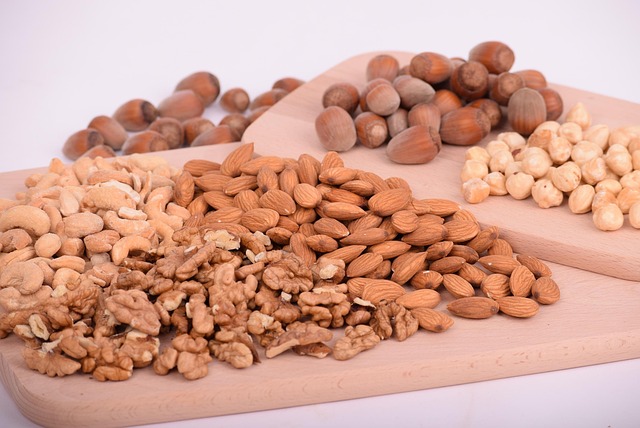
- Incorporate Quality Fats: Use fats like olive oil, avocado oil, nuts, seeds, avocados, and full-fat dairy (if tolerated) to increase meal satiety and provide a dense energy source to compensate for reduced carbohydrates.
Evidence supporting muscle growth on well-formulated low-carb diets is promising but comes with caveats. Studies indicate that adequate protein intake is the most critical factor for hypertrophy, and this can be achieved within a low-carb framework. However, the impact of very low carbohydrate intake (<50g/day) on high-intensity training performance and recovery is mixed; some individuals may experience transient reductions in glycogen-dependent workout volume.
For sustainability, focus on variety to prevent nutrient deficiencies. Incorporate different protein sources and a colorful array of vegetables. Preparing sauces and dressings using herbs, spices, vinegar, and healthy oils can enhance palatability. It is advisable to consult with a registered dietitian or physician to tailor this approach to your individual health status, activity level, and muscle-building goals.
5. Safety Considerations and When to Consult a Healthcare Provider

While a low-carbohydrate approach can be an effective strategy for muscle building, it is not universally appropriate. Acknowledging individual health status and potential risks is a cornerstone of responsible nutrition. This chapter outlines key safety considerations and identifies when professional medical guidance is essential.
Key Populations Requiring Caution
Certain individuals should exercise extreme caution or avoid initiating a low-carb, muscle-building diet without direct medical supervision. These groups include:
- Individuals with Kidney Disease: High-protein intake, often concomitant with low-carb diets, can increase the glomerular filtration rate and place additional strain on compromised kidneys.
- Those with Liver Conditions: Impaired hepatic function can affect protein metabolism and ketone body clearance, necessitating a tailored nutritional plan.
- People with Type 1 Diabetes or Insulin-Dependent Type 2 Diabetes: Drastically reducing carbohydrate intake significantly alters insulin requirements and increases the risk of hypoglycemia and diabetic ketoacidosis. Medication adjustments must be managed by an endocrinologist.
- Pregnant or Breastfeeding Individuals: Nutritional demands are heightened during these periods. Restricting major food groups without expert guidance can jeopardize maternal and fetal health.
- Individuals with a History of Eating Disorders: Any restrictive dietary pattern can trigger relapse.
Clinical Insight: In practice, we assess renal function (eGFR, creatinine) and liver enzymes before recommending significant dietary protein increases. The concern isn't protein itself in healthy individuals, but the added metabolic load in those with pre-existing organ compromise. Furthermore, the initial "keto flu" symptoms—fatigue, headache, irritability—are common but should not be confused with signs of dehydration or electrolyte imbalance, which require prompt attention.
Recognizing When to Seek Professional Advice
Consult a physician, registered dietitian, or relevant specialist before starting if you have any chronic medical condition or take regular medication. This is non-negotiable for the conditions listed above. Furthermore, seek guidance during the process if you experience:
- Persistent fatigue, dizziness, or heart palpitations beyond the initial adaptation phase.
- Significant digestive distress (severe constipation or diarrhea) that does not resolve with dietary adjustments like increasing fiber or fluid intake.
- Unexplained declines in athletic performance or recovery that last for several weeks.
The evidence for low-carb diets for muscle accrual is promising but primarily stems from short-to-medium-term studies in specific populations. Long-term data on sustained muscle mass and overall health outcomes in active individuals is more limited. A sustainable approach often integrates periodized nutrition, adjusting carbohydrate intake around training demands, rather than maintaining strict, perpetual low-carb status.
Ultimately, building muscle safely on a low-carb regimen requires a personalized plan that considers your complete health profile, training regimen, and long-term wellness goals. Professional oversight ensures that the strategy supports, rather than undermines, your health.
6. Questions & Expert Insights
Is a low-carb diet truly effective for building muscle, or does it risk muscle loss?
This question highlights a key tension in sports nutrition. Building muscle requires a caloric surplus and adequate protein, which is entirely possible on a well-structured low-carb diet. The primary risk of muscle loss (catabolism) comes from a significant overall calorie deficit, not merely from reducing carbohydrates. By prioritizing high-quality protein (e.g., 1.6-2.2 g/kg of body weight daily) and ensuring sufficient total calories from fats and protein, muscle synthesis can be supported. However, for high-intensity, glycolytic training (like heavy weightlifting or sprint intervals), muscle glycogen stores are the preferred fuel. A very low-carb approach (<50g/day) may impair performance and recovery in such athletes, potentially hindering progressive overload—the main driver of muscle growth. For most recreational trainees, a moderate low-carb approach (e.g., 50-150g net carbs, timed around workouts) can be sustainable. The evidence is mixed, with some studies showing comparable muscle gains to higher-carb diets when protein is matched, but others note reduced training volume over time on very low-carb plans.
What are the primary risks or side effects, and who should avoid a low-carb muscle-building approach?
While many adapt well, certain populations should exercise extreme caution or avoid this approach entirely. Initial side effects ("keto flu") like headache, fatigue, and irritability are common as the body adapts to lower insulin and glycogen depletion, but usually subside within 1-2 weeks. More concerning are long-term risks: potential nutrient deficiencies (especially from eliminating fruit, whole grains, and certain vegetables), increased LDL cholesterol in some "hyper-responders," and the risk of kidney stones or gout in susceptible individuals. Who should avoid it? Individuals with pancreatic disease, liver conditions, gallbladder issues, or a history of eating disorders should not undertake restrictive diets without specialist supervision. Those with kidney disease must not increase protein intake without nephrologist approval. Pregnant or breastfeeding women require consistent glucose for fetal and infant development, making very low-carb diets inappropriate.
When should I talk to my doctor before starting, and what information should I prepare?
Consult a physician or a registered dietitian specializing in sports nutrition before starting if you have any pre-existing medical condition, take medications (especially for diabetes, hypertension, or cholesterol), or are over 40 with unassessed cardiovascular risk factors. For the conversation, come prepared with specific data: your planned macronutrient targets (grams of protein, carbs, fat), a sample 3-day meal plan, and details of your training regimen. Crucially, bring a list of all medications and supplements. This allows your doctor to assess interactions (e.g., diabetes medication doses will likely need adjustment to prevent hypoglycemia) and order baseline blood work (lipids, kidney function, fasting glucose) to establish a benchmark and monitor changes. This proactive step transforms a dietary experiment into a managed, health-aware protocol.
How long does it take to see muscle gains on a low-carb diet, and how does it compare to a traditional higher-carb approach?
Expect a similar timeline for initial neuromuscular adaptations (2-8 weeks), but the rate of measurable hypertrophy may differ. In the first 1-2 weeks, significant water weight loss from glycogen depletion can mask muscle gains on the scale. Visible changes in muscle definition may appear faster due to this reduced subcutaneous water. However, for actual myofibrillar protein accretion, studies suggest that when protein and calories are equated, muscle growth rates over 2-3 months can be similar between moderate low-carb and higher-carb diets. The comparison often hinges on training performance. If your energy and ability to lift heavier weights week-to-week is compromised, gains will be slower. The evidence is not conclusive for long-term (>6 month) superiority of either approach for muscle building alone; adherence and individual response are greater determinants. A hybrid approach, cycling carb intake based on training days, may offer a compromise for those struggling with performance on consistent low-carb intake.
7. In-site article recommendations
8. External article recommendations
9. External resources
The links below point to reputable medical and evidence-based resources that can be used for further reading. Always interpret them in the context of your own situation and your clinician’s advice.
-
wikipedia wikipedia.orglow-carb meal preparation – Wikipedia (search)
-
mayoclinic mayoclinic.orglow-carb meal preparation – Mayo Clinic (search)
-
drugs drugs.comlow-carb meal preparation – Drugs.com (search)
These external resources are maintained by third-party organisations. Their content does not represent the editorial position of this site and is provided solely to support readers in accessing additional professional information.