
1. Introduction to Liver Function and Detoxification Concepts
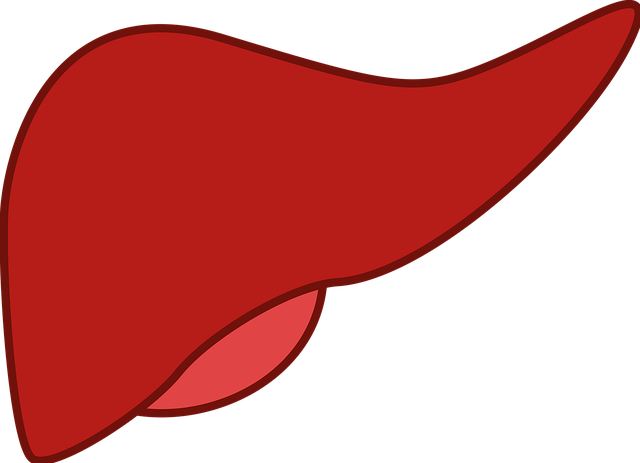
The liver is a vital metabolic organ, central to maintaining physiological homeostasis. Its functions are multifaceted and extend far beyond the popular concept of "detoxification." A foundational understanding of these roles is essential for evaluating any nutritional or lifestyle approach aimed at supporting liver health.
Key hepatic functions include:
- Metabolic Regulation: The liver manages the metabolism of carbohydrates, proteins, and fats, storing glycogen and regulating blood glucose levels.
- Protein Synthesis: It produces essential proteins, including albumin and clotting factors.
- Bile Production: Bile, synthesized in the liver, is crucial for the digestion and absorption of dietary fats and fat-soluble vitamins.
- Storage of Nutrients: The liver stores vitamins (A, D, B12) and minerals like iron.
The concept of liver "detoxification" refers specifically to the organ's sophisticated biotransformation pathways. These enzymatic processes, primarily occurring in two phases (Phase I and Phase II), convert both endogenous waste products (like ammonia) and exogenous substances (like certain medications, alcohol, and environmental compounds) into water-soluble forms for elimination via bile or urine.
Clinical Perspective: It is important to clarify that a healthy liver is constantly "cleansing" itself; it does not accumulate "toxins" that require periodic purging. The term "liver cleanse" in popular culture often lacks a precise medical definition. Scientifically, supporting liver function focuses on reducing its metabolic burden and providing nutrients that aid its intrinsic enzymatic processes, not on forcing an expulsion of undefined substances.
Evidence for specific short-term "cleanses" is often limited, relying on anecdotal reports or small, short-duration studies. However, robust evidence strongly supports that sustained, strategic nutrition—emphasizing whole foods, adequate hydration, and limiting hepatotoxic substances like excessive alcohol—can positively influence liver enzyme levels and overall hepatic resilience.
Individuals with pre-existing liver conditions (such as hepatitis, cirrhosis, or fatty liver disease), those taking medications metabolized by the liver, or people who are pregnant should consult a physician before making significant dietary changes. The approaches discussed in subsequent chapters are intended as general supportive strategies, not as treatments for liver disease.
2. Mechanisms and Evidence for Nutritional Liver Support

The concept of a nutritional "cleanse" is often overstated, but specific dietary components can support hepatic function through well-understood biochemical pathways. The liver's primary roles—detoxification, metabolism, and synthesis—rely on a steady supply of micronutrients to fuel its enzymatic processes.
Key mechanisms by which nutrients may support liver health include:
- Providing Antioxidants: Compounds like N-acetylcysteine (NAC) and vitamins C and E help replenish glutathione, the liver's master antioxidant, which neutralizes free radicals generated during phase I detoxification.
- Enhancing Phase II Detoxification: Cruciferous vegetables (e.g., broccoli, kale) contain sulforaphane, which upregulates enzymes in the conjugation pathways, helping to package toxins for safe excretion.
- Reducing Inflammation: Omega-3 fatty acids (found in fatty fish, flaxseeds) and polyphenols (in berries, green tea) can modulate inflammatory signaling pathways, potentially mitigating liver cell damage.
- Promoting Bile Flow: Bitter compounds in foods like dandelion greens and artichoke may stimulate choleresis, aiding in the elimination of waste products via bile.
Clinical Perspective: It is crucial to distinguish between supporting baseline function and "cleansing" a diseased organ. For individuals with a healthy liver, these nutrients support optimal metabolic workload. However, in established conditions like non-alcoholic fatty liver disease (NAFLD), cirrhosis, or hepatitis, nutritional strategies are adjunctive to, not a replacement for, medical management. The evidence is strongest for general dietary patterns, like the Mediterranean diet, rather than isolated "superfoods."
The evidence for these mechanisms varies. Epidemiological and preclinical studies strongly support the benefits of diets rich in vegetables, fruits, and whole grains for liver health. Clinical trials on specific supplements, such as milk thistle (silymarin) or turmeric (curcumin), show mixed results, often limited by small sample sizes, short duration, or variability in product quality.
Individuals with pre-existing liver disease, gallbladder issues, or those taking medications (especially blood thinners or diabetes drugs) should consult a hepatologist or registered dietitian before making significant dietary changes or using supplements, as interactions and contraindications are possible. Nutritional support is a component of long-term health, not a short-term fix.
3. Risks, Contraindications, and Populations to Avoid

Any dietary regimen that proposes to "cleanse" or "detoxify" the liver carries inherent risks, particularly when it involves significant caloric restriction, drastic macronutrient shifts, or the use of concentrated supplements. It is crucial to approach such plans with a critical, evidence-based perspective and to understand who may be harmed by them.
Primary Medical Risks
The core risks associated with aggressive 14-day liver-focused cleanses often stem from their restrictive nature. These can include:
- Nutrient Deficiencies: Severe calorie restriction or elimination of entire food groups can lead to deficiencies in essential proteins, fats, vitamins (like B12 and fat-soluble vitamins), and minerals, potentially causing fatigue, muscle wasting, and impaired immune function.
- Electrolyte Imbalances: Diets heavy in juices, teas, or laxatives can flush critical electrolytes like potassium and sodium from the body, risking arrhythmias, dizziness, and muscle cramps.
- Hepatic Stress in Pre-Existing Disease: Contrary to the intended goal, a sudden influx of certain herbal compounds or extreme fasting can induce stress on a liver already compromised by disease, potentially worsening inflammation.
- Gallbladder Complications: Rapid weight loss or very low-fat intake can increase the risk of gallstone formation and biliary colic.
Clinical Perspective: The liver is a remarkably resilient organ that detoxifies the body continuously. There is no high-quality clinical evidence that short-term, restrictive "cleanses" enhance this inherent function beyond what a balanced, long-term healthy diet provides. In fact, for individuals with liver disease, unsupervised dietary changes can be dangerous and interfere with prescribed medical management.
Populations Who Should Avoid or Exercise Extreme Caution
The following individuals should not undertake such a plan without explicit guidance from their physician or a registered dietitian specializing in their condition:
- Individuals with Chronic Liver Disease: This includes cirrhosis, hepatitis, non-alcoholic fatty liver disease (NAFLD/NASH), and anyone with a history of liver failure. Their nutritional needs are specific and medically managed.
- Those with Kidney Disease: The kidneys work in tandem with the liver. High doses of certain herbs, minerals, or proteins can place a dangerous burden on compromised kidneys.
- Pregnant or Breastfeeding Women: Nutritional demands are significantly increased during these periods. Restrictive diets can deprive both mother and child of critical nutrients.
- Individuals with Diabetes or Glucose Metabolism Disorders: Drastic changes in carbohydrate and calorie intake can cause dangerous fluctuations in blood sugar levels.
- People with a History of Eating Disorders: Restrictive protocols can trigger relapse into disordered eating patterns.
- Anyone on Prescription Medications: Certain foods and supplements can alter the metabolism of drugs (via liver enzymes like CYP450), reducing efficacy or increasing toxicity. This is a critical pharmacokinetic concern.
Before considering any significant dietary change, a consultation with a healthcare provider is non-negotiable for these groups. The premise of a short-term "fix" for liver health is not supported by hepatology guidelines, which emphasize sustainable lifestyle patterns as the cornerstone of hepatic wellness.
4. Practical, Evidence-Based Nutritional Recommendations
The concept of a "liver cleanse" is often misrepresented. A more accurate and evidence-based approach is to support the liver's intrinsic detoxification pathways through strategic, nutrient-dense eating. The goal is to reduce the metabolic burden on the organ while providing the specific compounds it needs for optimal function.
Focus on incorporating foods with strong scientific backing for hepatoprotective and phase II detoxification support:
- Cruciferous Vegetables: Broccoli, Brussels sprouts, and kale are rich in glucosinolates, which support the production of glutathione, the liver's master antioxidant. This is one of the most well-supported dietary strategies for liver health.
- High-Quality Protein: Adequate intake from sources like legumes, fish, and lean poultry is essential. Amino acids are required for both phases of liver detoxification. Severely restricting protein can impair these processes.
- Colourful Fruits & Berries: Beets and berries provide betalains and anthocyanins, respectively. These compounds have demonstrated anti-inflammatory and antioxidant effects in preclinical studies, though human trial data is more limited.
- Healthy Fats: Prioritize sources rich in omega-3s (e.g., walnuts, flaxseeds, fatty fish) and monounsaturated fats (e.g., olive oil, avocados). These fats help modulate inflammation, a key driver of liver cell damage.
Concurrently, it is critical to reduce or eliminate substances that directly challenge liver metabolism. This includes refined sugars, ultra-processed foods, and, most importantly, excessive alcohol. Even a short period of abstinence from alcohol can allow for measurable metabolic recovery in the liver.
Clinical Perspective: The evidence for specific "cleansing" protocols is weak. However, the nutritional principles outlined here—increased phytochemicals, adequate protein, healthy fats, and reduced metabolic insults—are cornerstones of dietary management in conditions like non-alcoholic fatty liver disease (NAFLD). The liver has a remarkable capacity for self-repair when the antagonistic factors are removed.
It is important to note that while the general dietary pattern is safe for most, individuals with pre-existing kidney disease, specific metabolic disorders, or those on multiple medications should consult a physician or a registered dietitian before making significant dietary changes. Dramatic shifts in nutrient intake can interact with conditions and medications in unexpected ways.
5. Safety Protocols and Indications for Medical Consultation

Any significant dietary change, including a structured 14-day nutritional plan, carries inherent risks and requires careful consideration of individual health status. The concept of a "liver cleanse" is not a recognized medical therapy, and the evidence supporting specific short-term dietary protocols for liver detoxification is largely preliminary, based on animal studies, small human trials, or epidemiological data linking certain foods to liver health markers.
It is crucial to approach this plan not as a cure but as a potential supportive strategy within a broader, long-term healthy lifestyle. The following safety protocols are non-negotiable.
Mandatory Pre-Implementation Consultation
You must consult a physician or a registered dietitian before beginning this or any intensive nutritional protocol, especially if you have:
- Pre-existing liver conditions: Cirrhosis, hepatitis, fatty liver disease (NAFLD/NASH), or a history of liver cancer.
- Chronic medical conditions: Diabetes, kidney disease, autoimmune disorders, or heart disease.
- Medication use: Prescription drugs (especially blood thinners, diabetes medications, or immunosuppressants), over-the-counter drugs, or herbal supplements. Dietary changes can alter drug metabolism.
- Special physiological states: Pregnancy, lactation, or plans for pregnancy.
- History of disordered eating: Such as anorexia, bulimia, or binge-eating disorder.
Clinical Perspective: From a medical standpoint, the liver is a remarkably resilient organ that "cleanses" itself continuously. The primary goal of any nutritional intervention should be to reduce its workload—minimizing processed foods, added sugars, alcohol, and environmental toxins—rather than attempting to "flush" it. Sudden, drastic changes in fiber or specific nutrient intake can cause significant gastrointestinal distress, electrolyte imbalances, or interact dangerously with medications. A healthcare professional can help tailor general principles to your specific biochemistry and health history.
Red-Flag Symptoms Requiring Immediate Cessation
Discontinue the plan immediately and seek medical attention if you experience:
- Severe abdominal pain, nausea, or vomiting.
- Persistent dizziness, lightheadedness, or fainting.
- Significant weakness, fatigue, or confusion.
- Jaundice (yellowing of the skin or eyes).
- Dark urine or pale stools.
This protocol is intended for generally healthy adults seeking to adopt healthier eating patterns. It is not a substitute for medical diagnosis or treatment. Sustainable liver health is achieved through consistent, balanced nutrition, regular physical activity, moderation in alcohol consumption, and avoidance of hepatotoxic substances.
6. Questions & Expert Insights
Is a 14-day liver cleanse scientifically proven to detoxify the liver?
The concept of a short-term "cleanse" or "detox" for liver health is not strongly supported by clinical evidence. The liver is a highly efficient, self-cleansing organ that continuously filters blood and neutralizes toxins. The premise of a strategic nutrition plan over 14 days is better framed as providing a period of dietary support to reduce the liver's metabolic burden, not as a one-time purification. Evidence suggests that consistently consuming foods rich in antioxidants (like cruciferous vegetables), adequate fiber, and healthy fats, while avoiding processed foods, alcohol, and excess sugar, supports optimal liver enzyme function and fat metabolism. However, claims of flushing out stored toxins or regenerating liver cells in a specific two-week window are speculative and not validated by rigorous long-term studies.
What are the potential risks or side effects, and who should avoid this approach?
Any restrictive dietary plan carries potential risks. Rapid increases in fiber intake can cause significant bloating, gas, and abdominal discomfort. So-called "cleansing" regimens that involve severe calorie restriction, excessive consumption of specific juices or supplements, or colon cleanses can lead to electrolyte imbalances, hypoglycemia, and nutrient deficiencies. Individuals with pre-existing medical conditions must exercise extreme caution. This approach is not appropriate for people with diabetes, kidney disease, liver cirrhosis, or active gallbladder disease. It is also contraindicated for pregnant or breastfeeding individuals and those with a history of eating disorders. Any plan promoting aggressive "detox" should be viewed skeptically.
When should I talk to a doctor before starting a liver-focused nutrition plan?
Consult a physician or a gastroenterologist/hepatologist before starting any significant dietary change if you have any known health condition, take regular medications, or experience unexplained symptoms like persistent fatigue, abdominal pain, jaundice (yellowing of skin/eyes), or dark urine. This is crucial because dietary changes can interact with medications and underlying diseases. For the conversation, bring a detailed list of your current medications and supplements, a summary of the specific nutrition plan you're considering, and a record of any symptoms you hope to address. This allows your doctor to assess for potential interactions (e.g., with blood thinners or diabetes drugs) and rule out serious conditions that require medical treatment, not just dietary adjustment.
Will this cleanse reverse damage from past alcohol use or fatty liver?
The liver possesses a remarkable capacity for repair, but the extent of reversal depends on the severity and duration of the damage. For mild, early-stage non-alcoholic fatty liver disease (NAFLD), sustained dietary changes—reducing refined sugars and saturated fats, achieving a healthy weight—are the cornerstone of management and can reduce liver fat and inflammation. Regarding alcohol-related liver injury, the single most effective intervention is complete and permanent abstinence. A 14-day nutritional plan may support initial healing by providing essential nutrients and reducing inflammatory foods, but it cannot offset ongoing alcohol consumption or serve as a substitute for medical treatment of established liver disease. Significant reversal of fibrosis (scarring) is a slower process measured in months and years of consistent healthy living, not days.
7. In-site article recommendations
8. External article recommendations
9. External resources
The links below point to reputable medical and evidence-based resources that can be used for further reading. Always interpret them in the context of your own situation and your clinician’s advice.
-
mayoclinic mayoclinic.orgliver cleanse – Mayo Clinic (search)
-
wikipedia wikipedia.orgliver cleanse – Wikipedia (search)
-
examine examine.comliver cleanse – Examine.com (search)
These external resources are maintained by third-party organisations. Their content does not represent the editorial position of this site and is provided solely to support readers in accessing additional professional information.