
1. Introduction to Juice Cleanses: Context and Popularity

The concept of a juice cleanse, or juice fast, involves consuming only fruit and vegetable juices for a set period, typically ranging from one to several days. This practice has gained significant popularity in recent decades, moving from niche wellness circles into mainstream culture. Its rise is often linked to broader trends in detoxification, weight management, and the pursuit of perceived dietary purity.
Proponents of juice cleanses often cite several theoretical benefits, which form the basis of their popularity:
- Nutrient Intake: Concentrated consumption of vitamins, minerals, and phytonutrients from produce.
- Digestive Rest: The idea of giving the gastrointestinal system a "break" from processing solid foods.
- Detoxification: A widely marketed claim that cleansing can help the body eliminate toxins.
- Weight Loss Initiation: Used as a short-term strategy to kickstart a weight management plan.
It is crucial to examine these claims through an evidence-based lens. The human body possesses highly efficient, endogenous detoxification systems primarily involving the liver, kidneys, intestines, and skin. There is no robust scientific evidence to suggest that juice cleanses enhance these natural processes. Any short-term weight loss is almost exclusively due to a severe calorie deficit and loss of water weight, not fat loss, and is typically regained upon resuming a normal diet.
Clinical Perspective: From a medical standpoint, the term "cleanse" or "detox" is problematic as it implies the body is inherently "dirty" or toxic. A healthy liver and kidneys are continually performing detoxification. The primary value of incorporating fresh juices may lie in increasing intake of fruits and vegetables for individuals with chronically poor diets, but this can be achieved more effectively and sustainably through whole foods.
Furthermore, juice cleansing is not suitable for everyone and carries potential risks. Individuals who should avoid juice cleanses or consult a physician beforehand include:
- Those with diabetes or blood sugar dysregulation, due to the high glycemic load.
- Individuals with kidney disease, as high oxalate content in some juices (e.g., spinach, beet) can be harmful.
- People with a history of eating disorders.
- Pregnant or breastfeeding women.
- Anyone on certain medications, especially diuretics or diabetes drugs.
Understanding this context—the popularity driven by wellness trends juxtaposed with a lack of strong scientific support for core claims—is essential for approaching any cleanse protocol with a balanced and cautious perspective. The following chapters will focus on implementing a short-term cleanse with maximal safety, should one choose to proceed after considering these factors.
2. Evidence and Mechanisms: What Science Says
From a clinical perspective, the scientific evidence supporting the specific health claims of a 3-day juice cleanse is limited and largely preliminary. The primary proposed mechanisms are rooted in short-term physiological changes, but these are often conflated with unsubstantiated claims of "detoxification" or long-term cellular repair.
Proposed Mechanisms and Supporting Evidence
The temporary effects of a juice-only regimen can be explained by several mechanisms:
- Caloric Restriction & Metabolic Shift: A significant reduction in caloric and macronutrient intake can lead to a rapid depletion of liver glycogen stores. This shifts the body's primary fuel source to fat, a state called ketosis, which may explain reported increases in mental clarity and initial weight loss (primarily water and glycogen).
- Micronutrient and Phytonutrient Influx: Juices from vegetables and fruits provide a concentrated dose of vitamins, minerals, and plant compounds like polyphenols. These have demonstrated antioxidant and anti-inflammatory properties in laboratory and some human studies when consumed as part of a balanced diet.
- Gut Rest Hypothesis: By eliminating solid food and fiber, the digestive system experiences reduced mechanical and enzymatic workload. While this may provide subjective relief from bloating, it also deprives the gut microbiome of its primary fuel (prebiotic fiber), which is essential for long-term health.
Limitations and Critical Gaps in Evidence
It is crucial to distinguish these short-term mechanisms from evidence of lasting benefit or "detox." Key limitations include:
- Lack of Robust Clinical Trials: High-quality, randomized controlled trials on short-term juice cleanses are scarce. Most evidence is anecdotal, from small observational studies, or extrapolated from research on long-term fruit/vegetable consumption.
- The "Detox" Misconception: The human body has highly efficient, endogenous detoxification systems (liver, kidneys, lungs, skin). There is no scientific evidence that juice cleanses enhance these processes beyond their normal capacity. Any perceived "detox" effects are more likely due to abstaining from processed foods, alcohol, or excess sodium.
- Short-Term Nature: Any positive changes in biomarkers (e.g., blood pressure, blood sugar) during a 3-day cleanse are typically transient and revert once a normal diet resumes, unless sustained dietary changes are made.
Clinical Perspective: The most evidence-supported benefit of a short juice protocol may be as a behavioral reset—a structured pause that can increase mindfulness of food choices and serve as a gateway to incorporating more whole fruits and vegetables. However, it is not a substitute for a sustained, balanced diet rich in fiber and protein. The risks, including nutrient deficiencies, blood sugar dysregulation, and muscle loss, often outweigh the proposed benefits for most individuals.
Who Should Exercise Extreme Caution: Individuals with diabetes, kidney disease, eating disorders, those who are pregnant or breastfeeding, and anyone on medications (especially for diabetes or blood pressure) should not undertake a juice cleanse without explicit guidance from their physician. The drastic change in nutrient and electrolyte intake can be dangerous.
3. Risks and Contraindications: Who Should Avoid Juice Cleanses

While some individuals may undertake a short-term juice cleanse without incident, the practice is not without inherent risks and is medically contraindicated for specific populations. A thorough understanding of these risks is essential for anyone considering this approach.
Common Physiological Risks
The primary risks stem from the regimen's severe caloric and macronutrient restriction. Common adverse effects include:
- Hypoglycemia: Low blood sugar can cause dizziness, fatigue, shakiness, and brain fog, particularly in individuals with glucose regulation issues.
- Electrolyte Imbalances: Juices are naturally low in sodium and can be high in potassium. This imbalance, coupled with a lack of dietary sodium, can disrupt nerve and muscle function.
- Gastrointestinal Distress: The high fructose load from fruit juices can cause bloating, gas, and diarrhea, especially in those with fructose malabsorption or irritable bowel syndrome (IBS).
- Muscle Catabolism: With inadequate protein intake, the body may break down muscle tissue for energy, counteracting fitness goals.
Absolute and Strong Contraindications
Certain individuals should categorically avoid juice cleanses due to the potential for serious harm. This includes people with:
- Diabetes (Type 1 or Type 2): The rapid blood sugar spikes from juices are dangerous and difficult to manage without balanced meals.
- Kidney Disease: High-potassium juices (e.g., spinach, kale, banana) can lead to hyperkalemia, a life-threatening condition for those with compromised kidney function.
- Eating Disorders: A restrictive cleanse can trigger or exacerbate disordered eating patterns.
- Pregnancy or Lactation: These periods require consistent, high-quality nutrition for fetal and infant development.
- Those on Specific Medications: Particularly diuretics, insulin, oral hypoglycemics, blood pressure medications, or blood thinners like warfarin, as nutrient intake drastically affects their efficacy and safety.
Clinical Perspective: From a medical standpoint, the risks often outweigh any purported benefits for most people. There is no high-quality evidence that juice cleanses "detoxify" the body—the liver and kidneys perform that function efficiently. The regimen is a significant physiological stressor. Anyone with a chronic medical condition, a history of metabolic issues, or who is taking prescription medication must consult their physician before considering any form of extreme dietary restriction.
Who Should Exercise Extreme Caution
Even individuals without the conditions above should proceed with caution if they have:
- A history of fainting or orthostatic hypotension.
- Active infections or are immunocompromised.
- Nutrient deficiencies (e.g., iron-deficiency anemia).
- Engage in demanding physical labor or intense athletic training.
The decision to undertake a cleanse should not be made lightly. It is not a substitute for sustainable, evidence-based dietary patterns focused on whole foods, adequate protein, and fiber.
4. Practical Implementation: Step-by-Step Safe Cleanse Guide
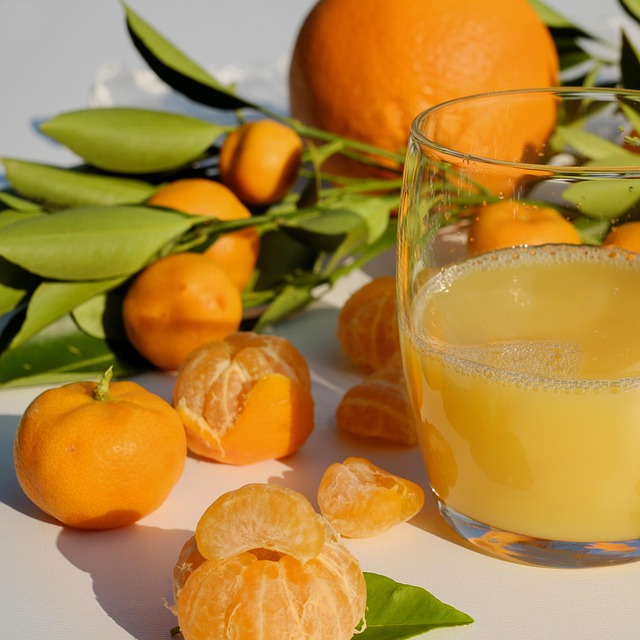
Implementing a short-term juice cleanse requires careful preparation and a structured approach to minimize potential risks and side effects. The following step-by-step guide is based on common protocols, but it is essential to note that robust clinical evidence supporting the specific health claims of juice cleanses is limited. The primary goal should be a brief dietary reset, not a substitute for long-term, balanced nutrition.
Phase 1: Preparation (2-3 Days Before)
Begin by gradually reducing your intake of processed foods, caffeine, alcohol, and refined sugars. This helps mitigate withdrawal symptoms like headaches and fatigue. Increase your consumption of whole fruits, vegetables, and water. This phase is critical for easing the transition.
Phase 2: The 3-Day Cleanse Protocol
During these three days, consume only freshly pressed vegetable and fruit juices, herbal teas, and plenty of water. A typical daily schedule might include:
- Morning: A green juice (e.g., kale, cucumber, celery, green apple, lemon).
- Mid-Morning: Herbal tea or water.
- Lunch: A brightly colored juice (e.g., carrot, beet, orange, ginger).
- Afternoon: A nut milk or a juice with healthy fats (e.g., coconut water, avocado).
- Evening: A simple vegetable broth or a mild green juice.
Consume a juice or broth every 2-3 hours to maintain energy and blood sugar levels. Aim for 4-6 servings of juice daily, with each serving being approximately 12-16 ounces. Listen to your body; if you feel unwell, consider modifying or stopping the cleanse.
Clinical Perspective: This regimen is extremely low in protein, essential fats, and fiber. The temporary nature is key. Prolonged juice-only diets can lead to muscle loss, nutrient deficiencies, and dysregulated metabolism. The perceived "cleansing" effect is often due to a drastic reduction in caloric and sodium intake, not a detoxification process performed by the liver and kidneys, which function continuously regardless of diet.
Phase 3: Reintroduction (2-3 Days After)
This phase is as important as the cleanse itself. Do not immediately return to your regular diet. Reintroduce solid foods gradually to avoid gastrointestinal distress.
- Day 1: Start with easily digestible foods like steamed vegetables, soups, and small portions of fruit.
- Day 2: Add soft proteins like lentils, tofu, or a small amount of fish.
- Day 3: Incorporate whole grains, nuts, and other complex foods.
Essential Safety Considerations
Who Should Avoid This or Consult a Physician First: Individuals with diabetes, kidney disease, liver conditions, eating disorders, those who are pregnant or breastfeeding, individuals on medication (especially for blood pressure or diabetes), and anyone with a history of electrolyte imbalances. The low protein and caloric nature of a cleanse can be dangerous for these populations.
Discontinue the cleanse immediately and seek medical advice if you experience severe dizziness, fainting, heart palpitations, nausea, or extreme fatigue.
5. Safety Monitoring and When to Consult a Healthcare Professional

Any significant dietary change, including a short-term juice cleanse, requires attentive self-monitoring. The primary goal is to differentiate between common, transient side effects and signs of a more serious issue requiring medical intervention.
Essential Parameters to Monitor
Maintaining a daily log can help you track your body's response. Key parameters include:
- Energy and Cognitive State: Mild fatigue or a brief headache on day one is common as glycogen stores deplete. However, persistent dizziness, lightheadedness, confusion, or an inability to perform basic tasks are red flags.
- Hydration Status: While consuming liquids, the lack of solid food and electrolytes can disrupt fluid balance. Monitor urine color (aim for pale yellow) and frequency. Dark, concentrated urine or infrequent urination may indicate dehydration.
- Gastrointestinal Symptoms: Some bloating or changes in bowel habits are expected. Severe abdominal pain, cramping, nausea, or vomiting are not normal and warrant cessation.
- Heart Rate and Sensation: Note any palpitations, a racing heart, or feelings of weakness. These can signal electrolyte imbalances, particularly of potassium or sodium.
Clinical Perspective: From a medical standpoint, juice cleanses lack robust evidence for long-term health benefits and pose specific risks. The most significant dangers are hypoglycemia in individuals with glucose dysregulation, and acute electrolyte disturbances. The body's homeostatic mechanisms are stressed, making close monitoring non-negotiable, especially for those with pre-existing conditions.
When to Stop Immediately and Seek Medical Advice
Discontinue the cleanse and consult a healthcare professional if you experience any of the following:
- Fainting, severe dizziness, or confusion.
- Signs of severe dehydration (e.g., very dark urine, extreme thirst, dry mouth, no urination for over 8 hours).
- Heart palpitations, chest pain, or significant shortness of breath.
- Severe or worsening headache, abdominal pain, or vomiting.
Who Should Consult a Professional Before Starting
Certain individuals should seek medical clearance from a physician or registered dietitian before attempting any restrictive protocol. This is critically important for those with:
- Diabetes, hypoglycemia, or other metabolic conditions.
- Kidney or liver disease.
- Electrolyte imbalances or a history of eating disorders.
- Pregnancy or breastfeeding.
- Those taking medications, especially for diabetes, blood pressure, or diuretics.
Ultimately, listening to your body is paramount. A cleanse should not be an exercise in endurance through distress. Consulting a healthcare provider ensures the plan is tailored to your individual health status, mitigating unnecessary risk.
6. Questions & Expert Insights
Will a 3-day juice cleanse "detox" my body?
The concept of a "detox" from juice cleanses is not supported by clinical evidence. Your body has highly efficient, built-in detoxification systems—primarily your liver, kidneys, lungs, and skin—that work continuously. The idea that a short-term juice regimen can accelerate or enhance this process is a misconception. What a juice cleanse may do is temporarily reduce your intake of processed foods, added sugars, and solid calories, which can create a subjective feeling of "lightness." However, this is not detoxification. The weight lost is typically water weight and glycogen (stored carbohydrates), not toxins. A more sustainable approach to supporting your body's natural functions is to adopt a long-term diet rich in fiber, antioxidants, and water from whole fruits, vegetables, and lean proteins.
What are the main risks or side effects, and who should absolutely avoid a juice cleanse?
Common side effects include fatigue, headaches, dizziness, irritability, and digestive changes like diarrhea or constipation due to the lack of solid fiber and drastic calorie reduction. More serious risks involve nutrient deficiencies (particularly protein, essential fats, and certain minerals), blood sugar dysregulation, and potential muscle loss. Certain individuals should strictly avoid juice cleanses: those with diabetes or prediabetes (due to blood sugar spikes), kidney disease (risk of hyperkalemia from high potassium juices), liver disease, a history of eating disorders, pregnant or breastfeeding individuals, and anyone on medications that require food intake. The restrictive nature can also trigger unhealthy relationships with food for some people.
When should I talk to my doctor about doing a cleanse, and what should I discuss?
You should consult your physician or a registered dietitian before starting any restrictive dietary plan, especially if you have any chronic health condition, take medications, or have concerns about your nutritional status. Come to the appointment prepared. Bring a list of your current medications and supplements, and be ready to discuss your specific health goals. Ask direct questions: "Given my history of [e.g., hypertension, medication X], are there specific juice ingredients I must avoid?" or "How might this affect my lab values?" This allows your provider to give personalized advice on modifications, necessary monitoring, or to recommend a safer, more appropriate alternative that aligns with your health objectives.
Can a juice cleanse lead to sustainable weight loss or health improvements?
No, a 3-day juice cleanse is not a sustainable strategy for meaningful weight loss or long-term health improvement. Any initial weight drop is almost entirely from water and glycogen loss, not fat loss, and this weight is typically regained quickly once you resume a normal diet. For lasting health benefits, the evidence strongly supports consistent, balanced dietary patterns—like the Mediterranean or DASH diets—that include a variety of whole foods. While a short juice period might serve as a psychological "reset" for some, it does not teach sustainable eating habits. The most significant risk is that it perpetuates a cycle of restrictive "quick fixes" rather than fostering the gradual, evidence-based lifestyle changes required for durable health outcomes.
7. In-site article recommendations
8. External article recommendations
9. External resources
The links below point to reputable medical and evidence-based resources that can be used for further reading. Always interpret them in the context of your own situation and your clinician’s advice.
-
healthline healthline.com3-day juice cleanse – Healthline (search)
-
drugs drugs.com3-day juice cleanse – Drugs.com (search)
-
examine examine.com3-day juice cleanse – Examine.com (search)
These external resources are maintained by third-party organisations. Their content does not represent the editorial position of this site and is provided solely to support readers in accessing additional professional information.