
1. Introduction and Context of Turmeric Use

Turmeric, derived from the rhizome of the Curcuma longa plant, is a cornerstone of traditional medicine systems, particularly Ayurveda, where it has been used for millennia. Its vibrant yellow pigment, curcumin, is the primary bioactive compound of scientific interest. In recent decades, this traditional remedy has undergone extensive laboratory and clinical investigation, transitioning from a culinary and cultural staple to a subject of modern biomedical research.
The current scientific landscape presents a nuanced picture. A substantial body of preclinical evidence (from cell cultures and animal models) demonstrates that curcumin possesses potent anti-inflammatory and antioxidant properties. These mechanisms suggest potential therapeutic applications for a wide range of conditions involving chronic inflammation and oxidative stress.
However, translating these promising laboratory findings into consistent, reliable human health benefits presents significant challenges. Key considerations include:
- Bioavailability: Curcumin is poorly absorbed from the gut and rapidly metabolized. Most human studies investigating therapeutic effects use formulations enhanced with agents like piperine (from black pepper) or lipids to improve absorption.
- Evidence Grading: While some clinical trials show positive results for conditions like osteoarthritis and metabolic syndrome, the overall human evidence is often characterized by small sample sizes, short durations, and mixed outcomes. High-quality, large-scale clinical trials are still needed for many proposed uses.
Clinical Perspective: From a medical standpoint, turmeric is generally recognized as safe for culinary use. When considering it as a supplement for a specific health outcome, it is crucial to distinguish between well-supported uses and those based on preliminary data. It should not replace conventional, evidence-based treatments for diagnosed medical conditions without a physician's guidance.
This chapter provides the foundational context for understanding turmeric's role. Subsequent sections will explore practical, evidence-informed strategies for its incorporation, while consistently highlighting the importance of a cautious, individualized approach. Individuals with the following conditions should consult a healthcare provider before making significant dietary changes or using supplements:
- Gallbladder disease or bile duct obstruction.
- Bleeding disorders or those taking anticoagulant/antiplatelet medications.
- Iron deficiency, as curcumin may inhibit iron absorption.
- Pregnancy or lactation, due to limited safety data.
2. Mechanisms of Action and Scientific Evidence

The primary bioactive compound in turmeric is curcumin, a polyphenol responsible for its vibrant yellow color and most of its studied physiological effects. Its mechanisms of action are complex and multi-faceted, primarily centered on modulating inflammatory and oxidative stress pathways.
Curcumin's most well-documented action is its ability to inhibit nuclear factor-kappa B (NF-κB), a key protein complex that regulates the expression of pro-inflammatory cytokines, enzymes like COX-2, and other mediators of chronic inflammation. By downregulating this master switch, curcumin exerts a broad anti-inflammatory effect. It also functions as a direct scavenger of free radicals and boosts the activity of the body's own antioxidant enzymes, such as superoxide dismutase.
The scientific evidence for turmeric and curcumin is extensive but varies significantly in quality and conclusiveness across different health conditions:
- Strongest Evidence (Symptomatic Relief): Multiple systematic reviews and meta-analyses conclude that curcumin supplements are effective for reducing pain and improving function in osteoarthritis, with efficacy comparable to non-steroidal anti-inflammatory drugs (NSAIDs) like ibuprofen in some trials, but with a more favorable side-effect profile.
- Promising but Preliminary Evidence: Research suggests potential benefits for metabolic health (e.g., modest improvements in blood sugar and lipid markers) and mood disorders. However, these findings are often from smaller, shorter-duration studies and require larger, long-term confirmatory trials.
- Insufficient or Mixed Evidence: Claims regarding cancer prevention or treatment, while a major area of preclinical research, are not supported by robust human clinical data and should be viewed as highly speculative.
Individuals who should exercise caution or consult a healthcare provider before using concentrated curcumin supplements include those on anticoagulant/antiplatelet drugs (e.g., warfarin, clopidogrel), individuals with gallbladder disease or bile duct obstruction, and those preparing for surgery, due to its potential blood-thinning and bile-stimulating effects.
3. Risks, Side Effects, and Populations to Avoid
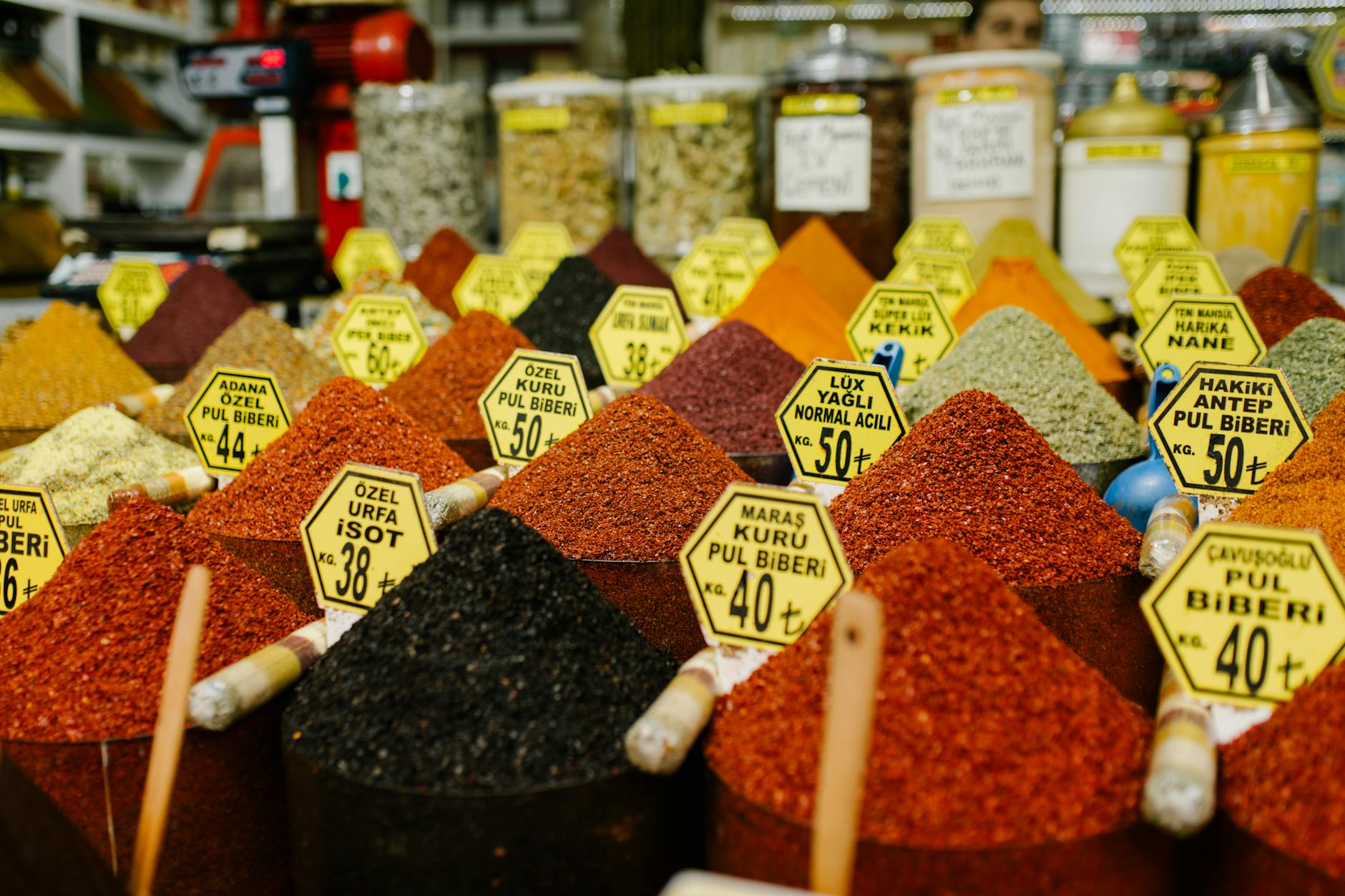
While turmeric is generally well-tolerated as a culinary spice, concentrated doses in supplement form or high dietary intake can present risks. A balanced, evidence-based approach requires acknowledging these potential adverse effects and identifying populations for whom caution is paramount.
Common and Mild Side Effects
At typical culinary doses, side effects are rare. With higher supplemental doses (often >1 gram of curcuminoids daily), some individuals may experience:
- Gastrointestinal discomfort: Nausea, diarrhea, or acid reflux.
- Headaches and skin rash: Reported in a small number of cases.
- Yellow stool: A harmless effect of the pigment curcumin.
Significant Risks and Drug Interactions
The most clinically significant concern is turmeric's potential to interact with medications. Strong evidence indicates it can act as a mild anticoagulant and may affect drug metabolism.
- Anticoagulants/Antiplatelets (e.g., Warfarin, Aspirin, Clopidogrel): Concurrent use may increase bleeding risk. Patients on these medications must consult a physician before using supplements.
- Diabetes Medications: Turmeric may enhance blood sugar-lowering effects, raising the risk of hypoglycemia.
- Drugs Metabolized by the Liver: Curcumin can inhibit certain cytochrome P450 enzymes, potentially altering levels of many prescription drugs.
Clinical Insight: In practice, the interaction with blood thinners is the most immediate safety concern. We advise patients on such therapies to avoid turmeric supplements entirely. The culinary use of the spice in food is typically considered safe but should be discussed in the context of the individual's full medical and medication profile.
Populations to Exercise Caution or Avoid
Specific groups should avoid turmeric supplements and may need to limit dietary intake:
- Individuals with Gallbladder Disease: Turmeric may stimulate bile production, potentially triggering contractions in a diseased gallbladder.
- Those with Kidney Stones: High oxalate content in turmeric, especially in extract form, could contribute to oxalate-type kidney stone formation in susceptible individuals.
- People with Iron Deficiency: Some evidence suggests curcumin may chelate iron and inhibit its absorption, which could exacerbate anemia.
- Pregnant and Breastfeeding Women: Safety data for high-dose supplementation is insufficient. Culinary use is likely safe, but supplements are not recommended.
- Pre- and Post-Surgical Patients: Due to its potential antiplatelet effects, supplementation should be discontinued at least two weeks before any scheduled surgery.
The overarching recommendation is to treat turmeric supplements as you would any bioactive compound: with respect for their pharmacological potential. Integrating the spice into food is a low-risk strategy for most. However, initiating a supplement regimen warrants a discussion with a healthcare provider, particularly for individuals with pre-existing conditions or those taking prescription medications.
4. Practical Strategies for Daily Incorporation
To potentially harness the anti-inflammatory and antioxidant properties of curcumin, the primary active compound in turmeric, consistent and thoughtful incorporation into your diet is key. The evidence for curcumin's benefits is strongest in specific clinical contexts, such as managing symptoms of osteoarthritis and certain inflammatory conditions, but is more preliminary for general wellness. The following strategies prioritize bioavailability—the body's ability to absorb and use curcumin—which is naturally poor.
Dietary Integration Methods
Integrating turmeric into meals is a foundational approach. Consider these methods:
- Golden Milk or Latte: Combine turmeric with warm milk (dairy or plant-based), a pinch of black pepper (which contains piperine, shown to enhance curcumin absorption by up to 2000%), and a healthy fat like coconut oil.
- Sauces & Soups: Add a teaspoon of turmeric powder to curries, stews, salad dressings, or scrambled eggs. Always pair with black pepper and a source of fat like olive oil.
- Smoothies: A small amount (½ to 1 teaspoon) of turmeric powder can be blended into fruit and vegetable smoothies. The fat from ingredients like avocado or yogurt can aid absorption.
Supplementation Considerations
For a standardized dose, supplements are an option. Look for products that specify "curcumin" content and include bioavailability enhancers like piperine (BioPerine®), phospholipids (Meriva®), or nanoparticles (Theracurmin®). Clinical trials often use these enhanced forms. A typical supplemental dose in studies ranges from 500 mg to 1000 mg of curcumin daily, usually split into two doses.
Clinical Insight: The decision between dietary use and supplementation should be intentional. Dietary inclusion supports a food-first philosophy and culinary enjoyment. Supplements provide a reliable, potent dose for targeted support, which may be relevant for individuals following specific clinical protocols. They are not interchangeable, and one is not inherently superior; the choice depends on individual health goals and context.
Important Cautions and Contraindications
Turmeric is generally recognized as safe when used as a spice in food. However, high doses from supplements require caution. Turmeric/curcumin may have blood-thinning effects, interact with diabetes and acid-reflux medications, and exacerbate gallbladder issues. Individuals with the following conditions should consult a physician before starting a high-dose or supplemental regimen:
- Bleeding disorders or those on anticoagulant/antiplatelet drugs (e.g., warfarin, aspirin, clopidogrel).
- Gallbladder disease or bile duct obstruction.
- Iron deficiency (high intake may inhibit iron absorption).
- Pregnancy and lactation (supplemental doses are not recommended).
Consistency is more important than large, sporadic doses. Begin with small dietary amounts and monitor your body's response, especially if considering supplements.
5. Safety Protocols and When to Seek Medical Advice
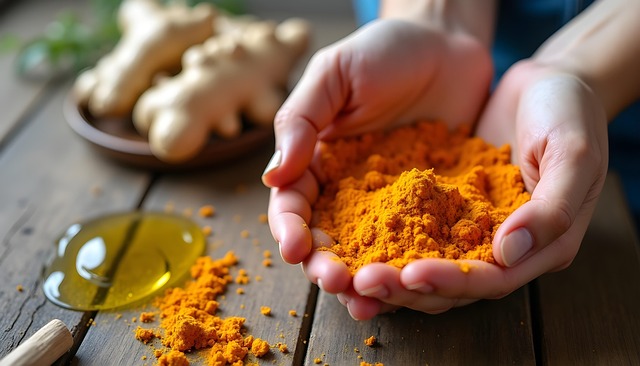
While turmeric is generally recognized as safe when used as a culinary spice, incorporating concentrated forms (e.g., supplements, high-dose extracts) into a daily routine requires a structured safety protocol. The primary active compound, curcumin, has low bioavailability, leading many supplements to include bioavailability enhancers like piperine (from black pepper). This interaction is a key safety consideration.
Critical Safety Protocols
Adhering to these protocols can help mitigate potential risks:
- Dosage Adherence: Do not exceed the dosage recommended on supplement labels. Clinical trials often use doses of 500–2,000 mg of curcumin daily, but the appropriate dose depends on the formulation and individual health status.
- Medication Interaction Check: Curcumin may interact with several pharmaceuticals. It has anticoagulant properties and may potentiate drugs like warfarin or aspirin, increasing bleeding risk. It may also affect the metabolism of medications processed by certain liver enzymes (e.g., CYP450).
- Quality and Purity: Choose supplements from reputable brands that undergo third-party testing for heavy metals, pesticides, and accurate curcuminoid content.
- Gastrointestinal Monitoring: High doses can cause digestive discomfort, including nausea, diarrhea, or acid reflux in some individuals. Starting with a low dose and taking supplements with food can help.
Clinical Insight: From a medical perspective, "natural" does not equate to "risk-free." The most common oversight in clinical practice is patients not disclosing supplement use to their physicians. Always include turmeric and curcumin supplements in your medication list during medical consultations, as their effects can be pharmacologically significant.
Who Should Exercise Caution or Seek Medical Advice First?
Certain individuals should consult a healthcare provider before starting regular, high-dose turmeric or curcumin supplementation:
- Individuals on Anticoagulant/Antiplatelet Therapy: Those taking blood thinners (e.g., warfarin, clopidogrel, apixaban) or with bleeding disorders.
- People with Gallbladder Disease: Turmeric may stimulate bile production, potentially triggering symptoms in those with bile duct obstruction or gallstones.
- Individuals with Iron Deficiency: Some evidence suggests curcumin can chelate iron and may inhibit absorption, which could be problematic for those with anemia.
- Patients Scheduled for Surgery: Due to its potential blood-thinning effects, supplementation should be discontinued at least two weeks prior to any surgical procedure.
- Those with Kidney Stones: Turmeric is high in oxalates, which can contribute to kidney stone formation in susceptible individuals.
- Pregnant or Breastfeeding Women: While culinary use is safe, there is insufficient high-quality evidence to confirm the safety of concentrated supplements during pregnancy and lactation.
The evidence supporting turmeric's anti-inflammatory and antioxidant effects is robust in preclinical studies, but human trial data is more mixed and often context-specific for certain conditions. A cautious, informed approach, guided by professional medical advice, is essential for integrating turmeric safely into a health regimen.
6. Questions & Expert Insights
What is the most effective way to take turmeric for absorption?
The primary active compound in turmeric, curcumin, is notoriously poorly absorbed by the body. To enhance bioavailability, it is often paired with two key elements. First, consuming turmeric with a source of fat (like olive oil, avocado, or full-fat dairy) can improve absorption, as curcumin is fat-soluble. Second, combining it with piperine, a compound found in black pepper, can increase curcumin absorption by up to 2000% according to some human studies. Therefore, a practical approach is to use turmeric in cooking with a fat source and a pinch of black pepper. While many commercial supplements already include these enhancers, the evidence for long-term health benefits from supplementation, as opposed to culinary use, remains an area of active research with mixed results.
Who should avoid or be very cautious with turmeric supplements?
While culinary use of turmeric as a spice is generally safe for most, concentrated supplements pose specific risks. Individuals with gallbladder disease or bile duct obstruction should avoid turmeric/curcumin supplements as they can stimulate bile production. Those with bleeding disorders or on anticoagulant/antiplatelet medications (e.g., warfarin, clopidogrel, aspirin) should use extreme caution, as curcumin may have antiplatelet effects. It may also interact with medications metabolized by the liver (via cytochrome P450 enzymes) and can lower blood sugar, necessitating caution for those on diabetes medications. People with iron deficiency should be aware that curcumin can chelate iron. Due to a lack of safety data, pregnant and breastfeeding women are advised to avoid supplements and stick to typical dietary amounts.
When should I talk to my doctor about taking turmeric, and what should I discuss?
You should consult your doctor or a pharmacist before starting any turmeric supplement, especially if you have a chronic health condition or take regular medications. Come to the appointment prepared with a specific list of all your medications (prescription, over-the-counter, and other supplements) and your key medical history. Ask directly about potential interactions with your current drugs, particularly for blood thinners, diabetes medications, or acid-reducers. Discuss your specific health goals for taking turmeric (e.g., reducing joint discomfort) so your doctor can help assess if it's an appropriate adjunct therapy. This conversation ensures a coordinated approach to your care and helps prevent adverse interactions that you might not anticipate.
How long does it take to see benefits from taking turmeric?
There is no universally established timeline, as effects depend heavily on the formulation, dosage, the individual's physiology, and the specific health outcome being measured. In clinical trials studying joint discomfort, effects are often evaluated over 8-12 weeks. For systemic inflammatory markers, changes might be detected in blood work within a few weeks to months. It's crucial to manage expectations: turmeric is not a fast-acting pharmaceutical. Benefits, if they occur, are typically subtle and gradual. The evidence for long-term preventive benefits, such as for cognitive decline or cancer prevention, is primarily from observational studies and cannot establish a direct cause-effect relationship or a specific timeframe.
7. In-site article recommendations
8. External article recommendations
9. External resources
The links below point to reputable medical and evidence-based resources that can be used for further reading. Always interpret them in the context of your own situation and your clinician’s advice.
-
healthline healthline.comturmeric – Healthline (search)
-
drugs drugs.comturmeric – Drugs.com (search)
-
mayoclinic mayoclinic.orgturmeric – Mayo Clinic (search)
These external resources are maintained by third-party organisations. Their content does not represent the editorial position of this site and is provided solely to support readers in accessing additional professional information.