
1. Moringa Oleifera: Introduction and Context for a 30-Day Routine

Moringa oleifera, often called the drumstick or horseradish tree, is a fast-growing plant native to parts of Africa and Asia. For centuries, its leaves, seeds, pods, and roots have been utilized in traditional medicine and as a food source. In modern contexts, it is primarily consumed as a dried leaf powder, capsule, or tea, promoted for its dense nutritional profile.
From a nutritional standpoint, moringa leaf powder is a notable source of several vitamins and minerals, including vitamin A, vitamin C, calcium, potassium, and iron. It also contains various bioactive plant compounds, such as flavonoids and polyphenols, which are the subject of ongoing research.
Clinical Perspective: While the nutrient density is clear, clinicians view moringa as a potential dietary supplement, not a substitute for a balanced diet or medical treatment. Its effects are generally considered modest, and evidence for specific therapeutic benefits in humans is often preliminary.
The scientific evidence for moringa's health effects presents a mixed picture:
- Stronger Evidence Areas: Research consistently shows moringa's high antioxidant capacity in laboratory studies. Some human trials, though often small, suggest it may help lower markers of oxidative stress.
- Areas with Limited or Mixed Evidence: Claims regarding significant blood sugar regulation, cholesterol reduction, or anti-inflammatory effects in humans are primarily based on animal studies or small, short-duration human trials. Results are promising but not yet conclusive for broad clinical recommendations.
This 30-day guide is framed as an exploration of integrating a nutritional supplement into a daily routine. The focus is on methodical introduction, observation of personal response, and establishing realistic expectations based on the current evidence.
Important Precautions: Certain individuals should exercise caution and consult a physician before beginning any new supplement regimen, including moringa:
- Pregnant or breastfeeding women (due to limited safety data).
- Individuals with thyroid conditions, as moringa may affect thyroid hormone metabolism.
- Those on medications for diabetes or high blood pressure, as moringa might potentiate their effects.
- Anyone with a known allergy to plants in the Moringaceae family.
Proceeding with a mindful, evidence-informed approach allows for a responsible evaluation of how this supplement may fit into an individual's health practices.
2. Evidence and Mechanisms: Scientific Basis for Moringa's Effects
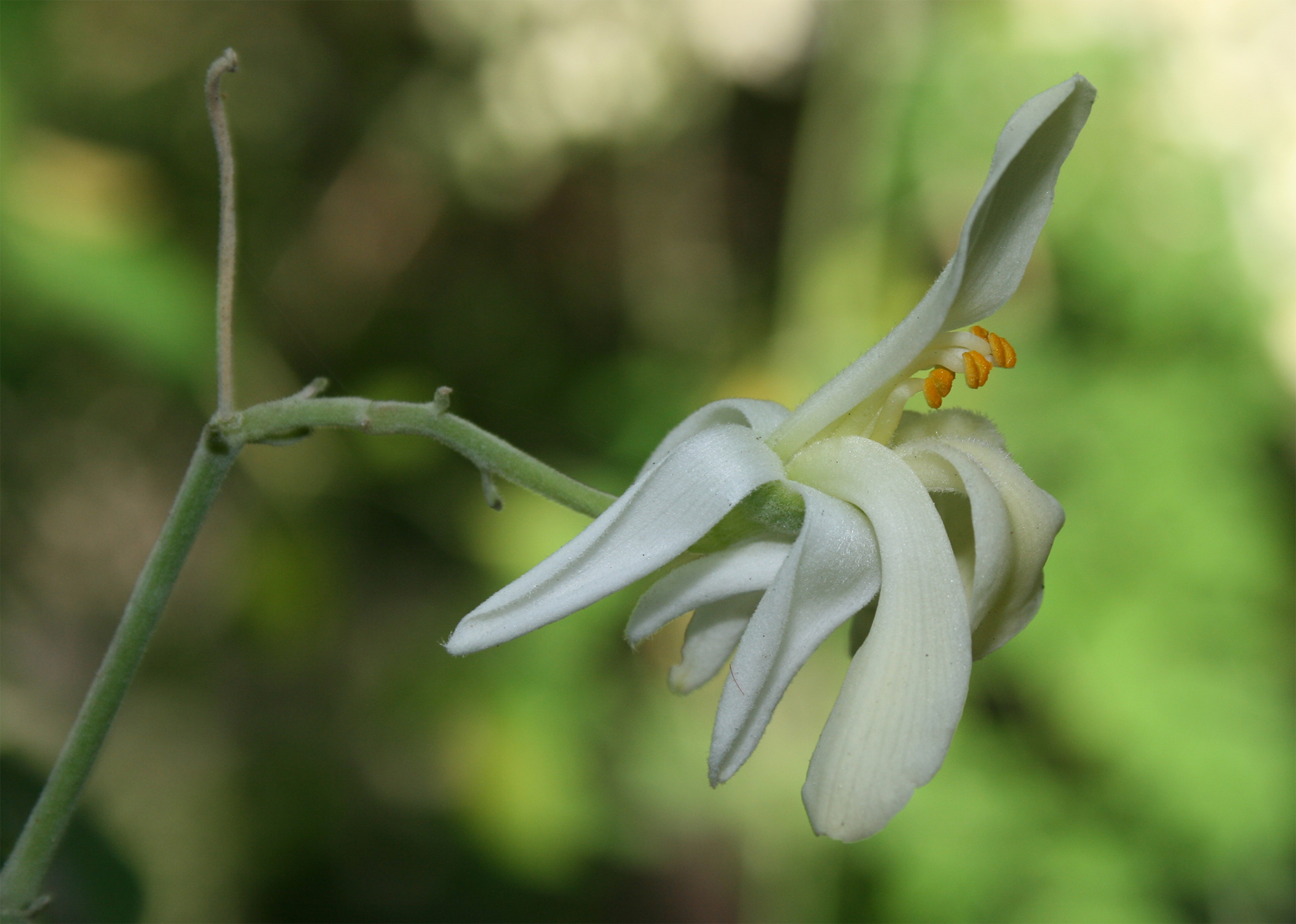
Moringa oleifera, often called the drumstick tree, has been the subject of increasing scientific inquiry. Its purported health benefits are primarily attributed to its dense nutritional profile and a wide array of bioactive plant compounds. Understanding the evidence and proposed mechanisms is crucial for a realistic perspective on its integration into a daily routine.
Key Bioactive Components
The plant's leaves, the most commonly consumed part, are rich in:
- Vitamins and Minerals: Significant levels of vitamins A, C, and E, as well as minerals like calcium, potassium, and iron.
- Antioxidants: Compounds such as quercetin, chlorogenic acid, and beta-carotene, which help neutralize free radicals.
- Isothiocyanates: Bioactive compounds like 4-(α-L-rhamnopyranosyloxy)benzyl isothiocyanate, studied for their potential anti-inflammatory effects.
Evidence for Proposed Effects
The scientific support varies significantly by health outcome. It is essential to distinguish between well-documented mechanisms and areas requiring more research.
Stronger Mechanistic and Preliminary Evidence:
- Antioxidant & Anti-inflammatory Activity: Multiple in vitro and animal studies consistently show moringa extracts can reduce markers of oxidative stress and inflammation. Human trials, while promising, are smaller in scale.
- Blood Glucose Modulation: Several randomized controlled trials (RCTs) in people with type 2 diabetes suggest moringa leaf powder may help lower fasting and post-meal blood sugar levels, likely by slowing glucose absorption.
Areas with Limited or Mixed Human Data:
- Cholesterol Management: Some human studies report modest reductions in LDL ("bad") cholesterol and triglycerides, but results are not uniform, and long-term cardiovascular outcomes are unknown.
- Blood Pressure: Evidence is primarily from animal models; robust human clinical trials are lacking.
- Other Claims: Benefits for arthritis, liver protection, or enhanced immunity are often based on traditional use, cell studies, or animal research, not conclusive human trials.
Clinical Perspective: From a mechanistic standpoint, moringa's nutrient density and antioxidant capacity provide a plausible basis for general nutritional support. However, it is not a substitute for a balanced diet or proven medical therapies. The most consistent human data supports a role in glycemic control, but it should not replace standard diabetes medication without physician supervision.
Important Cautions: Individuals on medications for diabetes, blood pressure, or blood thinners (like warfarin) should consult a doctor before use, as moringa may potentiate drug effects. Its high vitamin A content warrants caution during pregnancy. The root and bark contain higher concentrations of alkaloids and should generally be avoided.
3. Risks and Contraindications: Who Should Avoid Moringa

While moringa (Moringa oleifera) is generally considered safe for most people when consumed in typical culinary amounts, its concentrated use as a supplement or powder requires careful consideration of potential risks and contraindications. The primary safety concerns stem from its potent bioactive compounds, which can interact with medications and underlying health conditions.
Key Populations to Avoid or Use Extreme Caution
Certain individuals should avoid moringa supplementation unless under direct medical supervision:
- Pregnant Individuals: Moringa root and bark contain compounds that may stimulate uterine contractions. While leaf extracts are sometimes used in traditional medicine to support lactation, the safety during pregnancy is not well-established by modern clinical trials. Avoidance is the most prudent approach.
- Individuals on Antidiabetic or Blood Pressure Medications: Moringa has demonstrated hypoglycemic and hypotensive effects in animal and some human studies. Concurrent use with medications like insulin, metformin, or antihypertensives could potentiate these effects, leading to dangerously low blood sugar or blood pressure.
- Those on Anticoagulants (Blood Thinners): Moringa leaves contain vitamin K and other compounds that may affect blood coagulation. This poses a significant risk for individuals taking warfarin (Coumadin), as it can interfere with the medication's efficacy and stability.
- Individuals with Thyroid Disorders: Preliminary research suggests moringa may influence thyroid hormone levels. Those with hypothyroidism, hyperthyroidism, or on thyroid hormone replacement therapy should consult an endocrinologist before use.
Clinical Insight: In practice, the most common risk we see is the interaction with prescribed medications. Patients often perceive "natural" supplements as inherently safe and fail to report their use. It is critical for anyone on chronic medication to discuss moringa with their physician or pharmacist to assess for potential pharmacokinetic or pharmacodynamic interactions.
General Side Effects and Considerations
Even for those without the above contraindications, starting with a high dose can cause gastrointestinal upset, including nausea, diarrhea, or heartburn. The evidence for moringa's benefits, while promising, is often based on short-term studies or specific extracts. Long-term safety data for daily supplementation is limited.
Actionable Guidance: If you are considering integrating moringa into your routine, begin with a very small amount (e.g., ½ teaspoon of powder) to assess tolerance. You must consult your healthcare provider before starting if you are pregnant, breastfeeding, have a chronic medical condition, or are taking any prescription medications. This step is non-negotiable for safe integration.
4. Practical Takeaways: Actionable Integration Strategies

Integrating a new supplement like moringa requires a systematic, evidence-informed approach to assess tolerance and potential benefits. The following strategies are designed for a 30-day trial, prioritizing safety and personalization.
Week 1: The Low-Dose Introduction Phase
Begin with a conservative dose to monitor your body's response. For powder, start with ½ teaspoon (approximately 1-1.5 grams) once daily. For capsules, follow the manufacturer's lowest suggested serving, typically one capsule.
- Method: Mix powder into a smoothie, yogurt, or oatmeal to mask its earthy, slightly bitter taste.
- Goal: Observe for any gastrointestinal discomfort, such as bloating or loose stools, which is the most commonly reported side effect.
- Timing: Consume with food to improve tolerance and nutrient absorption.
Weeks 2-4: Gradual Titration and Consistency
If well-tolerated after the first week, you may consider a gradual increase. A common maintenance dose in studies ranges from 1 to 2 teaspoons (3-6 grams) daily, often split into two servings.
- Diversify Application: Explore using moringa in soups, sauces, or baked goods. Moringa tea, made from dried leaves, offers a beverage option.
- Establish Routine: Link your moringa intake to an existing daily habit (e.g., morning breakfast or post-workout shake) to improve adherence.
- Document Observations: Keep a simple log noting energy levels, digestion, and overall well-being. This creates objective data, separating placebo effect from tangible changes.
Clinical Perspective: While moringa is rich in nutrients and antioxidants, human clinical evidence for specific health claims is often preliminary or based on small, short-term studies. Its effects are likely subtle and supportive rather than dramatic. The 30-day trial is a framework for assessing personal tolerance, not a guarantee of specific outcomes. Discontinue use if you experience adverse effects.
Essential Precautions and Contraindications
Consult a physician before starting moringa, especially if you:
- Are pregnant, breastfeeding, or trying to conceive (moringa root and bark are contraindicated; leaf safety data is limited).
- Have kidney conditions, as high mineral content may be a concern.
- Are taking medications for diabetes, hypertension, or thyroid disorders, as moringa may potentiate their effects.
- Have a known allergy to plants in the Moringaceae family.
Source moringa from reputable suppliers that provide third-party testing for heavy metals and microbial contamination, as product quality can vary significantly.
5. Safety Considerations and When to Consult a Healthcare Professional

While moringa is generally considered safe for most people when consumed in typical culinary amounts, a structured 30-day integration plan warrants a careful, evidence-based review of safety. The current scientific literature, while promising for its nutritional profile, has significant limitations regarding long-term, high-dose supplementation in diverse populations. Most safety data come from short-term studies or traditional use, not from controlled trials spanning months.
Certain individuals should exercise particular caution or avoid moringa supplementation without prior medical consultation:
- Individuals on Medications: Moringa may interact with drugs metabolized by the liver's cytochrome P450 enzymes, potentially altering the effectiveness of medications for diabetes, high blood pressure, or thyroid conditions. It may also have additive effects with blood-thinning medications.
- Pregnant Women: Compounds in the root, bark, and flowers may have uterine-stimulating properties. While leaf powder in food amounts is likely safe, therapeutic doses are not recommended during pregnancy due to insufficient safety data.
- People with Thyroid Disorders: Moringa contains goitrogens, substances that can interfere with thyroid hormone production. Those with hypothyroidism or on thyroid medication should consult an endocrinologist.
- Individuals with Kidney Issues: The high mineral content, particularly potassium, could pose a risk for those with compromised kidney function who need to manage electrolyte intake.
Clinical Perspective: From a medical standpoint, moringa is not an inert substance. Its pharmacological activity means it should be approached with the same caution as any other supplement. The most common risk is not acute toxicity but unintended interactions with pre-existing conditions or pharmaceuticals. A "start low and go slow" approach is prudent, and it should never replace prescribed treatments without a doctor's guidance.
When to Consult a Healthcare Professional: You should seek advice from a physician, pharmacist, or a registered dietitian before starting this 30-day plan if you:
- Are taking any prescription or over-the-counter medications regularly.
- Have a diagnosed chronic condition (e.g., diabetes, hypertension, autoimmune disease, liver or kidney disease).
- Are pregnant, breastfeeding, or trying to conceive.
- Have a history of food allergies, particularly to plants in the Moringaceae family.
- Plan to consume moringa in amounts significantly exceeding typical dietary portions (e.g., more than a few teaspoons of powder daily).
Discontinue use and consult a doctor if you experience any adverse reactions such as gastrointestinal upset, heartburn, or signs of an allergic reaction. Integrating a new supplement responsibly requires acknowledging both its potential benefits and its unknowns, ensuring your health strategy is both safe and effective.
6. Questions & Expert Insights
Can I expect to see significant health changes in just 30 days?
While 30 days is a reasonable timeframe to establish a new dietary habit, expectations for measurable health outcomes should be tempered. The evidence for moringa's benefits in humans is promising but preliminary, often based on short-term studies, cell cultures, or animal models. You may notice subjective improvements, such as feeling more energetic or experiencing better digestion, but these are not guaranteed and can be influenced by the placebo effect or concurrent lifestyle changes. Objective markers like significant reductions in blood sugar, cholesterol, or inflammation typically require longer, consistent use alongside other dietary and lifestyle modifications. Viewing the 30-day period as an experiment to assess tolerance and integration into your routine, rather than a transformative cure, is a more balanced and clinically responsible perspective.
What are the potential side effects or risks of taking moringa daily?
Moringa is generally well-tolerated in culinary amounts, but concentrated supplements or high doses pose specific risks. The leaves have a laxative effect and may cause digestive upset, including gas, diarrhea, or heartburn, especially when first introduced. More seriously, the root, bark, and flower extracts contain alkaloids that can be neurotoxic and uterine-stimulating. Therefore, moringa is contraindicated in pregnancy due to the risk of miscarriage. Individuals with thyroid disorders should use caution, as moringa may influence thyroid hormone metabolism. Those on medications for diabetes (like insulin or metformin) or high blood pressure (like ACE inhibitors) must be aware that moringa can potentiate these drugs' effects, leading to hypoglycemia or hypotension. Starting with a small amount of leaf powder (e.g., ½ teaspoon) and monitoring your body's response is crucial.
Who should avoid integrating moringa into their routine?
Several groups should avoid moringa or consult a physician before use. As noted, pregnant women should categorically avoid it. Those with kidney issues should be cautious due to its high mineral content, which could exacerbate problems. Individuals with bleeding disorders or on anticoagulant medications (like warfarin) should avoid moringa, as it may have antiplatelet properties. People with known allergies to plants in the Moringaceae family should obviously steer clear. Furthermore, anyone with a complex medical history, multiple medications (polypharmacy), or a history of eating disorders should not initiate a new supplement regimen without professional guidance, as it can disrupt carefully managed conditions or trigger unhealthy fixations on "superfoods."
When should I talk to my doctor, and what should I bring to that conversation?
You should consult your doctor or a registered dietitian before starting if you have any chronic health condition, are on prescription medications, or are pregnant/breastfeeding. Schedule a conversation specifically about integrative supplements. Bring a clear list of all medications and supplements you currently take, including dosages. Have the specific moringa product you intend to use on hand, so you can show the doctor the label, which lists the plant part used (leaf is safest), dosage, and any other ingredients. Prepare to discuss your specific health goals (e.g., "managing inflammation" or "increasing energy") and be open to their assessment of whether moringa is appropriate or if other evidence-based interventions should be prioritized. This collaborative approach ensures safety and integrates the supplement responsibly into your overall care plan.
7. In-site article recommendations
8. External article recommendations
9. External resources
The links below point to reputable medical and evidence-based resources that can be used for further reading. Always interpret them in the context of your own situation and your clinician’s advice.
-
wikipedia wikipedia.orgMoringa oleifera – Wikipedia (search)
-
examine examine.comMoringa oleifera – Examine.com (search)
-
drugs drugs.comMoringa oleifera – Drugs.com (search)
These external resources are maintained by third-party organisations. Their content does not represent the editorial position of this site and is provided solely to support readers in accessing additional professional information.