
1. Understanding Turmeric and Inflammation: A Clinical Introduction
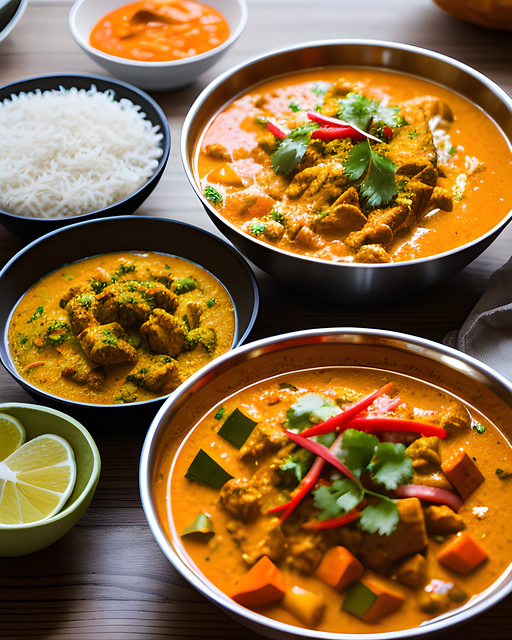
Turmeric, the vibrant yellow-orange spice derived from the rhizome of Curcuma longa, has been a cornerstone of traditional medicine systems for millennia. In contemporary clinical contexts, scientific interest has focused primarily on its most studied bioactive compound: curcumin. This polyphenol is credited with the majority of turmeric's observed biological activities, particularly its potential to modulate inflammatory pathways.
Inflammation is a complex biological response. Acute inflammation is a protective, self-limiting process essential for healing. The clinical concern arises with chronic, low-grade inflammation, which is a known contributor to the pathogenesis of numerous conditions, including metabolic syndrome, cardiovascular disease, and certain autoimmune disorders. The therapeutic goal is not to suppress all inflammation, but to support the body's natural resolution processes and reduce inappropriate chronic inflammatory signaling.
From a mechanistic standpoint, curcumin has been shown in preclinical and some human studies to interact with multiple molecular targets involved in inflammation. Key actions include:
- Inhibition of the nuclear factor-kappa B (NF-κB) pathway, a primary regulator of the expression of pro-inflammatory genes.
- Downregulation of pro-inflammatory cytokines such as tumor necrosis factor-alpha (TNF-α) and interleukins (e.g., IL-1, IL-6).
- Modulation of enzymes like cyclooxygenase-2 (COX-2) and inducible nitric oxide synthase (iNOS).
Clinical Perspective on the Evidence: While laboratory and animal studies are robust, the translation to consistent, high-grade human evidence is more nuanced. Systematic reviews and meta-analyses suggest that curcumin supplementation can lead to statistically significant reductions in systemic inflammatory markers like C-reactive protein (CRP) in specific populations. However, the clinical meaningfulness of these reductions and their long-term impact on disease outcomes require further large-scale, long-duration trials. The evidence is stronger for symptomatic relief in conditions like osteoarthritis than for preventing major chronic diseases.
A critical pharmacokinetic challenge is curcumin's poor oral bioavailability; it is poorly absorbed from the gut, rapidly metabolized, and quickly eliminated. This is a key reason why culinary use of plain turmeric powder may have limited systemic anti-inflammatory effects. Strategies to enhance bioavailability—such as combining it with piperine (from black pepper) or consuming it with dietary fats—are grounded in this pharmacokinetic understanding.
Who should exercise caution? Individuals with gallbladder disease, bile duct obstruction, or those on anticoagulant/antiplatelet medications (e.g., warfarin, clopidogrel) should consult a physician, as curcumin may theoretically exacerbate these conditions. Those with iron deficiency should also be aware that curcumin can chelate iron. As with any dietary change, it is prudent to discuss integration with a healthcare provider, especially for individuals with pre-existing health conditions or who are pregnant or breastfeeding.
2. Mechanisms and Evidence: How Turmeric May Reduce Inflammation
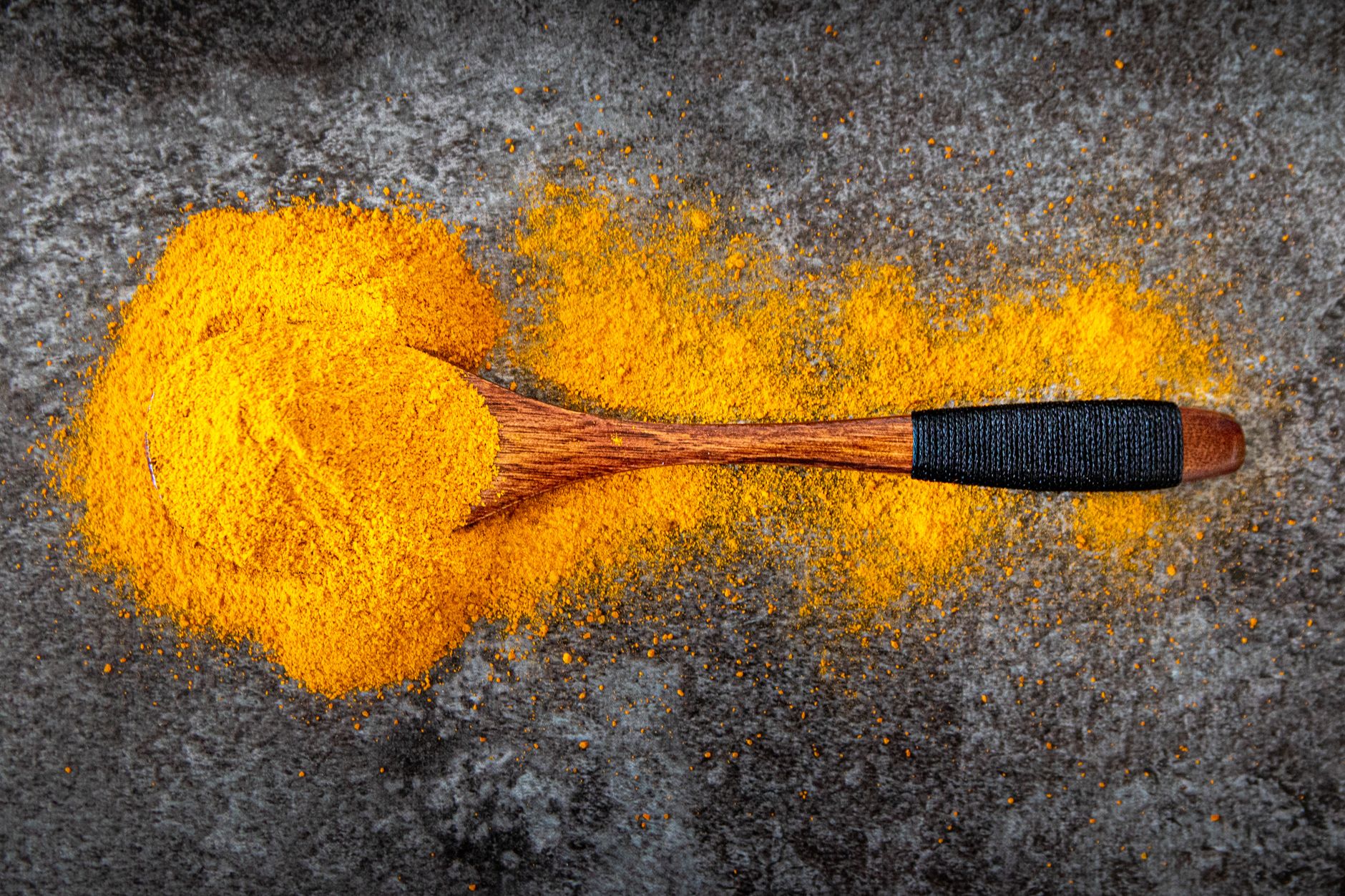
The primary active compound in turmeric, curcumin, is the focus of most scientific inquiry into its anti-inflammatory properties. Its proposed mechanisms are multi-faceted and operate at the molecular level, primarily by modulating key signaling pathways involved in the inflammatory response.
Curcumin is understood to influence several inflammatory mediators:
- NF-κB Pathway: This is a central regulator of genes that produce pro-inflammatory cytokines like TNF-α and interleukins (e.g., IL-1, IL-6). Curcumin appears to inhibit the activation of NF-κB, thereby potentially reducing the production of these inflammatory molecules.
- Enzymatic Activity: Curcumin may suppress the activity of enzymes such as cyclooxygenase-2 (COX-2) and lipoxygenase, which are involved in synthesizing inflammatory prostaglandins and leukotrienes.
- Oxidative Stress: By acting as an antioxidant, curcumin can neutralize free radicals, which are byproducts of metabolism that can exacerbate inflammation and cellular damage.
Clinical Perspective: While the biochemical mechanisms are well-documented in preclinical (cell and animal) studies, translating these effects into consistent, clinically significant outcomes in humans is more complex. Factors like poor bioavailability—curcumin is poorly absorbed and rapidly metabolized—mean that dietary intake alone may not achieve therapeutic blood levels without formulation enhancements (e.g., with piperine from black pepper).
The clinical evidence for turmeric and curcumin in reducing inflammation in humans is promising but mixed. Systematic reviews and meta-analyses suggest potential benefits for conditions like osteoarthritis and metabolic syndrome, where reductions in inflammatory markers like C-reactive protein (CRP) have been observed. However, the evidence is often characterized by:
- Small to moderate-sized clinical trials.
- Short study durations.
- Variability in curcumin formulations and dosages used.
Therefore, while turmeric can be considered a supportive dietary component for general inflammatory health, it should not be viewed as a substitute for conventional medical treatments for chronic inflammatory diseases.
Who Should Exercise Caution: Individuals with gallbladder disease, bile duct obstruction, or those on blood-thinning medications (e.g., warfarin) should consult a physician before significantly increasing turmeric intake, as it may theoretically affect bile flow and platelet aggregation. Those with iron deficiency should also be aware that high doses may interfere with iron absorption. Pregnant and breastfeeding women should limit intake to culinary amounts.
3. Potential Risks and Contraindications: Who Should Avoid Turmeric
While culinary turmeric is generally safe for most people, its active compound, curcumin, and concentrated supplements can pose significant risks for specific populations. A responsible approach requires understanding these contraindications to avoid adverse effects.
Individuals with Specific Medical Conditions
Strong evidence supports caution for people with the following conditions:
- Gallbladder Disease: Turmeric may stimulate bile production, which can worsen symptoms or trigger gallbladder contractions in individuals with gallstones or bile duct obstruction.
- Bleeding Disorders or Upcoming Surgery: Curcumin has demonstrated antiplatelet (blood-thinning) effects in laboratory and some animal studies. This could theoretically increase the risk of bleeding, especially when combined with anticoagulant medications like warfarin, clopidogrel, or aspirin.
- Iron Deficiency Anemia: Some evidence suggests high doses of curcumin may interfere with dietary iron absorption, potentially exacerbating anemia.
Medication Interactions
The risk of drug interactions is a primary concern, particularly with supplements. Curcumin can affect liver enzymes (cytochrome P450) involved in drug metabolism.
- Anticoagulants/Antiplatelets: As noted, concurrent use may increase bleeding risk. Monitoring is essential.
- Diabetes Medications: Curcumin may enhance the effect of drugs like metformin or insulin, potentially leading to hypoglycemia (low blood sugar).
- Acid-Reducing Drugs: Turmeric may increase stomach acid, potentially reducing the effectiveness of medications like omeprazole or cimetidine.
Clinical Insight: The interaction risk with culinary amounts (e.g., 1-2 teaspoons in cooking) is considered low for most individuals. The significant concern arises with high-dose supplements (typically >500 mg curcumin daily). Patients on any long-term medication, especially for chronic conditions, should consult their physician or pharmacist before starting a turmeric supplement regimen.
Other Populations to Exercise Caution
Evidence is more preliminary or theoretical for these groups, but prudence is advised:
- Pregnancy and Breastfeeding: While culinary use in food is likely safe, medicinal amounts should be avoided due to insufficient safety data and potential uterine-stimulating effects.
- Gastrointestinal Issues: High doses may cause gastrointestinal upset, including nausea, diarrhea, or acid reflux, particularly in individuals with GERD or sensitive stomachs.
- Kidney Stones: Turmeric is moderately high in oxalates, which can contribute to kidney stone formation in susceptible individuals.
The key takeaway is that incorporating turmeric into meals is safe for the vast majority. However, self-prescribing high-dose supplements without professional guidance, especially for those with pre-existing conditions or on medications, is not clinically advisable.
4. Practical Integration: Tips for Adding Turmeric to Your Diet
Integrating turmeric into your daily meals can be a practical and sustainable approach to potentially modulating inflammatory pathways. The primary goal is consistent, moderate consumption paired with strategies to enhance the bioavailability of its key bioactive compound, curcumin.
Maximizing Absorption and Efficacy
Curcumin is notoriously poorly absorbed by the body. To address this, pair turmeric with black pepper. Piperine, a compound in black pepper, can inhibit the metabolic breakdown of curcumin, potentially increasing its bioavailability by up to 2000%. Furthermore, curcumin is fat-soluble, so consuming it with a healthy fat source (e.g., olive oil, avocado, nuts, or full-fat dairy/yogurt) can significantly improve absorption.
Clinical Insight: While the piperine effect is well-documented in pharmacokinetic studies, its real-world impact on clinical anti-inflammatory outcomes in a dietary context is less clear. The strategy is low-risk for most, but the emphasis should be on dietary synergy—combining turmeric with fats and pepper as part of a balanced meal—rather than expecting a dramatic standalone effect.
Simple Dietary Incorporation Strategies
Start with small amounts (e.g., ¼ to ½ teaspoon daily) to assess tolerance, as it can cause mild gastrointestinal upset in some individuals. Consider these straightforward methods:
- Golden Milk or Latte: Whisk ½ tsp turmeric and a pinch of black pepper into warm milk (dairy or plant-based) with a small amount of healthy fat like coconut oil.
- Seasoning Blends: Add turmeric to rubs for roasted vegetables, chicken, tofu, or legumes. It complements cauliflower, potatoes, lentils, and rice dishes well.
- Soups and Stews: Stir turmeric into broths, lentil soup, or vegetable stews during cooking.
- Dressings and Sauces: Blend turmeric into vinaigrettes, hummus, or yogurt-based sauces.
Important Cautions and Considerations
While dietary turmeric is generally recognized as safe, certain individuals should exercise caution. Turmeric may have mild blood-thinning properties and could interact with anticoagulant medications like warfarin. It may also stimulate gastric acid production, potentially aggravating conditions like GERD or ulcers. Individuals with gallbladder disease, bile duct obstruction, or those preparing for surgery should consult a physician before significantly increasing intake. The evidence for turmeric's anti-inflammatory effects in humans is promising but mixed, often relying on high-dose, standardized extracts rather than culinary amounts. Dietary integration should be viewed as a complementary component of an overall anti-inflammatory lifestyle, not a substitute for medical treatment.
5. When to Consult a Healthcare Provider: Safety First

While incorporating turmeric into your diet is generally considered safe for most people, it is not a benign substance. Its bioactive compounds, particularly curcumin, can interact with physiological processes and medications. A proactive, safety-first approach is essential to ensure this dietary strategy supports, rather than complicates, your overall health.
You should consult a physician or a registered dietitian before significantly increasing your turmeric intake if any of the following apply to you:
- You are taking prescription medications. Turmeric may interact with drugs metabolized by the liver, such as blood thinners (e.g., warfarin, clopidogrel), antiplatelet drugs, and certain antidepressants. It can also affect the metabolism of some chemotherapy agents. Concurrent use could increase the risk of bleeding or alter drug efficacy.
- You have a diagnosed medical condition. Individuals with gallbladder disease, bile duct obstruction, gastroesophageal reflux disease (GERD), or kidney stones should exercise caution, as turmeric can stimulate bile production and may exacerbate symptoms. Those with hormone-sensitive conditions (e.g., certain cancers, endometriosis) should also discuss use with a provider, as curcumin may have mild estrogenic effects.
- You are preparing for surgery. Due to its potential antiplatelet effects, you should discontinue high-dose turmeric supplements at least two weeks before any scheduled surgical procedure to minimize bleeding risk.
- You are pregnant or breastfeeding. While culinary amounts of turmeric in food are likely safe, high-dose supplementation is not recommended due to a lack of sufficient safety data. Professional guidance is advised.
Clinical Perspective: In practice, the primary concern with dietary turmeric is rarely toxicity from the spice itself, but rather its potential to interfere with existing medical management. Patients often do not consider spices and herbs when listing their medications. It is crucial to inform your healthcare provider about all dietary supplements and significant dietary changes, including regular, high culinary use of turmeric. This allows for a comprehensive review of potential interactions and ensures coordinated care.
Finally, maintain realistic expectations. The evidence for turmeric's anti-inflammatory effects is promising but comes primarily from laboratory studies and clinical trials using highly bioavailable, standardized curcumin extracts—not typical culinary doses. Dietary turmeric should be viewed as one component of a broader, evidence-based anti-inflammatory lifestyle, not a standalone treatment for chronic inflammatory conditions. If you are considering turmeric specifically to manage a diagnosed condition like osteoarthritis or inflammatory bowel disease, a consultation with your specialist is non-negotiable to integrate it safely into your treatment plan.
6. Questions & Expert Insights
How much turmeric should I take daily to reduce inflammation?
There is no universally established "therapeutic dose" for turmeric in food, as effects depend heavily on the curcumin content and its absorption. Clinical trials investigating anti-inflammatory effects typically use standardized curcumin extracts in doses ranging from 500 mg to 2,000 mg per day, far exceeding what is consumed in culinary amounts. Integrating 1-2 teaspoons (roughly 3-6 grams) of turmeric powder into daily meals is a reasonable culinary goal. However, it is crucial to pair it with black pepper (containing piperine) and a healthy fat (like olive or coconut oil) to significantly enhance curcumin bioavailability. View dietary turmeric as a supportive component of an overall anti-inflammatory diet, not a standalone treatment.
What are the risks or side effects of consuming turmeric daily, and who should avoid it?
While culinary use is generally safe for most, higher intakes or supplement use carry notable risks. Turmeric can act as a blood thinner, potentially increasing bleeding risk, especially when combined with medications like warfarin, clopidogrel, or aspirin. It may also stimulate stomach acid production, aggravating GERD or ulcers. Crucially, individuals with the following conditions should exercise extreme caution and consult a doctor: those with gallbladder disease (it can trigger contractions), kidney stones (high in oxalates), iron deficiency anemia (can inhibit iron absorption), and those preparing for surgery. Pregnant women should avoid medicinal doses due to potential uterine stimulant effects.
When should I talk to my doctor about using turmeric for inflammation, and what should I discuss?
You should consult a healthcare provider before significantly increasing turmeric intake if you have any chronic health condition, are taking medications, or are considering high-dose supplements. Key topics for the conversation include: 1) Your specific inflammatory condition and diagnosis, 2) A complete list of all medications and supplements (especially blood thinners, diabetes drugs, or acid-reducers), 3) Any history of kidney stones, gallbladder issues, or bleeding disorders. Bring the specific product label if discussing a supplement. This allows your doctor to assess potential interactions and determine if turmeric is an appropriate adjunct to your current treatment plan, not a replacement for it.
Is the anti-inflammatory effect of dietary turmeric strongly proven by science?
The evidence is promising but nuanced. Extensive in vitro (lab) and animal studies demonstrate potent anti-inflammatory mechanisms for curcumin. Human clinical trials, however, show mixed results, largely due to curcumin's poor bioavailability. High-quality, bioavailable curcumin supplements have shown statistically significant reductions in inflammatory markers (like CRP) and symptom improvement in conditions like osteoarthritis and metabolic syndrome in numerous randomized controlled trials. The evidence for the amount of turmeric used solely in cooking providing a clinically significant anti-inflammatory effect is weaker and more indirect. It is considered a supportive element within dietary patterns like the Mediterranean diet, which have strong evidence for reducing systemic inflammation.
7. In-site article recommendations
8. External article recommendations
9. External resources
The links below point to reputable medical and evidence-based resources that can be used for further reading. Always interpret them in the context of your own situation and your clinician’s advice.
-
drugs drugs.comturmeric – Drugs.com (search)
-
healthline healthline.comturmeric – Healthline (search)
-
mayoclinic mayoclinic.orgturmeric – Mayo Clinic (search)
These external resources are maintained by third-party organisations. Their content does not represent the editorial position of this site and is provided solely to support readers in accessing additional professional information.