
1. Introduction to Combining Mediterranean Diet and Strength Training
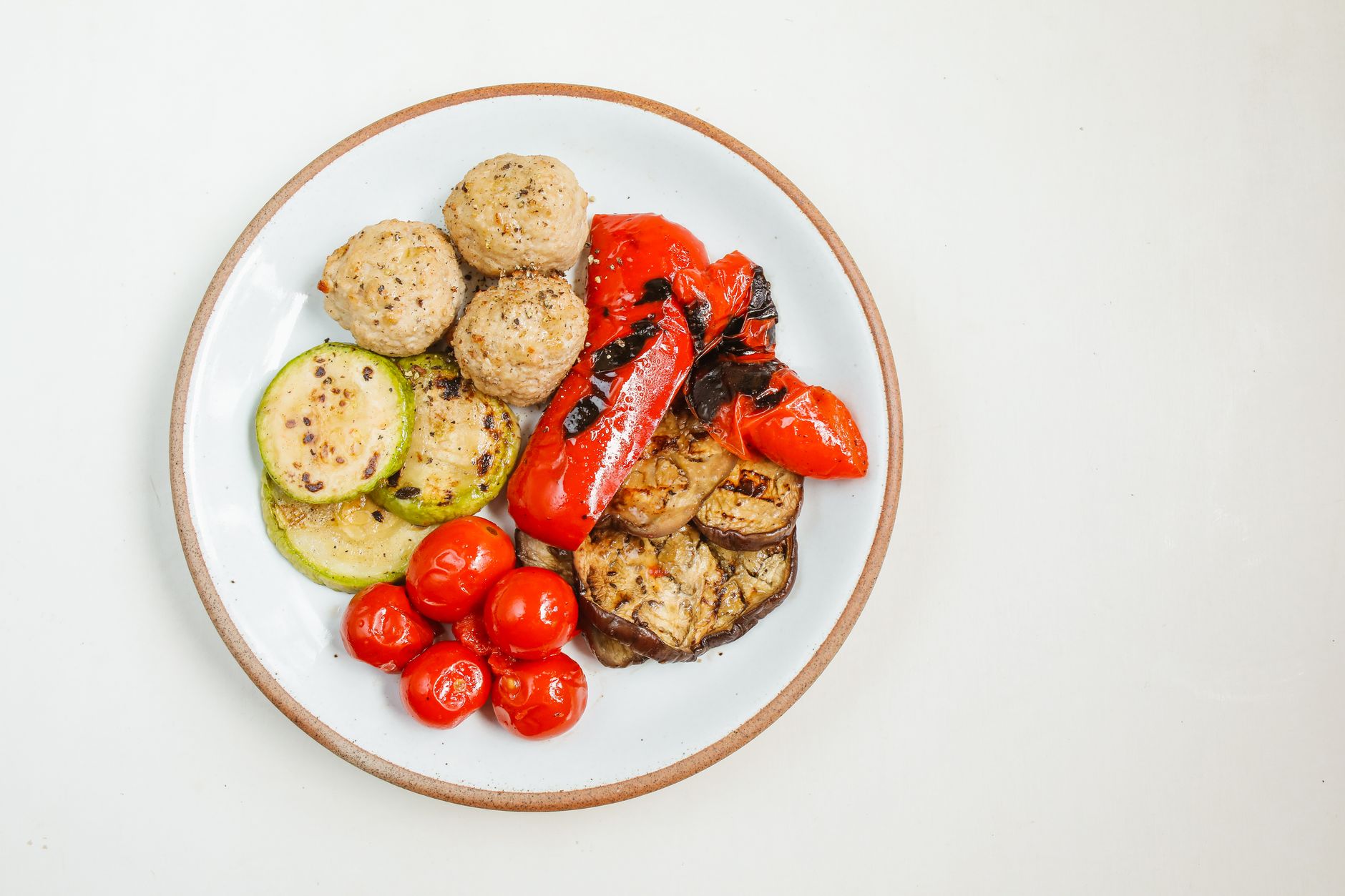
This chapter explores the foundational principles of integrating the Mediterranean diet with structured strength training. The goal is to understand how these two evidence-based lifestyle interventions can work synergistically to promote health, rather than viewing them as separate entities. The Mediterranean diet is characterized by a high intake of plant-based foods, healthy fats, and lean proteins, while strength training provides the mechanical stimulus for musculoskeletal adaptation.
Individually, both components have robust scientific support. The Mediterranean diet is strongly associated with reduced risks of cardiovascular disease, type 2 diabetes, and certain cancers. Concurrently, resistance exercise is well-established for improving muscle mass, bone density, metabolic rate, and functional independence. The rationale for their combination lies in addressing multiple physiological pathways simultaneously: nutrition provides the substrate for repair and energy, while training creates the demand for that substrate.
Key potential synergistic benefits include:
- Enhanced Body Composition: Adequate protein and energy from the diet can support muscle protein synthesis stimulated by resistance training, potentially improving the ratio of lean mass to fat mass.
- Improved Metabolic Health: The anti-inflammatory and insulin-sensitizing effects of the diet may complement the improvements in glucose disposal and lipid metabolism induced by exercise.
- Support for Training Adaptation & Recovery: The diet's emphasis on antioxidants and phytonutrients may help modulate exercise-induced oxidative stress, while its carbohydrate content can replenish muscle glycogen.
It is important to note that while the mechanistic rationale is strong, direct, long-term clinical trials specifically on this combined protocol are more limited. Most evidence is extrapolated from studies of each component separately or from smaller, shorter-term interventions.
Clinical Consideration: Individuals with specific health conditions should seek personalized advice. Those with kidney disease may need to modify protein intake; individuals with unstable cardiovascular conditions, severe osteoporosis, or recent musculoskeletal injuries require physician clearance before initiating strength training. This approach is not a substitute for medical treatment.
A balanced integration focuses on aligning dietary patterns with training demands—such as timing carbohydrate and protein intake around workouts—without promoting restrictive or extreme behaviors. The following chapters will provide practical, evidence-informed strategies for this integration.
2. Evidence-Based Mechanisms and Synergistic Effects

The combination of a Mediterranean diet and regular strength training is not merely additive; it creates a synergistic effect where the whole is greater than the sum of its parts. This synergy is supported by converging biological mechanisms that enhance metabolic health, body composition, and functional capacity.
Mechanisms of Action
The Mediterranean diet provides a substrate and signaling environment that optimizes the body's response to resistance exercise. Key mechanisms include:
- Enhanced Muscle Protein Synthesis: The diet's emphasis on high-quality plant and marine proteins, coupled with the anti-inflammatory effects of polyphenols and omega-3 fatty acids, may improve muscle sensitivity to anabolic stimuli and reduce exercise-induced muscle damage.
- Improved Insulin Sensitivity: The high fiber and healthy fat content of the diet stabilizes blood glucose. When combined with the glucose-disposal effects of increased muscle mass from strength training, this creates a powerful dual-action approach to improving metabolic health.
- Reduction of Systemic Inflammation: Chronic low-grade inflammation impedes recovery and adaptation. The anti-inflammatory nutrients in the Mediterranean diet (e.g., from olive oil, fatty fish, nuts, and colorful vegetables) help create a physiological environment more conducive to muscle repair and growth post-exercise.
Evidence for Synergy
Strong evidence from randomized controlled trials supports this combination for improving body composition—specifically, reducing visceral fat while preserving or increasing lean mass—more effectively than either intervention alone. This is a critical outcome for cardiometabolic health and functional independence.
Evidence for synergistic effects on direct measures of strength and power is more preliminary but promising. The theoretical framework is robust, suggesting improved recovery and neural adaptation, but larger, longer-term studies are needed for confirmation.
Clinical Perspective: From a physiological standpoint, this combination addresses both the "building blocks" (diet) and the "building signal" (exercise). The diet supplies quality nutrients and reduces background noise (inflammation), allowing the anabolic signal from strength training to be heard more clearly by muscle tissue. This is why the pairing is particularly effective for conditions like sarcopenia and metabolic syndrome.
Important Considerations: Individuals with chronic kidney disease should consult a physician or dietitian to tailor protein sources and intake. Those new to strength training, especially with underlying cardiovascular or musculoskeletal conditions, should seek guidance from a qualified professional to ensure safe technique and programming.
3. Risks, Contraindications, and At-Risk Populations

While the combined approach of a Mediterranean diet and strength training is broadly safe and beneficial, it is not without potential risks or contraindications. A clinically responsible plan requires identifying individuals for whom standard recommendations may need significant modification or medical supervision.
Nutritional and Dietary Considerations
The Mediterranean diet emphasizes whole foods, healthy fats, and complex carbohydrates. However, certain conditions necessitate caution:
- Kidney Disease: Individuals with chronic kidney disease (CKD), especially advanced stages, must manage protein, potassium, and phosphorus intake. A standard strength training protocol often increases protein needs, while the diet is rich in potassium (from fruits, vegetables, nuts). Medical and dietetic guidance is essential to tailor both components.
- Gallbladder Disease: The diet's higher fat content, primarily from olive oil and nuts, may provoke symptoms in those with active gallbladder disease or who have had a cholecystectomy, requiring a gradual introduction and monitoring.
- History of Eating Disorders: The focus on "healthy" foods and structured exercise can potentially trigger restrictive or obsessive behaviors in susceptible individuals. A less prescriptive, therapeutic approach is needed.
Exercise-Related Risks and Contraindications
Strength training, while adaptable, carries inherent risks that are magnified in specific populations.
- Uncontrolled Hypertension or Cardiovascular Disease: Heavy lifting can cause acute, dramatic spikes in blood pressure. Individuals with uncontrolled hypertension, unstable angina, recent cardiac event, or severe aortic stenosis should avoid vigorous resistance training until medically cleared and should focus on very light resistance.
- Severe Osteoporosis: While weight-bearing exercise is generally protective, high-impact movements or exercises with a high risk of falling (e.g., overhead lifts with free weights) may be contraindicated. A program focusing on balance, stability, and controlled resistance is safer.
- Active Joint Injury or Inflammation: Training through pain can exacerbate conditions like tendonitis, arthritis flares, or acute musculoskeletal injuries. Modifying exercise selection and load is critical.
Clinical Insight: The greatest risk often lies not in the individual components but in an overly aggressive implementation. A common error is rapidly increasing training volume while simultaneously creating a significant calorie deficit, leading to excessive fatigue, impaired recovery, and increased injury risk. The synergy of diet and exercise must be built gradually, with adequate energy intake to support the new physical demands. Anyone with a pre-existing chronic medical condition, those taking multiple medications (polypharmacy), pregnant individuals, and older adults with frailty should consult a physician and relevant specialist (e.g., cardiologist, registered dietitian, physical therapist) before beginning.
In summary, the evidence strongly supports the benefits of this combined lifestyle approach for the general population. However, its application requires prudent individualization, recognizing that "optimization" for one person may constitute a risk for another.
4. Practical Implementation and Evidence-Based Guidelines
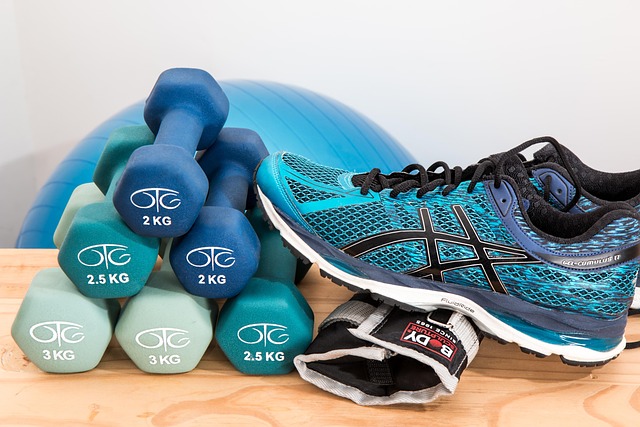
Successfully integrating the Mediterranean diet with a strength training regimen requires a structured, evidence-based approach. The synergy between these two pillars is well-supported by research, showing combined benefits for body composition, metabolic health, and functional independence that exceed either intervention alone.
Structuring Your Weekly Routine
For most adults, a balanced weekly plan is foundational. Strong evidence supports the following frequency:
- Strength Training: 2-3 non-consecutive days per week, focusing on major muscle groups (legs, back, chest, shoulders).
- Mediterranean Diet Adherence: Daily, with an emphasis on consistency over perfection.
Schedule training sessions on days when you can plan a post-workout meal rich in protein and complex carbohydrates, such as grilled fish with quinoa and roasted vegetables.
Nutritional Timing and Composition
While the overall dietary pattern is more critical than precise timing, some practical strategies can optimize recovery and performance:
- Pre-Workout (1-3 hours prior): A small meal or snack with complex carbs and a modest amount of protein (e.g., Greek yogurt with berries).
- Post-Workout (within 2 hours): Prioritize a meal combining protein (e.g., lean poultry, legumes, fatty fish) and carbohydrates (e.g., whole grains, sweet potato) to support muscle repair and replenish glycogen stores.
- Daily Focus: Ensure adequate overall protein intake (approximately 1.2-2.0 g/kg of body weight, as supported by evidence for active individuals), primarily from Mediterranean sources like fish, poultry, legumes, and nuts.
Clinical Insight: The evidence for precise nutrient timing is mixed and less critical for general health than consistent adherence to the diet and training program. The primary goal is to meet weekly nutritional and activity targets. Individuals with specific performance goals may benefit from more tailored timing.
Important Considerations and Cautions
This combined approach is generally safe for the general population. However, certain individuals should proceed with caution or consult a healthcare professional before beginning:
- Those with chronic conditions (e.g., cardiovascular disease, diabetes, kidney impairment).
- Individuals with musculoskeletal injuries or joint problems.
- Older adults or those completely new to strength training, who may benefit from supervised instruction.
- Pregnant or breastfeeding individuals, who require tailored nutritional and exercise guidance.
Start gradually, prioritize proper form over lifted weight, and view dietary choices as a sustainable pattern rather than a restrictive regimen. This long-term perspective is key to realizing the documented synergistic benefits.
5. Safety Monitoring and Indications for Medical Consultation

While the combined approach of a Mediterranean diet and strength training is widely supported by evidence for improving metabolic health and longevity, it is not without potential risks. A proactive safety monitoring plan is essential to ensure the regimen is both effective and safe for the individual.
Key parameters to monitor include:
- Musculoskeletal Feedback: Pay close attention to joint pain, persistent muscle soreness lasting more than 72 hours, or any sharp, shooting pains. These can indicate overtraining, improper form, or an underlying condition.
- Nutritional Adequacy: Ensure the diet provides sufficient energy (calories) and protein to support recovery from training. Signs of underfueling include chronic fatigue, poor workout performance, unintended weight loss, and, in women, menstrual irregularities.
- Hydration and Electrolytes: Increased activity and a diet high in fiber and potassium-rich foods necessitate adequate fluid and electrolyte intake. Monitor for signs of dehydration or electrolyte imbalance, such as dizziness, muscle cramps, or significant changes in urine color.
Clinical Perspective: From a medical standpoint, the greatest risk often lies in the transition phase. A sudden, significant increase in training volume or intensity coupled with a major dietary shift can stress the cardiovascular, renal, and musculoskeletal systems. A gradual, phased approach under guidance is the cornerstone of safety.
Indications for Medical Consultation
Certain individuals should consult a physician or relevant specialist (e.g., cardiologist, endocrinologist, registered dietitian) before initiating this combined protocol. This is strongly advised for those with:
- Known cardiovascular, kidney, or liver disease.
- Diagnosed diabetes or significant metabolic disorders.
- A history of orthopedic injuries, joint problems, or osteoporosis.
- Current pregnancy or lactation.
- A complex medication regimen, especially for blood pressure, diabetes, or blood thinning.
- A history of or current eating disorder.
Furthermore, seek prompt medical advice if you experience any of the following after starting the program: chest pain or pressure, severe shortness of breath, palpitations, fainting, severe or worsening joint pain, or signs of severe nutritional deficiency (e.g., extreme fatigue, hair loss). The evidence for the benefits of this lifestyle combination is robust, but its application must be individualized with clinical oversight where necessary.
6. Questions & Expert Insights
Can combining the Mediterranean diet with strength training accelerate fat loss?
This combination is highly effective for body composition changes, but "accelerate" requires nuance. The Mediterranean diet provides a sustainable, nutrient-dense caloric framework that supports energy for training and recovery. Strength training builds metabolically active lean muscle mass, which can modestly increase your resting metabolic rate over time. The synergy lies in muscle preservation during a caloric deficit; the diet supports this with adequate protein (from fish, legumes, dairy) and the training stimulates it. However, fat loss speed is ultimately governed by a sustained, moderate caloric deficit. This approach optimizes the quality of weight loss—promoting more fat loss and less muscle loss—rather than drastically speeding it up. Rapid fat loss strategies often lead to muscle loss and rebound, which this combined protocol helps prevent.
What are the main risks or downsides, and who should be cautious?
While generally safe, specific considerations exist. For strength training, improper form or progressing too quickly raises injury risk. The Mediterranean diet's high fiber content can cause initial digestive discomfort. More serious concerns involve specific populations. Individuals with chronic kidney disease may need to modify the diet's typically high potassium (from fruits, vegetables) and phosphorus (from nuts, legumes) intake. Those with a history of disordered eating should approach any structured dietary and exercise plan cautiously. People on blood thinners (e.g., warfarin) must maintain consistent vitamin K intake (from leafy greens) to avoid medication instability. The "healthy fat" emphasis, while beneficial for most, requires careful management for those with gallbladder disease or severe pancreatic conditions.
How do I know if I'm getting enough protein on this diet for muscle building?
This is a common and valid concern, as traditional Mediterranean diet patterns are not explicitly high-protein. For muscle protein synthesis alongside strength training, aim for 1.6 to 2.2 grams of protein per kilogram of body weight daily. You can achieve this by intentionally including a protein source at each meal: Greek yogurt or eggs at breakfast; chicken, fish, or lentils at lunch and dinner. Emphasize lean fish (tuna, cod), poultry, eggs, legumes, and moderate amounts of cheese and yogurt. A 100g serving of grilled chicken breast provides about 30g of protein. Supplementation (e.g., whey or plant-based protein powder) can be a practical tool if whole-food intake is insufficient, but it should not be the foundation. Tracking intake for a few days can provide helpful awareness.
When should I talk to my doctor before starting, and what should I discuss?
Consult a physician or a registered dietitian if you have any chronic medical condition (e.g., diabetes, cardiovascular disease, kidney or liver disease), are pregnant or breastfeeding, take multiple medications, or are new to intense exercise. Before your appointment, prepare to discuss: 1) Your specific goals (e.g., improve strength, manage blood sugar). 2) A sample day of your planned eating, highlighting protein, fiber, and fat sources. 3) Your intended strength training frequency and intensity. 4) Any current symptoms or limitations (like joint pain). Bring your latest lab results if available. This enables your provider to give personalized advice, such as adjusting meal timing for diabetes, monitoring kidney function with higher protein intake, or recommending a cardiac stress test before vigorous training if indicated.
7. In-site article recommendations
8. External article recommendations
9. External resources
The links below point to reputable medical and evidence-based resources that can be used for further reading. Always interpret them in the context of your own situation and your clinician’s advice.
-
mayoclinic mayoclinic.orgMediterranean diet – Mayo Clinic (search)
-
healthline healthline.comMediterranean diet – Healthline (search)
-
wikipedia wikipedia.orgMediterranean diet – Wikipedia (search)
These external resources are maintained by third-party organisations. Their content does not represent the editorial position of this site and is provided solely to support readers in accessing additional professional information.