
1. Introduction to Liver Function and Dietary Support

The liver is the body's primary metabolic and detoxification organ, performing hundreds of vital functions. It processes nutrients from food, synthesizes essential proteins, regulates blood sugar and cholesterol, and filters toxins and metabolic waste from the bloodstream. This constant activity makes its health foundational to overall well-being.
While the term "detox" is often used in popular wellness culture, from a clinical perspective, the liver is continuously self-cleaning. The goal of dietary support is not to "force" a detox but to provide the nutrients required for optimal hepatic function and to reduce the metabolic burden from processed foods, excessive sugars, and alcohol.
Evidence strongly supports that certain dietary patterns and specific nutrients are hepatoprotective. Key mechanisms include:
- Antioxidant Activity: Combating oxidative stress, a key driver of liver cell damage.
- Anti-inflammatory Effects: Modulating inflammatory pathways implicated in fatty liver disease.
- Support for Phase I & II Detoxification Enzymes: Providing co-factors for the liver's intrinsic biotransformation processes.
Foods rich in specific compounds have been studied for liver health:
- Strong Evidence: Coffee is consistently associated with a reduced risk of cirrhosis and liver cancer in epidemiological studies. The Mediterranean diet, high in vegetables, fruits, and healthy fats, is strongly linked to lower risk of non-alcoholic fatty liver disease (NAFLD).
- Supportive but Preliminary Evidence: Specific plant compounds like silymarin (milk thistle), curcumin (turmeric), and catechins (green tea) show promising hepatoprotective effects in cell and animal studies, and some human trials, but larger, long-term clinical studies are needed to confirm optimal dosing and efficacy.
Clinical Perspective: It is crucial to understand that no single food or "detox" regimen can compensate for an otherwise poor diet or reverse significant liver damage. Dietary strategies are most effective as part of a holistic approach that includes maintaining a healthy weight, limiting alcohol, and managing conditions like diabetes. Individuals with diagnosed liver disease (e.g., hepatitis, cirrhosis, advanced NAFLD) or those on multiple medications must consult their hepatologist or physician before making significant dietary changes, as certain supplements and high-dose compounds may interact with medications or be contraindicated.
With this physiological foundation in mind, incorporating nutrient-dense smoothies can be a practical way to deliver a concentrated dose of liver-supportive foods. The following recipes are designed with evidence-based ingredients to complement a balanced diet.
2. Evidence and Mechanisms of Liver-Supportive Nutrients
The concept of "detoxification" is often misunderstood. The liver is the body's primary metabolic and detoxification organ, performing these functions continuously through complex enzymatic pathways. The goal of supportive nutrition is not to "flush" the liver but to provide the micronutrients and phytochemicals it requires to function optimally and to mitigate oxidative stress and inflammation that can impair its processes.
Several nutrients found in common smoothie ingredients have been studied for their hepatoprotective and supportive roles. The evidence varies in strength, primarily derived from cell, animal, and some human observational or interventional studies.
Key Nutrients and Their Proposed Mechanisms
- Antioxidants (Vitamin C, Vitamin E, Flavonoids): Found in citrus, berries, spinach, and kale. They help neutralize free radicals generated during the liver's Phase I detoxification, potentially reducing cellular damage. The evidence for general antioxidant benefit is strong, though specific impacts on liver disease progression are more nuanced.
- Sulforaphane: A compound in cruciferous vegetables like broccoli and kale sprouts. It is a potent inducer of Phase II detoxification enzymes, enhancing the liver's ability to neutralize and excrete certain toxins. Human trials show promise, particularly in markers of toxin excretion, but long-term clinical outcomes require more research.
- Chlorophyllin (from leafy greens): Preliminary research suggests it may bind to certain dietary toxins, potentially reducing their absorption and the metabolic burden on the liver. This is considered supportive evidence, not a standalone therapy.
- Dietary Fiber (Soluble): Present in fruits like apples, pears, and berries. Fiber supports gut health and may aid in the excretion of waste products and toxins processed by the liver via enterohepatic circulation.
Clinical Perspective: It is crucial to frame these nutrients as components of a consistent, whole-foods dietary pattern, not as acute "detox" agents. For individuals with established liver conditions (e.g., NAFLD, hepatitis, cirrhosis), dietary changes should be supervised by a physician or dietitian. Furthermore, "detox" regimens can be dangerous for individuals with kidney disease, electrolyte imbalances, or a history of eating disorders.
In summary, a smoothie rich in diverse fruits and vegetables can be a practical vehicle for delivering a spectrum of liver-supportive compounds. The strongest evidence supports the general benefit of a high-antioxidant, high-phytonutrient diet for overall metabolic health, which includes liver function. These smoothies are best viewed as one element of a broader healthy lifestyle, not a medical treatment.
3. Risks, Contraindications, and Populations to Avoid
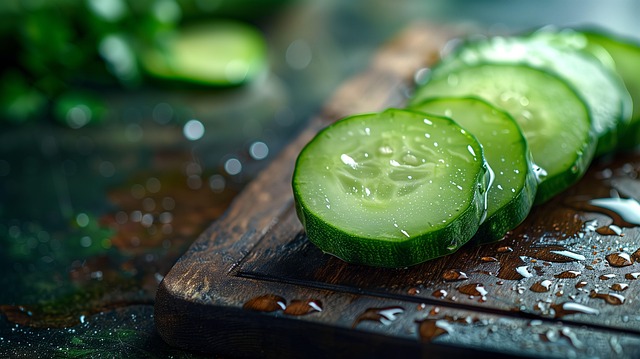
While incorporating nutrient-dense smoothies into a balanced diet can be a positive step, the concept of "detoxification" for liver health requires careful, evidence-based scrutiny. The liver is a highly efficient organ that performs complex metabolic detoxification processes continuously. No specific food or drink can "detox" or "cleanse" it beyond its normal physiological function. The primary value of these recipes lies in providing bioavailable vitamins, antioxidants, and fiber that support overall metabolic health, which indirectly benefits liver function.
It is crucial to understand the potential risks and contraindications associated with high-intake dietary changes, even with seemingly healthy ingredients.
Specific Populations to Exercise Caution or Avoid
- Individuals with Chronic Kidney Disease (CKD): Smoothies high in potassium (from spinach, kale, bananas) or phosphorus can be dangerous for those with impaired kidney function, potentially leading to hyperkalemia.
- Those with Known Oxalate Kidney Stones: Greens like spinach and Swiss chard are high in oxalates. Concentrated consumption may increase the risk of stone formation in susceptible individuals.
- People with Diabetes or Prediabetes: Even without added sugar, smoothies can contain a high glycemic load from fruits and fruit juices, causing rapid spikes in blood glucose. Careful portion control and ingredient selection are essential.
- Individuals on Certain Medications: High vitamin K intake from leafy greens can interfere with the efficacy of blood thinners like warfarin. Grapefruit and its juice, a common smoothie ingredient, can dangerously interact with a wide range of medications, including statins, some blood pressure drugs, and immunosuppressants, by inhibiting their metabolism.
- People with Gastrointestinal Disorders: A sudden high intake of fiber or specific compounds like FODMAPs (found in mango, apple, certain sweeteners) can exacerbate symptoms of IBS, Crohn's disease, or ulcerative colitis.
- Those with a History of Eating Disorders: Framing foods as "detoxifying" or "cleansing" can reinforce harmful, restrictive eating patterns and should be avoided.
Clinical Perspective: From a hepatology standpoint, the most significant risk is the potential for delay in seeking appropriate medical care. Relying on "detox" regimens can lead individuals with undiagnosed liver conditions (like NAFLD, hepatitis, or cirrhosis) to postpone essential diagnosis and treatment. No smoothie can treat liver disease. Furthermore, "detox" claims are not regulated and often lack robust scientific backing. The safest approach is to view these recipes as part of a varied, whole-foods diet, not as a therapeutic intervention.
Key Takeaway: Before making significant dietary changes, especially if you have a pre-existing health condition or take regular medication, consult with a physician or a registered dietitian. They can provide personalized advice that considers your full medical history and ensures any dietary strategy is safe and appropriate for you.
4. Practical Takeaways for Balanced Smoothie Integration

Integrating nutrient-dense smoothies into your routine can be a supportive dietary strategy, but it should be approached with balance and realistic expectations. The goal is to use them as a tool to enhance an overall healthy diet, not as a standalone "detox" or cure-all. The evidence for specific "liver detox" foods is often preliminary, derived from animal or in-vitro studies. However, the broader principle of consuming a diet rich in antioxidants, fiber, and anti-inflammatory compounds is strongly supported for promoting metabolic health and liver function.
For balanced integration, consider these practical guidelines:
- Position as a Meal or Snack: Treat your smoothie as a complete meal replacement or substantial snack. Ensure it contains a balance of macronutrients: fiber from vegetables and low-glycemic fruits, healthy fats (e.g., avocado, chia seeds, nut butter), and a protein source (e.g., plain Greek yogurt, plant-based protein powder, hemp seeds). This promotes satiety and helps stabilize blood sugar.
- Frequency and Variety: One smoothie per day, typically for breakfast or as a post-workout refuel, is a reasonable frequency. Avoid replacing all solid meals. Crucially, rotate your ingredients weekly to ensure a diverse intake of phytonutrients and to prevent potential nutrient imbalances or food sensitivities.
- Mind the Sugar Content: This is a critical clinical consideration. Prioritize vegetables (like spinach, kale, cucumber) and low-sugar fruits (like berries) as the base. Limit high-glycemic fruits (mango, pineapple, banana) to small portions. Avoid adding sweeteners like honey, agave, or fruit juices.
Clinical Perspective: From a hepatology standpoint, no smoothie can "cleanse" a liver that is fundamentally healthy; the organ performs this function continuously. The value lies in reducing the liver's toxic load by displacing processed foods and excess sugars with whole-food nutrients. For patients with existing liver conditions (e.g., NAFLD, cirrhosis), dietary changes must be medically supervised, and high-vitamin K content from greens may interact with anticoagulant therapy.
Who Should Exercise Caution: Individuals with kidney disease need to be mindful of high-potassium ingredients (e.g., spinach, banana). Those with diabetes must carefully account for the carbohydrate content in their meal plan. People with fructose malabsorption or IBS may need to modify ingredients like apple, mango, or high-FODMAP foods. Anyone with a history of eating disorders should avoid meal-replacement protocols. As always, consult your physician or a registered dietitian before making significant dietary changes, especially if you have a chronic health condition or are on medication.
The most sustainable approach is to view these smoothies as one component of a consistent, whole-foods diet, adequate hydration, regular physical activity, and other lifestyle factors proven to support hepatic and overall health.
5. Safety Considerations and Indicators for Medical Consultation

Incorporating nutrient-dense smoothies into your diet can be a supportive component of a healthy lifestyle. However, the concept of "detoxification" requires careful, evidence-based framing. The human liver is a highly efficient organ that performs complex biochemical detoxification continuously. While certain foods provide nutrients that support these enzymatic pathways, no single food or drink can "flush" or "cleanse" the liver beyond its innate capacity. The primary evidence for ingredients like cruciferous vegetables (e.g., kale) and berries relates to their provision of antioxidants and phytonutrients, which may help mitigate oxidative stress—a factor in liver health. Claims of rapid or dramatic detox effects are not supported by robust clinical data.
It is essential to approach these recipes with an understanding of individual health contexts. Certain populations should exercise particular caution or consult a healthcare professional before making significant dietary changes:
- Individuals with Kidney Impairment: Smoothies high in potassium (e.g., from spinach, bananas) or oxalates (e.g., from beets, spinach) may need to be moderated for those with chronic kidney disease.
- Those on Specific Medications: High vitamin K content from leafy greens can interfere with anticoagulants like warfarin. Compounds in grapefruit and certain herbs can affect the metabolism of many prescription drugs.
- People with Known Liver Disease: Anyone with a diagnosed condition such as cirrhosis, hepatitis, or fatty liver disease must have dietary modifications supervised by their hepatologist or dietitian, as protein, sugar, and fluid intake require precise management.
- Individuals with Blood Sugar Disorders: Even natural sugars from fruits can cause significant glucose spikes. People with diabetes or insulin resistance should carefully account for carbohydrate content and consider pairing smoothies with a source of protein or healthy fat.
- Those with Food Allergies or Sensitivities: Always check ingredients for potential allergens like nuts (in nut butters or milks) or seeds.
Clinical Perspective: From a medical standpoint, "detox" regimens carry risk if they lead to extreme calorie restriction, nutrient imbalances, or the false reassurance that lifestyle choices like excessive alcohol consumption can be offset by a "cleanse." Sustainable liver health is founded on consistent habits: maintaining a healthy weight, limiting alcohol, avoiding hepatotoxic substances, and eating a balanced, whole-food diet. Smoothies can be a convenient vehicle for vegetables and fruits within that framework, but they are not a substitute for medical treatment.
Indicators for Medical Consultation: You should seek advice from a physician or a registered dietitian before starting any new dietary regimen if you have a pre-existing medical condition, are pregnant or breastfeeding, are taking multiple medications, or have a history of disordered eating. Furthermore, discontinue use and consult a doctor if you experience any adverse symptoms after consumption, such as severe abdominal pain, allergic reactions, or unexplained changes in bowel habits or urine color.
6. Questions & Expert Insights
Can a detox smoothie actually "cleanse" or "detoxify" my liver?
The term "detox" is often used loosely in wellness circles. From a clinical perspective, the liver is your body's primary detoxification organ, continuously processing toxins for elimination via complex enzymatic pathways. No food or drink can perform an external "cleanse" of this internal system. However, certain nutrients found in smoothie ingredients can support hepatic function. For example, antioxidants like vitamin C (from citrus, berries) and glutathione precursors (from spinach, avocado) help combat oxidative stress in liver cells. Cruciferous vegetables (like kale) contain compounds like sulforaphane that may support Phase II detoxification enzymes. The benefit lies in providing nutritional support for the liver's own processes, not in performing a detox for it. The evidence for specific food-based "detoxes" is often preliminary or based on animal studies.
Who should be cautious or avoid liver-focused detox smoothies?
While generally safe for most healthy individuals, certain populations should exercise significant caution or avoid these regimens entirely. Individuals with kidney disease need to monitor potassium and oxalate intake from high amounts of spinach, kale, and bananas. Those with diabetes or prediabetes must account for the carbohydrate and sugar content of fruits and juices to avoid blood sugar spikes. People on blood-thinning medications (e.g., warfarin) must maintain consistent vitamin K intake; suddenly consuming large amounts of kale or spinach can interfere with medication efficacy. Anyone with a history of eating disorders should avoid any protocol framed as a "cleanse" or "detox." Furthermore, individuals with known liver disease (e.g., cirrhosis, hepatitis) must never self-prescribe dietary interventions without direct supervision from their hepatologist.
When should I talk to my doctor about liver health and diet, and what should I bring to the appointment?
Consult a physician or a registered dietitian if you have any underlying health condition (as noted above), experience unexplained symptoms (persistent fatigue, jaundice, abdominal pain), or are considering a significant, sustained dietary change. Before the appointment, prepare a 3-day food diary detailing everything you eat and drink, including portion sizes. Bring a complete list of all medications and supplements, including dosages. Be ready to discuss your specific goals (e.g., "I want to support my liver health because of a family history of fatty liver disease") rather than vague desires to "detox." This information allows your provider to assess nutritional adequacy, identify potential interactions, and tailor evidence-based advice to your personal health profile, which is far safer and more effective than following generic online plans.
Are green smoothies with lots of leafy greens safe to consume daily?
For most people, consuming a daily green smoothie as part of a balanced diet is safe and can be a convenient way to increase vegetable intake. However, "more" is not always better in nutrition. Very high, chronic intake of raw leafy greens like spinach and Swiss chard, which are high in oxalates, can contribute to kidney stone formation in susceptible individuals. Blending breaks down cell walls, making certain nutrients more bioavailable, but it also rapidly releases sugars. It's crucial to prioritize vegetables over fruits to manage the glycemic load. Rotating your greens (e.g., using romaine, cucumber, or celery some days) can help mitigate the risk of overconsuming any one compound. The fiber in smoothies is beneficial, but note that blending reduces the mechanical chewing process, which may slightly affect satiety signals compared to eating whole vegetables.
7. In-site article recommendations
8. External article recommendations
9. External resources
The links below point to reputable medical and evidence-based resources that can be used for further reading. Always interpret them in the context of your own situation and your clinician’s advice.
-
examine examine.comdetox smoothies – Examine.com (search)
-
mayoclinic mayoclinic.orgdetox smoothies – Mayo Clinic (search)
-
drugs drugs.comdetox smoothies – Drugs.com (search)
These external resources are maintained by third-party organisations. Their content does not represent the editorial position of this site and is provided solely to support readers in accessing additional professional information.