
1. Introduction to Targeted Exercise and Short Cleanses for Abdominal Slimming
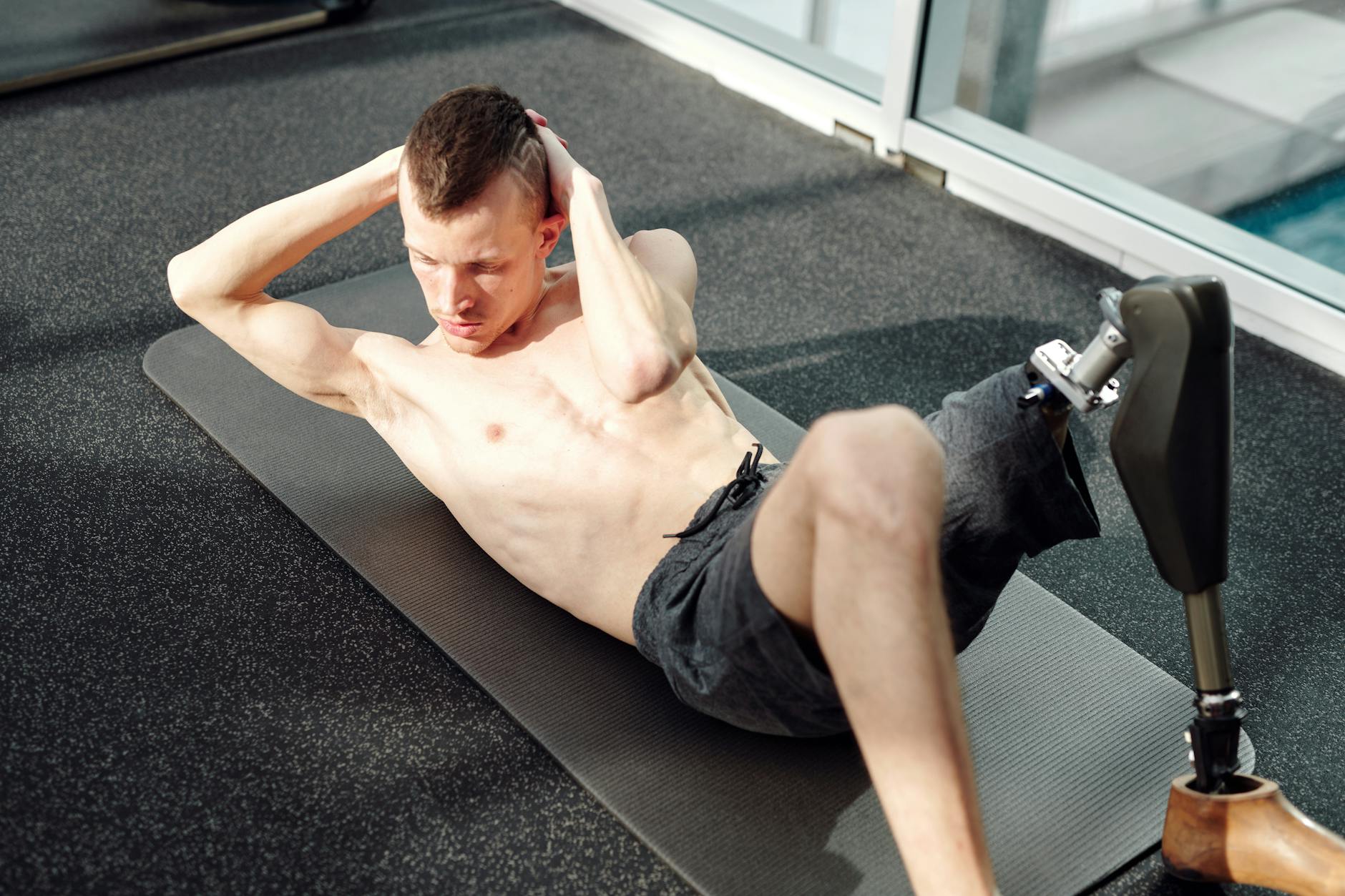
The concept of combining targeted abdominal exercise with short-term dietary cleanses to reduce belly fat is a popular topic in wellness circles. This chapter provides a foundational, evidence-based overview of the physiological principles involved, the current state of scientific support, and important clinical considerations for a safe approach.
It is crucial to understand that spot reduction—the idea that exercising a specific body part will preferentially burn fat from that area—is not supported by robust scientific evidence. The body mobilizes fat stores systemically based on genetics, hormones, and overall energy balance. Therefore, while targeted exercises strengthen and tone the underlying abdominal musculature, they do not directly "burn" the overlying visceral or subcutaneous fat.
Short cleanses, often involving periods of calorie restriction, increased fluid intake, and a focus on whole foods, may contribute to initial weight loss. This is primarily due to a reduction in overall caloric intake and a consequent loss of water weight and glycogen stores. The evidence for any unique "detoxifying" or long-term fat-burning effect from such cleanses is limited and often mixed.
The potential utility of combining these strategies lies in a structured, short-term focus that may help individuals initiate healthier habits. A practical framework might include:
- Core Strengthening: Building muscle mass can modestly increase metabolic rate.
- Creating a Caloric Deficit: A short-term cleanse may help reduce overall energy intake.
- Behavioral Reset: The structured period can serve as a catalyst for sustained dietary improvements.
Clinical Perspective: From a medical standpoint, the primary driver for abdominal slimming is a sustained, modest caloric deficit achieved through a balanced diet and regular physical activity, including both cardiovascular exercise and strength training. Short cleanses should be approached with caution, as they are not suitable for everyone and are not a substitute for long-term lifestyle modification.
Who should exercise caution? Individuals with underlying health conditions—such as diabetes, kidney or liver disease, electrolyte imbalances, or a history of eating disorders—should not undertake dietary cleanses without consulting a physician. Similarly, those new to exercise or with pre-existing back or abdominal issues should seek guidance from a healthcare provider or qualified fitness professional before beginning a targeted core program.
The following chapters will explore specific exercise modalities and dietary considerations, always emphasizing safety, evidence, and realistic expectations for sustainable health.
2. Evidence and Physiological Mechanisms Underlying Fat Loss
The concept of "spot reduction"—losing fat from a specific area like the belly through targeted exercises—is a persistent topic in fitness. The current scientific consensus, based on numerous studies, is that targeted abdominal exercises (e.g., crunches, leg raises) are ineffective for preferentially reducing abdominal fat. These exercises strengthen and build the underlying musculature but do not directly mobilize the overlying adipose tissue.
Fat loss occurs through a systemic physiological process. When the body is in a consistent caloric deficit (expending more energy than it consumes), it mobilizes stored triglycerides from fat cells (adipocytes) for fuel. This process, lipolysis, is hormonally regulated, primarily by catecholamines like adrenaline. The released fatty acids enter the bloodstream and are oxidized in tissues such as skeletal muscle and the liver.
Where fat is lost from is largely determined by genetics, sex hormones, and individual fat cell distribution. Abdominal fat, particularly visceral fat surrounding internal organs, is often more metabolically active and may respond differently to overall weight loss strategies compared to subcutaneous fat. The mechanisms include:
- Hormonal Sensitivity: Visceral fat cells have a higher density of beta-adrenergic receptors, making them more responsive to the fat-mobilizing effects of catecholamines released during exercise and stress.
- Systemic Energy Deficit: A whole-body caloric deficit, created by a combination of dietary modification and increased energy expenditure (e.g., cardio, resistance training), is the primary driver for reducing fat mass, including abdominal fat.
- Exercise's Role: While it doesn't target the belly, regular exercise, especially combined modalities, is crucial. It increases daily energy expenditure, helps preserve lean muscle mass during a deficit, and improves insulin sensitivity, which can help regulate fat storage.
Clinical Perspective: The promise of "belly-slimming" exercises during a short cleanse is misleading. Any rapid weight change is predominantly from water loss and glycogen depletion, not meaningful fat loss. Sustainable abdominal fat reduction requires a long-term commitment to a moderate caloric deficit and regular physical activity. Individuals with a history of metabolic disorders, cardiovascular conditions, or eating disorders should consult a physician before undertaking any restrictive cleanse or intense new exercise regimen.
In summary, the physiological evidence strongly supports that fat loss is systemic. Targeted exercises build core strength but do not "burn" belly fat. The most effective mechanism for reducing abdominal girth is creating a sustained, whole-body energy deficit through disciplined nutrition and comprehensive exercise.
3. Risks, Contraindications, and Populations to Avoid
While the combination of targeted abdominal exercise and short-term dietary cleanses is a popular goal, it is not a universally safe approach. A clear understanding of the associated risks and contraindications is essential for preventing harm. The primary concerns stem from the synergistic effects of caloric restriction and intense physical exertion, which can strain multiple physiological systems.
Primary Medical Contraindications
Certain health conditions make this combination particularly hazardous. Individuals with the following should avoid this protocol entirely:
- Cardiovascular or metabolic disorders: Including uncontrolled hypertension, coronary artery disease, arrhythmias, or diabetes. Caloric restriction can affect electrolyte balance and blood sugar, while exercise increases cardiac demand, creating a potentially dangerous scenario.
- Kidney or liver disease: These organs are crucial for metabolizing byproducts of fat breakdown and exercise. A cleanse can place an undue burden on compromised function.
- History of eating disorders: Any regimen emphasizing rapid body change and restrictive eating can trigger relapse or worsen disordered eating patterns.
- Pregnancy and lactation: These periods require stable, adequate nutrition for fetal and infant development; caloric restriction and aggressive exercise are contraindicated.
General Risks and Populations to Exercise Caution
Even for those without the conditions above, significant risks exist. The evidence supporting the efficacy of "spot reduction" through abdominal exercise is weak; fat loss is systemic, not local. The main risks include:
- Nutrient Deficiencies & Muscle Loss: Short cleanses often lack adequate protein and essential nutrients, leading the body to catabolize muscle for energy, counteracting exercise goals.
- Dehydration and Electrolyte Imbalance: This risk is compounded by exercise, which increases fluid and electrolyte loss through sweat, potentially causing dizziness, cramps, or cardiac irregularities.
- Increased Injury Risk: Performing intense core exercises while in a calorie-deficient state can compromise form and stability, raising the risk of musculoskeletal injury, particularly to the lower back.
Clinical Perspective: From a medical standpoint, the risks of combining aggressive dieting with targeted exercise often outweigh the purported benefits. The pursuit of rapid belly fat loss can lead to unsustainable practices and negative health outcomes. A more evidence-based and safer approach involves a modest, sustained caloric deficit paired with a balanced exercise regimen that includes strength training and cardiovascular activity, overseen by a healthcare professional for those with any underlying conditions.
Who should consult a doctor first? Anyone with a pre-existing medical condition, those taking regular medications (especially for blood pressure, diabetes, or mental health), individuals new to exercise, and those over the age of 45 should seek medical advice before undertaking any program involving dietary restriction and increased physical activity. A physician or registered dietitian can help tailor a safe, effective plan aligned with your health status.
4. Practical, Evidence-Based Takeaways for Implementation
Integrating targeted exercise with a short-term dietary cleanse requires a measured, evidence-informed approach to support metabolic health and body composition. The primary goal should be to preserve lean muscle mass and support metabolic rate, not to aggressively "burn" fat from a specific area, as spot reduction is not supported by scientific evidence.
Focus on a balanced exercise regimen during this period:
- Resistance Training (2-3 sessions/week): This is the cornerstone for muscle preservation. Compound movements like squats, lunges, push-ups, and rows engage the core stabilizers and large muscle groups, providing an effective stimulus with minimal time commitment. Use moderate weights or bodyweight for higher repetitions (e.g., 12-15 reps) to prioritize muscular endurance over maximal strength.
- High-Intensity Interval Training (HIIT) (1-2 sessions/week): HIIT protocols (e.g., 30 seconds of intense effort followed by 60-90 seconds of rest, repeated 6-8 times) can be time-efficient for supporting cardiovascular fitness and metabolic health. The evidence for its superiority in fat loss over steady-state cardio is mixed, but it may offer benefits for insulin sensitivity.
- Core-Specific Work: Include exercises like planks, dead bugs, and bird-dogs to strengthen the deep abdominal and back muscles. This improves posture and core stability, which can enhance the appearance of the midsection, but does not directly reduce subcutaneous abdominal fat.
Clinical Perspective: During a short-term calorie deficit, the body's priority is energy conservation. Intense, prolonged exercise can increase physiological stress and cortisol, potentially counterproductive for goals like reducing visceral fat. The emphasis should be on supportive movement—maintaining muscle and function—rather than exhaustive training. Listen to energy levels and prioritize recovery.
Nutritional support is critical. Ensure adequate protein intake (approximately 1.6-2.2 g/kg of body weight per day, distributed across meals) to support muscle protein synthesis. Hydration and electrolyte balance are also paramount, especially if the cleanse involves diuretic foods or practices.
Who Should Proceed with Caution: Individuals with a history of eating disorders, metabolic conditions (e.g., diabetes, thyroid disorders), kidney or liver disease, or those taking medications that affect hydration or electrolyte balance should consult a physician before combining a cleanse with an exercise program. Pregnant or breastfeeding individuals should avoid restrictive cleanses and high-intensity exercise without explicit medical guidance.
The most sustainable outcome arises from viewing a short cleanse as a period of mindful reset, paired with movement that supports long-term health habits, not as an aggressive fat-loss protocol.
5. Safety Monitoring and When to Consult a Healthcare Provider
Any regimen combining dietary modification, such as a short-term cleanse, with targeted abdominal exercise requires a proactive approach to safety. The goal is to support metabolic health and body composition without compromising well-being. Self-monitoring is a critical component of this process.
During the initial days, pay close attention to your body's signals. It is normal to experience mild hunger or a temporary dip in energy as your body adjusts to a reduced caloric intake. However, certain signs indicate you should pause and reassess:
- Persistent dizziness, lightheadedness, or orthostatic hypotension (feeling faint upon standing).
- Severe or debilitating fatigue that impedes daily function.
- Significant headaches, brain fog, or irritability beyond mild, transient adjustment.
- Muscle weakness, cramping, or heart palpitations, which may signal electrolyte imbalance.
- Any form of pain during exercise, particularly sharp or joint-related pain in the back, hips, or neck during core work.
Clinical Insight: The concept of "spot reduction" (losing fat from a specific area like the belly through targeted exercise) is not strongly supported by high-quality evidence. Fat loss is systemic. While core exercises are excellent for building muscle strength and improving posture, they should be viewed as one component of a holistic fitness and nutrition strategy, not a guaranteed local fat-loss solution. The primary driver of reduced abdominal adiposity is a sustained caloric deficit.
Certain individuals should consult a qualified healthcare provider—such as a primary care physician, registered dietitian, or sports medicine doctor—before beginning any combined cleanse and exercise plan. This is not an exhaustive list, but key groups include:
- Individuals with pre-existing metabolic conditions (e.g., diabetes, thyroid disorders).
- Those with cardiovascular, kidney, or liver disease.
- Pregnant or breastfeeding women.
- Individuals with a history of eating disorders or disordered eating patterns.
- Anyone on prescription medications, especially for blood pressure, diabetes, or mental health.
- People with chronic gastrointestinal issues or recent abdominal surgery.
Furthermore, you should seek professional guidance if you experience any of the warning signs listed above that do not resolve promptly after halting the regimen, consuming fluids, and eating a balanced meal. A short-term cleanse is not a substitute for medical treatment or long-term, sustainable lifestyle changes. The most effective and safest approach to modifying body composition is one developed in partnership with healthcare professionals who understand your complete health profile.
6. Questions & Expert Insights
Can targeted exercises like crunches or planks actually "spot reduce" belly fat during a short cleanse?
No, targeted exercises cannot selectively burn fat from a specific area like the belly. This concept, known as "spot reduction," is a persistent myth not supported by exercise physiology. Fat loss occurs systemically in response to a sustained calorie deficit, influenced by genetics and hormones. However, incorporating core-strengthening exercises during a cleanse serves two evidence-based purposes. First, it helps preserve lean muscle mass, which can be at risk during periods of low calorie intake, thereby supporting metabolic rate. Second, it builds and tones the underlying abdominal musculature. When overall body fat decreases, a stronger, more defined core becomes more visible. Think of it as shaping the muscle underneath, while the fat loss itself comes from the whole-body energy deficit created by the cleanse and overall lifestyle.
What are the main risks of combining intense exercise with a short-term, restrictive cleanse?
The primary risks involve nutrient deficiencies, energy depletion, and metabolic stress. Short cleanses often severely restrict calories and specific macronutrients (like carbohydrates or protein). Adding demanding exercise to this can lead to hypoglycemia (low blood sugar), causing dizziness, fatigue, and impaired coordination. It also increases the risk of muscle breakdown if protein intake is inadequate. Individuals with underlying conditions such as diabetes, cardiovascular issues, or electrolyte imbalances are at heightened risk. Furthermore, this combination can be psychologically triggering for those with a history of or predisposition to disordered eating patterns, as it promotes an extreme, short-term mindset toward food and body image. The body may interpret this stress as a threat, potentially elevating cortisol, which can counteract fat-loss goals.
Who should absolutely avoid attempting a "belly slim" cleanse with targeted exercise?
This approach is contraindicated for several groups. Pregnant or breastfeeding individuals require consistent, high-quality nutrition for fetal and infant development. Those with diagnosed metabolic conditions (e.g., diabetes, kidney or liver disease), cardiovascular issues, or a history of eating disorders should avoid it entirely. Individuals on multiple medications (polypharmacy), especially for blood pressure or blood sugar, risk dangerous interactions from dietary shifts and dehydration. Older adults and adolescents have unique nutritional needs that restrictive cleanses fail to meet. Finally, anyone who is underweight, malnourished, or in a period of high life stress (which already elevates cortisol) should not undertake additional dietary and exercise stress. For these groups, the risks far outweigh any unproven, short-term benefits.
When should I talk to a doctor before starting, and what information should I prepare?
Consult a physician or a registered dietitian before starting any cleanse, especially one involving exercise, if you have any chronic health condition, take regular medications, or have unanswered questions about its safety. It is also prudent if you have never done a cleanse before. Prepare for the conversation by bringing: 1) A detailed outline of the cleanse protocol (duration, allowed foods/beverages, calorie estimate), 2) Your planned exercise regimen (type, frequency, intensity), 3) A list of all current medications and supplements, and 4) Your personal health goals. This allows the clinician to assess risks, check for nutrient deficiencies or medication conflicts, and potentially suggest safer, evidence-based alternatives tailored to your health status. A responsible professional will help you distinguish between a potentially harmful fad and a structured, health-supportive plan.
7. In-site article recommendations
8. External article recommendations
9. External resources
The links below point to reputable medical and evidence-based resources that can be used for further reading. Always interpret them in the context of your own situation and your clinician’s advice.
-
healthline healthline.comtargeted exercise – Healthline (search)
-
drugs drugs.comtargeted exercise – Drugs.com (search)
-
examine examine.comtargeted exercise – Examine.com (search)
These external resources are maintained by third-party organisations. Their content does not represent the editorial position of this site and is provided solely to support readers in accessing additional professional information.