
1. Introduction to Waist Reduction Through Strategic Strength Training
The pursuit of a slimmer waist is a common health and fitness goal, often driven by aesthetic desires and the well-established link between abdominal adiposity and metabolic health risks. This article focuses on a 30-day framework for waist reduction, with a specific emphasis on the role of strategic strength training. It is crucial to understand that "spot reduction"—losing fat from a specific area through targeted exercise—is not supported by robust scientific evidence. Fat loss occurs systemically in response to a sustained caloric deficit. However, a strategic approach to exercise can profoundly influence body composition, which is key to changing waist circumference.
Strategic strength training, as discussed here, is not about endless crunches. It is a methodical approach designed to:
- Increase Lean Muscle Mass: Building muscle, particularly in large muscle groups, elevates resting metabolic rate, aiding in overall fat loss over time.
- Improve Posture and Core Function: Strengthening the deep core stabilizers and posterior chain can improve alignment, potentially making the waist appear more defined.
- Create a Sustainable Caloric Deficit: When combined with appropriate nutrition, the energy expenditure from resistance training contributes to the necessary deficit for fat loss.
The evidence for strength training's efficacy in reducing overall body fat and improving body composition is strong and consistent. High-quality reviews and meta-analyses confirm its value alongside dietary modification. The evidence for specific "waist-slimming" effects of particular exercises within a 30-day window is more limited and should be viewed as preliminary; visible changes depend heavily on individual starting points, genetics, and adherence to the broader program of diet and exercise.
Clinical Perspective: From a medical standpoint, waist circumference is a more significant health marker than weight alone. A reduction, even a modest one, can correlate with improved metabolic parameters. However, a 30-day timeline is aggressive. Sustainable change is the priority. Individuals with a history of back injury, cardiovascular conditions, hypertension, or who are pregnant should consult a physician before beginning any new intensive training regimen. Furthermore, those with a history of or predisposition to eating disorders should approach any fat-loss program with extreme caution and under professional supervision.
This chapter introduces the foundational principles. Success requires managing expectations, understanding the interplay of exercise and nutrition, and prioritizing safety and consistency over rapid, potentially unsustainable results.
2. Scientific Evidence and Physiological Mechanisms
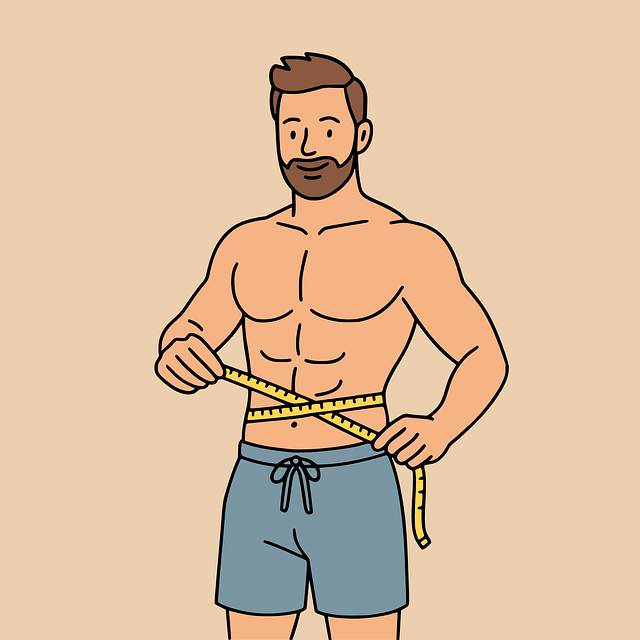
The goal of slimming the waist through strength training is supported by well-established physiological principles. The primary mechanism is not "spot reduction," a concept not supported by evidence, but rather a systemic process of body recomposition. This involves reducing overall body fat while simultaneously increasing or preserving lean muscle mass.
Key physiological mechanisms include:
- Increased Resting Metabolic Rate (RMR): Muscle tissue is metabolically active. Building lean mass through resistance training elevates your RMR, meaning you burn more calories at rest, creating a favorable environment for fat loss over time.
- Excess Post-Exercise Oxygen Consumption (EPOC): Intense strength training sessions, particularly those utilizing compound movements and moderate to high volume, create a significant "afterburn" effect, increasing calorie expenditure for hours post-workout.
- Improved Insulin Sensitivity: Strength training enhances the body's ability to use glucose for energy, which can help regulate blood sugar and reduce the likelihood of fat storage, particularly visceral fat around the abdomen.
The evidence for strength training's efficacy for fat loss is robust. A 2022 meta-analysis in Sports Medicine concluded that resistance training is effective for reducing body fat percentage, body fat mass, and visceral fat. However, the rate and extent of waist slimming in a 30-day window are highly variable and depend on factors like starting point, diet, genetics, and training consistency.
Clinical Perspective: While the physiological principles are sound, expecting dramatic waist reduction solely from exercise in 30 days is often unrealistic without a concurrent, sustained caloric deficit. The visible change is a lagging indicator of positive metabolic shifts. Clinicians view this approach as a sustainable strategy for improving body composition, not a rapid "fix."
It is important to note that individuals with certain health conditions should seek medical clearance before beginning a new strength training regimen. This includes those with uncontrolled hypertension, known cardiovascular disease, recent musculoskeletal injuries, or who are pregnant. Proper form is critical to avoid injury and maximize benefit.
3. Risks, Contraindications, and Populations to Avoid
While strategic strength training is a well-supported method for improving body composition, it is not without inherent risks. A structured 30-day program to reduce waist circumference requires a significant increase in physical activity and load, which can lead to injury if not approached with proper technique and progression. The most common risks include musculoskeletal injuries such as strains, sprains, and lower back pain, often resulting from improper form, excessive load, or inadequate recovery.
Certain populations should either avoid this type of intensive program or undertake it only under direct medical supervision. Key contraindications and groups requiring caution include:
- Individuals with Uncontrolled Cardiovascular Conditions: Those with uncontrolled hypertension, heart failure, or a history of arrhythmia should seek cardiology clearance. The Valsalva maneuver, common in heavy lifting, can cause dangerous spikes in blood pressure.
- People with Acute or Unstable Musculoskeletal Injuries: This includes recent fractures, severe osteoarthritis, acute disc herniation, or significant ligament tears. Training can exacerbate these conditions.
- Those with Certain Metabolic or Organ System Disorders: Individuals with advanced kidney disease (due to protein metabolism concerns) or severe, uncontrolled liver disease require tailored guidance from their specialist.
Clinical Insight: In practice, the "pre-participation screening" is crucial. A clinician evaluates not just the diagnosis, but the individual's current functional status. For example, someone with well-managed hypertension may safely train with modified breathing techniques and appropriate monitoring. The key is individualization and erring on the side of caution when any red flag is present.
Additional populations who should proceed with extreme caution and likely consult a healthcare provider first are pregnant individuals (especially in the second and third trimesters, where supine positions and intra-abdominal pressure changes are contraindicated), older adults with osteoporosis (risk of vertebral compression fractures with axial loading), and individuals with a history of eating disorders, for whom a focused "30-day waist slimming" challenge could trigger unhealthy behaviors.
Finally, the evidence for significant, sustained waist reduction in just 30 days is limited. While strength training can initiate favorable metabolic changes and improve muscle tone, substantial fat loss—particularly visceral fat—typically requires a longer, sustained caloric deficit combined with exercise. Rapid programs risk promoting unsustainable practices or fostering discouragement if results are not immediate. Anyone considering this approach should view it as the start of a long-term lifestyle change, not a short-term fix, and consult a physician or certified exercise physiologist to ensure safety and appropriateness for their personal health status.
4. Practical Application and Evidence-Based Strategies
To effectively target waist circumference reduction, a strategic strength training protocol should focus on two primary physiological mechanisms: increasing overall energy expenditure and building metabolically active lean mass. The evidence strongly supports that a combination of compound movements and progressive overload is more effective for fat loss than isolated abdominal exercises alone.
A practical weekly framework for the 30-day period could involve three full-body strength sessions. Each session should prioritize multi-joint exercises:
- Compound Lifts: Squats, deadlifts, rows, and overhead presses. These engage large muscle groups, leading to a higher post-exercise oxygen consumption (EPOC) and greater caloric burn.
- Progressive Overload: Systematically increase resistance, repetitions, or volume weekly to continually challenge the musculoskeletal system.
- Core Integration: Instead of endless crunches, integrate anti-rotation and bracing exercises like planks, Pallof presses, and farmer's carries to build functional core stability.
The evidence for this approach is robust. A 2022 meta-analysis in Sports Medicine concluded that resistance training is effective for reducing visceral adipose tissue, the fat depot most strongly linked to waist size and metabolic risk. However, the claim of significant change specifically within a 30-day window is supported by more limited data. While improvements in muscle tone, posture, and initial reductions in subcutaneous water weight are plausible, substantial fat loss requires a sustained energy deficit over time.
Clinical Perspective: From a body composition standpoint, "spot reduction" of fat from the waist through exercise alone is not supported by high-quality evidence. The strategic value of this protocol lies in its systemic effects—building muscle raises basal metabolic rate, making sustained fat loss easier. Measurements like waist circumference can be influenced by daily factors like hydration and digestion; tracking a weekly average is more informative than daily readings.
Individuals with pre-existing conditions such as hypertension, hernias, recent abdominal surgery, or chronic lower back issues should consult a physician or physical therapist before commencing this or any new training regimen. Proper form is non-negotiable to avoid injury, and beginners are advised to seek initial guidance from a certified fitness professional.
5. Safety Considerations and When to Consult a Physician

Any fitness program, including a 30-day waist-slimming protocol, carries inherent risks that must be acknowledged and managed. While strength training is generally safe and beneficial for most individuals, a strategic and intensive approach requires a foundation of safety to prevent injury and ensure the program is appropriate for your health status.
The evidence for the benefits of strength training on body composition and metabolic health is robust. However, the specific application of a high-frequency, targeted program over a short timeframe may not be suitable for everyone, and individual results can vary significantly based on genetics, adherence, and starting fitness level.
Key Safety Considerations
Before commencing any new exercise regimen, consider the following:
- Proper Form is Non-Negotiable: Incorrect lifting technique, especially under load, is a primary cause of acute and overuse injuries, particularly to the lower back, shoulders, and knees. Prioritize learning movement patterns with light weight or bodyweight before progressing.
- Listen to Your Body: Distinguish between muscular fatigue, which is expected, and sharp, localized, or joint pain, which is a warning sign. "Pushing through" pain can lead to serious setbacks.
- Recovery and Nutrition: An aggressive training schedule increases the need for adequate sleep, hydration, and balanced nutrition to support muscle repair and hormonal balance. Undereating while increasing activity can lead to fatigue, muscle loss, and metabolic adaptation.
- Realistic Expectations: Significant waist reduction in 30 days is an ambitious goal. While changes in muscle tone and posture can occur quickly, substantial fat loss from specific areas is a slower process influenced by overall calorie balance and genetics.
Clinical Insight: From a medical perspective, the most common issues we see from rapid-introduction programs are overuse injuries and exacerbation of pre-existing, often undiagnosed, musculoskeletal conditions. A program focused on the core and obliques can inadvertently strain the lumbar spine if the deeper stabilizing muscles are not properly engaged. Furthermore, individuals with hypertension should be cautious with heavy lifting and isometric holds, as these can cause acute spikes in blood pressure.
When to Consult a Physician or Specialist
It is strongly advised to seek clearance from a healthcare professional before starting this or any intensive exercise program if you:
- Have a known cardiovascular condition (e.g., hypertension, heart disease), respiratory issue, or metabolic disorder (e.g., diabetes).
- Are managing a musculoskeletal injury, chronic pain (especially in the back, hips, or knees), or have had recent surgery.
- Are pregnant or postpartum.
- Have a history of disordered eating or are currently on a very restrictive diet.
- Are new to exercise entirely or are returning after a prolonged sedentary period.
- Experience dizziness, chest pain, or unusual shortness of breath during physical activity.
Consulting with a certified personal trainer or physical therapist can also be invaluable for ensuring exercise technique is correct and the program is appropriately modified for your body. A safe approach is the only sustainable path to lasting results.
6. Questions & Expert Insights
Can I realistically see a significant change in my waist measurement in just 30 days?
While 30 days is a meaningful timeframe to establish a new routine and see initial changes, expectations must be realistic. A significant reduction in waist circumference, defined as a loss of 1-2 inches or more, is possible but not guaranteed and depends heavily on starting point, genetics, and adherence. The primary driver of initial change is often a reduction in visceral and subcutaneous abdominal fat through a sustained calorie deficit. Strategic strength training contributes by increasing lean muscle mass, which can modestly boost metabolic rate and improve body composition. However, much of the early "slimming" effect may be due to reduced bloating, improved posture from core work, and loss of water weight. High-quality evidence for dramatic waist reduction in one month is limited; sustainable changes typically require longer, consistent effort. View this as a powerful kick-start, not a finish line.
What are the main risks or side effects, and who should avoid this type of program?
This approach is not suitable for everyone. The primary risks include musculoskeletal injury from improper lifting technique or progressing load too quickly, and overtraining leading to fatigue or hormonal disruption. Individuals with the following conditions should seek medical clearance or avoid this program: Uncontrolled hypertension, as heavy lifting can cause dangerous blood pressure spikes; known abdominal wall issues like a hernia or diastasis recti; acute back, hip, or knee injuries; and a history of eating disorders, as the focus on body metrics can be triggering. Furthermore, those with kidney disease must be cautious with high protein intake, and individuals with osteoporosis require modified exercises to avoid fracture risk. Always prioritize form over load.
When should I talk to a doctor before starting, and how should I prepare for that conversation?
Consult a physician or a sports medicine specialist if you have any pre-existing medical condition, are new to exercise, are over 45, or are significantly overweight. This is crucial for cardiovascular and musculoskeletal safety. Prepare for the appointment by bringing: 1) A clear description of the planned program (exercise frequency, types like squats/deadlifts, target intensity), 2) Your specific health goals (e.g., "reduce waist size by X inches"), 3) A complete list of current medications and supplements, and 4) Any relevant personal or family medical history (e.g., heart disease, diabetes, arthritis). Ask direct questions like, "Are there any exercises I should modify or avoid given my [specific condition]?" and "What warning signs should prompt me to stop and contact you?"
Is spot reduction (losing fat just from the waist) possible with these exercises?
No, spot reduction is a persistent myth not supported by exercise physiology evidence. You cannot selectively burn fat from a specific area by exercising the muscles beneath it. Abdominal exercises like planks or crunches strengthen and build the underlying core musculature (rectus abdominis, obliques, transversus abdominis), which can improve posture and muscle tone, creating a tighter appearance. However, the layer of subcutaneous fat covering these muscles is reduced through a whole-body calorie deficit. Strategic full-body strength training is effective because it engages large muscle groups (legs, back, chest), leading to a higher total energy expenditure and promoting systemic fat loss, which includes the abdominal region. The waist slims from a combination of overall fat loss and improved muscular support.
7. In-site article recommendations
8. External article recommendations
9. External resources
The links below point to reputable medical and evidence-based resources that can be used for further reading. Always interpret them in the context of your own situation and your clinician’s advice.
-
wikipedia wikipedia.orgstrategic strength training – Wikipedia (search)
-
mayoclinic mayoclinic.orgstrategic strength training – Mayo Clinic (search)
-
drugs drugs.comstrategic strength training – Drugs.com (search)
These external resources are maintained by third-party organisations. Their content does not represent the editorial position of this site and is provided solely to support readers in accessing additional professional information.