
1. Introduction to Waist Reduction and Resistance Training: A 90-Day Perspective
The goal of reducing waist circumference is a common health and fitness objective, often driven by desires for improved aesthetics, better-fitting clothing, and, most importantly, enhanced metabolic health. A growing waistline is a visible marker of visceral adipose tissue (VAT) accumulation, which is strongly associated with an increased risk for type 2 diabetes, cardiovascular disease, and other metabolic disorders. This chapter establishes a foundational, evidence-based perspective on how a structured 90-day resistance training program can be a strategic component of a waist-slimming protocol.
It is crucial to understand that "spot reduction"—the idea of losing fat from a specific area by exercising the muscles there—is not supported by high-quality scientific evidence. The body mobilizes fat stores systemically based on genetics, hormones, and overall energy balance. Therefore, the primary mechanism by which resistance training contributes to a smaller waist is indirect but powerful:
- Increasing Resting Metabolic Rate (RMR): Building lean muscle mass through resistance training elevates your body's energy expenditure at rest, creating a larger calorie deficit over time when combined with appropriate nutrition.
- Improving Body Composition: The scale may not change dramatically, but a successful program replaces fat mass with denser muscle tissue, leading to a leaner physique and reduced circumference measurements.
- Enhancing Insulin Sensitivity: Resistance training improves the body's ability to manage blood glucose, which can help reduce the storage of visceral fat around the abdomen.
A 90-day timeframe is a realistic and clinically relevant period to observe measurable changes. It allows for the necessary physiological adaptations—neuromuscular improvements, initial hypertrophy, and meaningful fat loss—while providing a structured window for adherence and assessment. Success within this period is highly contingent on the integration of a sustainable, modest calorie deficit and overall consistency.
Clinical Perspective: From a medical standpoint, waist circumference is a more reliable indicator of health risk than body weight alone. A reduction of even 5-10% in waist measurement can yield significant metabolic benefits. However, individuals with a history of orthopedic issues, cardiovascular conditions, uncontrolled hypertension, or who are pregnant should consult a physician before initiating any new resistance training program. Furthermore, those with a history of body image concerns or eating disorders should approach waist-measurement goals with caution and ideally under the guidance of a healthcare professional.
This introductory perspective frames the subsequent chapters, which will detail the specific exercises, programming principles, and supportive lifestyle strategies necessary for a safe and effective 90-day journey toward a slimmer, healthier waistline through strategic resistance training.
2. Evidence and Mechanisms: How Resistance Training Impacts Waist Circumference
Reducing waist circumference is a primary goal for many, driven by both aesthetic and health concerns, as abdominal fat is a key marker for cardiometabolic risk. Strategic resistance training offers a robust, evidence-based approach to achieving this, operating through several interconnected physiological mechanisms.
Primary Mechanisms of Action
The impact of resistance training on waist size is not primarily about "spot reduction," a concept not supported by high-quality evidence. Instead, it works through systemic effects:
- Increased Resting Metabolic Rate (RMR): Building lean muscle mass through progressive overload increases the body's energy expenditure at rest. Muscle tissue is metabolically active, meaning it burns more calories than fat tissue even when you are not exercising. This creates a favorable energy balance conducive to overall fat loss, including from the abdominal region.
- Post-Exercise Oxygen Consumption (EPOC): Intense resistance training sessions, particularly those involving compound movements and short rest periods, can elevate metabolism for hours after the workout. This "afterburn" effect contributes to additional calorie expenditure.
- Improved Insulin Sensitivity: Regular resistance training enhances the muscles' ability to take up glucose, improving insulin sensitivity. This is crucial for reducing visceral adipose tissue (VAT)—the deep, harmful fat surrounding organs that significantly contributes to waist size and health risks.
Evidence and Considerations
Systematic reviews and meta-analyses consistently show that resistance training, especially when combined with moderate caloric restriction, is effective at reducing overall body fat and waist circumference. The evidence is strongest for its role in preserving lean mass during weight loss, which dieting alone often fails to do.
However, it is important to contextualize the evidence. Most studies showing significant reductions in waist circumference involve concurrent dietary modification. The effect size from resistance training alone is more modest and varies based on program design, intensity, consistency, and individual factors like genetics and baseline fitness.
Clinical Perspective: From a body composition standpoint, the goal is fat loss, not just weight loss. Resistance training ensures a greater proportion of weight lost comes from fat stores, not muscle. This is critical for long-term metabolic health and maintaining a smaller waist. Measurements like waist-to-hip ratio or simply tracking waist circumference with a tape measure are more informative than scale weight alone for tracking progress in this context.
Who should proceed with caution? Individuals with uncontrolled hypertension, certain cardiovascular conditions, recent injuries, or musculoskeletal disorders should consult a physician or physical therapist before beginning a new resistance training program. Proper form and progressive programming are essential to mitigate injury risk and achieve the intended metabolic benefits.
3. Risks, Contraindications, and Populations to Avoid
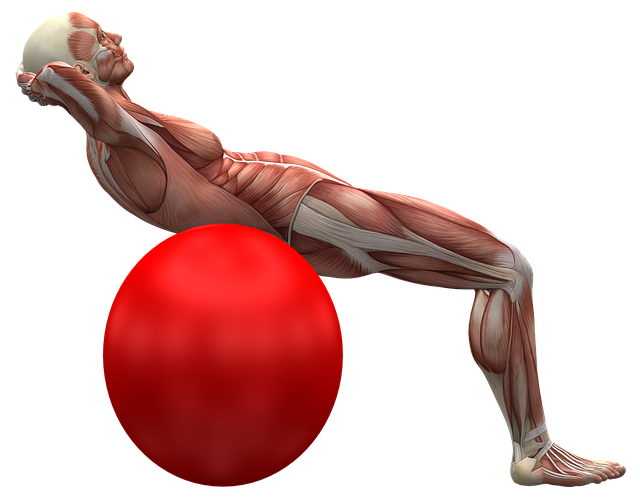
While strategic resistance training is a powerful tool for body recomposition, it is not without inherent risks, and it is contraindicated for certain populations without proper medical supervision. Acknowledging these factors is essential for a safe and effective 90-day program.
Common Risks and How to Mitigate Them
The primary risks associated with an intensive waist-slimming resistance program are musculoskeletal. These include:
- Acute Injury: Improper form, excessive load, or fatigue can lead to muscle strains, ligament sprains, or more serious injuries like herniated discs, particularly during compound lifts.
- Overuse Injuries: Repetitive stress on joints (e.g., shoulders, knees, spine) from frequent training without adequate recovery can cause tendinopathies or stress reactions.
- Exacerbation of Preexisting Conditions: Undiagnosed musculoskeletal issues may become symptomatic under new training loads.
Mitigation requires a foundational emphasis on perfecting movement patterns with light loads before progressing, incorporating structured deload weeks, and listening to "warning pain" distinct from muscular fatigue.
Clinical Insight: From a physiotherapy perspective, the risk is often highest in the initial 4-6 weeks as connective tissues adapt more slowly than muscle. A common error is increasing weight or volume too aggressively once initial strength gains are felt, outpacing the resilience of tendons and ligaments.
Populations Requiring Medical Clearance
Individuals with the following conditions must consult with a physician and likely a qualified exercise specialist (e.g., physical therapist, certified clinical exercise physiologist) before beginning this or any new exercise regimen:
- Cardiovascular Disease: Uncontrolled hypertension, coronary artery disease, or heart failure. Resistance training can cause acute spikes in blood pressure (the Valsalva maneuver).
- Unmanaged Metabolic Conditions: Such as diabetes, where exercise affects glycemic control and medication needs may change.
- Significant Musculoskeletal Disorders: Including osteoporosis (risk of fracture), active arthritis, recent surgery, or chronic instability in a major joint.
- Pregnancy & Postpartum: While exercise is generally encouraged, programming requires specific modifications, especially regarding core engagement and intra-abdominal pressure.
Absolute and Relative Contraindications
Certain scenarios warrant avoidance or extreme caution:
- Acute Illness or Injury: Training while febrile, injured, or in pain can delay healing and worsen the condition.
- History of Eating Disorders: A program focused on waist measurement can trigger unhealthy obsessive behaviors and relapse. Psychological readiness is paramount.
- Polypharmacy: Individuals on multiple medications, especially for blood pressure, blood sugar, or mental health, require monitoring as exercise alters the body's response to drugs.
The evidence strongly supports resistance training for general health, but its application for specific aesthetic goals in at-risk populations relies on individual assessment. A conversation with your healthcare provider is a non-negotiable first step for anyone with known health conditions.
4. Practical Implementation: Key Takeaways for a 90-Day Program

Successfully implementing a 90-day program to reduce waist circumference requires a structured, evidence-based approach that integrates resistance training with other key lifestyle factors. The primary goal is to create a sustainable caloric deficit while preserving or building lean muscle mass, which supports metabolic rate and body composition.
A practical weekly structure should include three to four resistance training sessions. Each session should focus on compound movements—such as squats, deadlifts, rows, and overhead presses—that engage multiple large muscle groups. This approach is strongly supported by evidence for its efficiency in stimulating muscle protein synthesis and elevating post-exercise energy expenditure. Aim for 2-4 sets of 8-12 repetitions per exercise, with a focus on progressive overload by gradually increasing weight, reps, or sets over the 90 days.
- Phase 1 (Weeks 1-4): Master technique with moderate loads. Establish consistency.
- Phase 2 (Weeks 5-8): Systematically increase training intensity and volume.
- Phase 3 (Weeks 9-12): Maintain or slightly increase intensity, prioritizing recovery.
It is crucial to pair this training with supportive nutrition. A modest caloric deficit, typically 300-500 calories below maintenance, is recommended. Prioritize adequate protein intake (approximately 1.6-2.2 grams per kilogram of body weight daily) to support muscle retention. The evidence for precise macronutrient timing is more mixed; consistency in total daily intake is generally more important than meal timing for body composition outcomes.
Clinical Perspective: Waist circumference reduction is a non-linear process. Initial changes may include water weight and improved posture. Measurable fat loss typically becomes more consistent after the first 3-4 weeks of adherence. Patience and consistent tracking of measurements, not just scale weight, are key.
Recovery is a non-negotiable component. Include at least one full rest day between training the same muscle groups. Prioritize 7-9 hours of quality sleep per night, as sleep deprivation can increase cortisol and hunger hormones, undermining fat loss efforts.
Who should proceed with caution: Individuals with pre-existing musculoskeletal conditions, cardiovascular issues, uncontrolled hypertension, or a history of eating disorders should consult a physician or relevant specialist (e.g., physical therapist, registered dietitian) before starting this or any new exercise and nutrition program. Pregnant or postpartum individuals require medically supervised programming.
5. Safety Protocols and Indications for Medical Consultation
Embarking on a 90-day resistance training program to reduce waist circumference is a structured commitment to health. While the benefits of resistance training for body composition are well-supported by evidence, adherence to foundational safety protocols is non-negotiable to prevent injury and ensure sustainable progress.
Essential Pre-Training Safety Protocols
Before initiating any session, a systematic approach minimizes risk. The evidence strongly supports the efficacy of these practices for injury prevention.
- Comprehensive Warm-up: Dedicate 5-10 minutes to dynamic movements (e.g., leg swings, torso twists, cat-cow stretches) to increase core temperature and prepare the musculoskeletal system for load.
- Technique Mastery Over Load: Prioritize perfect form with lighter weights or bodyweight before progressively increasing resistance. Poor technique, especially under fatigue, is a primary cause of acute and overuse injuries.
- Progressive Overload Principle: Increase weight, repetitions, or sets gradually—typically by no more than 5-10% per week—to allow connective tissues and neuromuscular systems to adapt.
- Adequate Recovery: Schedule at least 48 hours of rest for major muscle groups between intense sessions. Incorporate sleep and nutrition as critical components of the recovery process.
Clinical Insight: From a physiotherapy perspective, the most common errors leading to low back or core injury are rushing the eccentric (lowering) phase of a lift and failing to maintain a braced, neutral spine during compound movements like squats or deadlifts. Mindful tempo and core engagement are more protective than sheer weight lifted.
Indications for Prior Medical Consultation
While resistance training is broadly beneficial, certain individuals should consult a physician or relevant specialist (e.g., cardiologist, physiatrist) before starting this or any new exercise regimen. This is a precautionary measure based on individual risk factors.
Seek professional medical advice if you have:
- A known or suspected cardiovascular condition (e.g., hypertension, coronary artery disease, arrhythmia).
- Unmanaged metabolic disorders like diabetes.
- Active musculoskeletal injury, chronic joint pain, or a history of spinal issues (e.g., herniated disc).
- Been diagnosed with osteoporosis or are at high risk for fractures.
- Kidney disease, due to potential impacts of high protein intake and metabolic stress.
- Are pregnant or postpartum, requiring specific exercise modifications.
Furthermore, if you experience dizziness, unusual shortness of breath, chest pain, or sharp joint pain during exercise, stop immediately and consult a healthcare provider. A safe program is one that respects your body's signals and individual medical history.
6. Questions & Expert Insights
Can I realistically achieve a slimmer waist in 90 days with resistance training alone?
Realistic expectations are crucial. A 90-day timeframe is sufficient to see measurable changes in body composition, but the degree of change varies significantly based on starting point, genetics, diet, and consistency. Resistance training builds muscle, which can increase your metabolic rate and improve body shape, but it does not directly "spot-reduce" fat from the waist. The primary mechanism for a slimmer waist is a reduction in overall body fat, which is achieved through a sustained caloric deficit. Strategic resistance training that targets the entire body, including the core, can improve posture, strengthen the transverse abdominis (a deep core muscle that acts like a natural corset), and create a more toned appearance. Evidence suggests combined diet and exercise interventions yield the best results for waist circumference reduction. Expect changes to be gradual, on the order of a few centimeters, not a dramatic transformation.
What are the main risks or side effects, and who should avoid this approach?
While generally safe, improper resistance training carries risks. Acute injuries like muscle strains, particularly in the lower back when performing core exercises with poor form, are common. Overtraining can lead to chronic fatigue, hormonal disruption, and increased injury risk. Specific populations should exercise extreme caution or seek alternative programming: individuals with a history of disc herniation, abdominal or inguinal hernia, diastasis recti, osteoporosis, or uncontrolled hypertension must consult a specialist first. Those with a history of eating disorders should avoid waist-measurement-focused programs unless under direct supervision of a therapist and dietitian, as it can trigger unhealthy fixation. The approach is not suitable for pregnant or immediately postpartum individuals without clearance from an obstetric or physiotherapy specialist.
When should I talk to a doctor before starting, and what should I discuss?
Consult a physician or a sports medicine specialist before beginning any new exercise regimen if you: have any pre-existing medical conditions (especially cardiac, renal, or musculoskeletal), are taking medications, are sedentary, are over 45 (men) or 55 (women) with no recent exercise history, or have experienced chest pain, dizziness, or joint pain with exertion. For the conversation, come prepared. Bring a clear outline of the proposed training plan. Discuss your specific health history, current medications, and any previous injuries. Ask for guidance on heart rate monitoring zones if you have cardiovascular concerns, and request clearance for specific movements (e.g., heavy lifting, spinal flexion). This ensures your program is tailored safely to your individual health profile.
How much of the waist-slimming effect is due to lost fat versus improved posture and muscle tone?
This is a critical distinction often overlooked. The reduction in waist circumference is typically a combination of factors. A significant portion, especially initially, comes from a loss of subcutaneous and visceral fat due to a caloric deficit. However, a substantial and sometimes immediate contribution comes from neuromuscular changes. Strengthening the core, particularly the transverse abdominis and the muscles of the back, improves postural alignment. Standing taller with shoulders back and pelvis in a neutral position can make the waist appear slimmer without a single pound of fat loss. Furthermore, building muscle in the shoulders, back, and glutes creates a more pronounced "X-frame" silhouette, making the waist look smaller by comparison. Evidence indicates posture and muscle development can account for a visually noticeable change, even before major fat loss occurs.
7. In-site article recommendations
8. External article recommendations
9. External resources
The links below point to reputable medical and evidence-based resources that can be used for further reading. Always interpret them in the context of your own situation and your clinician’s advice.
-
wikipedia wikipedia.orgwaist reduction – Wikipedia (search)
-
drugs drugs.comwaist reduction – Drugs.com (search)
-
mayoclinic mayoclinic.orgwaist reduction – Mayo Clinic (search)
These external resources are maintained by third-party organisations. Their content does not represent the editorial position of this site and is provided solely to support readers in accessing additional professional information.