
1. Introduction to Strategic Low-Carb Meal Timing
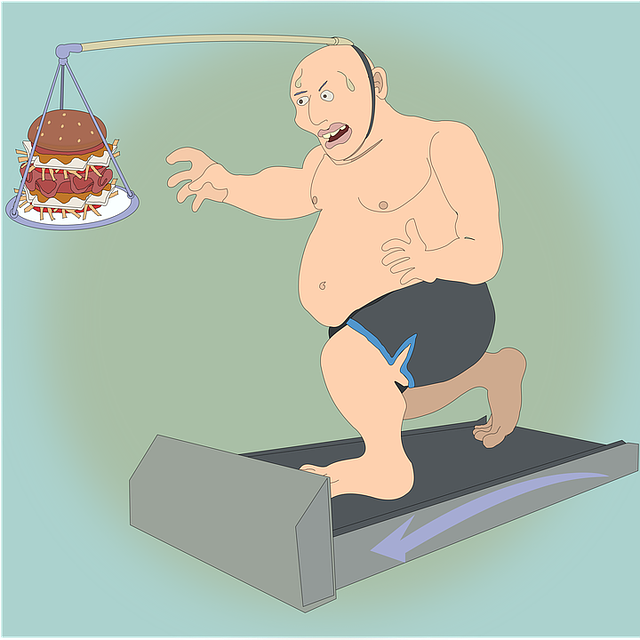
Low-carbohydrate diets are a well-established dietary approach for weight management, with a substantial body of evidence supporting their efficacy for short- to medium-term weight loss and improvements in certain metabolic markers, such as blood sugar and triglyceride levels. However, the principle of "strategic meal timing" introduces a more nuanced layer to this approach. It moves beyond simply what to eat to investigate when to eat, positing that the timing of carbohydrate and calorie intake can influence hormonal responses, energy utilization, and ultimately, body composition—particularly abdominal adiposity.
The core hypothesis is that aligning lower carbohydrate intake with specific physiological states can enhance metabolic flexibility—the body's ability to efficiently switch between burning carbohydrates and fats for fuel. Proponents suggest this strategy may offer advantages over a standard, evenly distributed low-carb diet by:
- Potentially enhancing insulin sensitivity during key periods of the day.
- Leveraging natural circadian rhythms in metabolism.
- Creating longer daily windows of lower insulin levels, which may facilitate fat mobilization.
It is crucial to distinguish the strength of evidence here. The benefits of general low-carb diets for weight loss are strongly supported by numerous randomized controlled trials. In contrast, the specific, additive benefits of strategic meal timing within a low-carb framework are supported by more preliminary physiological rationale and smaller-scale studies. The evidence is often mixed, with some studies showing modest benefits for body composition and others showing no significant difference compared to non-timed approaches.
Clinical Perspective: From a practice standpoint, strategic timing is often considered an advanced optimization tool, not a foundational requirement. Its utility likely varies significantly between individuals based on lifestyle, activity patterns, and metabolic health. For some, it may provide a useful structure; for others, it may add unnecessary complexity with minimal additional benefit.
This chapter will explore the foundational concepts behind strategic low-carb meal timing, examining the hormonal mechanisms involved and reviewing the current state of evidence. A responsible approach requires acknowledging both the potential and the limitations, while clearly identifying for whom such a strategy might be appropriate or ill-advised.
Who should exercise caution? Individuals with diabetes (especially those on insulin or sulfonylureas), kidney disease, a history of eating disorders, or those who are pregnant or breastfeeding should not undertake significant dietary changes involving meal timing and carbohydrate restriction without consulting their physician or a registered dietitian. The same applies to individuals on multiple medications.
2. Scientific Evidence and Mechanisms

The efficacy of a low-carbohydrate diet for weight loss, including abdominal fat reduction, is supported by a substantial body of evidence. Systematic reviews and meta-analyses of randomized controlled trials consistently show that low-carb diets are at least as effective, and sometimes more effective in the short term, than low-fat diets for weight loss and improving cardiometabolic markers like triglycerides and HDL cholesterol.
The primary physiological mechanisms driving this effect are well-established:
- Reduced Insulin Secretion: Lower carbohydrate intake leads to lower postprandial insulin levels. Insulin is a hormone that promotes fat storage and inhibits fat breakdown (lipolysis). A more stable, lower insulin environment facilitates the mobilization of stored fat, particularly from visceral adipose tissue around the organs.
- Increased Lipolysis and Ketogenesis: As glycogen stores deplete, the body increases fatty acid oxidation and, in very low-carb (ketogenic) diets, produces ketone bodies for energy. This metabolic shift directly utilizes fat stores.
- Appetite Suppression: Diets higher in protein and fat, and the production of ketones, are associated with increased satiety and reduced hunger hormones like ghrelin, leading to a natural reduction in caloric intake without conscious calorie counting.
However, the evidence for the added benefit of strategic meal timing within a low-carb framework—such as time-restricted eating (TRE) or carb-backloading—is more nuanced and preliminary. Some studies suggest that confining eating to a specific window (e.g., 8 hours) may enhance metabolic flexibility and insulin sensitivity, potentially offering a synergistic effect with low-carb eating. Yet, other high-quality trials find that weight loss is primarily driven by the overall calorie deficit, not the timing itself.
Clinical Perspective: The core weight loss driver is sustained calorie reduction, which low-carb diets often achieve effectively through satiety. Timing strategies may offer a useful behavioral structure for some individuals but are not a metabolic necessity. The strongest evidence remains for the low-carb dietary pattern itself.
It is crucial to note limitations and cautions. Long-term (>2 years) outcome data comparing different meal-timing strategies are limited. Individuals with type 1 diabetes, a history of eating disorders, those on medications for diabetes or blood pressure, and pregnant or breastfeeding women should consult a physician before implementing significant dietary changes involving macronutrient restriction and fasting windows.
3. Risks and Contraindications

While strategic low-carb meal timing can be an effective tool for body composition, it is not universally appropriate. A thorough understanding of its potential risks and contraindications is essential for safe and responsible implementation. The approach involves significant physiological shifts, and certain individuals may experience adverse effects or require medical supervision.
Who Should Exercise Caution or Avoid This Approach
Individuals with the following pre-existing medical conditions should not undertake a low-carbohydrate dietary pattern without explicit guidance from their physician:
- Kidney Disease: High protein intake, often associated with low-carb diets, can increase the glomerular filtration rate and place additional strain on compromised kidneys.
- Pancreatic Conditions: Those with pancreatitis or pancreatic insufficiency may have difficulty metabolizing increased dietary fat.
- Liver Disease: Impaired liver function can disrupt ketone body metabolism and fat processing.
- Gallbladder Disease or Removal: A high-fat diet can provoke symptoms in individuals with gallstones or those who have had a cholecystectomy.
- History of Eating Disorders: Any restrictive dietary pattern with strict timing rules can trigger or exacerbate disordered eating behaviors.
Furthermore, pregnant or breastfeeding individuals, children, and adolescents have unique nutritional requirements that are generally not compatible with restrictive low-carb protocols. Those taking medications for diabetes (especially insulin or SGLT2 inhibitors) or hypertension must work closely with their doctor, as medication dosages will likely need adjustment to prevent dangerous hypoglycemia or hypotension.
Common Adverse Effects and Limitations
Even for generally healthy individuals, the initial adaptation phase (often called the "keto flu") can involve fatigue, headache, irritability, constipation, and muscle cramps due to fluid and electrolyte shifts. These symptoms are typically transient but highlight the importance of adequate hydration and electrolyte intake, particularly sodium, potassium, and magnesium.
The long-term sustainability and cardiovascular safety of very low-carbohydrate diets remain areas of scientific debate. While strong evidence supports short-term efficacy for weight loss and metabolic improvement, data on long-term outcomes (>2 years) are more limited. Some studies suggest potential adverse impacts on LDL cholesterol levels in certain "hyper-responders," underscoring the need for personalized lipid monitoring.
Clinical Insight: From a medical perspective, the primary concern is not the diet itself but its application without appropriate context. A "one-size-fits-all" approach is clinically irresponsible. The decision to use low-carb meal timing should be based on an individual's complete health profile, preferences, and goals, not merely the desire for a slimmer waistline. A registered dietitian or physician can help tailor the approach, mitigate risks, and ensure nutritional adequacy.
In summary, the potential benefits of this strategy must be carefully weighed against its risks. Consulting a healthcare provider for personalized advice is a non-negotiable first step for anyone with pre-existing health conditions or concerns.
4. Practical Implementation Guidelines

Successfully implementing a strategic low-carbohydrate meal timing plan requires a structured, evidence-based approach. The goal is to create a sustainable pattern that supports insulin sensitivity and fat metabolism, rather than a rigid set of restrictive rules. Begin by establishing a consistent daily eating window, commonly known as time-restricted eating (TRE).
A practical starting point is a 10-hour eating window (e.g., 9 AM to 7 PM), which has shown promise in clinical studies for improving metabolic markers. Within this window, structure your meals to align with your energy needs:
- First Meal: Break your fast with a meal containing adequate protein and healthy fats. This helps stabilize blood glucose and provides sustained energy. Examples include eggs with avocado or a protein smoothie with nut butter.
- Subsequent Meals: Prioritize non-starchy vegetables, lean proteins, and healthy fats. Limit net carbohydrates (total carbs minus fiber) to a range of 20-50 grams per day, depending on your individual tolerance and activity level.
- Final Meal: Consume your last meal at least 2-3 hours before bedtime to allow for digestion and to leverage the natural overnight fasting period.
Clinical Insight: The evidence for meal timing's independent effect on waist circumference is still emerging and often mixed. The primary driver of fat loss remains a sustained caloric deficit. However, structuring meals this way can help manage hunger hormones like ghrelin, reduce mindless snacking, and may improve adherence to a low-carb dietary pattern, which is strongly supported for reducing visceral fat.
Consistency is more critical than perfection. Allow for a gradual adaptation period of 2-4 weeks as your body adjusts to utilizing fat for fuel. Monitor your energy, hunger cues, and overall well-being, not just the scale.
Important Precautions: Individuals with diabetes (especially on insulin or sulfonylureas), a history of eating disorders, kidney disease, or those who are pregnant or breastfeeding should consult a physician or a registered dietitian before initiating a low-carbohydrate diet with timed eating. Medication adjustments may be necessary to prevent hypoglycemia.
5. Safety Considerations and When to Consult a Doctor

While strategic low-carb meal timing can be an effective tool for waistline management, it is not a universally safe or appropriate approach. A responsible implementation requires a clear understanding of potential risks and contraindications. The evidence supporting specific timing protocols is often preliminary or derived from short-term studies, whereas the safety of long-term, very-low-carbohydrate diets in certain populations remains a subject of ongoing research.
Certain individuals should exercise extreme caution or avoid this dietary strategy altogether without direct medical supervision. It is strongly advised to consult a qualified healthcare professional before beginning if you have any of the following conditions:
- Pregnancy or lactation: Nutritional needs are significantly increased and highly specific during these periods.
- Type 1 or Type 2 diabetes, especially if on medication: Altering carbohydrate intake and meal timing can cause dangerous fluctuations in blood glucose levels, necessitating medication adjustments.
- Kidney disease: High-protein versions of low-carb diets can place additional strain on compromised kidneys.
- History of eating disorders: Restrictive eating patterns can trigger relapse.
- Gallbladder disease or those without a gallbladder: High-fat meals, common in low-carb diets, may not be well-tolerated.
- Individuals taking specific medications, such as diuretics ("water pills") or blood pressure medications, as dietary changes can alter electrolyte balance and medication efficacy.
Clinical Insight: From a medical perspective, the initial "keto flu" symptoms—fatigue, headache, irritability—are often related to fluid and electrolyte shifts. While usually transient, they highlight why individuals with heart or kidney conditions require monitoring. Furthermore, clinicians are cautious about endorsing prolonged, highly restrictive carbohydrate intake due to potential impacts on gut microbiome diversity and long-term cardiovascular risk markers, which require more robust long-term data.
You should schedule a consultation with your doctor or a registered dietitian to discuss this approach if you have any chronic health condition, are taking regular medication, or experience persistent adverse effects such as severe constipation, heart palpitations, or unexplained muscle cramps after starting. A professional can help you adapt the strategy safely, ensure nutritional adequacy, and monitor relevant biomarkers like blood lipids, blood glucose, and kidney function.
Ultimately, the safest path to slimming your waistline is one that is personalized, sustainable, and overseen by a healthcare provider who understands your complete medical history.
6. Questions & Expert Insights
Is there a "best time" to eat carbs to specifically target belly fat loss?
While the concept of nutrient timing is popular, the evidence for a specific "best time" to eat carbohydrates for targeted abdominal fat loss is preliminary and not definitive. Some research suggests that consuming a larger portion of your daily carbohydrates around periods of physical activity (e.g., before or after a workout) may support performance and recovery, which can indirectly aid overall fat loss. The primary driver for reducing visceral fat (the deep abdominal fat) remains a sustained calorie deficit. Strategic low-carb meal timing should be viewed as a potential tool to help manage overall calorie intake and insulin levels, not a magic bullet for spot reduction. The most effective timing pattern is highly individual and depends on your schedule, hunger cues, and exercise routine.
What are the potential risks or side effects of a strategic low-carb approach, and who should avoid it?
Even a strategic (non-ketogenic) low-carb diet can cause initial side effects often termed the "low-carb flu," including fatigue, headache, irritability, and constipation, as the body adapts to using more fat for fuel. More significant risks involve nutrient deficiencies if the diet is not well-planned, particularly in fiber, certain vitamins (like folate and vitamin C), and minerals. Individuals who should avoid or exercise extreme caution include those with pancreatic conditions, severe kidney or liver disease, a history of eating disorders, pregnant or breastfeeding women, and athletes in heavy training phases without professional guidance. The diet may also interact with medications for diabetes or hypertension, necessitating close monitoring.
When should I talk to my doctor about this meal timing strategy, and what should I discuss?
Consult your doctor or a registered dietitian before starting if you have any pre-existing medical condition, take regular medication (especially for diabetes, hypertension, or cholesterol), or are pregnant. For the conversation, come prepared with a clear outline of your proposed plan (e.g., "I plan to limit carbs to under 100g per day, focusing them around my evening workouts"). Discuss your goals, and be ready to share your complete health history. Key questions to ask include: "How might this affect my current medications?" "Are there specific biomarkers (like kidney function, lipids, or HbA1c) we should monitor?" and "Is this approach suitable for my long-term health profile?" This ensures any dietary change supports, rather than conflicts with, your overall medical management.
How strong is the evidence linking low-carb meal timing to sustained waistline reduction?
The evidence is promising but not conclusive. Studies on intermittent fasting and time-restricted eating, which often result in lower carb intake within a shortened window, show reductions in visceral fat. However, it is challenging to disentangle the effects of timing from the inherent calorie reduction these patterns cause. Most studies are of short to medium duration (weeks to months), and long-term sustainability data is limited. The current scientific consensus suggests that any eating pattern that helps you maintain a calorie deficit consistently will reduce waist circumference. Strategic timing may be one effective adherence tool for some people, but it is not superior to other calorie-controlled diets for fat loss in the long term for the general population.
7. In-site article recommendations
8. External article recommendations
Related Resources
9. External resources
The links below point to reputable medical and evidence-based resources that can be used for further reading. Always interpret them in the context of your own situation and your clinician’s advice.
-
mayoclinic mayoclinic.orgstrategic low-carb meal timing – Mayo Clinic (search)
-
drugs drugs.comstrategic low-carb meal timing – Drugs.com (search)
-
wikipedia wikipedia.orgstrategic low-carb meal timing – Wikipedia (search)
These external resources are maintained by third-party organisations. Their content does not represent the editorial position of this site and is provided solely to support readers in accessing additional professional information.