
1. Introduction to the Ketogenic Diet: A 30-Day Strategic Approach
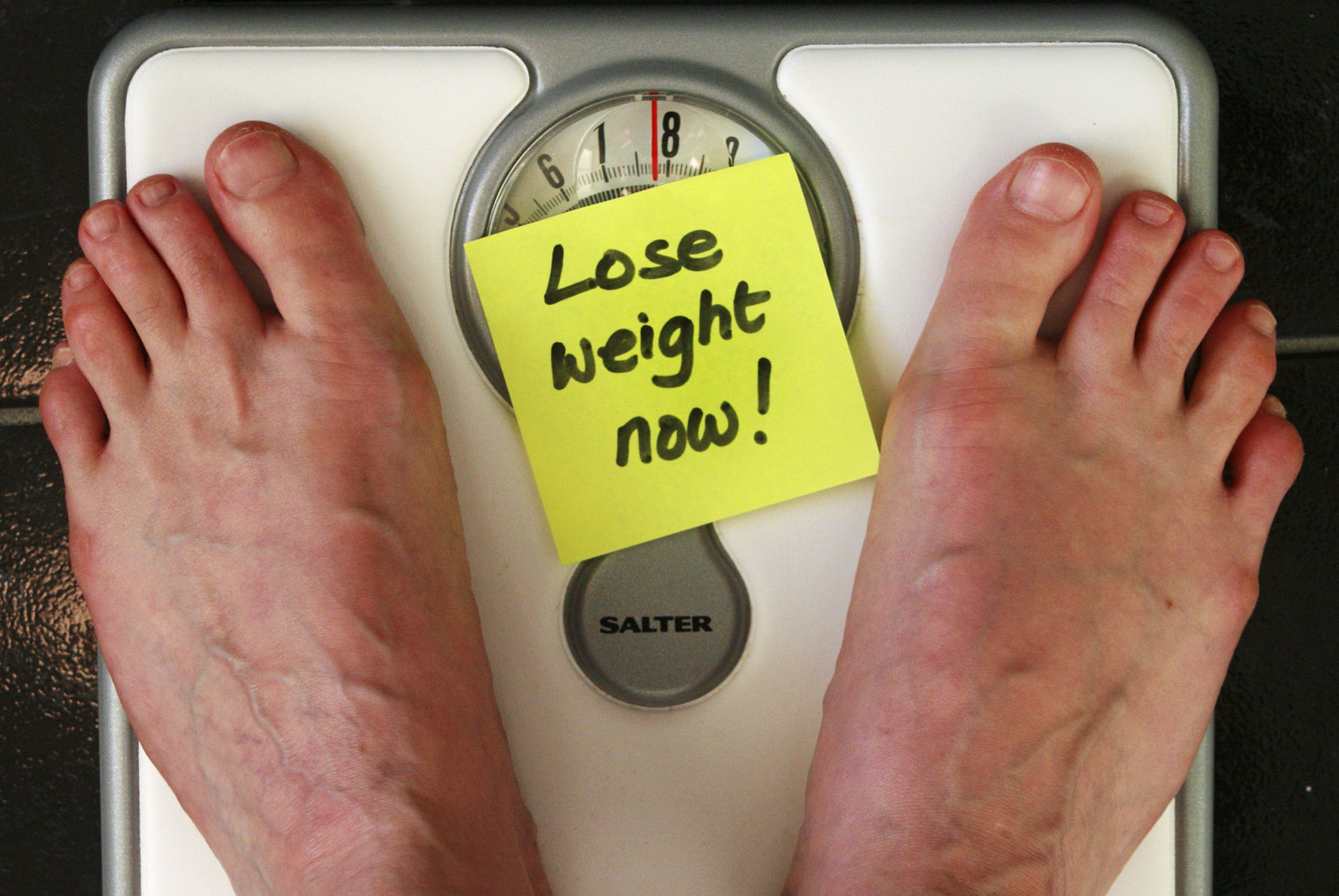
The ketogenic diet is a high-fat, very-low-carbohydrate, and moderate-protein eating plan designed to induce a metabolic state called ketosis. In ketosis, the body shifts from primarily using glucose for fuel to burning fat-derived molecules called ketones. This fundamental metabolic adaptation is the core principle behind a 30-day strategic approach.
Evidence from randomized controlled trials supports the ketogenic diet as an effective short-term intervention for weight loss and improving certain metabolic markers, such as reducing triglycerides and improving insulin sensitivity in individuals with insulin resistance. However, the evidence comparing its long-term efficacy and sustainability to other balanced diets is more mixed, and individual responses can vary significantly.
A structured 30-day plan can serve as a focused period for metabolic adaptation and habit formation. The strategic approach emphasizes:
- Macronutrient Ratios: Typically aiming for 70-80% of calories from fat, 15-25% from protein, and 5-10% from carbohydrates (often 20-50 grams net carbs daily).
- Whole Foods Focus: Prioritizing unprocessed foods like meats, fish, eggs, above-ground vegetables, nuts, seeds, and healthy oils.
- Electrolyte Management: Proactively addressing sodium, potassium, and magnesium intake to mitigate common initial side effects like the "keto flu."
Clinical Perspective: From a medical standpoint, the initial 30 days are a period of close observation. Clinicians monitor not just weight change, but also energy levels, cognitive function, lipid profiles, and renal function in susceptible individuals. The diet is a potent metabolic tool, not a default recommendation for everyone.
It is crucial to acknowledge that this diet is not appropriate for all individuals. Those who should exercise extreme caution or seek medical guidance before starting include:
- Individuals with pancreatic, liver, thyroid, or gallbladder disease.
- Those with a history of eating disorders.
- Individuals with kidney disease or taking medications for diabetes or hypertension (as dosages may need adjustment).
- Pregnant or breastfeeding women.
This introductory chapter sets the stage for a responsible, evidence-informed 30-day transformation, emphasizing strategy and safety over rapid results.
2. Scientific Evidence and Physiological Mechanisms
The ketogenic diet's primary physiological mechanism is the induction of nutritional ketosis. By drastically reducing carbohydrate intake (typically to 20-50 grams per day) and increasing dietary fat, the body depletes its glycogen stores. This shifts primary fuel metabolism from glucose to fatty acids and ketone bodies—beta-hydroxybutyrate, acetoacetate, and acetone—produced by the liver.
This metabolic state is supported by robust evidence for specific therapeutic applications. The diet is a well-established, evidence-based treatment for drug-resistant epilepsy, particularly in children. Strong, high-quality evidence also supports its use for improving glycemic control and reducing medication needs in individuals with type 2 diabetes, largely due to reduced carbohydrate intake and associated improvements in insulin sensitivity.
For weight management, the evidence is more nuanced. Numerous randomized controlled trials demonstrate that ketogenic diets can produce significant short-term (3-6 month) weight loss, often greater than low-fat diets. Proposed mechanisms for this effect include:
- Appetite Suppression: Ketones and higher protein/fat intake may enhance satiety hormones like cholecystokinin (CCK) and reduce ghrelin.
- Reduced Insulin Levels: Lower insulin secretion may facilitate lipolysis (fat breakdown).
- Increased Metabolic Cost: The thermic effect of protein and the process of gluconeogenesis may slightly increase energy expenditure.
Evidence for other claimed benefits, such as enhanced cognitive function or anti-cancer effects in humans, is preliminary, largely based on animal models or small, short-term studies, and should not be considered conclusive.
Important Cautions: Individuals with pancreatic disease, liver conditions, gallbladder disease, or a history of disordered eating should not attempt a ketogenic diet without medical supervision. Those with type 1 diabetes or on medications for hypertension or diabetes (especially SGLT2 inhibitors) must consult a physician, as medication adjustments are often required to prevent hypoglycemia or ketoacidosis. The "keto flu"—transient symptoms like headache and fatigue during adaptation—is common but typically resolves within one to two weeks.
3. Risks, Side Effects, and Contraindications

While the ketogenic diet can be a powerful metabolic tool, initiating it requires a clear understanding of its potential adverse effects and who should avoid it. Acknowledging these factors is essential for a safe and sustainable approach.
Common Initial Side Effects ("Keto Flu")
The initial adaptation phase, often lasting a few days to two weeks, is commonly associated with a cluster of symptoms known as the "keto flu." These are largely attributed to fluid and electrolyte shifts as glycogen stores are depleted. Symptoms may include:
- Headache and fatigue
- Brain fog and irritability
- Nausea and dizziness
- Muscle cramps and constipation
These effects are generally transient and can be mitigated by ensuring adequate hydration, sodium, potassium, and magnesium intake.
Longer-Term Considerations and Risks
Beyond the adaptation phase, several areas require ongoing attention. Evidence for some risks is strong, while for others, data is more preliminary or mixed.
- Nutrient Deficiencies: Restricting food groups like fruits, whole grains, and legumes can lead to inadequate intake of fiber, vitamin C, magnesium, and certain B vitamins if the diet is not carefully planned.
- Liver and Kidney Stress: Individuals with pre-existing liver or kidney disease should exercise extreme caution. The diet increases the liver's ketone production and metabolic workload, while the higher protein intake in some keto variants can exacerbate kidney dysfunction.
- Cardiovascular Lipid Profile: The diet's effect on blood lipids is highly individual. While many see improvements in triglycerides and HDL cholesterol, a significant subset may experience a substantial rise in LDL ("bad") cholesterol, a well-established risk factor for atherosclerosis.
- Bone Health and Social Impact: Limited evidence suggests potential long-term impacts on bone mineral density. The restrictive nature can also complicate social dining and may pose a risk for those with a history of or predisposition to eating disorders.
Clinical Insight: From a medical perspective, the ketogenic diet is a significant metabolic intervention, not a casual dietary tweak. The most critical step is a pre-implementation risk assessment. A standard lipid panel and basic metabolic panel (checking kidney function and electrolytes) before starting, and again after 3-6 months, provides objective data to guide safety. This is non-negotiable for individuals with any cardiometabolic risk factors.
Key Contraindications: Who Should Avoid Keto?
Consultation with a physician is strongly advised before starting, and the diet is typically contraindicated for individuals with:
- Pancreatic insufficiency or gallbladder disease
- Impaired liver or kidney function
- Porphyria or certain rare metabolic disorders of fat metabolism
- Pregnancy or breastfeeding (unless under strict specialist supervision for medical conditions like epilepsy)
- A history of eating disorders
- Those taking medications for diabetes or hypertension, as dosages will likely need adjustment.
A responsible 30-day transformation prioritizes safety alongside results. Understanding these risks allows for proactive management and informed decision-making.
4. Practical Implementation and Meal Planning Strategies
Effective implementation of a ketogenic diet requires a structured, evidence-based approach to meal planning. The primary goal is to achieve and sustain nutritional ketosis, a metabolic state where the body utilizes fat-derived ketones for fuel. This is accomplished by strictly limiting carbohydrate intake, moderating protein, and increasing healthy fat consumption.
A practical starting framework involves calculating macronutrient targets. For most individuals initiating a standard ketogenic diet, a daily distribution of 70-75% of calories from fat, 20-25% from protein, and 5-10% from carbohydrates is typical. This often translates to 20-50 grams of net carbohydrates per day. Focus on eliminating major carbohydrate sources like grains, sugars, starchy vegetables, and most fruits.
Core Meal Planning Principles
Successful planning hinges on preparation and simplicity. Consider these foundational steps:
- Prioritize Whole Foods: Build meals around non-starchy vegetables (e.g., leafy greens, broccoli, cauliflower), quality proteins (e.g., eggs, fish, poultry, meat), and natural fats (e.g., avocado, olive oil, nuts, seeds).
- Plan and Prep in Advance: Dedicate time to batch-cook proteins and vegetables. Having pre-portioned meals reduces the likelihood of opting for non-compliant convenience foods.
- Manage Electrolytes: The initial diuretic effect of ketosis can lead to rapid loss of sodium, potassium, and magnesium. Proactively include electrolyte-rich foods (e.g., bone broth, avocado, spinach) and consider supplementation under guidance to mitigate symptoms of the "keto flu."
Clinical Insight: While short-term efficacy for weight loss is well-documented, long-term sustainability and cardiovascular impacts require individual consideration. Meal plans must be adaptable. A rigid, highly restrictive approach can lead to nutrient deficiencies or disordered eating patterns in susceptible individuals. The emphasis should be on dietary quality—choosing unsaturated fats over saturated ones where possible—and incorporating a wide variety of low-carbohydrate vegetables for fiber and micronutrients.
Cautions and Contraindications
This dietary strategy is not appropriate for everyone. Individuals with the following conditions should consult a physician or a registered dietitian before initiation:
- Pancreatic, liver, or gallbladder disease
- History of disordered eating
- Impaired kidney function
- Those taking medications for diabetes or hypertension, as dosages may need adjustment
- Pregnant or breastfeeding women
In summary, practical implementation is about creating a sustainable, nutrient-dense eating pattern that maintains ketosis. Success is more likely with careful planning, attention to food quality and electrolyte balance, and professional oversight for those with pre-existing health conditions.
5. Health Monitoring and When to Consult a Healthcare Provider

Embarking on a ketogenic diet represents a significant metabolic shift. Proactive health monitoring is a cornerstone of a safe and effective 30-day transformation, allowing you to distinguish between expected adaptation symptoms and potential warning signs.
Essential Self-Monitoring Parameters
Tracking key metrics provides objective data on your body's response. Focus on these areas:
- Hydration and Electrolytes: The initial diuretic effect of keto can lead to fluid and electrolyte loss. Monitor for signs of the "keto flu," such as headache, fatigue, dizziness, or muscle cramps, which often indicate a need for increased sodium, potassium, and magnesium intake.
- Energy and Cognitive State: Note changes in mental clarity, mood, and physical energy levels after the initial adaptation phase (typically the first 1-2 weeks).
- Basic Biomarkers (if available): If you have access to home testing, monitoring ketone levels (via blood, breath, or urine strips) can confirm nutritional ketosis. Tracking blood glucose can also be informative, especially for those with metabolic concerns.
Clinical Perspective: While self-monitoring is valuable, it has limits. Home urine ketone strips, for instance, measure excretion, not blood concentration, and become less reliable after adaptation. They should not be used to gauge the "depth" of ketosis for health outcomes. The primary goal is symptom management and observing trends, not chasing specific ketone numbers.
Clear Indicators to Consult a Healthcare Provider
While many experience positive changes, certain symptoms necessitate professional evaluation. Consult your doctor or a registered dietitian if you experience:
- Persistent nausea, vomiting, or severe constipation not relieved by adjusting fiber, fluid, and electrolyte intake.
- Heart palpitations, irregular heartbeat, or severe muscle weakness.
- Symptoms suggestive of ketoacidosis (extreme thirst, frequent urination, confusion, nausea)—a medical emergency primarily a risk for individuals with Type 1 diabetes or advanced Type 2 diabetes.
- A significant worsening of pre-existing conditions like gout or lipid profiles.
Who Should Seek Guidance Before Starting?
Strong evidence supports medical supervision for specific populations due to potential risks. It is imperative to consult a physician before attempting a ketogenic diet if you have:
- Pancreatic, liver, gallbladder, or kidney disease.
- A history of eating disorders.
- Are pregnant, breastfeeding, or trying to conceive.
- Take medications for diabetes, hypertension, or other chronic conditions, as dosages may need adjustment.
A strategic 30-day keto plan is not just about food choices; it is a data-informed process. Listening to your body and knowing when to seek expert advice ensures your transformation prioritizes long-term health and safety over short-term results.
6. Questions & Expert Insights
Is the "keto flu" a real concern, and how can I manage it safely?
The "keto flu" is a common, transient cluster of symptoms—including headache, fatigue, irritability, and brain fog—that can occur in the first 1-2 weeks of carbohydrate restriction. It is not an infection but rather a physiological adaptation response. As insulin levels drop, the kidneys excrete more sodium and water, leading to electrolyte imbalances and dehydration, which are primary drivers of these symptoms. To manage this safely, strategic hydration and electrolyte replenishment are key. Focus on increasing sodium intake (e.g., broth, salted foods), potassium (avocados, leafy greens), and magnesium (nuts, seeds, or a supplement). These steps are often more effective than simply "powering through." The symptoms typically resolve as the body becomes keto-adapted, but if they are severe or persist beyond two weeks, it warrants a review of your approach.
Who should avoid or be extremely cautious with a ketogenic diet?
A ketogenic diet is not appropriate for everyone and carries specific risks for certain populations. Individuals who should avoid it or only attempt it under strict medical supervision include: those with pancreatic insufficiency, liver disease, gallbladder disease, or a history of disordered eating. It is generally contraindicated for pregnant or breastfeeding women due to the critical need for a wider range of nutrients and the lack of safety data. People with type 1 diabetes or type 2 diabetes on insulin or SGLT2 inhibitors are at high risk for diabetic ketoacidosis (DKA) or severe hypoglycemia and require close monitoring. Those with advanced kidney disease should avoid high-protein keto variations due to the renal solute load. If you have any chronic medical condition or take regular medications, consultation with your physician is essential before starting.
What are the long-term health impacts of a ketogenic diet?
The long-term (beyond 1-2 years) health impacts of a strict ketogenic diet remain uncertain due to a lack of large, long-duration randomized controlled trials. Evidence for its efficacy is strongest for reducing seizure frequency in epilepsy and for short-to-medium-term weight loss and improvement in markers like HbA1c and triglycerides in type 2 diabetes. Potential concerns for long-term adherence include nutrient deficiencies (e.g., certain vitamins, minerals, and phytonutrients found in higher-carb fruits, vegetables, and whole grains), changes in gut microbiota, and the sustainability of such a restrictive pattern. Some studies also note a potential rise in LDL cholesterol in a subset of "hyper-responders," a effect that requires monitoring. The diet is best viewed as a powerful therapeutic tool for specific, time-bound goals rather than a presumed lifelong eating pattern for the general population.
When should I talk to my doctor, and what should I bring to that conversation?
You should consult your doctor or a registered dietitian before starting if you have any pre-existing health condition (e.g., diabetes, heart disease, kidney issues) or take medications. Schedule a follow-up appointment 1-3 months after starting to review biomarkers. For a productive conversation, come prepared with specific information. Bring a detailed list of all your medications and supplements. Have a clear, honest summary of your planned dietary approach (e.g., target macros, sample daily menu). Most importantly, bring recent blood test results, and be prepared to discuss tracking key metrics your doctor may want to monitor: a full lipid panel (including LDL-C, HDL-C, triglycerides), fasting glucose and insulin, HbA1c, kidney function (creatinine, eGFR), and liver enzymes (ALT/AST). This data-driven approach shifts the discussion from opinion to collaborative, evidence-based management.
7. In-site article recommendations
8. External article recommendations
9. External resources
The links below point to reputable medical and evidence-based resources that can be used for further reading. Always interpret them in the context of your own situation and your clinician’s advice.
-
healthline healthline.comketogenic diet – Healthline (search)
-
wikipedia wikipedia.orgketogenic diet – Wikipedia (search)
-
examine examine.comketogenic diet – Examine.com (search)
These external resources are maintained by third-party organisations. Their content does not represent the editorial position of this site and is provided solely to support readers in accessing additional professional information.