
1. Introduction to Tai Chi Walking and Its Holistic Context

Tai Chi Walking is a meditative movement practice that integrates the core principles of Tai Chi Chuan—slow, deliberate motion, weight shifting, and mindful awareness—into the fundamental act of walking. It is not a specific, rigidly defined form but rather a method of cultivating a state of moving meditation. The practice emphasizes a relaxed, upright posture, coordinated breathing, and a heightened sense of connection between the body and the ground.
From a holistic wellness perspective, this practice is positioned at the intersection of physical, mental, and neurological health. The evidence supporting the benefits of traditional Tai Chi is robust, particularly for improving balance, reducing fall risk in older adults, and managing symptoms of conditions like osteoarthritis and chronic obstructive pulmonary disease (COPD). Research also consistently shows its positive effects on reducing stress, anxiety, and depressive symptoms.
Clinical Perspective: In clinical settings, we view practices like Tai Chi Walking as a form of neuromotor exercise. It challenges proprioception (body awareness in space), dynamic balance, and cognitive engagement simultaneously. This integrated challenge is what likely underpins its benefits for both fall prevention and mental well-being, making it a valuable component of a comprehensive wellness plan.
The evidence for Tai Chi Walking specifically is more limited, as it is often studied as a component or precursor to full Tai Chi forms. However, the physiological and psychological mechanisms involved—gentle aerobic activity, mindfulness, and motor control—are well-supported. Preliminary studies on mindful walking and gait-focused Tai Chi interventions suggest benefits for gait stability and mood regulation.
Key holistic principles embedded in Tai Chi Walking include:
- Mind-Body Integration: Focusing attention on the sensations of movement to quiet mental chatter.
- Dynamic Balance: Continuously and safely challenging stability during motion to improve resilience.
- Efficient Energy Flow: Encouraging relaxed, unforced movement to reduce muscular tension and perceived effort.
Who Should Proceed with Caution: Individuals with significant balance disorders, severe osteoporosis, acute joint injuries, or uncontrolled cardiovascular conditions should consult a physician or a qualified physical therapist before beginning. Those with vertigo or certain neurological conditions may need specific adaptations. It is crucial to start gently and prioritize safety over achieving any particular form.
This 30-day guide is designed to introduce the foundational elements of this practice in a structured, evidence-informed manner, focusing on sustainable integration rather than rapid mastery.
2. Evidence and Mechanisms Behind Tai Chi Walking Benefits

The health benefits of Tai Chi Walking are supported by a growing body of research, primarily extrapolated from studies on traditional Tai Chi and mindful walking. The practice is thought to confer benefits through a synergistic combination of physiological, neuromuscular, and psychological mechanisms.
Key Mechanisms of Action
The integrated nature of the practice engages multiple systems:
- Neuromuscular Integration: The slow, controlled weight shifting and precise foot placement enhance proprioception, balance, and coordination. This trains the body to move as a coordinated unit, improving postural stability.
- Autonomic Nervous System Modulation: The deep, diaphragmatic breathing synchronized with movement is associated with increased parasympathetic ("rest-and-digest") tone. This can lead to measurable reductions in cortisol and blood pressure.
- Mind-Body Connection: The requirement for focused attention on movement and breath acts as a form of moving meditation. This can reduce ruminative thought patterns and lower perceived stress.
- Low-Impact Physical Conditioning: It provides gentle cardiovascular exercise, improves lower-body strength and flexibility, and promotes joint mobility without high-impact stress.
Strength of the Evidence
Evidence is robust in some areas and emerging in others:
Well-Supported Benefits: Systematic reviews and meta-analyses strongly support Tai Chi's efficacy for improving balance and reducing fall risk in older adults, managing symptoms of osteoarthritis, and reducing blood pressure. Benefits for stress, anxiety, and depressive symptoms are consistently reported, though effect sizes can vary.
Areas with Preliminary or Mixed Data: Research on specific outcomes like glycemic control in type 2 diabetes, chronic pain conditions like fibromyalgia, and cognitive function is promising but based on smaller or shorter-term studies. Direct research on "Tai Chi Walking" as a distinct modality is limited; most conclusions are drawn from its parent practices.
Clinical Perspective: From a mechanistic standpoint, the value lies in the combination. A patient may get cardiovascular benefit from walking and stress reduction from meditation, but performing them together in a mindful, integrated way appears to have a multiplicative effect on autonomic regulation and motor control. It's this integration that is often missing in standard exercise prescriptions.
Important Considerations: Individuals with significant balance disorders, vertigo, severe osteoporosis, or uncontrolled cardiovascular disease should consult a physician or physical therapist before beginning. They may need modified postures or initial supervision. The practice is generally low-risk but should be approached cautiously by those with acute joint injuries.
3. Risks and Contraindications for Tai Chi Walking

Tai Chi Walking is widely regarded as a low-impact, safe activity with a favorable risk profile. However, as with any physical practice, it is not entirely without risk. A responsible approach requires an understanding of potential contraindications and the importance of individualized adaptation.
The primary risks are generally related to falls, musculoskeletal strain, or exacerbation of pre-existing conditions. These can often be mitigated with proper technique and environmental awareness.
- Balance and Fall Risk: While Tai Chi improves balance over time, the initial learning phase, which involves shifting weight and coordinated movement, can pose a fall risk for individuals with severe vertigo, uncorrected visual impairment, or significant gait instability.
- Musculoskeletal Stress: The slow, controlled movements and semi-squatting postures (like the "horse stance") can stress the knees, hips, and lower back if performed with incorrect alignment or excessive depth, particularly for those with osteoarthritis or recent joint injury.
- Cardiovascular Considerations: Although gentle, the practice involves continuous, rhythmic activity. Those with uncontrolled hypertension, unstable angina, or recent cardiac events should seek medical clearance and may need to avoid deeper stances that increase exertion.
Clinical Perspective: From a rehabilitation standpoint, Tai Chi Walking is often an excellent therapeutic tool. The key is "start high and go slow." Beginners, especially those with health concerns, should maintain a higher, more upright posture to minimize joint load and cardiovascular demand, focusing first on coordination and weight transfer rather than depth or duration.
Who Should Exercise Caution or Consult a Physician First? It is strongly advised that individuals with the following conditions consult with a qualified healthcare provider—such as a physiatrist, physical therapist, or cardiologist—before beginning:
- Acute or severe musculoskeletal injuries (e.g., recent ligament tear, fracture, or herniated disc with acute symptoms).
- Uncontrolled cardiovascular or pulmonary disease.
- Severe osteoporosis, where a fall could result in a fragility fracture.
- Vestibular disorders causing frequent dizziness.
- Late-stage pregnancy, where balance and ligament laxity are altered (though modified practice may be beneficial).
The evidence strongly supports Tai Chi's safety for most populations when practiced appropriately. However, the evidence for its safety in acute, unstable medical conditions is limited, as most research excludes these groups. The fundamental principle is to listen to your body, avoid pain, and progress gradually under qualified instruction, especially if you have any underlying health concerns.
4. Practical Takeaways for a 30-Day Tai Chi Walking Journey
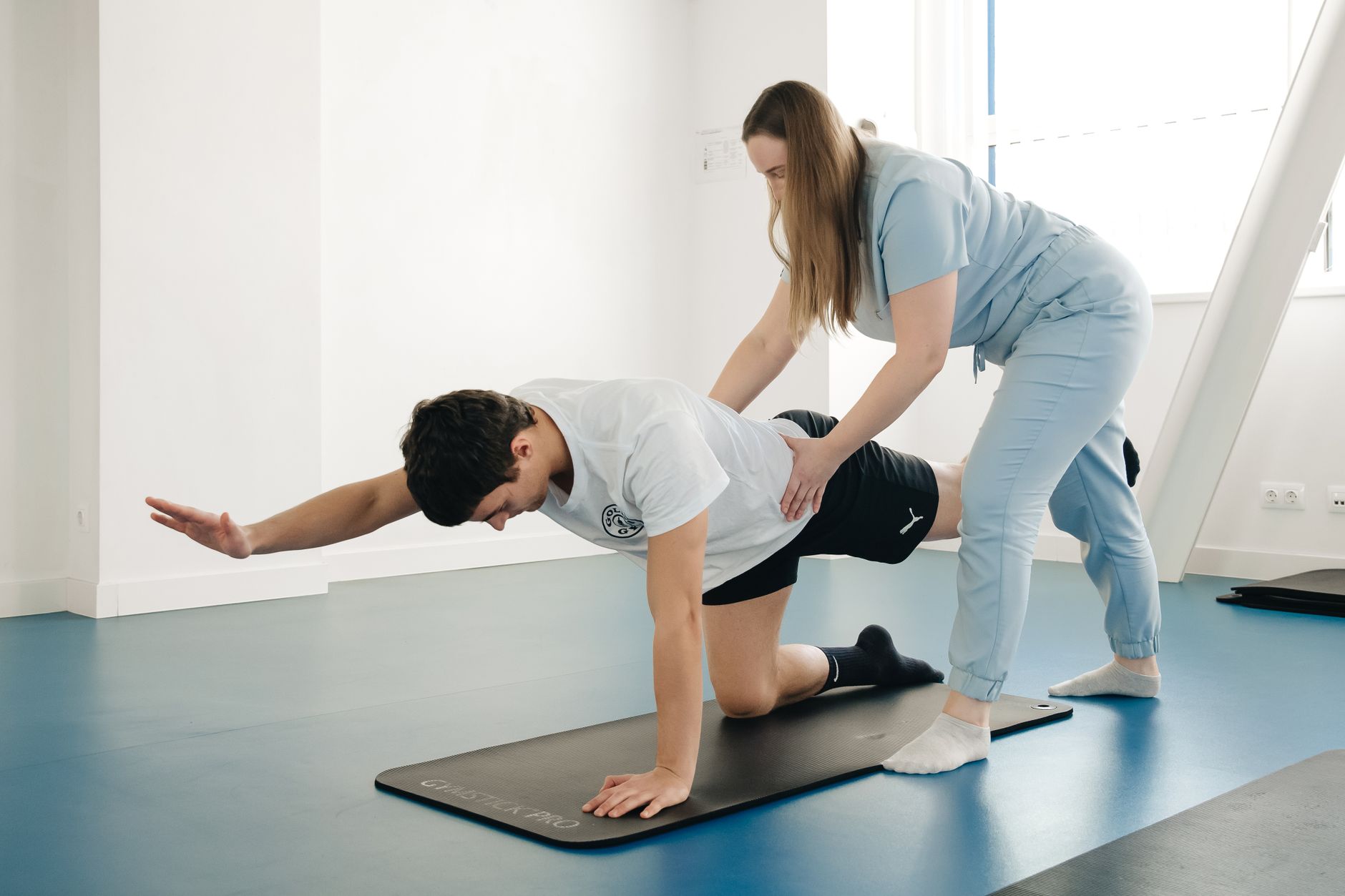
Embarking on a 30-day Tai Chi walking practice requires a structured, patient, and evidence-informed approach. The goal is to integrate the principles of mindful movement into a sustainable routine, not to achieve mastery. The following framework is designed to build competence and confidence progressively.
Structuring Your Practice
Begin with short, focused sessions. A realistic 30-day progression might look like this:
- Days 1-10 (Foundation): Practice for 10-15 minutes, 3-4 times per week. Focus solely on posture and weight shifting. Stand with feet shoulder-width apart, soften your knees, and practice slowly shifting your weight from one foot to the other without stepping.
- Days 11-20 (Integration): Increase to 15-20 minutes, 4-5 times per week. Introduce the basic stepping motion. Concentrate on placing your heel down first, then rolling smoothly through the foot, maintaining a continuous, unhurried flow.
- Days 21-30 (Coordination): Aim for 20-25 minutes, 5-6 times per week. Begin to integrate arm movements, such as holding the "ball of energy" posture or allowing arms to swing gently in opposition to your legs, coordinating breath with movement.
Evidence and Expectations
It is important to align expectations with the scientific literature. Evidence for Tai Chi's benefits on balance, fall prevention, and stress reduction is robust, supported by numerous randomized controlled trials. However, studies specifically on "Tai Chi walking" as a distinct modality are more limited; its benefits are extrapolated from the broader, well-established Tai Chi and Qigong evidence base.
Noticeable improvements in proprioception (body awareness) and gait stability may be perceived within a few weeks. Psychological benefits like reduced anxiety often appear earlier than significant physical changes. Do not be discouraged if progress feels slow; neuromuscular repatterning requires consistent, mindful repetition.
Clinical Perspective: From a rehabilitation standpoint, the slow, controlled weight transfer of Tai Chi walking is excellent for retraining balance and coordination. The emphasis on mindful movement enhances motor learning. However, the slow pace means it does not provide cardiovascular conditioning equivalent to brisk walking; it should be considered a complementary practice for neuromotor and mental health, not a replacement for aerobic exercise.
Essential Safety and Precautions
While generally safe, certain individuals should exercise caution or consult a healthcare provider before beginning:
- Those with significant balance disorders, severe osteoporosis, or acute joint injuries (e.g., recent ankle sprain, knee replacement).
- Individuals with uncontrolled hypertension or vertigo, as the slow movements and focus on internal sensation can sometimes initially heighten awareness of dizziness.
- Always practice in a clear, safe space where you can use a wall or sturdy chair for support if needed, especially in the initial learning phase.
Listen to your body. Discomfort from using new muscle groups is normal, but sharp or joint-specific pain is a signal to stop and reassess your alignment or load. This 30-day journey is an investment in mindful movement; consistency with self-compassion yields the most sustainable results.
5. Safety Considerations and When to Consult a Healthcare Provider

Tai Chi walking is a low-impact, mindful practice with a strong safety profile, supported by extensive evidence for its benefits in balance, mobility, and stress reduction. However, as with any physical activity program, a prudent approach is essential to mitigate risk and ensure the practice is appropriately tailored to your individual health status.
General Safety and Injury Prevention
While the risk of acute injury is low, musculoskeletal strain is possible, particularly when learning new movement patterns. Adhering to foundational principles is key to safety:
- Start Slowly and Progress Gradually: Begin with short sessions of 5-10 minutes, focusing on posture and basic weight shifting before attempting longer walks or more complex arm movements.
- Prioritize Proper Alignment: Maintain a soft, upright posture. Avoid locking the knees or overarching the lower back. Discomfort in the knees, hips, or back is a signal to check your form.
- Choose a Safe Environment: Practice on a flat, even, non-slip surface free of obstacles. Ensure good lighting if practicing indoors.
- Listen to Your Body: Distinguish between the mild muscle fatigue of new activity and sharp, localized pain. The former is acceptable; the latter is a sign to stop and rest.
Clinical Insight: From a rehabilitation perspective, Tai Chi walking is often used therapeutically. However, the "correct" form must be adapted to the individual. For someone with severe osteoarthritis, a wider stance for stability may be necessary, even if it deviates from a classical posture. The primary goal is safe, pain-free movement that builds confidence.
When to Consult a Healthcare Provider First
It is strongly recommended to seek guidance from a physician or relevant specialist (e.g., cardiologist, physical therapist, neurologist) before beginning if you have:
- Unmanaged or Significant Cardiovascular Conditions: Such as unstable angina, uncontrolled hypertension, or heart failure.
- Active or Unstable Musculoskeletal Issues: Including acute injuries, recent surgery (especially hip or knee), severe osteoporosis, or active inflammatory arthritis.
- Neurological Conditions Affecting Balance: Like Parkinson’s disease, peripheral neuropathy, or a history of recurrent falls. A tailored program under supervision may be ideal.
- Vestibular Disorders or Frequent Dizziness: The slow, turning movements in some Tai Chi walking sequences may provoke symptoms.
- Pregnancy, Particularly in the Second or Third Trimester: While gentle movement is encouraged, balance shifts and joint laxity require modified practice and professional approval.
If you experience dizziness, chest pain, shortness of breath disproportionate to effort, or a sudden increase in joint pain during practice, stop immediately and consult your doctor. A proactive discussion with a healthcare provider ensures your 30-day journey is both safe and effective, allowing you to build a sustainable practice grounded in self-awareness and clinical wisdom.
6. Questions & Expert Insights
Is Tai Chi walking really effective for improving balance and preventing falls?
The evidence for Tai Chi's benefits on balance and fall prevention is among the strongest in the field of mind-body exercise. Systematic reviews and meta-analyses, such as those published in the *Journal of the American Geriatrics Society*, consistently show that regular Tai Chi practice can significantly improve postural stability, increase lower-body strength, and reduce the fear of falling, particularly in older adults. The slow, controlled weight-shifting and single-leg stances inherent in Tai Chi walking directly challenge and train the proprioceptive and neuromuscular systems responsible for balance. It's important to note that while the evidence is robust for fall *risk reduction*, it is not a guarantee against falls. The benefits are dose-dependent, meaning consistency over weeks and months is key. For those with significant balance impairment, starting under supervision in a class setting is the safest approach.
What are the potential risks or side effects, and who should be especially cautious?
Tai Chi walking is generally low-impact and safe for most people, but it is not without risks. The most common issues are musculoskeletal, such as knee or ankle strain, particularly if postures are performed with incorrect alignment or if an individual pushes too deeply into a stance. Dizziness can occur during turning movements or with specific breathing techniques. Individuals with certain conditions should exercise extreme caution or seek medical clearance first: those with severe osteoporosis (due to fracture risk from twisting), uncontrolled hypertension, acute vertigo, significant joint instability (e.g., severe knee osteoarthritis or recent ligament repair), or certain eye conditions like advanced glaucoma. Anyone with a history of falls should practice near a stable support surface, like a countertop or wall.
I have a chronic health condition. When should I talk to my doctor before starting?
Consulting a physician is strongly advised if you have any unstable or significant chronic condition. Key times to have this conversation are before starting if you have: diagnosed heart disease (e.g., heart failure, arrhythmia), respiratory conditions like COPD, neurological disorders (e.g., Parkinson’s disease, peripheral neuropathy), or are in the later stages of pregnancy. For this conversation, come prepared. Bring a brief description of what Tai Chi walking entails (slow walking with deliberate weight shifts and gentle rotations). Specifically ask: "Are there any movement restrictions I should follow given my [state your condition]?" and "Based on my current medications [list them], are there any symptoms like dizziness or shortness of breath I should monitor closely as an early warning to stop?" This allows for personalized, risk-aware guidance.
How long does it take to see tangible wellness benefits from this practice?
Timelines for perceiving benefits vary based on the individual's starting point and the specific outcome measured. For psychological benefits like reduced stress and improved mood, some practitioners report feeling a sense of calm and mental clarity after just a few sessions, likely related to the meditative, focused nature of the practice. For physical metrics like balance and flexibility, more consistent practice is needed. Preliminary research, such as a 2016 study in *Evidence-Based Complementary and Alternative Medicine*, suggests that measurable improvements in balance and gait can be detected after 8 to 12 weeks of regular practice (e.g., 2-3 times per week). It is crucial to manage expectations: Tai Chi is a skill-based exercise, and early sessions may feel challenging or awkward. The holistic "wellness" benefit often accumulates subtly over time through consistent practice, rather than appearing as a dramatic, immediate change.
7. In-site article recommendations
8. External article recommendations
Related Resources
9. External resources
The links below point to reputable medical and evidence-based resources that can be used for further reading. Always interpret them in the context of your own situation and your clinician’s advice.
-
wikipedia wikipedia.orgTai Chi Walking – Wikipedia (search)
-
healthline healthline.comTai Chi Walking – Healthline (search)
-
examine examine.comTai Chi Walking – Examine.com (search)
These external resources are maintained by third-party organisations. Their content does not represent the editorial position of this site and is provided solely to support readers in accessing additional professional information.