
1. Introduction to Low-Carbohydrate Diets in Diabetes Management
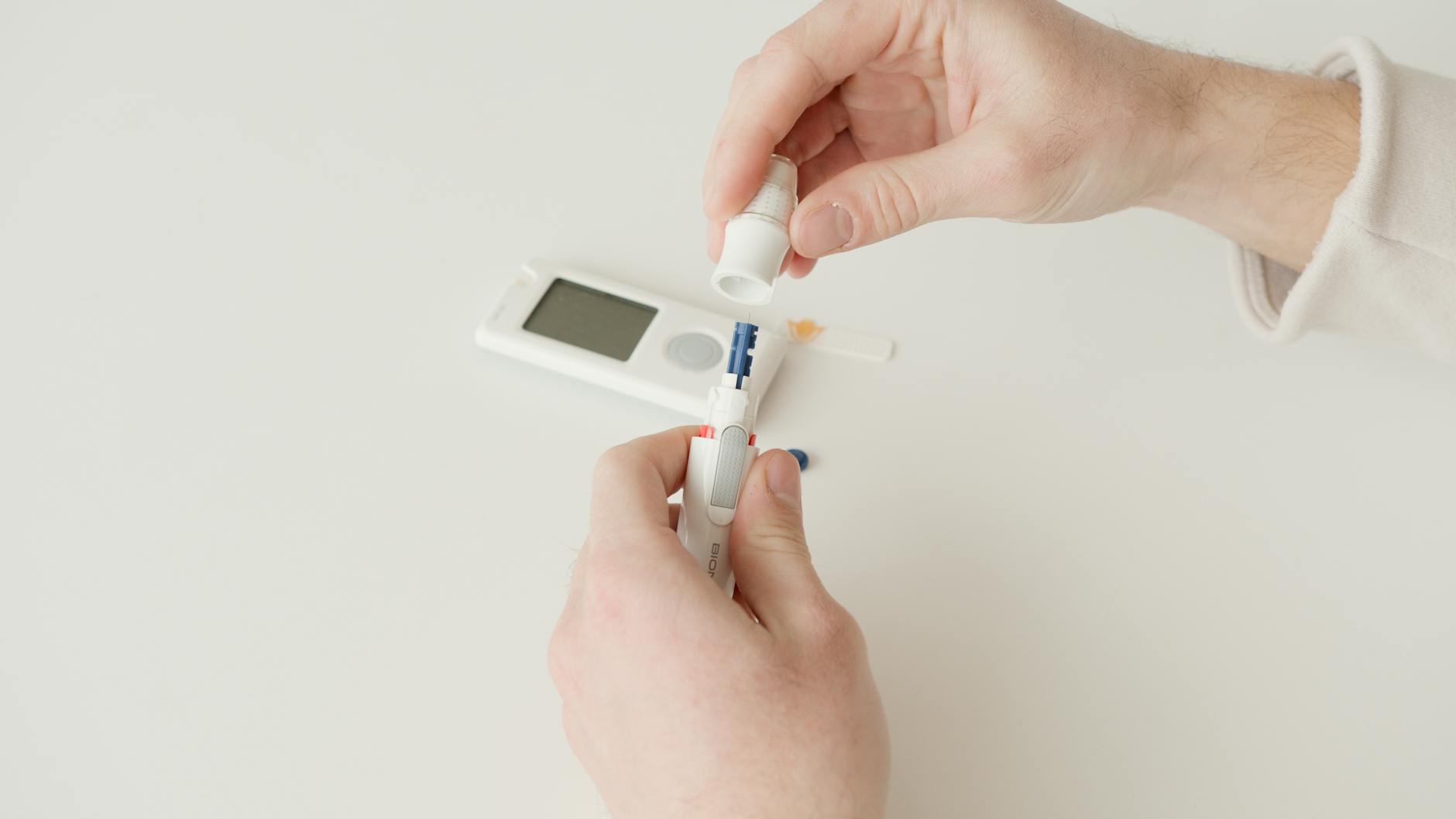
For individuals with diabetes, dietary management is a cornerstone of glycemic control. Among various nutritional strategies, low-carbohydrate diets have garnered significant attention from clinicians and researchers. This approach fundamentally involves reducing the intake of carbohydrates—the macronutrient with the most direct impact on postprandial blood glucose levels—and replacing them with foods higher in protein, healthy fats, and non-starchy vegetables.
The physiological rationale is clear: by limiting carbohydrate consumption, the body requires less insulin to manage blood sugar. This can lead to several potential benefits, particularly for type 2 diabetes, including:
- Improved glycemic control and reduced hemoglobin A1c (HbA1c) levels.
- Decreased glycemic variability and post-meal glucose spikes.
- Potential reduction in medication requirements, including insulin, under medical supervision.
- Weight loss, which can improve insulin sensitivity.
Evidence supporting low-carbohydrate diets for diabetes management is robust in the short to medium term. Multiple randomized controlled trials and systematic reviews have demonstrated their efficacy for improving key metabolic markers. However, it is crucial to distinguish this from claims of a "cure." The evidence for long-term sustainability and cardiovascular outcomes over decades is more mixed, highlighting the importance of individualized, long-term planning.
Clinical Perspective: In practice, a "low-carbohydrate" diet is not a single entity. Definitions vary, typically ranging from 20 to 130 grams of digestible carbohydrates per day. The most restrictive plans (e.g., 20-50 g/day) induce nutritional ketosis and require meticulous management. A more moderate reduction (e.g., 50-100 g/day) is often a sustainable starting point for many patients. The optimal range depends entirely on the individual's metabolic health, medications, and personal preferences.
This dietary shift requires careful consideration and medical guidance. Certain individuals should exercise extreme caution or avoid initiating a low-carbohydrate plan without direct supervision from their healthcare team:
- Those taking insulin or insulin secretagogues (e.g., sulfonylureas), due to the high risk of hypoglycemia.
- Individuals with advanced kidney disease.
- People with a history of disordered eating.
- Pregnant or breastfeeding women.
This chapter serves as a foundation for understanding the principles and precautions of a low-carbohydrate dietary approach. The following sections will translate this knowledge into a structured, evidence-informed 30-day plan, emphasizing safety, nutrient adequacy, and practical implementation.
2. Evidence Base and Physiological Mechanisms

The rationale for a low-carbohydrate dietary approach in type 2 diabetes management is grounded in its direct impact on core physiological dysfunctions: insulin resistance and hyperglycemia. By significantly reducing dietary carbohydrate intake—typically to less than 130 grams or 26% of total daily calories—the plan aims to lower the primary driver of postprandial blood glucose elevation.
The resulting physiological mechanisms are well-documented:
- Reduced Glycemic Load: Fewer carbohydrates mean less glucose enters the bloodstream, requiring less insulin for management.
- Improved Insulin Sensitivity: Lower insulin levels can help reduce the cellular insulin resistance characteristic of type 2 diabetes.
- Potential for Weight Loss: The diet often promotes satiety and may lead to a reduction in caloric intake, aiding in weight loss, which itself improves metabolic parameters.
Evidence from randomized controlled trials and systematic reviews supports these mechanisms. Multiple meta-analyses conclude that low-carbohydrate diets are effective for improving key markers over short-to-medium terms (6 to 12 months), including:
- Reductions in hemoglobin A1c (HbA1c).
- Lowering of fasting blood glucose.
- Improvements in triglyceride and HDL cholesterol levels.
Clinical Perspective: While the evidence for glycemic improvement is strong, it is crucial to note the mixed evidence on long-term sustainability and cardiovascular outcomes. Many trials have short follow-up periods. Furthermore, individual responses vary significantly, and a diet very high in saturated fats may pose risks for some individuals, necessitating professional guidance for personalization.
It is important to distinguish this from a state of nutritional ketosis, which is a more restrictive protocol. A standard 30-day low-carb plan for diabetes focuses on carbohydrate moderation rather than induction of sustained ketosis, making it a more accessible initial intervention.
Who should exercise caution? Individuals with type 1 diabetes, those with advanced kidney disease, individuals on specific medications (particularly SGLT2 inhibitors or insulin, due to heightened hypoglycemia risk), and those with a history of disordered eating should not initiate a low-carb plan without direct supervision from their physician or a registered dietitian. Medication adjustment is often required and must be managed by a healthcare provider.
3. Risks, Contraindications, and Special Populations

While a structured low-carbohydrate diet can be a powerful tool for glycemic control, it is not universally appropriate. A clinically responsible plan requires a thorough assessment of individual health status and potential risks. The following populations require particular caution or should avoid this approach without direct medical supervision.
Absolute and Relative Contraindications
Certain medical conditions make a standard low-carbohydrate plan potentially dangerous. These include:
- Severe Kidney Impairment (eGFR <30 mL/min): High protein intake, which may accompany some low-carb plans, can exacerbate kidney stress. Dietary protein must be carefully managed by a nephrologist or renal dietitian.
- Active Liver Disease: The liver plays a central role in metabolizing fats and proteins. Imposing a significant dietary shift without specialist guidance can be harmful.
- History of Disordered Eating: Any restrictive dietary protocol can trigger relapse in individuals with a history of anorexia, bulimia, or binge-eating disorder.
- Pregnancy and Lactation: Carbohydrate needs are higher during these periods to support fetal and infant development. A strict low-carb approach is not recommended.
Populations Requiring Medical Supervision
For others, a low-carb plan can be beneficial but requires close monitoring and medication adjustments.
- Individuals on Insulin or Sulfonylureas (e.g., glipizide, glyburide): Reducing carbohydrate intake dramatically increases the risk of hypoglycemia. Medication doses, especially insulin, must be proactively reduced under a doctor's guidance, often starting on the first day of the diet.
- Those with Type 1 Diabetes: Managing insulin alongside ketosis requires expert knowledge to avoid diabetic ketoacidosis (DKA) or severe hypoglycemia.
- Individuals on SGLT2 Inhibitors (e.g., empagliflozin, canagliflozin): This drug class, combined with a low-carb diet, significantly elevates the risk of euglycemic DKA, a dangerous condition with normal blood sugar levels. A low-carb diet is generally contraindicated for these patients.
Clinical Insight: The most common and immediate risk in clinical practice is hypoglycemia from unadjusted diabetes medications. Before starting, patients must have a clear, written plan with their provider for reducing insulin or sulfonylurea doses. Furthermore, "keto flu" symptoms (headache, fatigue, irritability) are common in the first week due to fluid and electrolyte shifts. Ensuring adequate sodium, potassium, and water intake can mitigate this.
In summary, a 30-day low-carb plan is a significant metabolic intervention. It is strongly advised that anyone with diabetes, especially those on medication, consult their physician or an endocrinologist to assess personal risks, adjust medications, and establish appropriate monitoring before beginning.
4. Practical Implementation of a 30-Day Low-Carb Plan

Implementing a 30-day low-carbohydrate plan for diabetes management requires a structured, phased approach to ensure safety, sustainability, and metabolic adaptation. The primary goal is to reduce glycemic variability and improve insulin sensitivity, not simply to eliminate food groups.
Begin with a preparation phase (days 1-3). This involves clearing your pantry of high-sugar and ultra-processed foods, planning your first week's meals, and informing your healthcare provider. It is crucial to establish a baseline by checking your fasting and post-meal blood glucose levels. Stock up on non-starchy vegetables, quality proteins, healthy fats, and low-glycemic flavorings.
The initial adaptation phase (days 4-14) is when carbohydrate intake is significantly reduced, typically to 20-50 grams of net carbs per day. Focus on whole foods:
- Proteins: Fish, poultry, eggs, tofu.
- Non-starchy vegetables: Leafy greens, broccoli, cauliflower, peppers.
- Healthy fats: Avocado, olive oil, nuts, seeds.
During this period, some individuals may experience transient "keto flu" symptoms like fatigue or headache, which often resolve with adequate electrolyte and fluid intake. Monitor blood glucose closely, as medication adjustments may be necessary to prevent hypoglycemia.
The consolidation and refinement phase (days 15-30) involves fine-tuning. Based on your glucose logs, you may experiment with slightly increasing carbohydrate intake from high-fiber sources like berries or legumes to find your personal tolerance threshold. Pay attention to energy levels, satiety, and any digestive changes.
Consistently track not just glucose but also how you feel. Use the final week to plan for beyond the 30 days, considering whether a continued low-carb or a modified low-glycemic approach is more sustainable for you. Always consult your physician or a registered dietitian specializing in diabetes to review your progress and adjust any medical therapy.
5. Safety Monitoring and When to Consult Healthcare Providers

Initiating a 30-day low-carbohydrate plan for diabetes management requires proactive and consistent safety monitoring. This is not a passive process; it is an essential component of responsible self-management that helps identify both positive responses and potential risks early.
Essential Parameters to Track
Daily self-monitoring of blood glucose (SMBG) is the cornerstone. Pay particular attention to fasting and post-meal readings to understand your body's response to the dietary change. The goal is to observe trends toward improved glycemic control while vigilantly avoiding hypoglycemia, especially if you are on medications like insulin or sulfonylureas.
- Blood Glucose: Check as recommended by your healthcare team, typically upon waking and 1-2 hours after meals.
- Ketones: For individuals with type 1 diabetes or insulin-deficient type 2 diabetes, monitoring for ketones (via urine strips or blood meters) is critical to avoid the risk of diabetic ketoacidosis (DKA).
- Blood Pressure & Weight: Track these weekly, as positive changes can be motivating markers of progress.
It is strongly advised to consult your physician or endocrinologist before starting the plan. Medication adjustments—often reductions in insulin or oral hypoglycemic agents—are frequently necessary and must be done under professional supervision to prevent dangerous lows.
Clinical Insight: The most significant immediate risk when combining a low-carb diet with diabetes medication is hypoglycemia. We often use the principle of "start low, go slow," reducing medication doses proactively at the outset rather than reacting to low readings. Patients should never discontinue or drastically alter medication regimens without direct medical guidance.
Who Should Exercise Extra Caution?
Certain individuals should approach this dietary change with particular caution and only under close medical supervision:
- Those with a history of severe hypoglycemia or hypoglycemia unawareness.
- Individuals with advanced kidney disease (CKD stages 3b-5), due to potential protein intake considerations and electrolyte shifts.
- People taking SGLT2 inhibitors, due to a potentially increased risk of euglycemic DKA.
- Those with liver disease or gallbladder issues.
- Pregnant or breastfeeding individuals.
Finally, schedule a follow-up appointment with your healthcare provider within the first 1-2 weeks of starting the plan. This allows for review of your glucose logs, assessment of any side effects (like the "keto flu"), and further fine-tuning of medications. Ongoing communication with your care team is the most effective safety strategy.
6. Questions & Expert Insights
Is a 30-day low-carb plan safe for everyone with type 2 diabetes?
No, it is not universally safe. While many individuals with type 2 diabetes may benefit, this approach requires careful consideration and medical supervision for certain groups. It is generally not recommended for individuals with advanced kidney disease, as high protein intake can exacerbate renal stress. Those with a history of disordered eating should avoid restrictive dietary protocols. People taking specific diabetes medications, particularly insulin or sulfonylureas (e.g., glimepiride, glyburide), are at significant risk of hypoglycemia when reducing carbohydrate intake and must coordinate closely with their doctor for medication adjustment. Pregnant or breastfeeding individuals and those with severe liver disease should also avoid initiating such a plan without specialist guidance. The initial phase can also cause "keto flu" symptoms like headache and fatigue, and long-term adherence raises questions about nutritional adequacy and sustainability for some.
How quickly can I expect to see improvements in my blood sugar levels?
Improvements in fasting blood glucose and post-meal spikes can often be observed within days of consistently reducing carbohydrate intake, as the direct dietary glucose load decreases. However, more sustained markers like HbA1c, which reflects average blood sugar over ~3 months, will take longer to show full change. The speed and magnitude of improvement depend on individual factors: baseline insulin resistance, medication regimen, adherence, and overall metabolic health. It is crucial to manage expectations; while initial drops can be encouraging, they do not guarantee long-term success without sustainable habits. Evidence from randomized trials shows significant HbA1c reductions at 3-6 months, but data on durability beyond one year is more mixed, highlighting the importance of a long-term maintenance strategy.
What are the most important things to discuss with my doctor before starting this plan?
Before starting, schedule a proactive conversation with your doctor or diabetes educator. Bring a detailed log of your recent blood glucose readings, a complete list of all medications and supplements (with dosages), and a draft of the low-carb plan you intend to follow. Key discussion points must include: 1. Medication Adjustment: A plan for safely reducing insulin or sulfonylurea doses to prevent hypoglycemia. 2. Monitoring Protocols: How often to check blood sugar and ketones (if relevant). 3. Health Metrics: Agreeing on follow-up tests for kidney function, lipids, and HbA1c. 4. Contraindications: Reviewing your personal health history for any red flags. This collaborative approach ensures the dietary change is integrated safely into your overall medical management.
Will a low-carb diet improve my cholesterol, or could it make it worse?
This is a nuanced area with variable individual responses. In the short term (first 3-6 months), a well-formulated low-carb plan often leads to an increase in HDL ("good") cholesterol and a decrease in triglycerides—a favorable pattern. The effect on LDL ("bad") cholesterol is less predictable. While many people see no change or a decrease, a significant minority experience a substantial rise in LDL particle concentration, particularly if the diet is high in saturated fats. This "hyper-responder" phenotype necessitates monitoring. Long-term cardiovascular outcome data specific to low-carb diets in diabetes remain limited. Therefore, a baseline lipid panel and a follow-up test after 3-4 months are essential. If LDL rises markedly, a dietary modification—replacing some saturated fats with unsaturated ones—is often the first clinical recommendation.
7. In-site article recommendations
8. External article recommendations
9. External resources
The links below point to reputable medical and evidence-based resources that can be used for further reading. Always interpret them in the context of your own situation and your clinician’s advice.
-
examine examine.com30-day low-carb plan – Examine.com (search)
-
drugs drugs.com30-day low-carb plan – Drugs.com (search)
-
wikipedia wikipedia.org30-day low-carb plan – Wikipedia (search)
These external resources are maintained by third-party organisations. Their content does not represent the editorial position of this site and is provided solely to support readers in accessing additional professional information.