
1. Introduction to the Mediterranean Diet and Hormonal Health
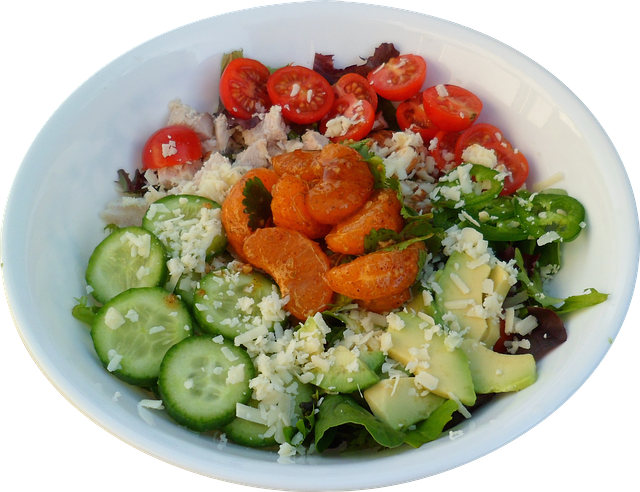
The Mediterranean diet is not a restrictive meal plan but a holistic dietary pattern inspired by the traditional eating habits of countries bordering the Mediterranean Sea. It is consistently ranked among the healthiest dietary approaches, with decades of high-quality evidence supporting its benefits for cardiovascular health, metabolic function, and longevity. Its core principles emphasize whole, minimally processed foods.
- Abundant plant foods: Fruits, vegetables, whole grains, legumes, nuts, and seeds.
- Healthy fats as a primary fat source: Primarily extra virgin olive oil.
- Moderate intake: Fish, poultry, dairy (especially yogurt and cheese), and eggs.
- Limited consumption: Red meat, processed foods, and added sugars.
- Lifestyle integration: Often paired with regular physical activity and shared meals.
Emerging research suggests this pattern may also offer significant benefits for hormonal balance. Hormones are chemical messengers that regulate nearly every bodily process, from metabolism and stress response to reproductive health and mood. Dietary patterns profoundly influence the production, metabolism, and sensitivity of these hormones.
The evidence linking the Mediterranean diet to improved hormonal markers is promising but nuanced. Strong, consistent data shows it improves insulin sensitivity and reduces systemic inflammation—two foundational pillars for balanced sex hormones (like estrogen and testosterone) and stress hormones (like cortisol). Observational studies associate the diet with more regular menstrual cycles and reduced risk of polycystic ovary syndrome (PCOS) symptoms. However, direct, large-scale intervention trials focusing specifically on hormonal endpoints are more limited, indicating an area for further research.
Clinical Perspective: From an endocrinological standpoint, the diet’s mechanisms are logical. Its high fiber content aids in estrogen metabolism and excretion. Its anti-inflammatory fats can help lower cortisol and improve cell receptor sensitivity to hormones like insulin. It’s a supportive, rather than a targeted, intervention for hormonal health.
It is important to approach any dietary change with caution. Individuals with pre-existing conditions such as kidney disease (due to potential high potassium intake), those on specific medications like blood thinners (affected by vitamin K in leafy greens), or individuals with a history of disordered eating should consult a physician or a registered dietitian before making significant changes. This chapter provides an educational foundation; personalized medical advice is essential.
2. Evidence-Based Mechanisms: How Diet Influences Hormones
The Mediterranean diet's influence on hormonal health is not a single mechanism but a synergistic effect of its core nutritional principles. These principles interact with fundamental physiological pathways to promote endocrine balance.
Direct Modulation of Insulin and Inflammation
Strong evidence supports the diet's role in improving insulin sensitivity and reducing chronic, low-grade inflammation—two pillars of hormonal dysregulation. The high fiber content from vegetables, legumes, and whole grains slows glucose absorption, blunting insulin spikes. Furthermore, the monounsaturated fats from olive oil and the omega-3 fatty acids from fish and nuts are potent modulators. They help reduce the production of pro-inflammatory cytokines like TNF-alpha and IL-6, which can interfere with hormone receptor signaling.
- Insulin: Stable blood sugar reduces the demand on pancreatic beta-cells and lowers circulating insulin, which can otherwise promote androgen production and disrupt ovulation.
- Inflammation: Reduced inflammatory markers create a more favorable environment for hormone synthesis, transport, and cellular response.
Support for Synthesis and Detoxification
The diet provides essential substrates for hormone production and pathways for their metabolism. For example, cholesterol from sources like eggs is a necessary precursor for steroid hormones like estrogen, progesterone, and testosterone. Cruciferous vegetables (e.g., broccoli, kale) contain compounds like indole-3-carbinol, which may support the liver's phase II detoxification pathways, aiding in the balanced metabolism and excretion of excess hormones.
Clinical Perspective: While the anti-inflammatory and insulin-sensitizing effects are well-established, evidence for the direct impact of specific foods (like cruciferous vegetables) on human hormone levels is more preliminary and often based on observational or mechanistic studies. The overall dietary pattern is likely more impactful than any single component.
Cautions and Considerations
Individuals with existing thyroid conditions, particularly hypothyroidism, should discuss high intake of raw cruciferous vegetables with their doctor, as very large amounts may interfere with iodine uptake. Those with significant insulin resistance, PCOS, or other endocrine disorders should implement dietary changes under the guidance of a physician or registered dietitian to ensure it aligns with their overall management plan.
In summary, the Mediterranean diet acts through interconnected mechanisms—stabilizing insulin, quenching inflammation, and providing nutritional building blocks—to create a systemic environment conducive to hormonal equilibrium.
3. Identifying Risks and Contraindications
While the Mediterranean diet is widely recognized for its safety and health benefits, a structured 30-day plan for hormonal balance is not universally appropriate. A clinically responsible approach requires identifying individuals for whom this dietary shift may pose risks or require significant modification under medical supervision.
Key contraindications and cautions include:
- Existing Medical Conditions: Individuals with chronic kidney disease, particularly those on potassium-restricted diets, must be cautious with the increased intake of high-potassium foods like tomatoes, leafy greens, and legumes. Those with severe liver disease may require modified fat and protein intake.
- Medication Interactions: The diet's high vitamin K content from leafy greens can interfere with the anticoagulant effect of warfarin, requiring consistent intake and close INR monitoring. Significant weight loss from dietary change can also alter the dosage requirements for medications managing diabetes, hypertension, or thyroid disorders.
- History of Disordered Eating: A structured 30-day plan with specific food rules can be triggering for individuals with a history of anorexia, bulimia, or orthorexia. The focus should shift to general principles of intuitive eating rather than strict adherence.
- Specific Food Allergies or Intolerances: Core components like tree nuts, seeds, wheat, or seafood are common allergens. The plan must be adapted to exclude triggers while maintaining nutritional adequacy.
Clinical Insight: From an endocrinology perspective, "hormonal balance" is a non-specific goal. A patient with PCOS, menopause, or hypothyroidism will have different nutritional priorities and risk profiles. For instance, a menopausal woman with osteopenia needs to ensure the plan provides adequate calcium and vitamin D, which may not be emphasized in a standard Mediterranean diet framework. Always contextualize the diet within the individual's specific hormonal diagnosis.
It is also important to distinguish between the strong evidence for the Mediterranean diet's benefits on metabolic health (which indirectly supports hormonal systems) and the more limited direct evidence for its impact on specific hormonal conditions over a 30-day period. Short-term changes may improve markers like insulin sensitivity, but effects on sex hormones or thyroid function are less predictable and require longer-term evaluation.
Before embarking on this or any structured dietary plan, individuals with diagnosed medical conditions, those taking prescription medications, pregnant or breastfeeding women, and those with a history of eating disorders should consult their physician or a registered dietitian. This ensures the approach is tailored safely to their unique health profile.
4. Practical Steps for a 30-Day Mediterranean Diet Plan
Implementing a 30-day Mediterranean diet plan for hormonal balance requires a structured, evidence-based approach. The core principle is to shift your dietary pattern towards whole foods rich in fiber, healthy fats, and phytonutrients, which have been associated in observational studies with improved insulin sensitivity, reduced inflammation, and more stable sex hormone levels. It is important to note that while the Mediterranean diet is one of the most extensively researched dietary patterns for general health, specific high-quality, long-term trials on its direct impact on conditions like polycystic ovary syndrome (PCOS) or perimenopausal symptoms are more limited but promising.
Week 1: Foundation & Pantry Reset
Focus on establishing your foundational foods and removing ultra-processed items. This phase is about preparation, not perfection.
- Stock Essentials: Fill your pantry with extra virgin olive oil, legumes (lentils, chickpeas), whole grains (quinoa, farro, oats), nuts, seeds, and a variety of herbs and spices.
- Prioritize Plants: Aim to make vegetables the centerpiece of at least two meals per day. Incorporate a wide color variety for diverse polyphenols.
- Smart Swaps: Replace refined grains with whole grains and swap red or processed meats for fatty fish (like salmon or sardines) at least twice weekly.
Weeks 2-3: Integration & Routine
Build consistent daily habits and observe how your body responds. Hormonal changes are subtle and occur over time.
- Build Balanced Plates: Use a simple template: ½ plate non-starchy vegetables, ¼ plate lean protein (fish, poultry, legumes), ¼ plate whole grains or starchy vegetables, topped with a serving of healthy fat (olive oil, avocado, nuts).
- Incorporate Fermented Foods: Add a daily serving of plain yogurt, kefir, or fermented vegetables to support gut microbiome diversity, which is preliminarily linked to estrogen metabolism.
- Mindful Hydration: Focus on water and herbal teas. Limit sugar-sweetened beverages and be mindful of alcohol, reserving it for occasional, moderate consumption with meals.
Week 4: Refinement & Sustainability
Solidify the pattern as a sustainable lifestyle, not a short-term diet.
- Listen to Your Body: Note changes in energy, digestion, cravings, or cycle regularity. Keep a simple food-mood journal if helpful.
- Practice Social Integration: Apply the principles when dining out or with family. Choose grilled fish, salads with olive oil dressing, and vegetable-based dishes.
- Plan for Continuity: Create a basic weekly meal prep routine that includes batch-cooking grains, legumes, and roasted vegetables to maintain the pattern beyond 30 days.
Clinical Consideration: While this dietary pattern is widely considered safe and beneficial, individuals with specific medical conditions should exercise caution. Those with known kidney disease may need to monitor legume and nut intake with a clinician. Individuals on blood-thinning medication (e.g., warfarin) should maintain consistent vitamin K intake from leafy greens. Anyone with a history of disordered eating should focus on the dietary pattern's abundance rather than restriction. Consulting with a registered dietitian or endocrinologist can help personalize this approach, especially for those with diagnosed hormonal conditions like PCOS, thyroid disorders, or diabetes.
5. Safety Monitoring and Professional Consultation
While the Mediterranean diet is widely regarded as a safe and sustainable dietary pattern, any significant change to your nutrition, especially when undertaken to influence hormonal health, warrants a structured approach to safety monitoring. This is not a passive process; it involves actively observing your body's responses and knowing when to seek professional guidance.
During your 30-day plan, keep a simple log to track both positive changes and any potential concerns. Note changes in energy levels, digestion, sleep quality, and mood. For individuals with specific hormonal conditions like Polycystic Ovary Syndrome (PCOS), thyroid disorders, or perimenopausal symptoms, tracking relevant metrics—such as cycle regularity or symptom severity—can provide valuable data for you and your healthcare provider.
Clinical Insight: In practice, we see that dietary changes can sometimes unmask underlying issues. For instance, a significant increase in high-fiber foods may initially cause bloating, which usually resolves but could indicate a need to adjust the pace of change. More importantly, improvements in blood sugar stability from this diet can affect medication requirements for conditions like diabetes, necessitating close medical supervision.
It is crucial to understand the distinction between strong and preliminary evidence. The Mediterranean diet's benefits for metabolic health and inflammation are strongly supported by extensive research, which indirectly supports hormonal balance. However, direct, high-quality evidence linking this specific 30-day dietary structure to measurable changes in specific hormone levels (e.g., cortisol, estrogen, testosterone) in diverse populations is more limited. Outcomes can be highly individual.
The following groups should consult a physician or a registered dietitian before and during this dietary change:
- Individuals with diagnosed medical conditions (e.g., diabetes, kidney disease, liver conditions, autoimmune disorders).
- Those taking medications, especially for blood thinning, blood pressure, blood sugar, or hormone regulation.
- Pregnant or breastfeeding individuals.
- Anyone with a history of disordered eating or a restrictive relationship with food.
A professional can help personalize the diet to your unique health profile, ensure nutritional adequacy, and adjust any concurrent therapies. They provide the authoritative oversight that transforms a general dietary plan into a safe and effective component of your personal health strategy.
6. Questions & Expert Insights
Can the Mediterranean Diet really help balance hormones like estrogen and cortisol?
The Mediterranean diet's influence on hormonal balance is primarily indirect, through its impact on systemic inflammation, insulin sensitivity, and body composition. High-fiber foods and healthy fats support stable blood sugar, which can help regulate insulin and cortisol rhythms. The diet's high intake of polyphenols and antioxidants from vegetables, fruits, and olive oil may help modulate chronic, low-grade inflammation, a known disruptor of endocrine function. For estrogen metabolism, cruciferous vegetables contain compounds like indole-3-carbinol, which preliminary research suggests may support favorable estrogen metabolism pathways. However, direct, high-quality evidence linking the diet to specific hormonal outcomes in diverse populations is still evolving. It is best viewed as a supportive, foundational lifestyle approach rather than a targeted hormonal therapy.
Are there any risks or people who should avoid this 30-day plan?
While generally safe, certain individuals should proceed with caution or modify the plan under medical supervision. Those with known allergies to tree nuts, seeds, or seafood must find suitable substitutions. Individuals with gallbladder disease or a history of oxalate kidney stones may need to moderate high-oxalate foods like spinach and nuts. The diet's high fiber content can cause significant gastrointestinal distress (bloating, gas) if introduced too quickly; a gradual increase is key. Crucially, individuals with active eating disorders or a history of restrictive dieting should avoid any structured "30-day challenge" framing, as it can trigger unhealthy patterns. For those with diabetes on medication, the improved insulin sensitivity may necessitate medication adjustments, requiring close monitoring by their doctor.
What specific evidence supports using this diet for conditions like PCOS or perimenopause?
For Polycystic Ovary Syndrome (PCOS), evidence is more robust. Multiple systematic reviews conclude that Mediterranean-style diets can improve insulin resistance, reduce testosterone levels, and aid weight management—core features of PCOS. The anti-inflammatory effects may also improve related metabolic markers. For perimenopause, the evidence is more observational but promising. Studies link adherence to the Mediterranean diet to reduced severity of vasomotor symptoms (like hot flashes) and a lower risk of weight gain and bone loss during the menopausal transition. The mechanisms are thought to be related to phytoestrogens, healthy fats, and antioxidants. It is critical to note that most studies are observational; they show association, not direct causation, and more randomized controlled trials are needed.
When should I talk to my doctor, and what should I bring to that appointment?
Consult your doctor or a registered dietitian before starting if you have a chronic condition (e.g., diabetes, kidney disease, autoimmune disease), are on medications (especially blood thinners, diabetes drugs, or thyroid medication), or are pregnant/breastfeeding. Schedule a follow-up if you experience persistent fatigue, digestive issues, or changes in your menstrual cycle or medication needs during the 30 days. For the appointment, bring a detailed list of your current medications and supplements, a typical day's meal plan from the diet, and a record of any specific symptoms or health goals (e.g., "reduce PCOS-related fatigue," "manage perimenopausal weight gain"). This allows your provider to assess for nutrient interactions, suggest modifications, and ensure the plan aligns safely with your overall health management.
7. In-site article recommendations
8. External article recommendations
9. External resources
The links below point to reputable medical and evidence-based resources that can be used for further reading. Always interpret them in the context of your own situation and your clinician’s advice.
-
healthline healthline.comMediterranean diet – Healthline (search)
-
wikipedia wikipedia.orgMediterranean diet – Wikipedia (search)
-
mayoclinic mayoclinic.orgMediterranean diet – Mayo Clinic (search)
These external resources are maintained by third-party organisations. Their content does not represent the editorial position of this site and is provided solely to support readers in accessing additional professional information.