
1. Introduction: The Role of Avocado in Ketogenic Diet Satiety
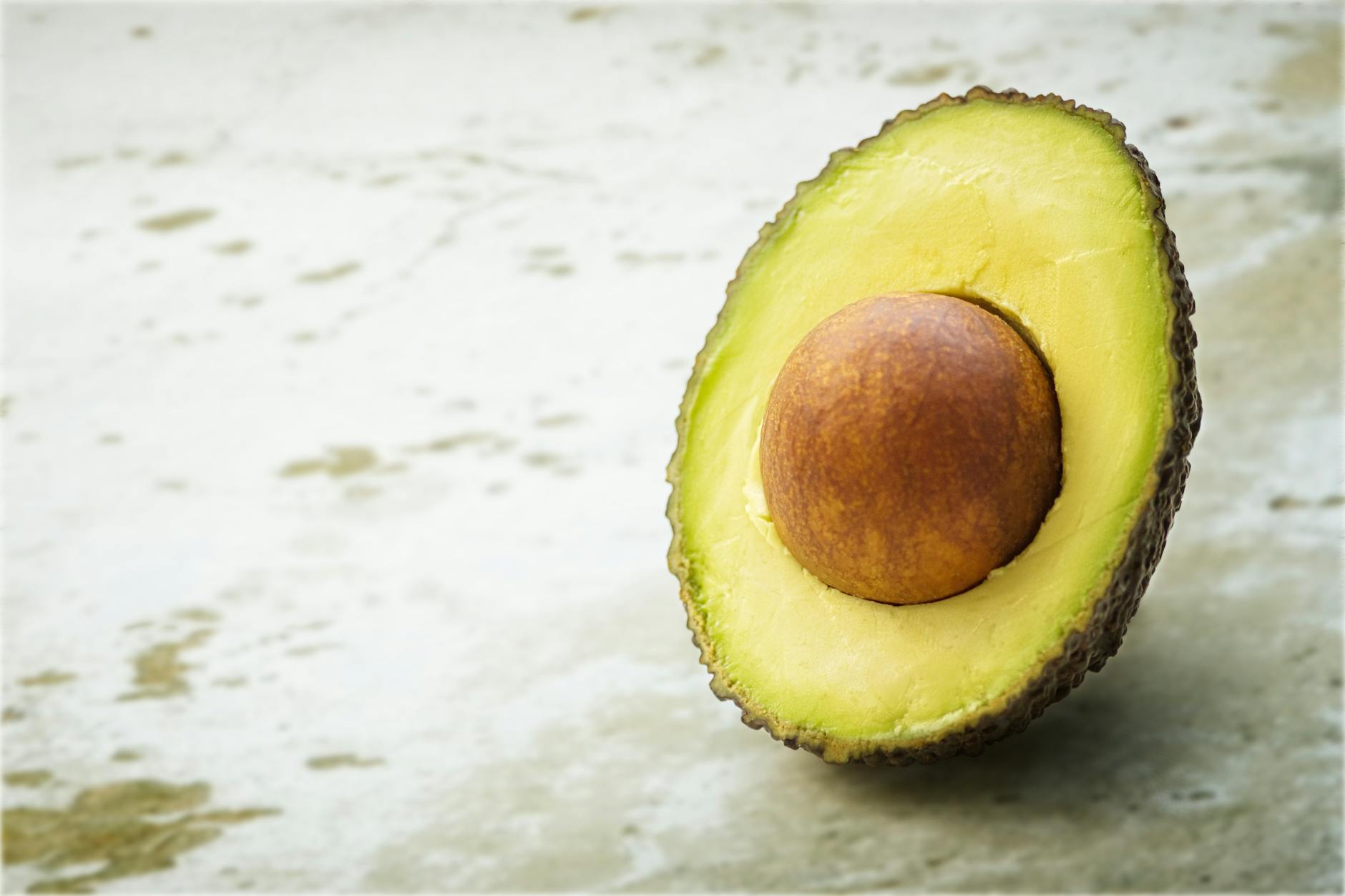
The ketogenic diet, a high-fat, low-carbohydrate nutritional strategy, aims to induce a state of ketosis where the body primarily uses fat for fuel. A significant challenge for individuals adhering to this regimen is achieving and maintaining satiety—the feeling of fullness and satisfaction after a meal—while strictly limiting carbohydrates. This is where nutrient-dense, high-fat foods like avocado become a cornerstone of practical meal planning.
Avocado is uniquely positioned to support satiety on a ketogenic diet due to its specific macronutrient and micronutrient profile. Its primary contributions can be broken down into three key components:
- High Monounsaturated Fat Content: Avocados are rich in oleic acid, a monounsaturated fat. Dietary fat is the most energy-dense macronutrient and is digested slowly, which promotes the release of satiety hormones like cholecystokinin (CCK) and peptide YY (PYY). This hormonal response is a primary mechanism for prolonged fullness.
- Substantial Dietary Fiber: A medium avocado provides approximately 9-13 grams of fiber, which is remarkably high for a fruit. Fiber adds bulk to meals, slows gastric emptying, and can modulate blood sugar levels, all of which contribute to a sustained feeling of fullness.
- Low Net Carbohydrate Load: With most of its carbohydrate content coming from fiber (which is not digested into glucose), avocado has a very low net carb count, typically 2-3 grams per 100-gram serving. This makes it highly compatible with the strict carbohydrate limits of ketogenic protocols.
While the satiety-promoting effects of dietary fat and fiber are well-established in nutritional science, it is important to contextualize the evidence for avocado specifically. Numerous observational and short-term intervention studies associate avocado consumption with increased meal satisfaction, reduced hunger, and lower subsequent calorie intake. However, long-term, large-scale randomized controlled trials specifically examining avocado's role in satiety within a therapeutic ketogenic context are more limited. The current evidence is strong for its mechanistic role but should be considered part of a whole-diet approach.
Clinical Consideration: From a clinical perspective, avocado is a low-risk, high-value food for most individuals on a ketogenic diet. Its fat and fiber matrix can help mitigate common issues like constipation and hunger pangs. However, due to its high calorie and potassium content, individuals with kidney disease (particularly those on potassium-restricted diets), those with specific fat malabsorption disorders, or anyone making significant dietary changes while on medication for diabetes or hypertension should consult their physician or a registered dietitian before substantially increasing avocado intake.
This chapter establishes the foundational science behind avocado's role in promoting satiety. The following sections will translate this evidence into practical strategies for structuring keto meals, focusing on portion integration, culinary techniques, and combining avocado with other satiating nutrients like protein to create balanced, satisfying plates.
2. Evidence and Mechanisms: How Avocado Contributes to Satiety on Keto
Avocado is frequently cited as a cornerstone food in ketogenic diets, not only for its high fat content but for its unique ability to promote satiety. The mechanisms behind this effect are supported by a combination of nutritional composition and emerging physiological research.
Key Nutritional Components and Their Roles
The satiety-promoting properties of avocado are primarily attributed to three factors:
- High Monounsaturated Fat (MUFA) Content: A standard avocado provides approximately 15-20 grams of predominantly oleic acid. Dietary fat is the most energy-dense macronutrient and stimulates the release of satiety hormones like cholecystokinin (CCK) and peptide YY (PYY). On a ketogenic diet, where carbohydrate intake is minimal, this fat-induced hormonal response is a primary driver of fullness.
- Significant Dietary Fiber: A single avocado contains about 10-14 grams of fiber, which is remarkably high. Soluble fiber forms a viscous gel in the gut, slowing gastric emptying and nutrient absorption. This prolongs the physical sensation of fullness and can help moderate postprandial blood glucose and insulin levels, supporting ketosis.
- Low Net Carbohydrate Profile: With only about 2-3 grams of net carbs per 100-gram serving, avocado fits seamlessly into ketogenic macros without triggering a significant insulin response, which is crucial for maintaining fat adaptation and stable energy levels.
Examining the Evidence
Clinical evidence specifically on avocado and satiety within a ketogenic context is limited but promising. Several controlled feeding studies in non-keto populations have demonstrated that incorporating half or a whole avocado into a meal increases subjective feelings of satiety and reduces the desire to eat for several hours afterward, compared to meals matched for calories but without avocado.
It is important to note that these studies are often short-term and may not fully capture long-term adherence effects. The strong mechanistic rationale—combining high fat, high fiber, and low net carbs—aligns well with the known physiology of ketogenic satiety, but more research is needed to isolate avocado's effect in individuals who are already in nutritional ketosis.
Clinical Perspective: From a practical standpoint, avocado's value lies in its nutrient density and synergistic composition. It provides a matrix of fat and fiber that is difficult to replicate with processed oils or fiber supplements. For patients on therapeutic keto diets for medical conditions like epilepsy, the consistency and palatability avocado adds can be a significant factor in dietary adherence. However, its high calorie density requires mindful portioning for weight management goals.
Who Should Exercise Caution: Individuals with known avocado allergy or latex-fruit syndrome should avoid it. Those with severe kidney disease may need to monitor potassium intake, as avocado is a rich source. As with any significant dietary change, individuals on medication for diabetes or hypertension should consult their physician, as a ketogenic diet can alter medication requirements.
3. Risks and Contraindications: Who Should Exercise Caution
While a ketogenic diet rich in avocados can be satiating and beneficial for some, it is a significant metabolic intervention with specific risks. It is not universally appropriate, and certain individuals must exercise extreme caution or avoid it entirely. A thorough medical evaluation is strongly advised before initiating this dietary pattern.
Absolute and Relative Contraindications
Several medical conditions are considered contraindications for a ketogenic diet due to potential for harm. These include:
- Pancreatic Insufficiency or Gallbladder Disease: The high-fat nature of the diet, including from avocados, can exacerbate symptoms in individuals with impaired fat digestion.
- Severe Liver Disease: The liver's role in ketone body production and fat metabolism may be compromised.
- History of Hypertriglyceridemia: Some individuals may experience a significant rise in triglyceride levels on a high-fat diet, increasing cardiovascular risk.
- Pregnancy and Lactation: The long-term safety and nutritional adequacy of strict ketosis during these critical periods are not established. Medical supervision is essential.
Populations Requiring Medical Supervision
For others, a ketogenic diet may be attempted only under close medical and nutritional supervision. This includes individuals with:
- Type 1 or Type 2 Diabetes: The diet dramatically alters insulin requirements and hypoglycemia risk. Medication adjustments are mandatory and must be managed by a physician.
- Hypertension on Medication: Significant weight loss and changes in electrolyte balance can lower blood pressure, necessitating medication review to avoid hypotension.
- Kidney Disease: While evidence is mixed, the potential for altered acid-base balance and electrolyte shifts warrants caution and monitoring of kidney function.
- History of Eating Disorders: The restrictive and rule-based nature of keto can trigger or exacerbate disordered eating patterns.
Clinical Perspective: The "keto flu"—symptoms like headache, fatigue, and nausea during adaptation—is common but manageable with electrolytes. However, clinicians are more concerned about long-term risks like nutrient deficiencies (if the diet is not well-formulated), potential for increased LDL cholesterol in some "hyper-responders," and the social and psychological impact of severe dietary restriction. A diet centered on whole foods like avocado is preferable, but it does not eliminate these underlying risks.
Finally, individuals taking medications for chronic conditions, especially SGLT2 inhibitors or diuretics, must consult their doctor due to risks of euglycemic ketoacidosis or severe electrolyte imbalances. The evidence for long-term (>2 years) safety and efficacy of ketogenic diets in the general population remains limited. A personalized assessment of risks versus potential benefits is the cornerstone of responsible dietary practice.
4. Practical Takeaways: Structuring Keto Meals with Avocado
To effectively structure ketogenic meals that leverage avocado for satiety, a systematic approach based on macronutrient balance and food synergy is recommended. The goal is to create meals that are not only low in carbohydrates but also high in fiber and healthy fats, which are key drivers of fullness.
Core Structural Principles
Each meal should be built around three key components:
- The Fat & Fiber Foundation: Use half an avocado (approximately 100g) as the primary source of monounsaturated fat and soluble fiber. This combination slows gastric emptying and promotes the release of satiety hormones like cholecystokinin.
- Adequate Protein: Include a moderate serving of protein (e.g., 100-150g of chicken, fish, eggs, or tofu). Protein is the most satiating macronutrient and is essential for preserving lean mass on a ketogenic diet.
- Non-Starchy Vegetable Volume: Add 1-2 cups of low-carbohydrate vegetables (e.g., spinach, broccoli, zucchini). This adds bulk, nutrients, and additional fiber with minimal net carbs, enhancing the meal's physical volume and satiety signal.
Sample Meal Framework
Apply the principles with these practical examples:
- Breakfast: Two-egg omelet cooked in butter, filled with spinach and feta, served with half an avocado sliced on the side.
- Lunch: Large salad with mixed greens, grilled chicken breast, cherry tomatoes, and a dressing made from mashed avocado, olive oil, and lemon juice.
- Dinner: Pan-seared salmon with a side of roasted asparagus, topped with a dollop of avocado crema (avocado blended with sour cream or full-fat yogurt and herbs).
Clinical Insight: While the satiating effect of high-fat, high-fiber foods like avocado is well-supported, individual responses to ketogenic diets vary. The high potassium content in avocado can be beneficial for electrolyte balance, which is often disrupted during the initial adaptation phase. However, the very high caloric density of avocado means portion awareness is crucial for those with weight management goals, as passive overconsumption is possible.
Cautions and Considerations
Individuals with a known allergy to latex may experience cross-reactivity with avocado and should avoid it. Those with significant kidney disease, particularly on potassium-restricted diets, should consult their physician or a renal dietitian before regularly incorporating large amounts of avocado due to its high potassium content. As with any significant dietary change, individuals on medication for diabetes or hypertension should work with their healthcare provider, as medication adjustments may be necessary.
This structured approach provides a reliable template for creating ketogenic meals that are nutritionally complete and promote sustained fullness, helping to support adherence to the dietary pattern.
5. Safety Considerations and When to Seek Medical Advice
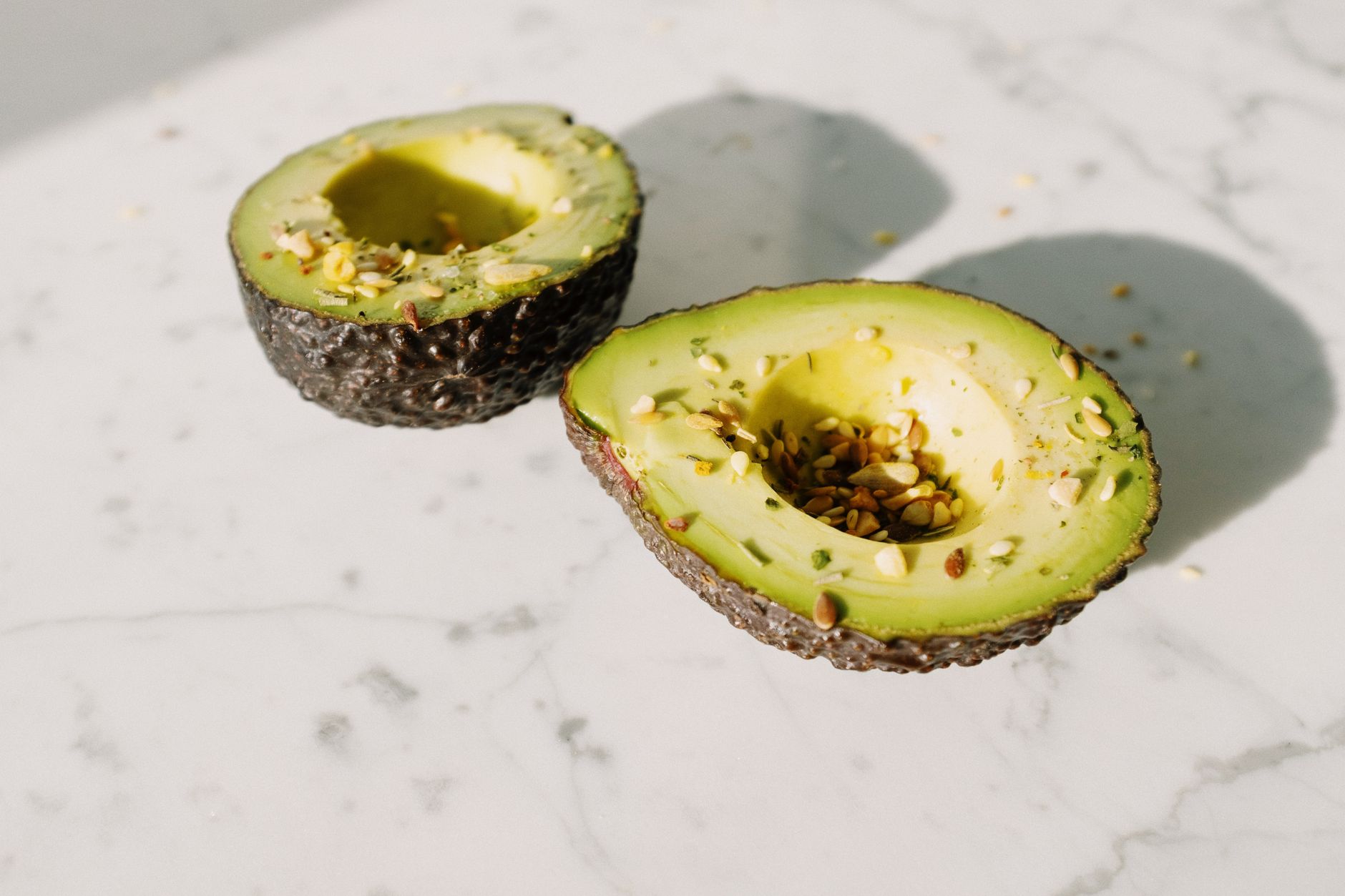
While a ketogenic diet rich in nutrient-dense foods like avocado can be a powerful tool for satiety and metabolic health, it is a significant physiological intervention. A responsible approach requires understanding its potential risks and contraindications. This dietary pattern is not universally appropriate, and certain individuals must proceed with extreme caution under medical supervision.
Key Populations Requiring Medical Consultation
You should consult a qualified healthcare professional—such as a physician or registered dietitian—before initiating a ketogenic diet if you have any of the following conditions or circumstances:
- Pregnancy or Lactation: The safety and nutritional adequacy of a strict ketogenic diet during these critical periods are not well-established. Medical guidance is essential.
- Pancreatic, Liver, or Gallbladder Disease: The high-fat nature of the diet can exacerbate these conditions.
- History of Eating Disorders: The restrictive and rule-based nature of keto can trigger relapse.
- Kidney Disease: While evidence is mixed, the potential electrolyte shifts and altered acid-base balance warrant medical oversight.
- Type 1 Diabetes or Insulin-Dependent Type 2 Diabetes: The risk of dangerous hypoglycemia or diabetic ketoacidosis requires careful medication adjustment by an endocrinologist.
- Individuals on Specific Medications: Particularly those for diabetes, hypertension, or diuretics, as dosages often need to be modified.
Clinical Insight: From a medical perspective, the initial adaptation phase ("keto flu") involves diuresis and electrolyte loss. While increasing sodium, potassium, and magnesium intake—avocado is an excellent source of potassium—can mitigate symptoms, it is not a substitute for medical evaluation in at-risk individuals. We also monitor lipid panels, as a subset of patients may experience a rise in LDL cholesterol despite weight loss, necessitating a dietary reassessment.
Recognizing When to Seek Immediate Advice
Even for those who begin a keto-avocado regimen with clearance, it is crucial to monitor your body's response. Discontinue the diet and seek prompt medical advice if you experience:
- Severe or persistent nausea, vomiting, or fatigue.
- Symptoms suggestive of electrolyte imbalance, such as heart palpitations, muscle cramps, or significant dizziness.
- Signs of gallstone distress (e.g., sudden upper right abdominal pain).
- Concerning changes in lab values during routine monitoring.
In summary, the satiety benefits of structuring keto meals with avocado must be balanced against individual health status. The strongest evidence for ketogenic diets exists for epilepsy and, with medical supervision, type 2 diabetes and obesity. Its application for general wellness, while popular, should be approached with an informed and cautious perspective, prioritizing safety over dietary trends.
6. Questions & Expert Insights
Is avocado truly a "superfood" for keto satiety, or is this just hype?
While the term "superfood" is a marketing term, avocado's nutritional profile is objectively well-suited for a ketogenic diet. Its high monounsaturated fat content (about 15g per medium avocado) provides a slow-burning energy source that promotes fullness. Furthermore, it contains a significant amount of fiber (about 10g), which slows gastric emptying and contributes to satiety signals. The combination of fat and fiber is a key driver of prolonged fullness. However, it is not a magic bullet. Satiety is complex and influenced by total calorie intake, protein consumption, sleep, and stress. Avocado is a valuable tool within a well-structured keto meal, but its effects are best realized as part of a comprehensive dietary approach, not in isolation.
What are the potential risks or side effects of eating avocado daily on keto, and who should be cautious?
For most individuals, daily avocado consumption is safe and beneficial. However, specific populations should exercise caution. Those with a known allergy to latex may experience oral allergy syndrome due to cross-reactivity. Individuals with significant kidney disease, particularly those on potassium-restricted diets, need to monitor avocado intake due to its high potassium content (over 700mg per fruit). While rare, excessive consumption could contribute to caloric surplus and hinder weight loss goals, as a medium avocado contains over 200 calories. People with fat malabsorption disorders (e.g., pancreatic insufficiency, gallbladder issues) may not tolerate large amounts of dietary fat well and should introduce high-fat foods like avocado gradually.
When should I talk to my doctor about my keto diet and avocado intake, and what should I discuss?
Consult your physician before starting a ketogenic diet if you have pre-existing conditions such as type 1 or type 2 diabetes, pancreatic, liver, or kidney disease, or a history of eating disorders. Bring a specific plan to the conversation. Discuss your intended macronutrient ratios, your plan for electrolyte management (sodium, potassium, magnesium), and how you intend to incorporate foods like avocado. Mention any medications you are on, especially diuretics, blood pressure, or diabetes medications, as dosage adjustments may be necessary. During follow-ups, bring a typical day's food log. This allows your doctor to assess nutritional adequacy, monitor for potential deficiencies, and ensure the diet is not exacerbating any underlying conditions.
Is there a limit to how much avocado I should eat in a day for optimal results?
There is no universal limit, but context is crucial. On keto, fat intake is a lever to control for satiety and energy needs, not a goal to be maximized. A common clinical recommendation is one-half to one whole avocado per day as part of a varied diet. This provides substantial fat and fiber without disproportionately crowding out other essential nutrients like protein and non-starchy vegetables. Consider your total daily calorie and fat targets. If weight loss is a goal, consistently exceeding your energy needs, even with healthy fats, will stall progress. Listen to your body's satiety cues; the avocado should help you feel comfortably full, not stuffed. Diversity in fat sources (e.g., nuts, seeds, olive oil, fatty fish) is also important for obtaining a range of fatty acids and phytonutrients.
7. In-site article recommendations
8. External article recommendations
9. External resources
The links below point to reputable medical and evidence-based resources that can be used for further reading. Always interpret them in the context of your own situation and your clinician’s advice.
-
examine examine.comavocado satiety – Examine.com (search)
-
healthline healthline.comavocado satiety – Healthline (search)
-
mayoclinic mayoclinic.orgavocado satiety – Mayo Clinic (search)
These external resources are maintained by third-party organisations. Their content does not represent the editorial position of this site and is provided solely to support readers in accessing additional professional information.