
1. Introduction: Metabolic Health and Strength Training
Metabolic health refers to the optimal functioning of the body's biochemical processes that convert food into energy and regulate vital functions. Key markers include blood glucose control, insulin sensitivity, lipid profiles, and body composition. When these markers are dysregulated, it can increase the risk for conditions like type 2 diabetes, cardiovascular disease, and non-alcoholic fatty liver disease. While nutrition is a primary focus, the role of physical activity, particularly strength training, is a cornerstone of metabolic management.
Strength training, or resistance exercise, involves working muscles against an external force. Its impact on metabolism is profound and multi-faceted, supported by a robust body of evidence:
- Increased Muscle Mass: Skeletal muscle is metabolically active tissue. More muscle mass raises your basal metabolic rate (BMR), meaning you burn more calories at rest.
- Improved Insulin Sensitivity: Exercise enhances glucose uptake by muscles independently of insulin, and regular training improves the muscle cells' responsiveness to insulin, helping to regulate blood sugar.
- Excess Post-Exercise Oxygen Consumption (EPOC): Intense resistance training can elevate metabolism for hours after the session as the body works to restore homeostasis.
While the benefits for body composition and glycemic control are well-established, some claims about the magnitude of metabolic "boosts" or precise fat-loss advantages over other exercise forms can be based on mixed or preliminary data. The long-term, consistent adaptation—increased lean mass and improved metabolic markers—is the most reliable outcome.
Clinical Perspective: From a preventive medicine standpoint, strength training is not merely for building strength; it's a critical tool for metabolic regulation. We view it as essential as cardiovascular exercise, particularly for combating age-related sarcopenia (muscle loss) and the associated decline in metabolic rate. The focus should be on progressive overload and consistency, not extreme intensity.
This chapter serves as the foundation for a practical 7-day blueprint. It is designed for generally healthy adults seeking to structure their training to support metabolic health. However, certain individuals should exercise caution or consult a healthcare provider before beginning a new strength training program:
- Those with diagnosed cardiovascular disease, uncontrolled hypertension, or diabetes.
- Individuals with musculoskeletal injuries, joint problems, or osteoporosis.
- Pregnant individuals, especially in the second and third trimesters.
- Anyone new to exercise or returning after a long hiatus.
A structured approach, prioritizing proper form and gradual progression, is key to obtaining the metabolic benefits of strength training safely and effectively. The following chapters will translate this science into a actionable weekly plan.
2. Evidence-Based Mechanisms of Metabolic Adaptation
Strength training is not merely a tool for building muscle mass; it is a potent physiological stimulus that directly and indirectly enhances metabolic rate. The adaptations are well-documented and occur through several interconnected pathways.
Primary Mechanisms with Strong Evidence
The most direct metabolic effect is an increase in resting metabolic rate (RMR). Muscle tissue is metabolically active, meaning it requires energy (calories) to maintain itself, even at rest. Resistance training stimulates muscle protein synthesis, leading to hypertrophy. Over time, this increase in lean mass elevates the body's baseline energy expenditure.
Another robust mechanism is excess post-exercise oxygen consumption (EPOC), often called the "afterburn" effect. Intense resistance training creates a significant oxygen debt. The body expends additional energy post-workout to restore homeostasis through processes like:
- Replenishing muscle glycogen stores.
- Repairing muscle tissue micro-tears.
- Clearing lactate and restoring hormone balance.
This elevated metabolism can persist for 24 to 72 hours, depending on workout intensity and volume.
Secondary and Hormonal Adaptations
Strength training improves insulin sensitivity in skeletal muscle, a cornerstone of metabolic health. Enhanced sensitivity allows for more efficient glucose uptake from the bloodstream, reducing the demand for insulin and improving blood sugar regulation. This effect is supported by extensive research and is a key reason resistance training is recommended for managing and preventing type 2 diabetes.
The evidence for long-term changes in hormone profiles, such as increases in growth hormone and testosterone from acute sessions, is more nuanced. While these hormonal fluxes support an anabolic environment, their direct, long-term impact on daily metabolic rate in healthy individuals is less clear than the contributions of increased muscle mass and improved insulin sensitivity.
Clinical Perspective: While these mechanisms are well-established, the magnitude of metabolic boost varies significantly between individuals based on genetics, training status, age, and sex. It is a cumulative process, not an overnight transformation. For individuals with metabolic conditions (e.g., diabetes, thyroid disorders), cardiovascular disease, or musculoskeletal injuries, a tailored program designed in consultation with a physician and a qualified exercise professional is essential to ensure safety and efficacy.
In summary, the metabolic benefits of strength training are underpinned by a combination of increased lean mass, elevated post-exercise energy expenditure, and improved metabolic hormone function. These adaptations work synergistically to create a more metabolically robust physiology.
3. Risks, Contraindications, and Population Considerations
While structured strength training is a powerful tool for metabolic enhancement, its application is not universal. A responsible approach requires a clear understanding of potential risks and individual contraindications to ensure safety and efficacy.
Primary Risks and Common Pitfalls
The most immediate risks stem from improper technique and excessive load, which can lead to acute musculoskeletal injuries such as strains, sprains, or tendonitis. Overtraining, especially within an intensive 7-day blueprint, can also lead to systemic issues including excessive fatigue, disrupted sleep, and a weakened immune response, potentially negating metabolic benefits.
- Form Overload: Prioritizing weight lifted over correct movement patterns significantly increases injury risk.
- Inadequate Recovery: The metabolic boost relies on the body's adaptive response to stress, which occurs during recovery, not the workout itself. Insufficient rest between sessions impedes this process.
- Nutritional Mismatch: Engaging in high-intensity training without adequate protein and overall caloric support can lead to muscle loss, increased fatigue, and a paradoxical slowdown in metabolic rate.
Key Contraindications and Populations Requiring Medical Consultation
Certain individuals should seek clearance from a qualified healthcare provider—such as a physician or physical therapist—before initiating this or any new training regimen. This is not an exhaustive list, but a critical starting point for clinical safety.
Absolute or Strong Relative Contraindications:
- Uncontrolled cardiovascular conditions (e.g., hypertension, arrhythmia, heart failure).
- Active or recent musculoskeletal injuries (e.g., acute disc herniation, unstable joints, recent fractures).
- Unmanaged metabolic disorders (e.g., brittle type 1 diabetes, where intense exercise can cause dangerous blood glucose fluctuations).
- Advanced kidney disease, due to potential issues with protein metabolism and electrolyte shifts.
Populations Needing Specialized Adaptation:
- Pregnant Individuals: While exercise is generally encouraged, programming requires specific modifications to avoid supine positions after the first trimester and exercises that increase intra-abdominal pressure.
- Older Adults with Osteoporosis: Focus must be on safe, load-bearing exercises that build bone without high fracture risk from falls or spinal flexion.
- Those with a History of Eating Disorders: A program focused on "metabolic boost" may inadvertently trigger disordered patterns; supervision by a multidisciplinary team is essential.
- Individuals on Specific Medications: For example, those on beta-blockers may have an attenuated heart rate response, making perceived exertion a better guide than heart rate zones.
Clinical Perspective: The principle of "first, do no harm" is paramount. A metabolic boost is a desirable outcome, but it is a secondary benefit to overall health and safety. The strongest evidence supports graded, consistent progression. For any individual with a pre-existing condition, a tailored program developed in consultation with a clinician and a certified exercise professional (like a Physical Therapist or ACSM Certified Exercise Physiologist) will always be superior to a generic blueprint. This ensures the training stimulus is applied safely to their unique physiological context.
4. Practical Implementation: The 7-Day Training Blueprint
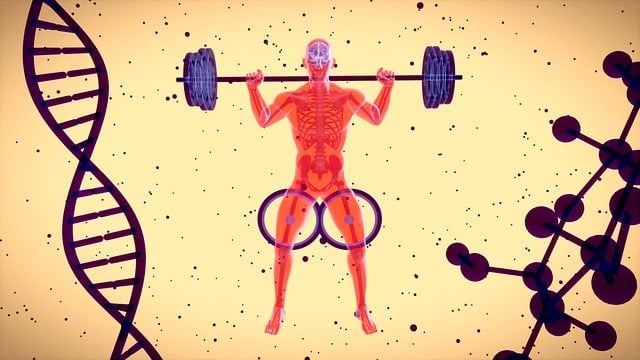
This 7-day blueprint provides a structured, evidence-informed approach to strength training designed to enhance metabolic rate. The protocol emphasizes compound movements, progressive overload, and strategic recovery to stimulate muscle protein synthesis and elevate excess post-exercise oxygen consumption (EPOC).
Weekly Training Structure
The schedule is built on a three-day full-body split, allowing for optimal recovery between sessions. This frequency is supported by research for stimulating consistent metabolic adaptation while minimizing overtraining risk.
- Day 1 (Monday): Full-Body Session A. Focus on moderate weight, 3 sets of 8-12 reps for compound lifts (e.g., squats, bench press, bent-over rows).
- Day 2 (Tuesday): Active Recovery. 20-30 minutes of low-intensity cardio (e.g., walking, cycling) or mobility work.
- Day 3 (Wednesday): Full-Body Session B. Similar structure to Session A with variation (e.g., deadlifts, overhead press, pull-ups/lat pulldowns).
- Day 4 (Thursday): Rest or Light Activity. Complete rest or gentle stretching.
- Day 5 (Friday): Full-Body Session C. May incorporate higher-intensity techniques like drop sets or tempo lifts for 2-3 sets to further challenge muscles.
- Day 6 (Saturday): Active Recovery or Conditioning. Optional low-impact cardio or sport.
- Day 7 (Sunday): Complete Rest. Essential for systemic recovery and hormonal balance.
Clinical Insight: The metabolic boost from this protocol stems primarily from increased lean mass and the energy cost of repair. While the EPOC effect is real, its magnitude and duration are often overestimated. The sustained benefit comes from consistent training that builds metabolically active tissue over weeks and months, not from a single workout.
Key Implementation Principles
To execute this blueprint effectively and safely, adhere to these core principles:
- Progressive Overload: Gradually increase weight, reps, or sets weekly. This is the primary driver for muscular and metabolic adaptation.
- Form and Control: Prioritize proper technique over lifting heavier weight to mitigate injury risk.
- Nutritional Support: Consume adequate protein (~1.6-2.2 g/kg of body weight daily, distributed across meals) to support muscle repair and growth.
- Recovery: Aim for 7-9 hours of quality sleep per night. Sleep deprivation can impair recovery and hormone regulation, blunting metabolic benefits.
Who Should Exercise Caution: Individuals with uncontrolled hypertension, cardiovascular disease, musculoskeletal injuries, or who are pregnant should consult a physician or physical therapist before beginning any new training regimen. Those new to strength training are strongly advised to seek initial guidance from a certified trainer to learn correct form.
This blueprint is a template. Individual recovery capacity, fitness level, and schedule will necessitate personalization. The strongest evidence supports consistency and long-term adherence over any specific weekly layout.
5. Safety Protocols and When to Seek Medical Advice
Integrating strength training for metabolic benefits is a powerful strategy, but its safety is contingent on proper execution and individual health status. Adherence to fundamental safety protocols is non-negotiable to prevent injury and ensure long-term adherence.
Essential Pre-Exercise Safety Protocols
Before commencing any session, a structured approach minimizes risk:
- Comprehensive Warm-up (5-10 minutes): Engage in dynamic movements (e.g., leg swings, arm circles, bodyweight squats) to increase core temperature, joint lubrication, and blood flow to working muscles.
- Technique Mastery Over Load: The cardinal rule of strength training. Prioritize perfect form with lighter weights or no load before progressively increasing resistance. Poor technique under load is a primary cause of acute and overuse injuries.
- Controlled Tempo and Breathing: Avoid breath-holding (Valsalva maneuver), which can spike blood pressure. Exhale during the exertion phase (e.g., lifting) and inhale during the lowering phase.
- Adequate Recovery: The 7-day blueprint includes rest days for a reason. Muscular repair and metabolic adaptations occur during recovery. Ignoring this increases injury risk and undermines progress.
Clinical Insight: From a physiological standpoint, the metabolic "boost" from exercise is partly mediated by hormesis—a beneficial stress response. However, exceeding an individual's recovery capacity turns this adaptive stress into maladaptive strain, increasing systemic inflammation and injury risk, which can negate metabolic benefits. Listening to signs of excessive fatigue or persistent soreness is a critical skill.
When to Seek Medical Advice Before Starting
While strength training is broadly beneficial, certain individuals must consult a physician or qualified healthcare provider (e.g., physical therapist, exercise physiologist) for personalized clearance and guidance. This is strongly advised for those with:
- Known or suspected cardiovascular disease (e.g., hypertension, coronary artery disease, history of stroke).
- Unmanaged metabolic disorders (e.g., Type 1 or Type 2 diabetes) to understand glycemic management around exercise.
- Musculoskeletal injuries, chronic pain (e.g., in joints or the back), or recent surgery.
- Pregnancy or postpartum status, requiring exercise modifications.
- A history of disordered eating, as structured programs can sometimes trigger unhealthy patterns.
Furthermore, seek immediate medical evaluation if you experience any of the following during or after exercise: chest pain or pressure, severe shortness of breath, dizziness or fainting, palpitations, or acute joint/muscle pain (especially a "popping" sensation followed by weakness or swelling). These protocols are not barriers but the foundation for a sustainable, effective, and safe practice that supports metabolic health for years to come.
6. Questions & Expert Insights
Can a 7-day strength training plan really boost my metabolism?
Strength training can increase your metabolic rate, but it's important to understand the mechanisms and timeline. The primary "boost" comes from two sources: the energy cost of the workout itself (Excess Post-exercise Oxygen Consumption, or EPOC) and, more significantly, the long-term increase in resting metabolic rate from gaining lean muscle mass. Muscle tissue is metabolically active, meaning it burns more calories at rest than fat tissue. However, building a meaningful amount of new muscle is a process of months, not days. A well-structured 7-day blueprint serves as an excellent kickstart, establishing proper form, routine, and neuromuscular adaptations. The measurable metabolic increase in one week will be modest, primarily from EPOC. The true, sustained metabolic benefit accrues from consistent training over weeks and months, coupled with appropriate nutrition.
What are the main risks or side effects, and who should be cautious with this approach?
The most common risks are musculoskeletal injuries from improper form, excessive load, or inadequate recovery. Overtraining can lead to fatigue, disrupted sleep, and increased injury risk. Specific populations should exercise particular caution or seek modified programming. This includes individuals with uncontrolled hypertension, known cardiovascular disease, or recent musculoskeletal injuries. Those with conditions like osteoporosis may need to avoid high-impact or spinal loading movements. People with a history of eating disorders should be wary of any program overly focused on "boosting metabolism" for calorie burn, as it can exacerbate unhealthy patterns. Kidney disease patients must consult a doctor before significantly increasing protein intake, often recommended alongside strength training.
When should I talk to a doctor before starting, and what should I discuss?
Consult a physician or a qualified sports medicine specialist if you have any pre-existing medical condition, are new to exercise, are over 45, or are experiencing any unexplained symptoms like chest pain, dizziness, or joint pain. It is also prudent before starting if you are pregnant or postpartum. Come to the appointment prepared to discuss your specific plan. Key points to bring up include: your complete medical history, current medications and supplements, the specific exercises and intensity you plan to undertake (showing them the blueprint can be helpful), and your nutritional strategy. Ask for clearance and for any activity modifications specific to your health status. This conversation ensures your approach is both safe and effective for your individual physiology.
Is the metabolic effect different for men and women?
The fundamental physiological principles of muscle building and metabolic rate are similar across sexes. Both men and women experience EPOC and increase resting metabolism by gaining lean mass. However, hormonal differences influence the rate and potential for hypertrophy (muscle growth). Testosterone, present at higher levels in men, is a potent anabolic hormone that facilitates greater muscle protein synthesis. Consequently, men may typically gain muscle mass more quickly, which can influence the rate of metabolic change. Women can absolutely build significant strength and muscle, but the trajectory may differ. Crucially, research indicates that the relative improvement in metabolic health markers—like insulin sensitivity and lipid profiles—from resistance training is equally beneficial for both men and women. The 7-day blueprint should be adaptable, focusing on progressive overload relative to the individual's baseline, not gender.
7. In-site article recommendations
8. External article recommendations
9. External resources
The links below point to reputable medical and evidence-based resources that can be used for further reading. Always interpret them in the context of your own situation and your clinician’s advice.
-
examine examine.comstrength training – Examine.com (search)
-
mayoclinic mayoclinic.orgstrength training – Mayo Clinic (search)
-
wikipedia wikipedia.orgstrength training – Wikipedia (search)
These external resources are maintained by third-party organisations. Their content does not represent the editorial position of this site and is provided solely to support readers in accessing additional professional information.