
1. Introduction to Tai Chi Walking as a Sustainable Physical Activity
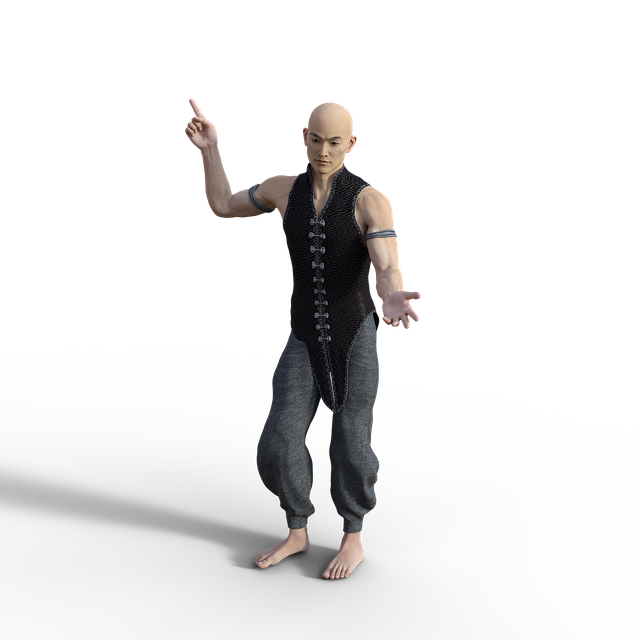
In the pursuit of consistent physical activity, adherence is the primary challenge. Many exercise regimens fail due to high-impact demands, perceived complexity, or a lack of enjoyment. Tai Chi Walking emerges as a sustainable alternative, integrating the mindful, flowing movements of Tai Chi with the fundamental, accessible act of walking. This practice is not about speed or distance, but about cultivating a state of meditative movement that enhances body awareness, balance, and mental focus.
From a clinical perspective, the sustainability of Tai Chi Walking is supported by its low-impact, low-risk nature. It places minimal stress on joints, making it a viable long-term option for a wide demographic. The core principles that structure this practice include:
- Mindful Weight Shifting: Deliberately transferring weight from one leg to the other with control, enhancing proprioception and stability.
- Upright Posture & Spinal Alignment: Maintaining a relaxed yet elongated spine to reduce musculoskeletal strain and improve breathing.
- Coordinated Breath: Synchronizing gentle, diaphragmatic breathing with movement steps to promote parasympathetic nervous system activation.
- Continuous, Fluid Motion: Avoiding abrupt starts and stops to create a smooth, dance-like flow of activity.
Evidence for the benefits of traditional Tai Chi is robust, particularly for improving balance in older adults, reducing fall risk, and managing symptoms of conditions like osteoarthritis and Parkinson's disease. Research specifically on "Tai Chi Walking" as a defined protocol is more limited, but it logically extends from the well-established principles of Tai Chi. The primary evidence for its value in promoting consistent activity lies in its inherent characteristics: it is low-cost, requires no equipment, can be adapted to any fitness level, and is often reported as enjoyable and stress-reducing, which are key predictors of long-term adherence.
Structuring Tai Chi Walking for consistency involves framing it not as a workout, but as a daily practice of mindful movement. This shift in perspective—from exercise to practice—is often what fosters the long-term engagement necessary for lasting health benefits. The following chapters will provide a structured framework to integrate this practice sustainably into daily life.
2. Evidence Base and Mechanisms of Tai Chi Walking

The integration of Tai Chi principles into walking, often termed "Tai Chi Walking," is supported by a robust body of research on its parent practice. The evidence for its benefits is strongest in the domains of balance, fall prevention, and psychological well-being, particularly in older adult populations.
Systematic reviews and meta-analyses of randomized controlled trials consistently demonstrate that traditional Tai Chi practice significantly improves postural stability, reduces fear of falling, and lowers the incidence of falls. The mechanisms by which Tai Chi Walking likely confers these benefits are multifaceted:
- Motor Control: The slow, deliberate weight-shifting and emphasis on a stable, aligned posture enhance proprioception (body awareness) and neuromuscular coordination.
- Musculoskeletal Strength: Maintaining semi-squat postures during movement engages the lower body and core muscles isometrically, improving strength and endurance.
- Mind-Body Integration: The focused attention on movement and breath promotes mindfulness, which can reduce stress and improve movement confidence.
Evidence for cardiovascular or metabolic benefits from Tai Chi Walking specifically is more preliminary. While studies on traditional Tai Chi show modest improvements in blood pressure and cardiorespiratory fitness, the intensity of a walking-based adaptation may be lower. It is best viewed as a light-to-moderate intensity activity that complements, rather than replaces, more vigorous aerobic exercise for cardiometabolic health.
Clinical Perspective: From a mechanistic standpoint, Tai Chi Walking is a form of "perturbation-based balance training." It safely challenges the body's stability limits in a controlled manner, which is key for neuroplastic adaptation and fall prevention. Its value lies in its dual focus on physical stability and mental calm, making adherence higher than for conventional balance exercises alone.
It is important to note limitations in the current evidence. Many high-quality trials focus on structured, instructor-led group Tai Chi, not self-directed walking practice. The optimal "dose" (frequency, duration, specific movements) for Tai Chi Walking has not been definitively established.
Who should proceed with caution? Individuals with significant balance impairment, severe osteoporosis, acute joint inflammation, or uncontrolled dizziness should consult a physician or physical therapist before beginning. They can provide guidance on safe modifications and ensure the practice does not conflict with existing conditions.
3. Contraindications and Populations at Risk

Tai Chi walking is generally considered a low-impact, safe form of exercise for a wide range of individuals. However, its safety is not universal, and certain contraindications and risk factors require careful consideration and professional guidance. Acknowledging these is a cornerstone of a clinically responsible practice.
Absolute and Relative Contraindications
While formal, high-quality studies on absolute contraindications for Tai Chi walking are limited, clinical reasoning based on the activity's demands suggests caution in specific scenarios. Absolute contraindications, where the activity should be avoided unless explicitly cleared by a physician, include:
- Acute, Unstable Medical Conditions: This includes recent myocardial infarction, unstable angina, uncontrolled arrhythmias, acute deep vein thrombosis, or any acute musculoskeletal injury (e.g., recent fracture, severe sprain).
- Severe, Uncontrolled Dizziness or Vertigo: The shifting weight and turning motions inherent in Tai Chi walking could precipitate falls in individuals with conditions like benign paroxysmal positional vertigo (BPPV) or orthostatic hypotension that is not medically managed.
Relative contraindications require medical consultation and likely a modified approach under supervision. These include:
- Significant Joint Instability or Severe Osteoarthritis: Particularly in weight-bearing joints like the knees and hips. While Tai Chi can benefit mild to moderate arthritis, advanced disease with instability may be aggravated.
- Advanced Osteoporosis with High Fracture Risk: The risk of a fall, though Tai Chi aims to reduce it, may outweigh benefits if bone density is critically low.
- Certain Neurological Disorders: Conditions like advanced Parkinson's disease or peripheral neuropathy with profound loss of sensation can significantly impair balance and safe movement patterning.
Clinical Perspective: The line between a contraindication and a modification opportunity is often fine. For instance, a person with knee osteoarthritis may benefit tremendously from the gentle strengthening of Tai Chi walking but may need to limit the depth of their stance (avoiding deep bends) and range of motion. A qualified instructor working in tandem with the individual's physiotherapist or physician is ideal for navigating these cases.
Populations Requiring Special Precautions
Several groups should proceed with extra caution and seek pre-activity medical advice:
- Pregnant Individuals: While gentle movement is encouraged, balance shifts and the potential for falls change as pregnancy progresses. Specific modifications and approval from an obstetric care provider are essential.
- Older Adults with a History of Falls or Frailty: They should begin under the guidance of a therapist or instructor experienced in fall prevention, using support (like a chair back) initially.
- Individuals with Chronic, Unmanaged Pain: Starting a new movement pattern can exacerbate pain if the underlying cause is not addressed. A diagnosis and a pain management plan should precede activity.
The overarching principle is that Tai Chi walking should be adapted to the individual, not the individual forced into a standard form. Consulting a healthcare provider to discuss personal medical history and current limitations is a critical first step for anyone in the above categories.
4. Structured Implementation for Consistent Practice

Consistency is the cornerstone of deriving meaningful health benefits from any physical activity, including Tai Chi walking. A structured implementation plan transforms a well-intentioned practice into a sustainable habit. This approach is supported by behavioral science and aligns with evidence showing that regular, moderate-intensity Tai Chi practice yields the most significant improvements in balance, strength, and psychological well-being.
The most effective structure is built on three pillars: frequency, duration, and progression. Begin with a realistic commitment.
- Frequency: Aim for 3 to 5 sessions per week. This cadence is often more sustainable than daily practice for beginners and is sufficient to build neuromuscular memory and cardiovascular adaptation.
- Duration: Start with 10–15 minute sessions. The focus should be on quality of movement and mindful presence, not endurance. Gradually increase to 20–30 minutes as your comfort and stamina improve.
- Progression: Systematically add complexity. Master walking in a straight line with coordinated arm swings before introducing turns, changes in pace, or integrating specific Tai Chi form movements like "Wave Hands like Clouds."
Integrating the practice into your daily routine significantly enhances adherence. Schedule it like a fixed appointment. A morning session can set a calm tone for the day, while an evening practice may aid in stress dissolution. Using environmental cues, such as practicing in the same quiet space or after a specific daily trigger (like your morning coffee), can reinforce the habit loop.
Clinical Perspective: From a rehabilitation and preventive medicine standpoint, the slow, graded progression inherent in this structure is key. It allows for adaptation of connective tissues and joints, minimizing injury risk. The emphasis on consistency over intensity is particularly valuable for older adults or those managing chronic conditions, where the goal is sustainable, lifelong activity rather than peak performance.
It is important to note that while the benefits of structured Tai Chi practice for balance and fall prevention in older adults are strongly supported by evidence, research on "Tai Chi walking" as a distinct, standardized protocol is more limited. The principles, however, are well-founded in general exercise science.
Who should be cautious: Individuals with significant balance disorders, severe osteoporosis, acute joint inflammation, or uncontrolled cardiovascular conditions should consult a physician or a qualified physical therapist before beginning. They may require a modified program or supervised instruction to ensure safety.
5. Safety Guidelines and Indicators for Medical Consultation

Tai Chi walking is a low-impact, mindful activity with a strong safety profile, supported by extensive evidence for its benefits in balance, strength, and stress reduction. However, as with any physical activity program, a prudent approach is necessary to mitigate risk and ensure it aligns with your individual health status. The following guidelines are designed to help you practice safely and recognise when professional medical consultation is advised.
Core Safety Principles for Practice
Adhering to these fundamental principles can prevent most common issues:
- Start Gradually: Begin with short sessions of 5-10 minutes, focusing on posture and slow, controlled movement before increasing duration or complexity.
- Prioritise Posture: Maintain a neutral spine, relaxed shoulders, and a soft gaze forward to avoid strain on the neck, back, and joints.
- Listen to Your Body: Distinguish between the mild muscle fatigue of new activity and sharp, localised, or persistent pain, which is a signal to stop.
- Choose a Safe Environment: Practice on a flat, even, non-slip surface with ample space and good lighting. Avoid cluttered or uneven ground, especially outdoors.
- Wear Appropriate Footwear: Use flat, flexible shoes with good support to facilitate proper foot mechanics and stability.
Clinical Insight: From a rehabilitation perspective, the slow, weight-shifting nature of Tai Chi walking is excellent for proprioceptive training. However, the semi-squatting posture (Wu Ji stance) can place stress on the knees. Instructors and practitioners should ensure the knees track in line with the toes and never extend past them, especially for individuals with pre-existing patellofemoral pain or osteoarthritis.
When to Seek Medical Consultation
While Tai Chi walking is adaptable, certain conditions warrant a discussion with a physician or relevant specialist before beginning. This is a precautionary measure to tailor the activity safely.
Consult your doctor if you have:
- Unstable Cardiovascular Conditions: Such as uncontrolled hypertension, heart failure, or a recent cardiac event.
- Significant Musculoskeletal Issues: Including acute injuries, severe osteoporosis (risk of fracture), recent joint surgery, or active inflammatory arthritis.
- Neurological Conditions: Like uncontrolled vertigo, Parkinson's disease, or peripheral neuropathy with significant balance impairment.
- Pregnancy: Especially in the second or third trimester, where balance changes and joint laxity increase fall risk.
Furthermore, stop activity and seek prompt medical advice if you experience dizziness, chest pain, shortness of breath disproportionate to exertion, or any acute joint pain during or after practice. The evidence strongly supports Tai Chi's safety for most populations, but an individualised risk assessment is the cornerstone of responsible practice.
6. Questions & Expert Insights
Is Tai Chi walking a legitimate form of cardiovascular exercise?
Tai Chi walking can contribute to cardiovascular fitness, but its intensity is typically classified as light-to-moderate. The aerobic benefit depends heavily on the pace, duration, and individual effort. Research, including studies in the Journal of the American Heart Association, indicates that traditional Tai Chi practice can improve cardiorespiratory function, lower blood pressure, and enhance vascular health. However, for individuals seeking to meet standard guidelines for moderate-intensity aerobic activity (e.g., 150 minutes per week), a brisk, continuous walking pace is generally more effective. Tai Chi walking's primary cardiovascular value lies in its accessibility and sustainability, making it an excellent entry point for sedentary individuals or a complementary, mindful practice for those with established routines. It should not be considered a direct substitute for more vigorous cardio for specific fitness goals.
What are the risks or side effects, and who should be cautious or avoid this approach?
While Tai Chi walking is low-impact, it is not without risk. The primary concerns involve balance and musculoskeletal strain. Individuals with significant balance disorders, severe osteoporosis, acute vertigo, or uncontrolled dizziness should avoid it or only practice under direct supervision. Those with recent joint surgery (e.g., knee or hip replacement), acute inflammatory arthritis, or unstable ankle/foot conditions should consult a physical therapist first to adapt movements. Side effects are typically minor, such as muscle soreness from new movement patterns. The most serious risk is falling, particularly for older adults with existing mobility issues. It is crucial to use a stable support (like a chair or wall) when learning and to practice on a flat, non-slip surface.
When should I talk to my doctor before starting, and what should I discuss?
Consult your physician or a relevant specialist (e.g., cardiologist, physiatrist, physical therapist) if you have: a known heart condition, uncontrolled hypertension, a history of falls, significant joint pain, or are in the later stages of pregnancy. For those with complex medical histories or who are currently sedentary, a pre-activity check is prudent. Bring a clear description of what Tai Chi walking entails (slow, deliberate steps with weight shifting and arm movements). Discuss your specific health conditions, current medications (especially those affecting balance or blood pressure), and any recent injuries. Ask, "Are there any movement restrictions I should observe given my health status?" This conversation ensures the practice can be safely tailored to your needs.
How long does it take to see tangible health benefits from consistent practice?
Evidence suggests that measurable benefits can appear within 8 to 12 weeks of consistent practice (e.g., 30 minutes, 3 times per week). Systematic reviews note improvements in balance, functional mobility, and reduction in fear of falling in older adults within this timeframe. Psychological benefits, such as reduced perceived stress and improved mood, may be noticed earlier. For chronic conditions like osteoarthritis or hypertension, studies typically measure outcomes over 12-week to 6-month periods. It is important to manage expectations: Tai Chi walking is a gentle, cumulative practice. The most immediate "benefit" is often the establishment of a sustainable movement habit. Significant changes in strength or cardiovascular metrics require longer-term, dedicated practice, and outcomes vary widely based on baseline health, practice quality, and consistency.
7. In-site article recommendations
8. External article recommendations
9. External resources
The links below point to reputable medical and evidence-based resources that can be used for further reading. Always interpret them in the context of your own situation and your clinician’s advice.
-
healthline healthline.comTai Chi Walking – Healthline (search)
-
mayoclinic mayoclinic.orgTai Chi Walking – Mayo Clinic (search)
-
wikipedia wikipedia.orgTai Chi Walking – Wikipedia (search)
These external resources are maintained by third-party organisations. Their content does not represent the editorial position of this site and is provided solely to support readers in accessing additional professional information.