
1. Chia Seeds and Satiety: An Introduction to Nutritional Context
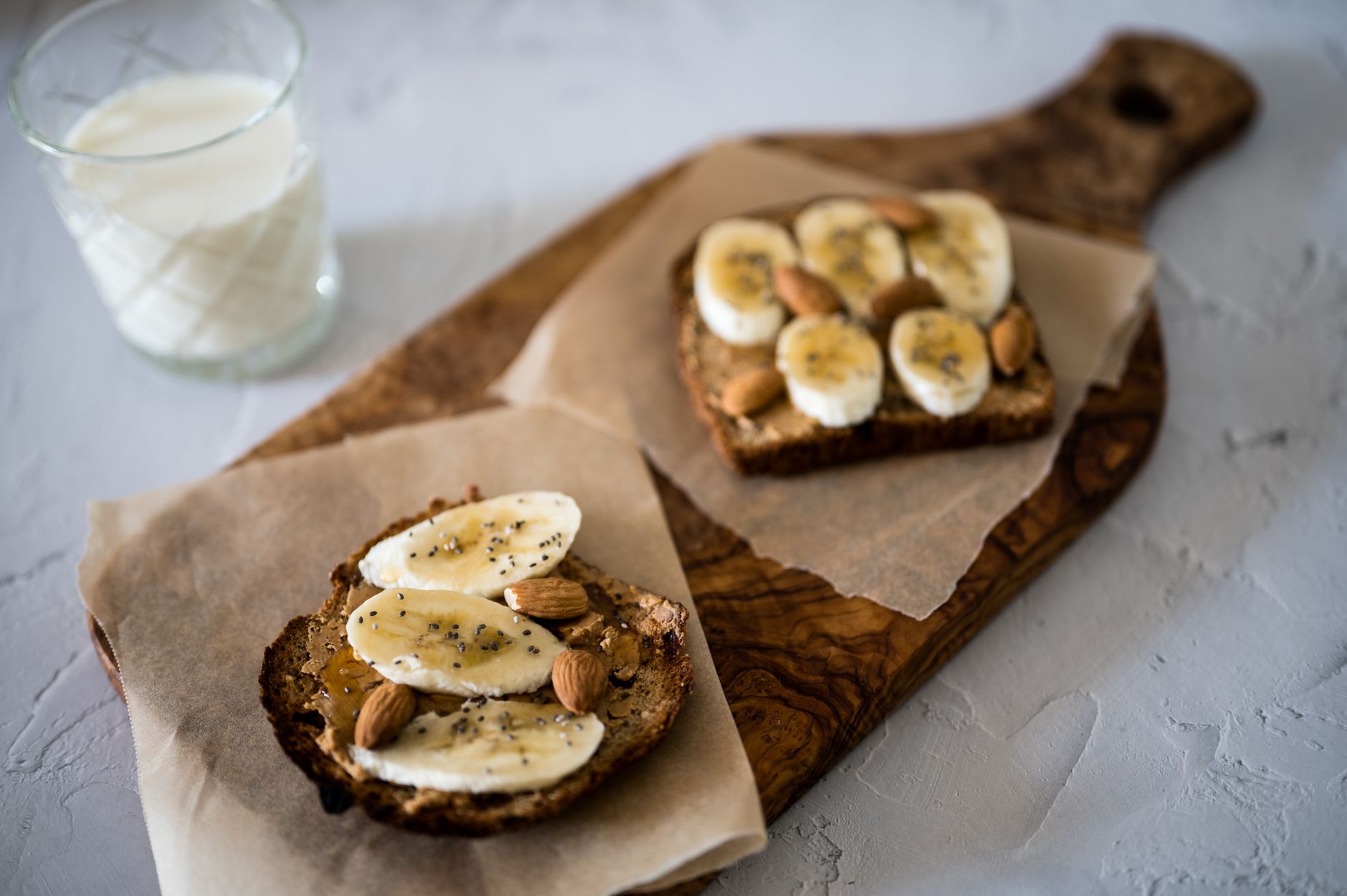
Chia seeds (Salvia hispanica L.) have garnered significant attention in nutritional science for their potential role in promoting satiety, the feeling of fullness that helps regulate appetite and calorie intake. This effect is not attributed to a single "miracle" compound but is understood through their unique nutritional matrix, which interacts with digestive physiology.
The primary mechanisms proposed for chia seeds' satiating properties are their high content of dietary fiber and their ability to form a hydrophilic gel.
- Dietary Fiber: A standard one-ounce (28-gram) serving provides about 10 grams of fiber, predominantly soluble fiber. Soluble fiber absorbs water in the gut, slowing gastric emptying and the rate at which nutrients like glucose are absorbed into the bloodstream. This slower digestion process is associated with prolonged feelings of fullness and more stable postprandial blood sugar levels.
- Gel-Forming Capacity: When mixed with liquid, the soluble fiber in chia seeds forms a viscous gel. This gel can increase the volume and viscosity of stomach contents, which may physically contribute to distension and satiety signaling.
Evidence supporting these mechanisms is promising but requires contextualization. Several short-term, controlled studies have shown that consuming chia seeds can reduce subjective appetite ratings and subsequent short-term food intake compared to control beverages or snacks. However, the long-term evidence for significant, sustained weight management from chia seed consumption alone is more limited and mixed. Their effect is likely most beneficial as part of a consistent, balanced dietary pattern rich in whole foods.
Clinical Perspective: From a dietary counseling standpoint, chia seeds are a nutrient-dense tool. Their satiety effect is dose-dependent and works synergistically with adequate hydration and overall meal composition. They are not a standalone solution for appetite control but can be a practical component of a strategy that includes protein, healthy fats, and other high-fiber foods.
It is important to note that while generally safe for most, certain individuals should exercise caution. Those with a history of swallowing difficulties, esophageal strictures, or significant gastrointestinal disorders like inflammatory bowel disease during a flare-up should consult a physician. Due to their high fiber content, introducing chia seeds gradually with plenty of water is advised to minimize potential bloating or discomfort. Individuals on blood-thinning medications or with upcoming surgical procedures should discuss regular chia seed consumption with their doctor due to their omega-3 fatty acid (ALA) content, which may have mild anticoagulant effects.
2. Mechanisms and Evidence: How Chia Seeds Influence Satiety

The proposed satiating effect of chia seeds is primarily attributed to their unique nutritional composition, which may influence physiological pathways related to hunger and fullness. The key mechanisms involve their high soluble fiber content and their ability to absorb water.
Proposed Mechanisms of Action
Chia seeds are a concentrated source of dietary fiber, with approximately 10 grams per ounce (28 grams). A significant portion of this is soluble fiber, which forms a viscous gel when mixed with liquids. This gel-forming property is central to the proposed satiety effects through several pathways:
- Gastric Distension and Delayed Emptying: The gel can increase the volume and viscosity of stomach contents, potentially promoting a feeling of fullness (satiety) by stimulating stretch receptors and slowing gastric emptying.
- Nutrient Absorption Modulation: The viscous gel may slow the digestion and absorption of carbohydrates, leading to a more gradual rise in blood glucose and insulin. Stable blood sugar levels are associated with reduced hunger cues.
- Hormonal Influence: The physical effects in the gut may influence the release of satiety hormones like peptide YY (PYY) and glucagon-like peptide-1 (GLP-1), though direct evidence specifically for chia seeds is more limited.
Review of the Clinical Evidence
The evidence supporting chia seeds for satiety is promising but not conclusive, with studies showing mixed results.
Supportive Findings: Some short-term, controlled trials have reported that consuming chia seeds, particularly in gel form as part of a meal or beverage, can increase subjective feelings of fullness and reduce short-term food intake compared to control beverages. These effects are often attributed to the physical bulk provided by the gel.
Limitations and Gaps: Many studies are small, of short duration, or funded by industry. Other well-designed trials have found no significant difference in satiety or subsequent calorie intake. There is a notable lack of large-scale, long-term randomized controlled trials demonstrating that chia seed consumption leads to meaningful, sustained weight management. The evidence is stronger for acute, meal-by-meal effects on fullness than for long-term appetite regulation.
Clinical Perspective: From a nutritional standpoint, chia seeds are a healthful source of fiber, plant-based omega-3 fatty acids, and protein. Their gel-forming property is a plausible mechanism for enhancing satiety. However, they should be viewed as one component of a balanced diet, not a standalone solution for weight control. Individual responses can vary significantly based on genetics, baseline diet, and overall meal composition.
Who Should Exercise Caution: Individuals with swallowing difficulties, esophageal strictures, or significant gastrointestinal disorders like inflammatory bowel disease should consult a doctor before consuming chia seeds, especially in dry form, due to the risk of blockage. Those on blood-thinning medications or with upcoming surgeries should discuss their intake with a physician due to chia's potential mild antiplatelet effect from its ALA (alpha-linolenic acid) content.
3. Contraindications and Populations to Avoid Chia Seeds

While chia seeds are generally safe for most people when consumed as part of a balanced diet, certain individuals and medical conditions warrant caution or avoidance. Understanding these contraindications is essential for safe consumption.
Individuals with Swallowing Difficulties or Esophageal Strictures
Chia seeds absorb 10–12 times their weight in liquid, forming a gel-like coating. If consumed dry and without sufficient fluid, they can expand in the esophagus and pose a significant choking hazard or cause an obstruction. This risk is particularly high for older adults, children, and anyone with a history of dysphagia (swallowing difficulties) or esophageal strictures. Always mix chia seeds thoroughly into a liquid (e.g., yogurt, oatmeal, smoothies) and allow them to gel for several minutes before consumption.
People with Specific Gastrointestinal Conditions
The high fiber content—about 10 grams per ounce—can exacerbate symptoms in individuals with certain digestive disorders. Those with active inflammatory bowel disease (IBD), such as Crohn's disease or ulcerative colitis, during a flare-up, may find the insoluble fiber irritating. Similarly, individuals with a history of bowel obstructions or severe constipation should introduce chia seeds with extreme caution, if at all, and only under medical guidance.
Those on Blood-Thinning Medications or with Bleeding Disorders
Chia seeds contain a notable amount of omega-3 fatty acids (ALA), which may have mild antiplatelet effects. While the evidence for a clinically significant interaction in typical dietary amounts is limited, theoretical concerns exist. Individuals taking anticoagulant or antiplatelet medications (e.g., warfarin, clopidogrel, aspirin for cardioprotection) or those with bleeding disorders should consult their physician before making chia seeds a regular part of their diet to avoid potential additive effects.
People with Known Seed Allergies
Although rare, allergic reactions to chia seeds have been documented. Individuals with known allergies to other seeds (e.g., sesame, mustard) or who experience symptoms like hives, itching, or swelling after consumption should avoid them and seek evaluation by an allergist.
Key Populations to Consult a Doctor First
Before significantly increasing chia seed intake, the following groups should seek personalized medical advice:
- Individuals with chronic kidney disease: Due to their relatively high phosphorus and potassium content, chia seeds may need to be restricted in renal diets.
- Those preparing for surgery: Given the potential blood-thinning concern, it may be advisable to discontinue use 1–2 weeks prior to elective procedures.
- People managing diabetes on medication: While chia seeds can help stabilize blood sugar, their combined effect with insulin or hypoglycemic drugs requires monitoring to prevent hypoglycemia.
- Pregnant or breastfeeding women: While likely safe in food amounts, there is insufficient high-quality research on high-dose supplementation during these periods.
For the general population, incorporating chia seeds in moderation (typically 1-2 tablespoons daily) as part of a varied diet is considered safe. The cornerstone of safety is proper preparation and gradual introduction, coupled with professional guidance for those with underlying health conditions.
4. Practical Applications: Integrating Chia Seeds for Satiety

Integrating chia seeds into your diet for satiety is a practical strategy supported by their high soluble fiber content. When mixed with liquid, the seeds form a gel that slows gastric emptying, which can promote a feeling of fullness. To leverage this effect effectively, consistency and timing are key.
The most reliable method is to allow chia seeds to fully hydrate. A general guideline is to use a ratio of 1 tablespoon (about 12 grams) of seeds to 3–4 tablespoons of liquid, letting the mixture sit for at least 15–30 minutes, or preferably overnight. This pre-gelatinization maximizes the viscous gel formation responsible for the satiety effect.
Strategic Integration Points
For sustained appetite management, consider incorporating hydrated chia at these strategic points:
- Pre-Meal: Consuming a small portion of chia gel (e.g., 1 tablespoon of seeds hydrated in water or a low-calorie beverage) 20–30 minutes before a main meal may help reduce subsequent calorie intake.
- With Breakfast: Adding hydrated seeds to oatmeal, yogurt, or smoothies can enhance the meal's fiber content, helping to curb mid-morning cravings.
- As a Snack Replacement: A chia-based pudding or a small serving of gel can serve as a structured, low-energy-density snack between meals.
Clinical Insight: While the fiber mechanism is well-established, individual satiety responses vary. The effect is adjunctive, not a standalone solution for weight management. It works best within a balanced diet that includes adequate protein and healthy fats. For individuals with dysphagia or significant gastrointestinal motility issues, the gel-like consistency may pose a risk and should be approached with caution.
Important Cautions and Considerations
Chia seeds are generally safe for most people but require careful introduction. Start with a small dose (e.g., 1 teaspoon daily) to assess tolerance, as a rapid increase in fiber can cause bloating, gas, or abdominal discomfort. It is critical to consume them with ample fluids to prevent intestinal blockage.
Specific populations should consult a healthcare provider before regular use:
- Individuals with a history of swallowing difficulties or esophageal strictures.
- Those taking medications for blood pressure or blood thinning, as chia seeds may have mild additive effects.
- People with inflammatory bowel disease (IBD) or a history of bowel obstruction during a flare.
Ultimately, using chia seeds for satiety is a supportive dietary technique. Its efficacy is contingent on integration into an overall pattern of mindful eating and appropriate caloric intake.
5. Safety Protocols and When to Consult a Healthcare Provider

While chia seeds are generally recognized as safe for most people when consumed in typical food amounts, integrating them into your diet for satiety requires a measured and informed approach. The evidence supporting their role in promoting fullness is promising but primarily based on short-term studies. Long-term data on their specific impact on weight management is more limited.
Adhering to basic safety protocols is essential to avoid adverse effects and maximize benefits.
- Hydration is Paramount: Chia seeds absorb 10–12 times their weight in water. Always consume them pre-soaked or with ample liquid. Ingesting dry seeds can pose a risk of esophageal obstruction, especially for individuals with swallowing difficulties.
- Start Low, Go Slow: Begin with a small serving (e.g., one tablespoon) to assess tolerance. A sudden high intake of fiber can cause significant gastrointestinal discomfort, including bloating, gas, or cramping.
- Mind Your Total Fiber Intake: Chia seeds are a concentrated source of fiber. Adding them to an already high-fiber diet without adjusting other sources can lead to digestive upset.
- Quality and Storage: Purchase from reputable sources and store in a cool, dark place. Due to their high omega-3 fat content, they can become rancid if stored improperly.
Clinical Insight: In practice, we see chia seeds as a useful tool for enhancing meal volume and nutrient density. However, they are not a magic bullet for satiety. Their effectiveness is highly individual and depends on the context of the overall diet. The goal is to use them to support a balanced eating pattern, not to replace whole meals or essential food groups.
When to Consult a Healthcare Provider
Certain individuals should seek medical advice before significantly increasing chia seed consumption.
- Individuals on Blood-Thinning Medications: Chia seeds contain alpha-linolenic acid (ALA), a precursor to compounds with mild antiplatelet effects. Those taking anticoagulants (e.g., warfarin) or antiplatelet drugs (e.g., aspirin, clopidogrel) should consult their doctor to discuss potential interactions and appropriate dosing.
- People with Gastrointestinal Disorders: Those with a history of inflammatory bowel disease (IBD), diverticulitis, or significant IBS should introduce chia seeds cautiously under medical guidance, as the high fiber content may exacerbate symptoms during flare-ups.
- Individuals with Dysphagia or History of Obstruction: As noted, the gelling property poses a swallowing hazard for this group.
- People Planning Surgery: Due to the potential blood-thinning effect, it is often recommended to discontinue high-dose chia seed consumption 1-2 weeks before elective surgical procedures.
- Anyone with Known Seed Allergies: While rare, allergic reactions to chia seeds have been documented.
Finally, if you are using chia seeds for weight management as part of addressing a chronic condition like type 2 diabetes or hypertension, discuss this dietary change with your physician or a registered dietitian. They can help integrate it safely into your overall management plan.
6. Questions & Expert Insights
Are chia seeds truly effective for increasing satiety, or is this just a trend?
The satiety effect of chia seeds is supported by a plausible physiological mechanism, though the direct evidence from human trials is somewhat limited. Chia seeds are exceptionally high in soluble fiber, which forms a gel-like substance in the stomach when mixed with liquid. This gel can slow gastric emptying, promoting a feeling of fullness. A 2017 review in the Journal of Food Science and Technology noted that viscous dietary fibers like those in chia are consistently linked to increased satiety and reduced short-term food intake. However, most high-quality studies focus on fiber in general, not chia seeds specifically. The effect can also vary significantly between individuals based on their overall diet, gut microbiome, and metabolism. While not a "miracle" food, incorporating chia seeds as part of a balanced, fiber-rich diet is a reasonable strategy to support appetite management.
What are the potential side effects or risks of consuming chia seeds daily?
For most healthy individuals, moderate daily consumption (1-2 tablespoons) is well-tolerated. The primary risks are gastrointestinal and related to improper preparation. Consuming dry chia seeds without sufficient liquid poses a significant choking or esophageal blockage hazard, as they can rapidly absorb saliva and swell. Always mix them into liquids like yogurt, oatmeal, or water and let them gel for several minutes before eating. The high fiber content can cause bloating, gas, or abdominal discomfort, especially if intake is increased abruptly. Individuals with a history of swallowing disorders, severe constipation, or inflammatory bowel disease (e.g., Crohn's, ulcerative colitis) during a flare should exercise caution or avoid them. There is also a theoretical risk of blood-thinning interaction due to omega-3 content, though this is minimal at culinary doses.
Who should avoid using chia seeds for appetite control or talk to a doctor first?
Several groups should seek medical advice before regularly incorporating chia seeds. This includes individuals with kidney disease, as chia seeds are high in phosphorus and potassium, which can accumulate in renal impairment. Those with diverticulitis may need to avoid seeds during acute episodes. People on medications for high blood pressure or blood thinners (e.g., warfarin) should discuss chia intake due to potential additive effects on blood pressure and clotting. Individuals with a history of eating disorders should avoid any food being framed as a "craving curb" or satiety tool, as this can reinforce disordered patterns. If you have any diagnosed digestive condition, such as IBS or IBD, consult your gastroenterologist to determine if chia seeds are appropriate for your specific case.
If I decide to discuss chia seeds with my doctor, what specific information should I bring?
To make the conversation productive, come prepared with specific details. First, state your goal clearly (e.g., "I want to use chia seeds to help manage between-meal hunger as part of my weight management plan"). Note your intended daily dosage and form (e.g., "one tablespoon of ground seeds in my morning smoothie"). Provide a complete list of all medications and supplements you take, including dosages. Mention any relevant medical history, such as gastrointestinal issues, kidney function, or bleeding disorders. Finally, be ready to discuss your overall dietary pattern. This allows your physician to assess chia seeds not in isolation, but within the context of your total nutrient intake, medication regimen, and health status, providing a truly personalized and safe recommendation.
7. In-site article recommendations
8. External article recommendations
9. External resources
The links below point to reputable medical and evidence-based resources that can be used for further reading. Always interpret them in the context of your own situation and your clinician’s advice.
-
wikipedia wikipedia.orgchia seeds – Wikipedia (search)
-
mayoclinic mayoclinic.orgchia seeds – Mayo Clinic (search)
-
examine examine.comchia seeds – Examine.com (search)
These external resources are maintained by third-party organisations. Their content does not represent the editorial position of this site and is provided solely to support readers in accessing additional professional information.