
1. Introduction: Chia Seeds in Contemporary Dietary Context
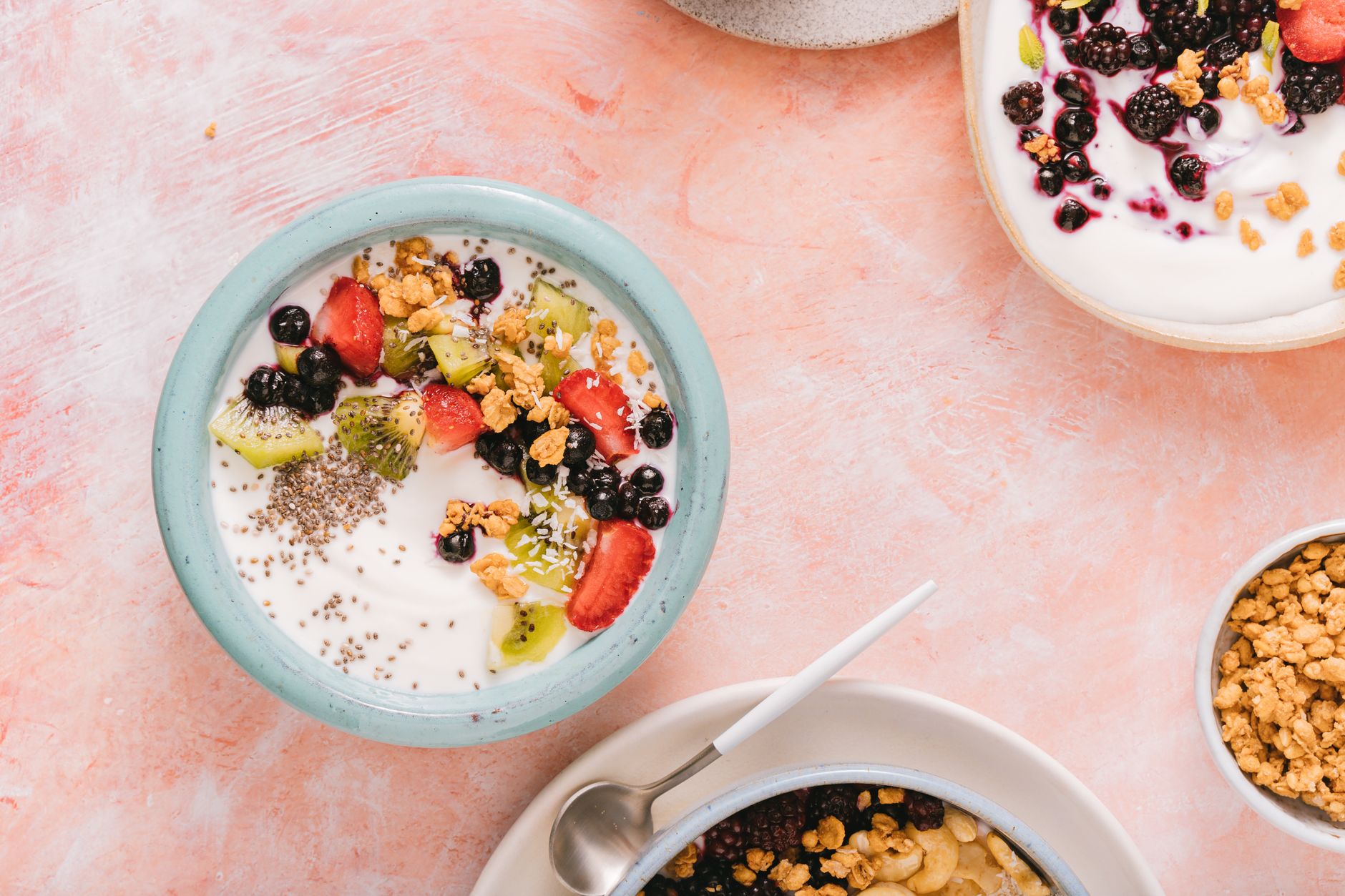
In the landscape of modern nutrition, chia seeds (Salvia hispanica L.) have transitioned from an ancient Aztec staple to a widely discussed functional food. Their contemporary popularity is largely anchored in their dense nutritional profile, which offers a concentrated source of specific nutrients often lacking in Western diets. This chapter provides a foundational, evidence-based overview of chia seeds within the current dietary context, setting the stage for a detailed exploration of their role in promoting satiety and health.
The primary nutritional attributes driving interest in chia seeds include:
- High Dietary Fiber: With approximately 10 grams of fiber per ounce (28 grams), most of which is soluble fiber, chia seeds contribute significantly to daily fiber intake.
- Plant-Based Omega-3 Fatty Acids: They are a rich source of alpha-linolenic acid (ALA), a type of omega-3 fat.
- Complete Protein: They contain all nine essential amino acids, making them a valuable protein source for plant-based diets.
- Micronutrients: They provide notable amounts of minerals like calcium, magnesium, and phosphorus.
It is crucial to distinguish between well-established facts and areas requiring more research. The high fiber and protein content is strongly supported by compositional analysis and is mechanistically linked to promoting feelings of fullness. Epidemiological and some clinical studies suggest that diets high in fiber and ALA are associated with improved cardiovascular and metabolic health markers. However, direct, large-scale, long-term human trials specifically isolating chia seed consumption from other dietary factors are more limited. Claims of direct disease prevention or treatment based solely on chia seed intake are not strongly substantiated by the current evidence.
Clinical Perspective: From a clinical standpoint, chia seeds are best viewed as a nutrient-dense food component that can support broader dietary patterns aimed at improving fiber intake and healthy fat profiles. Their gelling property, due to soluble fiber, is a key feature for culinary use and likely contributes to their satiating effect by slowing gastric emptying.
While generally safe for most people, certain individuals should exercise caution. Those with a history of dysphagia (difficulty swallowing), esophageal strictures, or significant gastrointestinal disorders like inflammatory bowel disease during a flare-up should consult a physician, as the gel-forming property may pose a risk. Individuals on blood-thinning medications or with upcoming surgical procedures should discuss significant increases in ALA intake with their doctor due to its mild antiplatelet potential. As with any significant dietary change, a gradual introduction is advised to assess personal tolerance.
2. Scientific Evidence and Mechanisms of Action

The health benefits of chia seeds are primarily attributed to their unique nutritional composition, which facilitates several physiological mechanisms. The evidence supporting their role in promoting satiety and metabolic health is promising, though it varies in strength and is often derived from relatively small, short-term human trials.
Primary Mechanisms of Action
Chia seeds exert their effects through three key, interconnected mechanisms:
- High Soluble Fiber Content: When mixed with liquid, chia seeds form a viscous gel. This gel slows gastric emptying and the digestion of carbohydrates, leading to a more gradual release of glucose into the bloodstream and a prolonged feeling of fullness.
- High Protein Quality: Chia seeds contain a complete protein profile with all essential amino acids. Dietary protein is highly satiating, as it stimulates the release of gut hormones like peptide YY and GLP-1 that signal fullness to the brain.
- Rich Source of Alpha-Linolenic Acid (ALA): As a plant-based omega-3 fatty acid, ALA is a precursor to EPA and DHA. While conversion in the body is limited, ALA itself contributes to anti-inflammatory processes and cardiovascular health.
Review of the Evidence
Clinical research provides a nuanced picture. A 2017 systematic review in the Journal of Food Science and Technology concluded that chia seed supplementation shows potential for improving cardiovascular risk factors like blood pressure and lipid profiles, particularly in individuals with existing conditions like type 2 diabetes. However, effects on body weight and composition in healthy individuals are less consistent.
For satiety, several controlled studies demonstrate that consuming chia seeds, especially in gel form before a meal, can significantly reduce short-term food intake and subjective hunger ratings compared to control beverages. The evidence for long-term weight management is more limited and mixed, suggesting chia seeds are a supportive tool within a balanced diet, not a standalone solution.
Clinical Perspective: The mechanisms are well-understood and biologically plausible. The strongest evidence supports chia's role in improving post-meal satiety and modestly benefiting cardiometabolic markers. Practitioners often view them as a functional food to enhance diet quality and fiber intake, rather than a therapeutic agent for disease treatment. Outcomes are highly dependent on the rest of an individual's diet and lifestyle.
Important Considerations: Individuals with a history of dysphagia, esophageal strictures, or major gastrointestinal surgeries should use caution with dry chia seeds and always consume them pre-hydrated to avoid obstruction. Those on blood-thinning medications or with upcoming surgical procedures should consult a physician due to chia's potential, though mild, antiplatelet effects from its ALA content.
3. Potential Risks and Contraindications

While chia seeds are a nutrient-dense food with a strong safety profile for most people, incorporating them into your diet requires awareness of specific physiological effects and potential interactions. A clinically responsible approach involves understanding these risks to ensure benefits are gained safely.
Primary Gastrointestinal and Hydration Concerns
The most common adverse effects are gastrointestinal, stemming from their exceptional soluble fiber content. A sudden, significant increase in fiber intake can lead to:
- Bloating, gas, and abdominal discomfort
- Constipation, particularly if fluid intake is not concurrently increased.
Chia seeds absorb 10–12 times their weight in water. Consuming them dry, or without adequate fluid, poses a theoretical risk of esophageal obstruction, especially in individuals with a history of swallowing difficulties. It is strongly recommended to always consume chia seeds that have been pre-soaked or are thoroughly mixed into a liquid food like yogurt, oatmeal, or smoothies.
Medication Interactions and Medical Conditions
Certain populations should exercise caution and consult a healthcare provider before regular consumption:
- Individuals on Anticoagulant/Antiplatelet Therapy: Chia seeds are a source of alpha-linolenic acid (ALA), an omega-3 fatty acid with mild antiplatelet effects. While evidence for a clinically significant interaction in dietary amounts is limited, patients on drugs like warfarin, aspirin, or clopidogrel should discuss chia intake with their physician to monitor for potential additive effects.
- Those with Hypertension on Medication: Preliminary studies suggest chia may have a blood pressure-lowering effect. Individuals taking antihypertensive drugs should monitor their blood pressure to avoid hypotension.
- People with Diverticulitis: During an active flare of diverticulitis, a low-fiber diet is typically advised. It is prudent to avoid chia seeds during this phase and reintroduce them gradually during remission, as per a doctor's guidance.
- Individuals with a History of Eating Disorders: Due to their association with "superfood" status and use in restrictive diets, chia seeds could potentially become a focus of obsessive eating patterns. Their use should be approached with care in this context.
Allergies and Final Considerations
Allergic reactions to chia seeds are rare but possible, particularly in individuals with known allergies to other seeds (e.g., sesame, mustard). Symptoms can range from oral allergy syndrome to more systemic reactions.
The key to safely adding chia seeds to your diet is gradual introduction. Start with a small amount (e.g., half a teaspoon daily), ensure consistent and increased hydration, and observe your body's response. Anyone with the pre-existing medical conditions mentioned above should seek personalized advice from a healthcare professional prior to making them a dietary staple.
4. Practical Dietary Integration Strategies
Integrating chia seeds effectively into your diet requires understanding their unique physical properties. Their high soluble fiber content allows them to absorb 10–12 times their weight in liquid, forming a gel. This gel-forming capacity is central to their role in promoting satiety and requires specific preparation for optimal texture and nutrient absorption.
Key Preparation Methods
To leverage the satiety benefits and avoid a gritty texture, consider these evidence-based methods:
- Soaking (Creating a Gel): Soak 1 tablespoon of chia seeds in at least ½ cup of liquid (water, milk, or plant-based milk) for 15–30 minutes, or overnight. The resulting gel can be consumed directly, added to smoothies, or used as a base for puddings.
- Dry Incorporation: For baking, you can use ground or whole chia seeds directly in recipes for bread, muffins, or as a binder in place of eggs (1 tbsp chia seeds + 2.5 tbsp water per egg).
- Sprinkling: A small quantity (e.g., 1 teaspoon) of dry seeds can be sprinkled on yogurt, oatmeal, or salads. Ensure adequate fluid intake when consuming dry seeds to prevent potential gastrointestinal discomfort.
Evidence-Based Integration Strategies
While studies on chia seeds for weight management show mixed results, their effect on short-term satiety is more consistently supported. Practical integration focuses on displacement and volume.
- Breakfast Enhancement: Add 1–2 tablespoons of chia gel to your morning oatmeal or smoothie. The added volume and fiber can delay gastric emptying, contributing to a feeling of fullness.
- Smart Snacking: Prepare chia seed pudding with unsweetened milk and a modest amount of fruit for a high-fiber, nutrient-dense snack that may help curb between-meal cravings.
- Recipe Modification: Use chia gel or ground chia to replace a portion of flour or fats in recipes, increasing the fiber and nutrient density of meals without significantly altering taste.
Clinical Consideration: The satiety effect is individual and should be part of a balanced diet. For individuals with dysphagia, a history of esophageal strictures, or significant gastrointestinal disorders like inflammatory bowel disease, the gel-like consistency or high fiber load may pose a risk. Those on blood-thinning medications or with upcoming surgical procedures should consult a physician due to chia seeds' potential, though modest, omega-3 content. Always increase fiber intake gradually and with ample fluids to mitigate bloating or gas.
Start with a modest serving (e.g., 1 teaspoon or tablespoon daily) to assess tolerance. Consistency is more impactful than quantity; regular, small additions are a sustainable strategy for enhancing dietary fiber and nutrient intake.
5. When to Consult a Healthcare Professional
While chia seeds are generally safe for most people, their unique properties and potential interactions with certain health conditions necessitate a cautious approach. Integrating them into your diet is a dietary choice, not a medical treatment. Consulting a healthcare professional is a prudent step to ensure safety and appropriateness for your individual health profile.
Key Scenarios for Medical Consultation
You should consider speaking with a doctor or a registered dietitian before significantly increasing your chia seed intake in the following situations:
- History of Swallowing Difficulties or Esophageal Issues: Dry chia seeds can absorb many times their weight in liquid. If consumed without adequate hydration, they can expand in the esophagus and pose a risk of obstruction, particularly for individuals with a history of dysphagia or strictures.
- Diagnosed Digestive Disorders: For those with conditions like Crohn's disease, ulcerative colitis, or diverticulitis, the high fiber content (approximately 10 grams per ounce) can exacerbate symptoms during a flare-up. A professional can advise on appropriate introduction and quantity.
- Blood Pressure or Blood-Thinning Medications: Some preliminary in vitro and animal studies suggest chia seeds may have blood-thinning and blood pressure-lowering effects. While evidence in humans is limited and not conclusive, individuals on anticoagulants (e.g., warfarin) or antihypertensive drugs should discuss this with their physician to monitor for potential additive effects.
- Upcoming Surgical Procedures: Due to the theoretical blood-thinning concern, it is often recommended to discontinue high doses of chia seeds at least two weeks before elective surgery, following a surgeon's or anesthesiologist's guidance.
- Presence of Specific Allergies: Although rare, allergic reactions to chia seeds have been documented. Individuals with known allergies to other seeds (e.g., sesame, mustard) or mint family plants (Lamiaceae) may have a higher risk and should be vigilant.
Clinical Perspective: From a clinical standpoint, the primary concern with chia seeds is not toxicity but mechanical and dietary interaction. We assess them as a concentrated source of fiber and omega-3s. The crucial questions are: Does the patient's gastrointestinal system have the capacity to handle this fiber load? Could this nutrient-dense food inadvertently affect the pharmacokinetics of their medications? A brief consultation can preempt discomfort and ensure dietary changes support overall treatment plans.
Furthermore, if you experience any adverse symptoms after consuming chia seeds—such as severe abdominal pain, bloating, constipation, diarrhea, or signs of an allergic reaction (hives, itching, swelling)—discontinue use and seek medical advice. Ultimately, a healthcare professional can help you integrate chia seeds effectively, tailoring advice to your unique health status, medications, and nutritional goals.
6. Questions & Expert Insights
Are chia seeds truly effective for weight management, or is this just a trend?
The evidence for chia seeds supporting weight management is promising but nuanced. Their high soluble fiber content (about 10 grams per ounce) forms a gel in the stomach, which can slow gastric emptying and promote a feeling of fullness, potentially reducing overall calorie intake. However, clinical trials have shown mixed results. Some studies demonstrate modest benefits for satiety and reductions in post-meal blood sugar, which can help manage appetite, while others show no significant impact on weight loss when chia is simply added to the diet without other changes. The key takeaway is that chia seeds are not a "magic bullet" for weight loss. They are best viewed as a nutrient-dense component of a balanced, calorie-conscious diet, where their fiber and protein can contribute to a sustainable feeling of fullness.
What are the potential side effects or risks of consuming chia seeds?
While generally safe for most people, chia seeds can cause adverse effects, primarily related to their extreme fiber content and ability to absorb water. Introducing them too quickly or consuming large dry quantities can lead to significant gastrointestinal distress, including bloating, gas, and constipation or, paradoxically, diarrhea. There is a rare but serious risk of esophageal obstruction if dry chia seeds are swallowed without sufficient liquid, as they can swell and stick in the throat. Individuals with a history of swallowing difficulties, strictures, or certain gastrointestinal disorders like Crohn's disease or ulcerative colitis should be particularly cautious. Starting with a small dose (e.g., half a tablespoon) and ensuring they are always pre-soaked or consumed with ample fluids is critical.
Who should avoid chia seeds or talk to a doctor before trying them?
Several groups should exercise caution. Individuals with diagnosed kidney disease often need to restrict dietary phosphorus, and chia seeds are high in this mineral, which can exacerbate complications. Those on blood-thinning medications like warfarin (Coumadin) or with bleeding disorders should consult a doctor, as chia seeds contain a moderate amount of vitamin K, which can interfere with anticoagulation therapy. People with a history of food allergies, particularly to mustard or sesame seeds, may have a cross-reactivity risk. Furthermore, anyone with active diverticulitis, upcoming surgery, or who is pregnant or breastfeeding should discuss adding significant new fiber sources with their healthcare provider to ensure it aligns with their specific health needs.
If I decide to discuss chia seeds with my doctor, what specific information should I bring?
To have a productive conversation, come prepared with specific details. First, state your goal (e.g., "to improve satiety between meals" or "to increase omega-3 intake"). Be ready to describe your intended daily amount and form (e.g., "one tablespoon of soaked seeds daily"). Crucially, provide your doctor with a complete and updated list of all medications and supplements, as this allows them to check for interactions, particularly with blood thinners or blood pressure drugs. Also, disclose any relevant medical history, such as digestive issues, kidney problems, or upcoming surgical procedures. This enables your physician to give personalized, safe advice that integrates chia seeds into your overall care plan rather than viewing them in isolation.
7. In-site article recommendations
8. External article recommendations
9. External resources
The links below point to reputable medical and evidence-based resources that can be used for further reading. Always interpret them in the context of your own situation and your clinician’s advice.
-
examine examine.comchia seeds – Examine.com (search)
-
wikipedia wikipedia.orgchia seeds – Wikipedia (search)
-
drugs drugs.comchia seeds – Drugs.com (search)
These external resources are maintained by third-party organisations. Their content does not represent the editorial position of this site and is provided solely to support readers in accessing additional professional information.