
1. Introduction to Turmeric Water in Inflammation Management

Inflammation is a fundamental biological response, a complex cascade of immune activity designed to protect the body from injury and infection. While acute inflammation is a vital, self-limiting process, chronic, low-grade inflammation is implicated in the pathogenesis of numerous conditions, from arthritis and metabolic syndrome to certain cardiovascular diseases. This has spurred significant interest in dietary and lifestyle strategies that may support the body's natural inflammatory regulation.
Among these strategies, the use of turmeric (Curcuma longa) has garnered considerable attention from both the scientific community and the public. The primary bioactive compound in turmeric is curcumin, a polyphenol with well-documented anti-inflammatory and antioxidant properties in preclinical and clinical research. Turmeric water—a simple infusion of turmeric powder or grated root in water—is often proposed as a practical method to incorporate this spice into a daily routine.
The proposed mechanism of action for curcumin is multi-faceted. Laboratory and animal studies suggest it can modulate key molecular targets involved in inflammation, including:
- Transcription factors like NF-κB, which regulates the expression of pro-inflammatory genes.
- Enzymes such as cyclooxygenase-2 (COX-2) and lipoxygenase.
- Cytokines, including tumor necrosis factor-alpha (TNF-α) and interleukins (e.g., IL-1, IL-6).
However, it is crucial to contextualize this evidence. While numerous human trials show promising results for curcumin supplementation in conditions like osteoarthritis and rheumatoid arthritis, the evidence specifically for turmeric water is more limited. Most high-quality clinical studies utilize standardized curcumin extracts, often combined with agents like piperine (from black pepper) to enhance its notoriously poor bioavailability. The concentration of bioactive curcuminoids in a simple water infusion is significantly lower.
Clinical Perspective: From a clinical standpoint, turmeric water is best viewed as a supportive dietary practice rather than a standalone therapeutic intervention. Its potential benefit likely lies in consistent, long-term inclusion as part of an anti-inflammatory diet, not as an acute treatment. The low bioavailability means effects, if any, would be subtle and cumulative.
Individuals should exercise caution and consult a healthcare provider before making significant dietary changes, particularly if they have:
- Gallbladder disease or bile duct obstruction, as turmeric may stimulate bile production.
- A history of kidney stones, due to its oxalate content.
- Bleeding disorders or are on anticoagulant/antiplatelet medication (e.g., warfarin, aspirin), due to potential interactions.
- Scheduled surgery, as it may increase bleeding risk.
This chapter provides an evidence-based foundation for understanding the role of turmeric water within a broader context of inflammation management, setting realistic expectations for the 7-day practice outlined in subsequent sections.
2. Scientific Evidence and Biological Mechanisms

The primary active compound in turmeric, curcumin, is the focus of most scientific inquiry. Its proposed anti-inflammatory effects are rooted in its ability to modulate several key molecular pathways at a cellular level.
Core Biological Mechanisms
Curcumin's action is pleiotropic, meaning it influences multiple targets. The most well-documented mechanism is its inhibition of nuclear factor-kappa B (NF-κB), a protein complex that acts as a master switch for turning on genes that produce pro-inflammatory cytokines like TNF-α, IL-1, and IL-6. By blocking this pathway, curcumin can theoretically reduce the production of these inflammatory signaling molecules.
It also downregulates the activity of enzymes that drive inflammation, including cyclooxygenase-2 (COX-2) and lipoxygenase, and may modulate the activity of immune cells like macrophages.
Evaluating the Human Evidence
Human clinical trials present a more nuanced picture. Systematic reviews and meta-analyses suggest curcumin can be beneficial, but the evidence varies in strength.
- Stronger Evidence: Multiple randomized controlled trials show curcumin supplementation (often with bioavailability enhancers like piperine) can reduce symptoms and inflammatory markers in conditions like osteoarthritis and metabolic syndrome, with effects comparable to some conventional anti-inflammatory drugs in some studies.
- Limited/Mixed Evidence: For many other inflammatory conditions, evidence is preliminary, based on smaller or shorter-term studies. The efficacy of low-dose, aqueous preparations like daily turmeric water is not directly studied in robust clinical trials.
Key Limitations and Cautions
The major limitation of turmeric and curcumin is poor bioavailability; it is poorly absorbed, rapidly metabolized, and eliminated. Consuming it with black pepper (piperine) or fats can enhance absorption, which is a consideration for any protocol.
Individuals who should exercise caution or consult a physician include those on anticoagulant/antiplatelet drugs (e.g., warfarin, clopidogrel), as curcumin may potentiate effects, those with gallbladder disease or bile duct obstruction, and individuals about to undergo surgery. It may also cause gastrointestinal upset in some people.
In summary, the biological rationale for curcumin's anti-inflammatory effect is robust at the molecular level, but the clinical evidence for everyday turmeric water is indirect. It may support a general anti-inflammatory diet, but should not replace medically necessary treatments for diagnosed inflammatory conditions.
3. Risks, Side Effects, and Contraindications
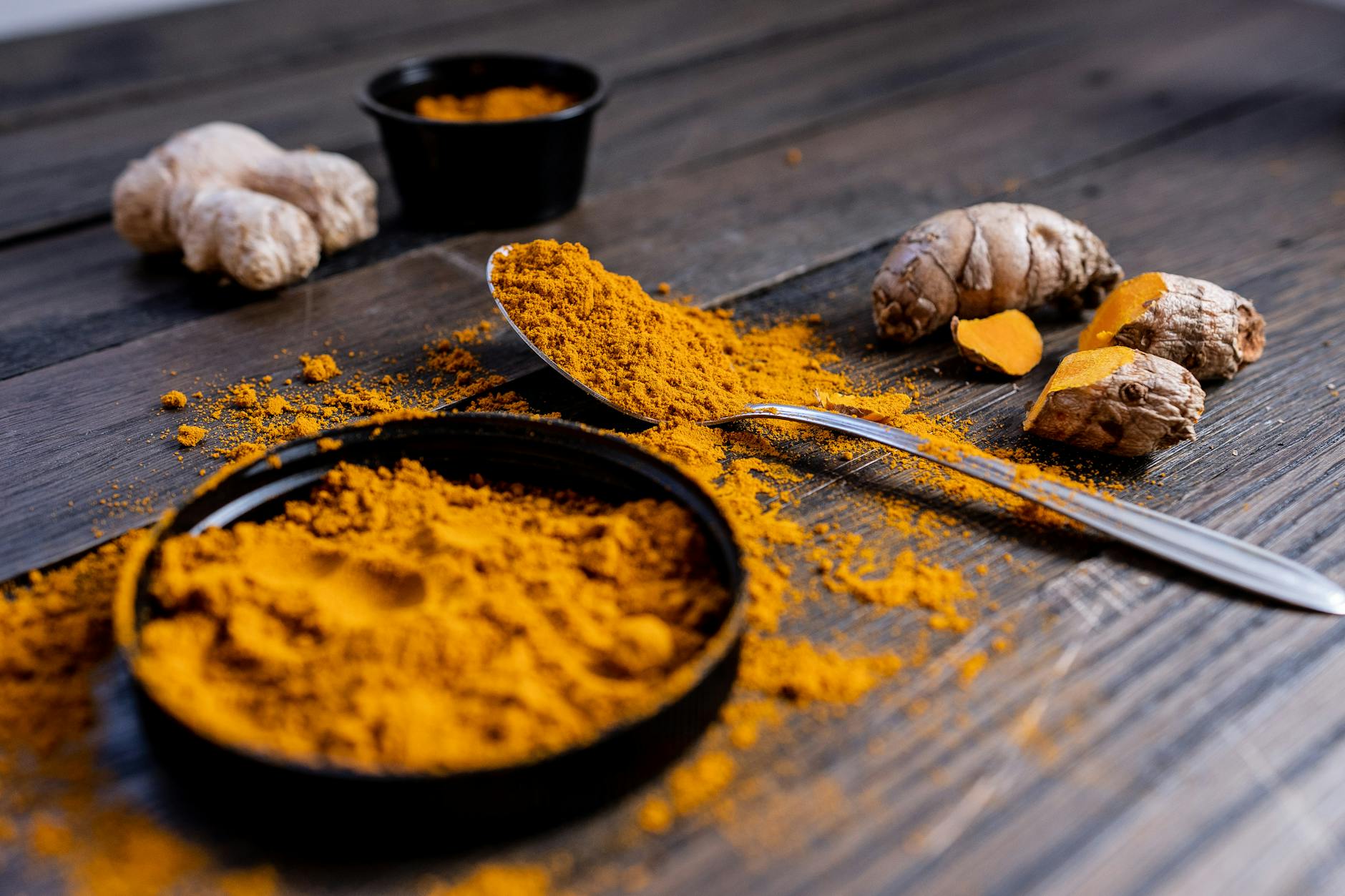
While turmeric is generally well-tolerated as a culinary spice, concentrated or supplemental use for therapeutic purposes, such as in daily turmeric water, carries specific risks that require careful consideration. A responsible approach necessitates understanding potential side effects and absolute contraindications.
Common Side Effects and Interactions
At typical culinary doses, side effects are rare. However, higher doses used for anti-inflammatory effects may cause:
- Gastrointestinal distress: Nausea, diarrhea, or acid reflux, particularly on an empty stomach.
- Blood-thinning effect: Curcumin has mild antiplatelet properties. This poses a significant risk for individuals on anticoagulant or antiplatelet medications (e.g., warfarin, clopidogrel, aspirin), potentially increasing bleeding risk.
- Drug interactions: Turmeric may interfere with drugs metabolized by liver enzymes (CYP450), potentially altering the efficacy of medications for diabetes, hypertension, or chemotherapy.
- Iron absorption: Some evidence suggests curcumin may chelate iron, which could exacerbate anemia in susceptible individuals.
Clinical Insight: The most critical interaction is with blood thinners. Patients on these medications should not initiate a turmeric regimen without explicit clearance from their cardiologist or hematologist. The risk of post-operative or spontaneous bleeding is not trivial.
Specific Contraindications and Populations for Caution
Certain individuals should avoid therapeutic turmeric water or consult a physician first:
- Gallbladder disease: Turmeric may stimulate bile production, potentially triggering gallstone pain or contractions.
- Kidney stones: Turmeric is high in soluble oxalates, which can increase urinary oxalate excretion and risk of calcium oxalate stone formation in predisposed individuals.
- Pregnancy and lactation: While culinary use is safe, concentrated medicinal doses are not recommended due to limited safety data and potential uterine stimulant effects.
- Pre-surgery: Discontinue use at least two weeks before any scheduled surgery due to bleeding risk.
- Gastroesophageal reflux disease (GERD) or ulcers: May exacerbate symptoms.
The evidence for these risks is drawn from pharmacological studies, case reports, and known biochemical interactions. It is more robust for drug interactions and gallbladder effects than for some rarer side effects. If you have a chronic health condition or take regular medication, a consultation with your doctor or a pharmacist is an essential step before beginning any new supplement regimen.
4. Practical Implementation for a 7-Day Regimen
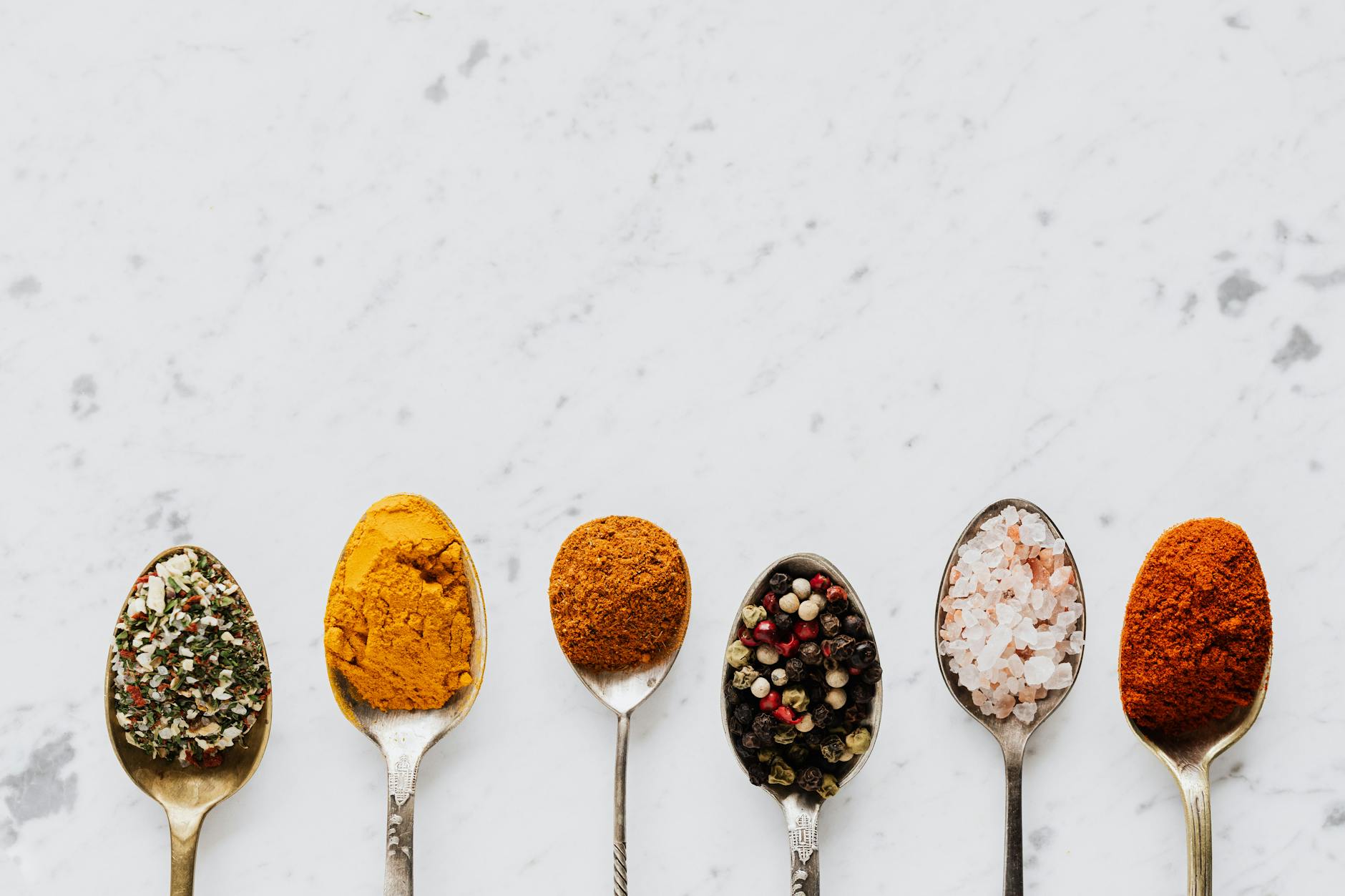
Implementing a 7-day regimen of turmeric water is a structured approach to assess personal tolerance and potential effects. The primary goal is consistency, not dramatic results, as the evidence for short-term, high-impact anti-inflammatory effects in humans is preliminary. This plan is designed for adults in generally good health.
Daily Preparation and Dosage
Consistency in preparation is key for reliable intake. A standard starting point is:
- Mix ½ to 1 teaspoon (approximately 2.5-5 grams) of high-quality, pure turmeric powder into 1 cup (240 ml) of warm water.
- Add a pinch of black pepper, as the piperine it contains can enhance the bioavailability of curcumin, turmeric's primary active compound, by up to 2000% according to some pharmacokinetic studies.
- Stir thoroughly and consume. The taste can be earthy and slightly bitter; a small amount of honey or lemon may be added for palatability if desired.
The 7-Day Schedule
Follow this daily schedule, paying close attention to your body's response.
- Days 1-3 (Initiation): Consume one serving in the morning with or after a meal. Taking it with a small amount of healthy fat (e.g., a spoonful of olive oil or coconut milk blended in) may further aid absorption, as curcumin is fat-soluble. Monitor for any gastrointestinal discomfort.
- Days 4-7 (Consolidation): If well-tolerated, you may continue with one daily serving or consider a second serving in the evening, again with food. Do not exceed a total of 2-3 teaspoons of turmeric powder per day without professional guidance.
Clinical Perspective: A 7-day period is insufficient to draw conclusions about efficacy for chronic inflammatory conditions, which often require sustained intervention over weeks or months. This timeframe is more appropriate for establishing a habit and observing acute tolerance. Any perceived reduction in inflammation-related discomfort during this period should be interpreted cautiously, as it may be influenced by placebo effect, increased hydration, or other lifestyle factors.
Essential Precautions and Monitoring
Turmeric is generally recognized as safe as a food spice, but concentrated daily intake warrants caution for certain individuals.
- Consult a physician before starting if you: have gallbladder disease, bile duct obstruction, gastroesophageal reflux disease (GERD), are on blood-thinning medications (e.g., warfarin, clopidogrel), have iron deficiency, or are pregnant/breastfeeding.
- Discontinue and seek advice if you experience: significant stomach upset, nausea, diarrhea, or allergic reactions.
This regimen is an exploratory dietary practice, not a medical treatment. It should complement, not replace, a balanced anti-inflammatory diet rich in fruits, vegetables, and whole foods, and any prescribed medical care for inflammatory conditions.
5. Safety Protocols and When to Consult a Healthcare Professional

While turmeric water is generally considered safe for culinary use, adopting it as a concentrated, daily supplement for inflammation requires a cautious and informed approach. The primary active compound, curcumin, has documented biological effects that can interact with medications and underlying health conditions.
Key Safety Considerations
Before beginning a 7-day regimen, assess your personal risk profile. The following groups should exercise particular caution or avoid high-dose turmeric/curcumin intake without explicit medical clearance:
- Individuals on anticoagulant or antiplatelet medications (e.g., warfarin, clopidogrel, aspirin): Curcumin may have mild blood-thinning properties, potentially increasing the risk of bleeding or bruising.
- Individuals with gallbladder disease or bile duct obstruction: Turmeric stimulates bile production, which could exacerbate symptoms or trigger gallbladder contractions.
- Individuals with iron deficiency or at risk for anemia: Some evidence suggests curcumin may chelate iron, potentially interfering with its absorption.
- Individuals scheduled for surgery: Due to its potential effects on bleeding, it is typically advised to discontinue turmeric supplements at least two weeks prior to any surgical procedure.
- Pregnant or breastfeeding individuals: While culinary amounts are safe, the safety of concentrated, therapeutic doses is not well-established and is not recommended.
Clinical Insight: In practice, the most common safety issue clinicians encounter is the drug-interaction potential. Curcumin is metabolized by liver enzymes (cytochrome P450 system) and may alter the blood levels of many common pharmaceuticals, including certain antidepressants, statins, and diabetes medications. A patient's "natural" regimen is a critical part of a complete medication review.
When to Consult a Healthcare Professional
It is prudent to consult your physician or a registered dietitian before starting this or any new wellness protocol, especially if you:
- Have a diagnosed chronic health condition (e.g., diabetes, kidney disease, gastroesophageal reflux disease).
- Are currently taking any prescription or over-the-counter medications regularly.
- Experience any adverse effects during the regimen, such as stomach upset, nausea, diarrhea, or allergic reactions.
- Are considering using high-dose curcumin supplements (>1-1.5 grams daily) instead of or in addition to turmeric water.
Remember, the evidence for turmeric's anti-inflammatory effects, while promising, comes largely from controlled supplement studies using standardized curcumin extracts with enhancers like piperine (from black pepper). The effects of drinking turmeric water alone over one week are less rigorously studied and should be viewed as a supportive dietary practice, not a substitute for medical treatment of chronic inflammatory conditions.
6. Questions & Expert Insights
Can drinking turmeric water really reduce inflammation in just seven days?
While turmeric, and specifically its active compound curcumin, has demonstrated anti-inflammatory properties in numerous laboratory and animal studies, the timeline for observable effects in humans is less definitive. High-quality human trials typically use standardized, high-dose curcumin extracts (often 500–1000 mg daily) with added piperine (from black pepper) to enhance absorption, not simply turmeric-infused water. The concentration of curcumin in a homemade turmeric water beverage is significantly lower and its bioavailability is poor without a fat source or enhancer like black pepper. Some individuals may report feeling a subjective reduction in minor aches or stiffness within a week, but this is more likely due to increased hydration or a placebo effect. For measurable, clinically significant anti-inflammatory effects, consistent, long-term use of a properly formulated supplement alongside a healthy diet is the evidence-based approach, not a short-term "water cleanse."
What are the risks or side effects, and who should absolutely avoid turmeric water?
Turmeric is generally safe as a culinary spice but concentrated or frequent consumption as a beverage carries specific risks. The primary concern is its potential to inhibit platelet aggregation (thin the blood) and interact with anticoagulant medications like warfarin, aspirin, or clopidogrel, increasing bleeding risk. It may also stimulate gastric acid secretion, aggravating GERD or ulcers. High doses can cause gastrointestinal upset, including nausea and diarrhea. Specific groups who should avoid this practice include:
- Individuals scheduled for surgery or with bleeding disorders.
- Those with gallbladder disease, as turmeric can trigger contractions.
- People with iron deficiency anemia, as curcumin can interfere with iron absorption.
- Individuals with kidney stones (particularly oxalate stones), as turmeric is high in oxalates.
- Pregnant women, due to its potential uterine-stimulating effects.
When should I talk to my doctor about using turmeric for inflammation, and what should I bring to the appointment?
You should consult your physician or a relevant specialist (e.g., a rheumatologist, gastroenterologist, or cardiologist) before starting if you have a diagnosed medical condition, are taking any prescription medications, or are planning surgery. This is crucial to prevent adverse interactions and to ensure turmeric does not mask symptoms of a condition requiring standard care. For the appointment, prepare to discuss:
- Your "Why": Be specific about the inflammation or symptoms (e.g., joint pain, digestive discomfort) you hope to address.
- Your Full Medication/Supplement List: Bring a physical list of all prescriptions, over-the-counter drugs, and other supplements, including dosages.
- Your Planned Protocol: Describe exactly how you intend to prepare and consume the turmeric water (amount, frequency, added ingredients like black pepper).
- Your Health Goals: Explain how this fits into your overall management plan, so your doctor can provide integrated advice.
Is the anti-inflammatory effect of turmeric water comparable to over-the-counter NSAIDs like ibuprofen?
No, the anti-inflammatory effect of turmeric water is not clinically comparable to pharmaceutical NSAIDs (non-steroidal anti-inflammatory drugs) like ibuprofen or naproxen. NSAIDs work by directly and potently inhibiting cyclooxygenase (COX) enzymes, providing reliable and relatively rapid relief from pain and inflammation for conditions like headaches, acute injuries, or arthritis flare-ups. Curcumin's mechanism is more diffuse, modulating multiple inflammatory pathways (e.g., NF-κB) with a much milder overall effect. While this broader action may offer benefits for long-term, low-grade systemic inflammation with fewer side effects than chronic NSAID use (e.g., on the kidneys and stomach), it is not a substitute for acute pain management. Relying on turmeric water for acute inflammatory pain could lead to inadequate treatment. It should be viewed as a potential component of a long-term wellness diet, not an over-the-counter medication alternative.
7. In-site article recommendations
8. External article recommendations
9. External resources
The links below point to reputable medical and evidence-based resources that can be used for further reading. Always interpret them in the context of your own situation and your clinician’s advice.
-
mayoclinic mayoclinic.orgturmeric water – Mayo Clinic (search)
-
wikipedia wikipedia.orgturmeric water – Wikipedia (search)
-
examine examine.comturmeric water – Examine.com (search)
These external resources are maintained by third-party organisations. Their content does not represent the editorial position of this site and is provided solely to support readers in accessing additional professional information.