
1. Introduction to Juice Cleanses: Context and Clinical Perspective

The concept of a "juice cleanse" or "juice fast" involves consuming only fruit and vegetable juices, typically for a period ranging from a few days to several weeks, while abstaining from solid food. This practice is often marketed as a means to "detoxify" the body, reset digestion, and promote rapid weight loss. From a clinical and historical perspective, it is a modern iteration of long-standing traditions of fasting and dietary restriction, though its current popularity is largely driven by wellness trends rather than medical science.
It is crucial to distinguish between the popular claims and the evidence-based reality. The human body possesses highly efficient, intrinsic detoxification systems primarily involving the liver, kidneys, gastrointestinal tract, and skin. There is no robust scientific evidence that juice cleanses enhance these natural processes. Any perceived "cleansing" effects, such as increased energy or mental clarity, are more likely attributable to a significant reduction in caloric intake, increased hydration from the juices, and the elimination of processed foods—not the removal of unspecified "toxins."
Clinical Perspective: Most mainstream medical and nutritional organizations do not endorse juice cleanses as a health strategy. The primary concern is nutritional inadequacy. Juices lack essential macronutrients like protein and healthy fats, and the juicing process often removes beneficial fiber. While they can provide a concentrated source of some vitamins and antioxidants, this comes at the expense of a balanced diet.
Potential short-term physical changes one might document during a cleanse can include:
- Initial weight loss: This is predominantly water weight and glycogen depletion, not sustainable fat loss.
- Altered digestion: The lack of fiber can lead to constipation, while the high fructose load in some fruit juices may cause bloating or diarrhea.
- Energy fluctuations: Early periods of fatigue or lightheadedness are common due to low calorie and carbohydrate intake.
Who should exercise extreme caution or avoid juice cleanses entirely? This practice is not appropriate for individuals with diabetes, kidney disease, eating disorders, those who are pregnant or breastfeeding, or anyone on medications that require food intake. The restrictive nature can also be mentally and physically stressful.
This chapter provides the necessary context to interpret the documented physical changes of a 10-day juice cleanse through a lens of clinical responsibility, separating anecdotal experience from physiological fact.
2. Scientific Evidence and Physiological Mechanisms of Short-Term Juice Fasting

The physiological effects of a short-term juice cleanse are best understood as a period of severe caloric and macronutrient restriction. The primary mechanism is a rapid shift in metabolic fuel sources. Within 12-24 hours of consuming only juice, the body depletes its glycogen stores, leading to a loss of associated water weight and a shift to ketone production from fat stores for energy.
Evidence for specific health benefits is limited and often conflated with the effects of simple weight loss or increased micronutrient intake. The scientific literature shows:
- Weight Loss: Rapid initial weight loss is well-documented, but it is predominantly from water, glycogen, and intestinal contents, not sustainable fat loss.
- Antioxidant Intake: Juices can provide a concentrated dose of vitamins, minerals, and phytonutrients. However, the bioavailability of some nutrients may be lower without the fiber present in whole fruits and vegetables.
- Insulin Sensitivity: Some short-term studies on very-low-calorie diets show transient improvements in insulin sensitivity, likely due to caloric restriction itself. This effect is not unique to juice fasting and is often not sustained post-fast.
Significant gaps and uncertainties exist. Most studies on "juice fasting" are small, short-term, and lack control groups. There is a notable absence of high-quality evidence supporting claims of "detoxification," as the body's hepatic and renal systems perform this function continuously. Potential mechanisms for reported subjective improvements in energy or clarity are speculative and may relate to placebo, caffeine from green juices, or the psychological effect of a structured dietary change.
Clinical Perspective: From a physiological standpoint, a juice fast is a low-protein, low-fat, low-fiber diet. Clinicians are concerned about the loss of lean muscle mass due to protein deficiency, potential blood sugar dysregulation from high fructose loads, and the risk of refeeding syndrome in vulnerable individuals upon returning to solid food. The body does not require an external "cleanse" to eliminate toxins.
Who should exercise extreme caution or avoid juice fasting? This approach is not appropriate for individuals with:
- Diabetes or blood sugar dysregulation
- Kidney disease
- A history of eating disorders
- Pregnancy or lactation
- Those on certain medications (e.g., for diabetes or hypertension)
Consulting a physician or a registered dietitian is strongly advised before undertaking any significant dietary restriction, especially for those with pre-existing health conditions.
3. Risks, Adverse Effects, and Populations to Avoid Juice Cleanses

While some individuals report short-term subjective benefits from juice cleanses, the practice carries significant, well-documented risks. These adverse effects stem primarily from the severe calorie restriction, lack of essential macronutrients like protein and fat, and the high, unregulated sugar load from fruit juices.
Common Adverse Effects
The most frequently reported physical changes are negative and can be significant:
- Severe Energy Depletion and Brain Fog: The brain relies on a steady supply of glucose. The initial sugar rush from juice is often followed by a crash, leading to fatigue, headaches, irritability, and impaired concentration.
- Muscle Catabolism: With minimal protein intake, the body begins breaking down muscle tissue for amino acids to support basic physiological functions, leading to a loss of lean mass.
- Digestive Distress: The absence of fiber, despite its presence in whole fruits and vegetables, can disrupt normal bowel motility, leading to constipation or, paradoxically, diarrhea due to fructose malabsorption.
- Blood Sugar Dysregulation: The concentrated fructose and glucose in juices can cause rapid spikes and subsequent drops in blood sugar, which is particularly hazardous for individuals with insulin resistance, prediabetes, or diabetes.
Specific Populations at High Risk
Juice cleanses are contraindicated for several groups due to the potential for serious harm. These individuals should avoid them entirely:
- Individuals with Diabetes or Prediabetes: The risk of dangerous hyperglycemia or hypoglycemia is markedly increased. Those with Kidney Disease: High-oxalate juices (e.g., spinach, beetroot) can precipitate oxalate nephropathy, a form of kidney damage.
- People with a History of Eating Disorders: The extreme restriction can trigger relapse into disordered eating patterns.
- Pregnant or Breastfeeding Individuals: Nutrient and caloric demands are significantly higher; restriction can jeopardize fetal and maternal health.
- Individuals on Certain Medications: Those on diuretics, diabetes medications, or blood thinners (like warfarin) can experience dangerous interactions or side effects.
Clinical Perspective: From a medical standpoint, the human body has sophisticated, built-in detoxification systems—the liver and kidneys. There is no high-quality evidence that juice cleanses enhance their function. The weight lost is predominantly water and muscle glycogen, not fat, and is quickly regained. Any decision to undertake a significant dietary change, especially one involving extreme restriction, should be discussed with a physician or a registered dietitian to assess individual risk.
The evidence for the purported "detox" benefits of juice cleanses is lacking, while the evidence for their adverse effects is clear. For sustainable health, a balanced diet rich in whole foods is overwhelmingly supported by robust scientific literature.
4. Evidence-Based Practical Takeaways for Health-Conscious Individuals
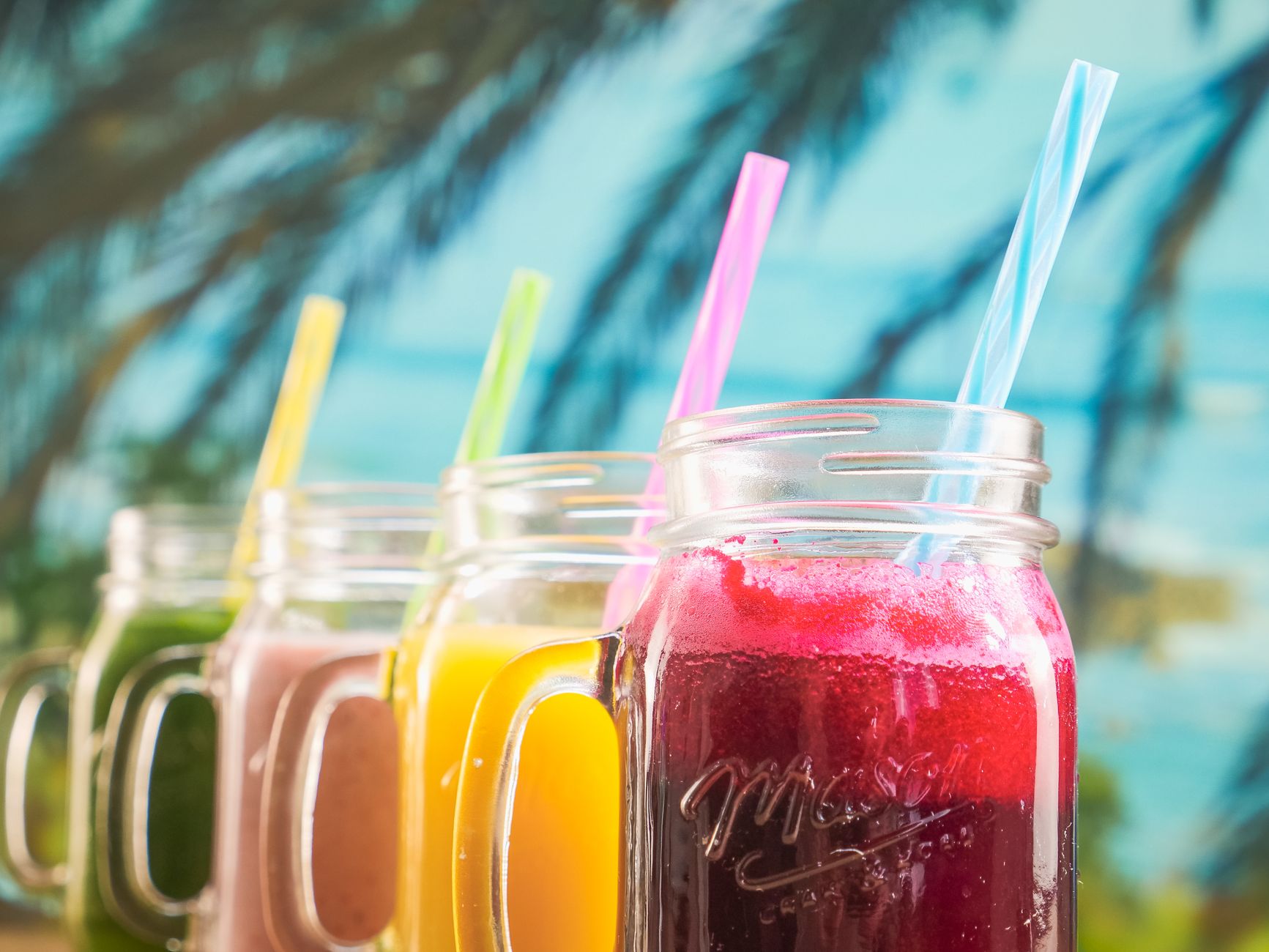
While a 10-day juice cleanse is an extreme dietary intervention, the experience can highlight evidence-based principles for sustainable health. The key is to extract practical, safe lessons from the practice without adopting its restrictive nature.
What the Evidence Supports
Several positive changes reported during cleanses are supported by general nutritional science, though they are not unique to juicing.
- Increased Micronutrient Intake: Consuming a variety of vegetable and fruit juices can temporarily boost intake of vitamins, minerals, and phytonutrients. This is one of the most plausible benefits, though whole fruits and vegetables provide superior fiber.
- Reduction in Ultra-Processed Foods: Eliminating processed foods, added sugars, and unhealthy fats for any period can reduce systemic inflammation and improve metabolic markers like blood glucose. This is a well-documented effect of whole-food diets.
- Mindful Eating Patterns: The structure of a cleanse can reset habitual eating patterns, encouraging greater awareness of hunger cues and food choices post-cleanse.
Areas of Limited Evidence and Caution
Claims of "detoxification" or "resetting" the digestive system lack robust scientific support. The liver and kidneys are highly efficient detoxifying organs without need for extreme dietary measures.
- Weight Loss: Initial rapid weight loss is primarily from water and glycogen depletion, not sustainable fat loss. Weight typically returns upon resuming a normal diet.
- Gut Health: Juices lack the prebiotic fiber essential for a healthy gut microbiome. Prolonged juice-only diets may negatively impact gut bacterial diversity.
Clinical Perspective: From a medical standpoint, the most valuable takeaway from a cleanse narrative is the demonstration of dietary discipline and the tangible effects of removing processed foods. However, the model is flawed for long-term health. A superior approach is to integrate the positive elements—increased produce, reduced processed foods—into a balanced, sustainable eating pattern that includes adequate protein, healthy fats, and fiber.
Practical, Balanced Recommendations
Instead of periodic extreme cleanses, consider these evidence-based strategies:
- Incorporate a daily green smoothie or fresh vegetable juice alongside meals, not as a replacement.
- Schedule regular "whole-food reset" days focused on vegetables, fruits, lean proteins, and whole grains, avoiding processed items.
- Use the mindfulness gained from a structured eating experiment to practice intuitive eating.
Important Precautions: Individuals with diabetes, kidney disease, a history of eating disorders, or those who are pregnant or breastfeeding should avoid restrictive juice cleanses. Anyone on medication, especially for blood pressure or diabetes, must consult a physician before making significant dietary changes, as nutrient and calorie restriction can alter medication requirements.
5. Safety Protocols and When to Consult a Healthcare Professional
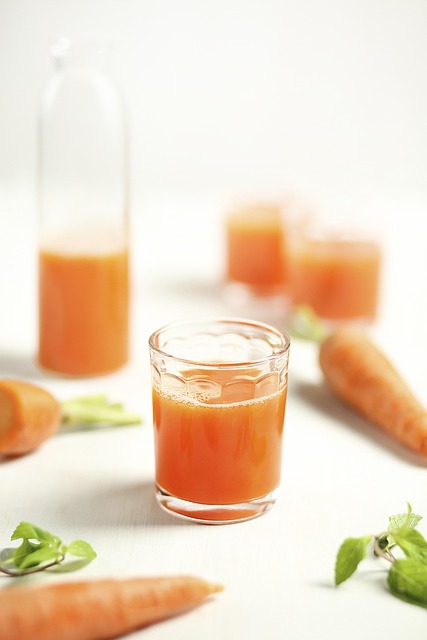
Any significant dietary modification, including a 10-day juice cleanse, requires careful consideration of safety. The evidence supporting the purported "detoxifying" benefits of juice cleanses is limited and largely anecdotal. The human body possesses highly efficient detoxification systems in the liver and kidneys that function optimally with balanced nutrition. Therefore, the primary safety concern shifts from "detox" to managing the physiological impact of a severe, temporary caloric and nutrient restriction.
Essential Safety Protocols
If you choose to proceed, implementing these protocols can help mitigate risks:
- Hydration is Paramount: While juices contain water, their high natural sugar content can have a diuretic effect. Supplement with ample plain water throughout the day to support kidney function and prevent dehydration.
- Prioritize Vegetable-Based Juices: Limit fruit-dominant juices to avoid excessive fructose intake, which can cause blood sugar spikes, energy crashes, and place metabolic stress on the liver. Aim for a ratio of at least 3:1 vegetables to fruits.
- Listen to Your Body Actively: Symptoms like severe dizziness, profound fatigue, heart palpitations, nausea, or brain fog are signals to stop. They may indicate hypoglycemia, electrolyte imbalance, or inadequate energy intake.
- Plan a Gradual Reintroduction: The post-cleanse period is critical. Suddenly reintroducing solid foods, especially those high in fat or fiber, can cause significant gastrointestinal distress. Start with easily digestible foods like broths, steamed vegetables, and soft fruits over 2-3 days.
Clinical Perspective: From a medical standpoint, a juice cleanse is a very-low-calorie diet devoid of essential macronutrients like protein and healthy fats. This can trigger muscle catabolism, disrupt gut microbiota due to lack of fiber, and alter medication metabolism. Clinicians are less concerned with "cleansing" and more focused on the potential for nutrient deficiencies, metabolic disruption, and the triggering of disordered eating patterns in susceptible individuals.
Who Must Consult a Healthcare Professional First?
Certain individuals should categorically avoid juice cleanses or only attempt them under direct medical supervision. You must consult your physician or a registered dietitian before starting if you have:
- Preexisting Medical Conditions: Diabetes, hypoglycemia, kidney disease, liver disease, or any metabolic disorder.
- Electrolyte-Sensitive Conditions: Heart conditions, hypertension managed with diuretics, or adrenal insufficiency.
- Specific Life Stages or Statuses: Pregnancy, breastfeeding, childhood/adolescence, or advanced age.
- History of Eating Disorders: The restrictive nature can trigger relapse.
- Current Medication Use: Especially for diabetes, blood pressure, blood thinners, or psychiatric conditions, as dietary changes can alter drug efficacy and safety.
The most evidence-based safety protocol is to view any cleanse not as a solution, but as a prompt to discuss your long-term nutritional habits with a qualified healthcare provider.
6. Questions & Expert Insights
Is a 10-day juice cleanse an effective way to detoxify the body?
The concept of "detoxification" in this context is a misnomer. Your liver, kidneys, lungs, and skin are highly effective, continuous detoxification systems. There is no clinical evidence that juice cleanses enhance this intrinsic function. The perceived "cleansing" effects—like changes in bowel habits or clearer skin—are typically due to a sudden, drastic increase in fluid and simple sugar intake, coupled with the elimination of processed foods, not the removal of stored "toxins." Any weight lost is primarily water weight and glycogen (stored carbohydrate), not fat, and is usually regained quickly upon resuming a normal diet. The body does not require a special regimen to eliminate metabolic waste products; it does so efficiently every day.
What are the main risks or side effects, and who should absolutely avoid a juice cleanse?
Juice cleanses carry several notable risks. The high sugar load, even from natural sources, can cause significant blood glucose spikes and crashes, leading to irritability, fatigue, and headaches. The regimen is extremely low in protein, essential fatty acids, and fiber, which can lead to muscle loss, nutrient deficiencies, and disrupted digestion. It is contraindicated for many individuals, including those with diabetes, kidney disease, a history of eating disorders, pregnant or breastfeeding women, and individuals on certain medications (e.g., diuretics, diabetes drugs, blood thinners). The lack of solid food can also exacerbate disordered eating patterns and negatively impact metabolic rate.
If I'm considering a cleanse, when should I talk to my doctor, and what should I discuss?
You should consult your primary care physician or a registered dietitian before starting any extreme dietary protocol. This is non-negotiable if you have any chronic health condition, take regular medications, or are pregnant. Bring a detailed list of the juices (ingredients and approximate volumes), the planned duration, and your reasons for wanting to do the cleanse. Discuss your complete medical history and current medications. A key question to ask is: "Given my specific health profile, what are the potential risks of this plan, and are there safer, more sustainable alternatives to achieve my health goals?" This conversation can help identify personalized risks and prevent adverse interactions or nutrient shortfalls.
Can a short-term juice cleanse lead to lasting health benefits or weight loss?
There is no robust scientific evidence that short-term juice cleanses produce lasting health benefits. While some people report temporary increases in energy or subjective well-being, these are often attributed to the placebo effect or the psychological satisfaction of completing a challenging regimen. For sustainable weight management, rapid loss from severe calorie restriction is counterproductive, as it promotes loss of lean muscle mass and a subsequent drop in metabolic rate, making weight regain more likely. Lasting health improvements are built on consistent, balanced nutrition, regular physical activity, and sustainable lifestyle habits—not on brief, restrictive interventions. The resources and willpower expended on a cleanse are often better invested in learning and implementing gradual, maintainable dietary changes.
7. In-site article recommendations
8. External article recommendations
9. External resources
The links below point to reputable medical and evidence-based resources that can be used for further reading. Always interpret them in the context of your own situation and your clinician’s advice.
-
drugs drugs.comjuice cleanse – Drugs.com (search)
-
wikipedia wikipedia.orgjuice cleanse – Wikipedia (search)
-
mayoclinic mayoclinic.orgjuice cleanse – Mayo Clinic (search)
These external resources are maintained by third-party organisations. Their content does not represent the editorial position of this site and is provided solely to support readers in accessing additional professional information.