
1. Introduction to the 14-Day Plant-Based Cleanse: Personal and Clinical Context
This chapter outlines the personal motivations and clinical context for undertaking a 14-day plant-based dietary intervention. It is not a prescriptive guide but a structured exploration of the potential benefits, inherent challenges, and evidence base surrounding short-term, whole-food, plant-centric eating patterns.
My personal rationale was twofold: to experience firsthand the reported effects of a high-fiber, nutrient-dense diet on energy and digestion, and to critically examine the popular concept of a "cleanse" through a clinical lens. The term "cleanse" is often associated with unsubstantiated claims of detoxification. In this context, it refers strictly to a temporary, elimination-style diet focused on whole plant foods while excluding processed items, added sugars, refined grains, and animal products.
The clinical rationale for exploring plant-based diets is supported by substantial evidence. Large-scale observational studies and meta-analyses consistently associate long-term adherence to plant-predominant diets with reduced risks of cardiovascular disease, type 2 diabetes, and certain cancers. Proposed mechanisms for these benefits include:
- Increased intake of dietary fiber, antioxidants, and phytonutrients.
- Improved lipid profiles and endothelial function.
- Modulation of the gut microbiome.
However, the evidence for short-term interventions like a 14-day protocol is more nuanced. While studies show rapid improvements in biomarkers like LDL cholesterol and insulin sensitivity within weeks, these are often conducted in controlled settings. The lived experience—including practical adherence, social dynamics, and subjective well-being—is less documented and highly individual.
Clinical Perspective: A short-term plant-based intervention can be a useful tool for dietary pattern awareness and may initiate positive changes. However, it is not a substitute for long-term, sustainable lifestyle modification. Crucially, individuals with pre-existing conditions such as kidney disease, diabetes (especially on insulin or sulfonylureas), a history of eating disorders, or those who are pregnant or breastfeeding should consult a physician or registered dietitian before making significant dietary changes. Medication dosages, particularly for blood pressure or diabetes, may require adjustment.
This narrative will detail the specific parameters of the cleanse, the unexpected logistical and physiological challenges encountered, and the lessons that may inform a more balanced, evidence-based approach to incorporating plant-based principles into one's diet.
2. Evidence and Mechanisms Underlying Plant-Based Dietary Changes

The physiological effects of a short-term shift to a whole-food, plant-based (WFPB) diet are supported by a robust body of evidence, though the duration and context of a 14-day cleanse influence the outcomes. The primary mechanisms involve changes in nutrient density, fiber intake, and the gut microbiome.
A core benefit is the significant increase in dietary fiber, which is strongly linked to improved gut motility and the production of short-chain fatty acids (SCFAs) like butyrate by gut bacteria. SCFAs have anti-inflammatory properties and support gut barrier integrity. Concurrently, a WFPB diet typically reduces intake of saturated fats and eliminates processed foods, which can lead to rapid improvements in markers like LDL cholesterol and blood pressure within weeks.
The evidence is more nuanced regarding systemic "detoxification." The human liver and kidneys are highly efficient at metabolic detoxification daily. A plant-based diet supports these organs by reducing the burden of compounds like advanced glycation end products (found in grilled/processed meats) and providing antioxidants. However, claims of "flushing toxins" are not supported by physiology; the benefit lies in removing dietary stressors rather than activating a novel detox pathway.
Potential challenges and mechanisms include:
- Micronutrient Shifts: While increasing vitamins C, E, and folate, a poorly planned plant-based diet can lower levels of bioavailable iron, zinc, vitamin B12, and vitamin D. B12 deficiency is a particular concern, as stores can take years to deplete, but a short cleanse will not cause deficiency.
- Digestive Adaptation: A sudden, large increase in fiber and FODMAPs (fermentable carbohydrates) can cause significant bloating, gas, and altered bowel habits as the gut microbiome adapts.
- Energy Availability: Plant-based foods are often less energy-dense. Without conscious planning to include adequate calories from nuts, seeds, legumes, and whole grains, individuals may experience transient fatigue or hunger.
Who should exercise caution? Individuals with known or suspected kidney disease must consult a physician, as a high-potassium plant-based diet can be risky. Those with irritable bowel syndrome (IBS) may struggle with the high FODMAP load. Anyone with a history of eating disorders or on specific medications (e.g., for diabetes or blood thinning) should seek medical guidance before making drastic dietary changes, as nutrient and medication interactions need monitoring.
3. Risks, Contraindications, and Populations to Avoid
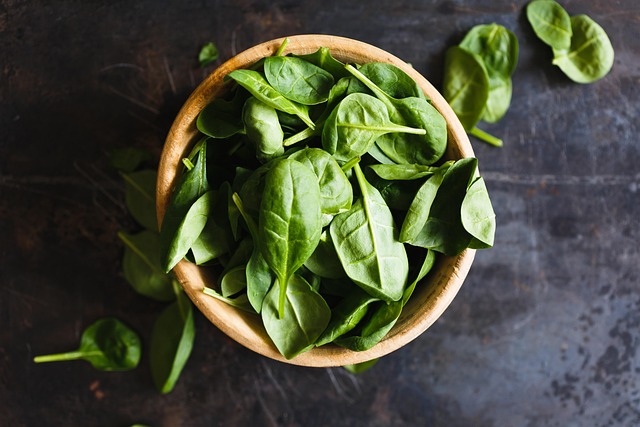
While a short-term plant-based dietary intervention can offer insights into one's relationship with food, it is not a neutral or universally safe practice. The potential risks are not merely about willpower but involve tangible physiological and psychological consequences that must be carefully weighed.
Key Medical and Nutritional Risks
The primary risks stem from rapid dietary change and potential nutrient inadequacy, especially in restrictive "cleanse" formats that may severely limit calories or entire food groups.
- Nutrient Deficiencies: Short-term risks include inadequate intake of vitamin B12, iron (non-heme iron from plants is less bioavailable), zinc, omega-3 fatty acids (EPA/DHA), and complete protein. This can lead to fatigue, impaired immune function, and, for those with marginal stores, a rapid decline in status.
- Gastrointestinal Distress: A sudden, large increase in fiber from legumes, vegetables, and whole grains can cause significant bloating, gas, and abdominal discomfort as the gut microbiome adjusts.
- Blood Sugar Fluctuations: Without careful planning, a diet high in simple carbohydrates from fruits and refined plant foods can cause unstable energy levels and hypoglycemic episodes in sensitive individuals.
- Electrolyte Imbalance: Drastic changes in food intake, especially if combined with increased water consumption or diuretic foods, can disrupt sodium and potassium balance.
Populations Who Should Avoid or Proceed with Extreme Caution
For certain individuals, a restrictive plant-based cleanse is contraindicated and potentially harmful. Medical consultation is essential prior to starting for anyone with:
- Preexisting Medical Conditions: This includes chronic kidney disease (due to potassium management issues), uncontrolled diabetes, active gastrointestinal disorders (e.g., IBD, IBS), and liver disease.
- Special Nutritional Needs: Pregnant or breastfeeding women, children, adolescents, and the elderly have elevated nutrient requirements that are difficult to meet with a short-term, restrictive protocol.
- History of Disordered Eating: The rigid rules and focus on "clean" eating can trigger or exacerbate orthorexic tendencies, anorexia, or bulimia.
- Those on Specific Medications: Individuals on medications for diabetes (risk of hypoglycemia), blood thinners (vitamin K interactions), or thyroid conditions (impact of goitrogens) require close monitoring.
- Individuals with Known Nutrient Deficiencies: Those with diagnosed anemia (especially iron or B12 deficiency) or osteopenia should correct deficiencies under medical supervision before considering any restrictive diet.
Clinical Perspective: From a medical standpoint, the term "cleanse" is problematic as it implies a detoxification that the liver and kidneys perform continuously. The sudden shift in macronutrient and micronutrient intake is the real intervention. The evidence for benefit in most populations is limited and mixed, while the risks for vulnerable groups are clear and well-supported. A more evidence-based approach is to adopt sustainable, balanced dietary changes tailored to an individual's health status, rather than an abrupt, short-term cleanse.
In summary, the decision to undertake a plant-based cleanse should not be taken lightly. It necessitates an honest assessment of personal health history and, for most adults with any health considerations, a discussion with a physician or a registered dietitian to mitigate risks and ensure nutritional adequacy.
4. Practical Takeaways from a 14-Day Plant-Based Cleanse Experience

While a short-term, structured dietary change can offer valuable insights, it is crucial to interpret the experience through a lens of clinical evidence and personal sustainability. The following takeaways are based on a single, non-clinical experience and should be considered anecdotal. They are presented to inform a balanced discussion rather than to prescribe a universal protocol.
Key Observations and Evidence Context
The most commonly reported subjective benefits from such short-term interventions, like changes in energy and digestion, are supported by some evidence but are highly individual. For instance, increased fiber intake from whole plant foods is strongly associated with improved gut motility and microbiota diversity. However, claims of systemic "detoxification" lack robust scientific support, as the liver and kidneys perform this function continuously.
- Meal Preparation is Non-Negotiable: Success depended heavily on planning. Without pre-prepared meals and snacks, convenience foods often became the default, undermining the nutritional goals of the cleanse.
- Macronutrient Awareness is Critical: A common pitfall is insufficient protein and healthy fats, leading to energy crashes. Incorporating legumes, tofu, tempeh, nuts, and seeds was essential for satiety and metabolic balance.
- Digestive Adaptation is Real: A sudden, significant increase in fiber can cause bloating and gas. Gradually increasing fiber intake and ensuring adequate hydration can mitigate these transient effects.
Clinical Perspective: From a medical standpoint, a well-planned 14-day plant-based intervention is generally safe for most healthy adults and can serve as a useful reset from highly processed diets. However, it is not a substitute for long-term, sustainable dietary patterns. Clinicians would monitor for signs of nutrient inadequacy, such as fatigue or muscle loss, which can occur if the diet is not properly balanced.
Important Cautions and Contraindications
This type of dietary change is not appropriate for everyone. Specific individuals should consult a physician or a registered dietitian before attempting any significant dietary restriction:
- Individuals with pre-existing conditions such as kidney disease, who may need to monitor protein and potassium intake.
- Those with a history of disordered eating or restrictive eating patterns.
- Pregnant or breastfeeding women, due to increased nutritional demands.
- Individuals on certain medications (e.g., for diabetes or blood thinning) where diet can alter drug efficacy.
The primary lesson is that the value lies not in the short-term "cleanse" itself, but in the mindful eating habits and nutritional education it can inspire. The goal should be to integrate sustainable, evidence-based principles into a long-term lifestyle.
5. Safety Considerations and When to Consult a Healthcare Professional

While a short-term, well-planned plant-based cleanse can be safe for many healthy adults, it is not a neutral intervention. The significant dietary shift can pose real health risks, particularly for individuals with pre-existing conditions or specific nutritional needs. A foundational safety principle is that any cleanse involving severe calorie restriction or the elimination of entire food groups should be approached with extreme caution and is not suitable for everyone.
Certain populations should avoid such protocols unless under direct medical supervision. This includes:
- Individuals with chronic conditions such as diabetes, kidney disease, or cardiovascular issues, where medication dosages (e.g., for blood pressure or blood sugar) may need adjustment with dietary changes.
- Pregnant or breastfeeding individuals, who have increased caloric and micronutrient demands that are difficult to meet with restrictive plans.
- Those with a history of eating disorders, as restrictive protocols can trigger disordered eating patterns.
- Individuals on multiple medications (polypharmacy), due to potential interactions with certain plant compounds or changes in drug metabolism.
- People with known nutrient deficiencies (e.g., iron, B12, vitamin D) or conditions like osteoporosis, which require stable, adequate nutrient intake.
Clinical Perspective: From a medical standpoint, the term "cleanse" is problematic, as it implies the body's intrinsic detoxification systems (liver, kidneys, gastrointestinal tract) are inefficient without dietary intervention—a claim not supported by robust physiology. The primary risk of a plant-based cleanse is not "toxin release" but inadequate intake of essential nutrients like complete protein, iron, calcium, and omega-3 fatty acids, which can lead to fatigue, muscle loss, and dysregulated metabolism if sustained.
The evidence supporting specific "cleansing" benefits for organ function in healthy individuals is limited and often of low quality. While increasing fruit, vegetable, and fiber intake has well-documented health benefits, the value of an abrupt, short-term, restrictive protocol over a sustained balanced diet is not established by long-term clinical trials.
When to Consult a Healthcare Professional: You should discuss this plan with a physician or a registered dietitian before starting if you have any chronic health condition, take regular medications, or are over the age of 65. Consultation is also prudent if you experience during the cleanse: persistent dizziness, severe fatigue, heart palpitations, significant digestive distress, or signs of nutrient deficiency like unusual bruising or cognitive fog. A professional can help you tailor dietary changes to support your health without introducing unnecessary risk.
6. Questions & Expert Insights
Is a 14-day plant-based cleanse an effective way to "detox" or reset my body?
The concept of a "cleanse" or "detox" for resetting the body is not supported by clinical physiology. The human body has highly efficient, continuous detoxification systems primarily involving the liver, kidneys, gastrointestinal tract, and skin. There is no high-quality evidence that a short-term dietary change enhances these processes beyond their normal capacity. The perceived benefits, such as increased energy or clearer thinking, are more likely attributable to eliminating processed foods, added sugars, and alcohol, while increasing intake of whole foods, fiber, and water. Therefore, the value lies not in "detoxing," but in the potential behavioral shift towards more nutrient-dense food choices. It is a dietary pattern change, not a physiological reset.
What are the potential risks or side effects, and who should avoid this approach?
While generally safe for most healthy adults, a sudden, strict shift to a plant-based diet can cause digestive discomfort like bloating, gas, and changes in bowel habits due to a rapid increase in fiber. Inadequate planning can lead to short-term nutrient gaps, particularly in protein, iron, vitamin B12, calcium, and omega-3 fatty acids. This approach is not advisable and should be avoided by individuals with certain conditions without direct medical supervision. This includes those with kidney disease (due to potential potassium overload), a history of eating disorders (due to restrictive patterns), pregnant or breastfeeding individuals, those with known nutrient deficiencies, or individuals on specific medications (e.g., blood thinners like warfarin, where vitamin K intake must be stable).
If I want to discuss this with my doctor, what should I prepare for the conversation?
Consulting a physician or a registered dietitian before starting any significant dietary change is a prudent step. To make the conversation productive, come prepared with specific information. Outline the exact plan: what foods you intend to eat and, crucially, what you plan to restrict. Mention your primary goals (e.g., "improve energy," "reduce processed food intake"). Bring a complete list of all medications and supplements. Be ready to discuss your full medical history, including any gastrointestinal issues, metabolic conditions, or past disordered eating. This allows your provider to assess risks, check for potential drug-nutrient interactions, and help you modify the plan to meet your nutritional needs safely, possibly recommending baseline blood work.
Can a short-term cleanse lead to sustainable weight loss or health improvements?
Any weight loss during a short-term, restrictive cleanse is typically due to a sharp reduction in calorie intake and loss of water weight associated with lower glycogen stores. This weight is often rapidly regained upon returning to previous eating patterns, a classic hallmark of yo-yo dieting. For sustainable weight management and health improvements, evidence strongly supports long-term, gradual changes to dietary patterns—such as consistently incorporating more vegetables, legumes, and whole grains—rather than episodic cleansing. The primary lesson from a short-term experiment should be identifying which plant-based foods and meals you enjoy and can integrate permanently, not the transient results of the cleanse period itself.
7. In-site article recommendations
8. External article recommendations
9. External resources
The links below point to reputable medical and evidence-based resources that can be used for further reading. Always interpret them in the context of your own situation and your clinician’s advice.
-
mayoclinic mayoclinic.orgplant-based cleanse – Mayo Clinic (search)
-
examine examine.complant-based cleanse – Examine.com (search)
-
healthline healthline.complant-based cleanse – Healthline (search)
These external resources are maintained by third-party organisations. Their content does not represent the editorial position of this site and is provided solely to support readers in accessing additional professional information.