
1. Introduction to Juice Cleanses: Clinical and Personal Context

The concept of a "juice cleanse" or "juice fast" has become a prominent fixture in wellness culture. It typically involves consuming only fruit and vegetable juices, often for several days or weeks, while abstaining from solid food. Proponents claim benefits ranging from detoxification and weight loss to improved energy and mental clarity. This chapter provides a clinical and personal context for understanding these practices, setting the stage for a detailed, evidence-based exploration of their effects.
From a clinical perspective, it is essential to distinguish between popular claims and the current state of scientific evidence. The human body possesses highly efficient, intrinsic systems for detoxification—primarily the liver, kidneys, lungs, and skin. There is no robust clinical evidence that juice cleanses enhance these natural processes. Claims of "flushing toxins" are not supported by high-quality research and often rely on vague, non-medical terminology.
Potential short-term outcomes of a juice cleanse, which this article will examine in detail, can include:
- A significant reduction in calorie and macronutrient intake, leading to rapid weight loss that is largely water and glycogen, not fat.
- Initial surges in energy from simple sugars, often followed by fatigue, brain fog, and irritability as the body adapts to a severe energy deficit.
- Alterations in gut motility and microbiome due to the lack of dietary fiber.
Clinical Insight: In medical practice, the term "cleanse" is viewed with skepticism. A sustainable, balanced diet rich in whole foods provides all the nutrients necessary for the body's natural detoxification pathways to function optimally. Extreme dietary restrictions can pose risks and are not a substitute for long-term healthy habits.
It is critically important to identify individuals for whom juice cleanses are contraindicated or require extreme caution. Consulting a physician or a registered dietitian is strongly advised before undertaking any restrictive regimen, especially for:
- Individuals with diabetes or blood sugar dysregulation.
- Those with kidney disease, due to potential potassium overload from certain juices.
- Pregnant or breastfeeding women.
- People with a history of eating disorders.
- Anyone taking medications that require food intake or are affected by nutrient levels.
The following chapters will delve into a personal 30-day experience, juxtaposing subjective reports with objective clinical data on metabolism, energy levels, and recovery. The goal is to move beyond anecdote and provide a balanced, medically-informed analysis of what truly happens during and after an extended juice cleanse.
2. Evidence on Juice Cleanses: Mechanisms Behind Energy Fluctuations
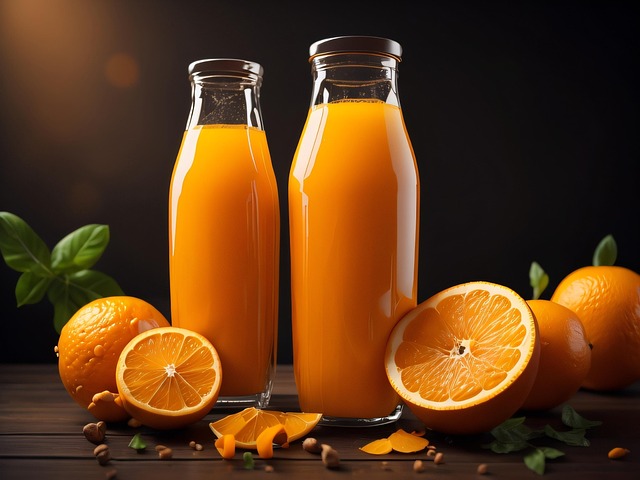
The energy fluctuations commonly reported during juice cleanses—initial surges followed by significant crashes—are not random. They are predictable physiological responses to a severe, short-term dietary intervention. Understanding these mechanisms is crucial for a balanced view of the practice.
Initial Energy Surge: The Role of Simple Sugars
The early "high" many experience is primarily driven by the rapid absorption of simple sugars (fructose and glucose) from fruit and vegetable juices. This causes a sharp spike in blood glucose, providing a quick, albeit transient, source of energy for the brain and muscles. For individuals transitioning from a diet high in processed foods, the influx of micronutrients and phytonutrients may also contribute to a perceived sense of vitality. However, this phase is metabolically unstable.
The Subsequent Energy Crash: Key Mechanisms
The energy crash that follows is multifactorial and better supported by physiological evidence:
- Hypoglycemia: The pancreas responds to high sugar loads with a large insulin release, which can overshoot and drive blood glucose levels too low, leading to fatigue, brain fog, and irritability.
- Lack of Sustained Fuel: Juices are devoid of protein and healthy fats, which are essential for sustained energy release and hormone production. The body lacks the substrates for gluconeogenesis (creating new glucose) once liver glycogen stores are depleted, typically within 24-48 hours.
- Electrolyte Imbalance: While juices contain some potassium, they are poor sources of sodium and can have a diuretic effect. This can disrupt fluid and electrolyte balance, contributing to lightheadedness and fatigue.
- Adaptive Metabolic Slowdown: Prolonged severe caloric restriction signals a perceived "famine" state, potentially downregulating metabolism and thyroid hormone conversion to conserve energy, perpetuating feelings of lethargy.
The evidence for these mechanisms is strong in human physiology, though most direct research on multi-day juice cleanses specifically is limited. It is important to note that individuals with diabetes, hypoglycemia, kidney disease, or eating disorders should avoid juice cleanses entirely. Anyone considering such a regimen should consult a physician first, especially if on medication.
3. Risks, Adverse Effects, and Contraindicated Populations
While some individuals report short-term subjective benefits from juice cleanses, the practice carries significant, well-documented risks. The primary concern is the severe caloric and macronutrient restriction inherent in a juice-only diet, which can lead to a cascade of adverse physiological effects.
Common Adverse Effects
The initial "energy crash" described in the article title is a predictable consequence. Juices, especially fruit-based ones, cause rapid spikes and subsequent crashes in blood glucose. This metabolic instability can manifest as:
- Severe fatigue, brain fog, and irritability
- Headaches and dizziness
- Disrupted sleep patterns
- Gastrointestinal distress, including bloating, diarrhea, or constipation due to the high fructose and fiber load
These symptoms are not signs of "detoxification"—a process primarily managed by the liver and kidneys—but of nutrient and energy deficiency.
Significant Medical Risks
Beyond transient discomfort, more serious risks are supported by clinical evidence. These include:
- Muscle Catabolism: With inadequate protein intake, the body breaks down muscle tissue for energy, reducing metabolic rate.
- Electrolyte Imbalances: Diuretic effects and lack of dietary sodium/potassium can disrupt heart rhythm and nerve function.
- Nutrient Deficiencies: Juices lack essential fats, proteins, and fat-soluble vitamins (A, D, E, K), potentially compromising immune function and bone health over time.
- Gallstone Formation: Rapid weight loss from extreme calorie restriction is a known risk factor for developing gallstones.
Clinical Perspective: From a medical standpoint, the body's endogenous detoxification systems are highly efficient and do not require "resetting" through juice fasting. The risks of such protocols often outweigh any purported benefits, particularly because they can disrupt normal metabolic and hormonal signaling, leading to a rebound effect once regular eating resumes.
Contraindicated and High-Risk Populations
Juice cleanses are strongly contraindicated for several groups and should only be considered under direct medical supervision, if at all. Individuals who should absolutely avoid them include:
- Those with diabetes or insulin resistance, due to the risk of dangerous blood sugar fluctuations.
- Individuals with kidney disease, as high potassium loads from juices can cause hyperkalemia.
- People with a history of eating disorders, as restrictive protocols can trigger relapse.
- Pregnant or breastfeeding women, who have increased nutritional demands.
- Individuals with compromised immune systems or those on certain medications (e.g., diuretics, diabetes drugs, blood thinners).
Anyone considering a significant dietary change, especially one involving extreme restriction, should consult a physician or a registered dietitian to assess personal risk and discuss evidence-based approaches to health.
4. Practical Guidance: Balanced Approaches and Alternatives

Based on clinical evidence and the common experience of energy crashes during restrictive cleanses, a more sustainable approach focuses on dietary resets that support metabolic and digestive health without severe caloric or nutrient deprivation. The goal is to enhance the body's intrinsic detoxification pathways through nourishment, not starvation.
Evidence-Based Alternatives to Extreme Cleansing
High-quality research does not support the necessity of juice-only protocols for "detoxification." The liver, kidneys, and gastrointestinal tract are highly efficient at this task when supported properly. Consider these balanced, evidence-informed strategies:
- Whole-Food Emphasis: Prioritize a 7-10 day period of consuming primarily whole, unprocessed foods—vegetables, fruits, lean proteins, whole grains, and healthy fats. This reduces the intake of additives, refined sugars, and saturated fats that can burden metabolic processes.
- Strategic Hydration: Increase water intake and incorporate herbal teas like ginger or peppermint, which may support digestion. There is strong evidence for the benefits of adequate hydration for renal function and circulation.
- Mindful Elimination: Temporarily remove common dietary triggers such as added sugars, ultra-processed foods, alcohol, and for some, caffeine. Reintroduce them systematically to identify personal sensitivities.
Clinical Perspective: From a nutritional standpoint, the sudden sugar load from juicing, followed by an absence of fiber and protein, is a primary driver of the energy crashes described. A balanced plate at every meal—comprising fiber, protein, and healthy fats—provides sustained energy, stabilizes blood glucose, and supports satiety, which is far more effective for long-term wellness than any short-term cleanse.
Implementing a Sustainable Reset
Structure your approach to avoid the pitfalls of extreme restriction:
- Plan Your Meals: Prepare simple meals centered on vegetables and a protein source. Soups, salads, and stir-fries are excellent options.
- Incorporate Smart Juicing: If you enjoy juices, consume them as a supplement to a meal, not a replacement. Opt for vegetable-based juices with a small amount of fruit to minimize sugar spikes, and consider blending to retain fiber.
- Listen to Your Body: Pay attention to energy levels, hunger cues, and digestion. Fatigue or irritability is a signal that your intake may be insufficient.
- Transition Thoughtfully: After your reset period, reintroduce other food groups gradually and note how you feel.
Important Precautions: Individuals with diabetes, hypoglycemia, kidney disease, a history of eating disorders, or those who are pregnant or breastfeeding should consult a physician or registered dietitian before making significant dietary changes. Those on medication, especially for blood pressure or diabetes, require medical supervision as dietary shifts can alter medication needs.
5. Safety Monitoring and Indications for Medical Consultation

Undertaking a prolonged juice cleanse requires vigilant self-monitoring and an understanding of when to seek professional medical advice. The restrictive nature of such a regimen can precipitate physiological changes that, while sometimes framed as "detoxification," may signal nutrient deficiencies or metabolic stress. A proactive approach to safety is non-negotiable.
Individuals should monitor for the following signs and symptoms, which indicate the body is under significant strain and the cleanse should be halted:
- Persistent Fatigue or Dizziness: While some initial energy fluctuation is common, profound, unrelenting fatigue or lightheadedness can indicate inadequate caloric intake, electrolyte imbalance, or low blood sugar (hypoglycemia).
- Cardiac Symptoms: Palpitations, an unusually rapid heart rate (tachycardia), or chest discomfort require immediate cessation and medical evaluation, as they can be related to electrolyte disturbances.
- Severe Gastrointestinal Distress: Intense bloating, cramping, or diarrhea beyond mild initial changes.
- Cognitive or Mood Changes: Significant brain fog, inability to concentrate, irritability, or feelings of anxiety or depression.
- Signs of Dehydration: Dark urine, extreme thirst, dry mouth, and reduced urine output, despite high fluid intake from juices.
Clinical Perspective: From a medical standpoint, the body's innate detoxification systems (liver, kidneys, gastrointestinal tract) are highly efficient and do not require "resetting" through juice fasting. The symptoms listed above are often the direct result of calorie, protein, and essential fat deprivation. There is no high-quality evidence that juice cleanses enhance detoxification; conversely, there is strong physiological rationale for the adverse effects commonly reported.
Indications for Prior Medical Consultation
Certain individuals should absolutely consult a physician or a registered dietitian before considering a juice cleanse. This is not a precaution but a critical safety measure. High-risk groups include:
- Individuals with diabetes or prediabetes, due to the risk of dangerous blood sugar swings.
- Those with kidney disease, as high potassium loads from juices can cause hyperkalemia.
- People with a history of eating disorders, as restrictive protocols can trigger relapse.
- Pregnant or breastfeeding women, who have increased nutritional demands.
- Individuals on prescription medications, especially for diabetes, blood pressure, blood thinners, or diuretics.
- Anyone with a chronic medical condition such as heart disease, liver disease, or an autoimmune disorder.
The decision to stop a cleanse and resume a balanced diet is a sign of responsible self-care, not failure. If any concerning symptoms arise, discontinuing the regimen and seeking medical advice is the most evidence-based and health-protective action.
6. Questions & Expert Insights
Is a juice cleanse an effective way to detox the body?
The concept of a "detox" from juice cleanses is not supported by clinical physiology. The human body has highly efficient, built-in detoxification systems—primarily the liver and kidneys—that work continuously to process and eliminate metabolic waste and toxins. There is no high-quality scientific evidence that consuming only juice enhances this natural function. In fact, restrictive juice diets may deprive the liver of essential amino acids and proteins required for its detoxification pathways to operate optimally. The perceived "cleansing" effects, such as changes in bowel habits or clearer skin, are more likely due to increased fluid intake, a temporary reduction in processed foods, and the high vitamin content of the juices, not a systemic detoxification. A balanced, whole-food diet consistently supports the body's inherent cleansing processes far more effectively than a short-term, extreme dietary intervention.
Why did I experience energy crashes during a juice cleanse?
Energy crashes are a common and physiologically expected side effect of restrictive juice-only regimens. The primary reason is a severe deficit in calories, protein, and fat, which are macronutrients essential for sustained energy. Juices are predominantly simple carbohydrates (sugars) from fruits and vegetables. While these provide a rapid blood sugar spike, the absence of fiber (which is largely removed in juicing), protein, and fat leads to an equally rapid drop in blood glucose, resulting in fatigue, irritability, and brain fog—a classic "sugar crash." Furthermore, the lack of adequate protein can lead to the breakdown of muscle tissue for energy, which is counterproductive. The body may also enter a state of mild ketosis, shifting to fat for fuel, which some individuals experience as fatigue before potential adaptation. These crashes are a signal from your body that it is lacking the foundational nutrients required for basic metabolic function.
Who should absolutely avoid attempting a juice cleanse?
Juice cleanses pose significant risks for several populations and should be strictly avoided by: individuals with diabetes or prediabetes (due to uncontrolled blood sugar spikes and crashes); those with kidney disease (as high oxalate content in some green juices can exacerbate kidney stones and the high potassium load can be dangerous); pregnant or breastfeeding women (who require steady, high-quality nutrition for fetal and infant development); individuals with a history of eating disorders (as restrictive protocols can trigger relapse); people with compromised immune systems or those on certain medications (e.g., blood thinners like warfarin, where vitamin K in green juices can interfere with efficacy); and anyone with liver disease, gallstones, or malabsorption issues. The restrictive nature of cleanses can also be harmful for children, adolescents, and the elderly due to their specific nutritional requirements.
When should I talk to a doctor about my experience with a cleanse, and how should I prepare?
Consult a physician or a registered dietitian if you experience severe or persistent symptoms during or after a cleanse, such as dizziness, fainting, heart palpitations, severe fatigue, nausea, or signs of dehydration. It is also crucial to seek advice before attempting any cleanse if you have any pre-existing health conditions or take medications. To prepare for the conversation, bring specific details: the exact duration and composition of your cleanse, a list of all symptoms and when they occurred, your current medications and supplements, and your personal health goals (e.g., "I wanted to reset my eating habits" or "I was seeking more energy"). This information allows the clinician to assess nutritional gaps, potential interactions, and provide safe, evidence-based alternatives tailored to your health status, such as working with a dietitian to incorporate more whole fruits and vegetables into a balanced diet.
7. In-site article recommendations
8. External article recommendations
9. External resources
The links below point to reputable medical and evidence-based resources that can be used for further reading. Always interpret them in the context of your own situation and your clinician’s advice.
-
healthline healthline.com30-day juice cleanse – Healthline (search)
-
mayoclinic mayoclinic.org30-day juice cleanse – Mayo Clinic (search)
-
wikipedia wikipedia.org30-day juice cleanse – Wikipedia (search)
These external resources are maintained by third-party organisations. Their content does not represent the editorial position of this site and is provided solely to support readers in accessing additional professional information.