
1. Introduction to Juice Cleanses and Their Cultural Context
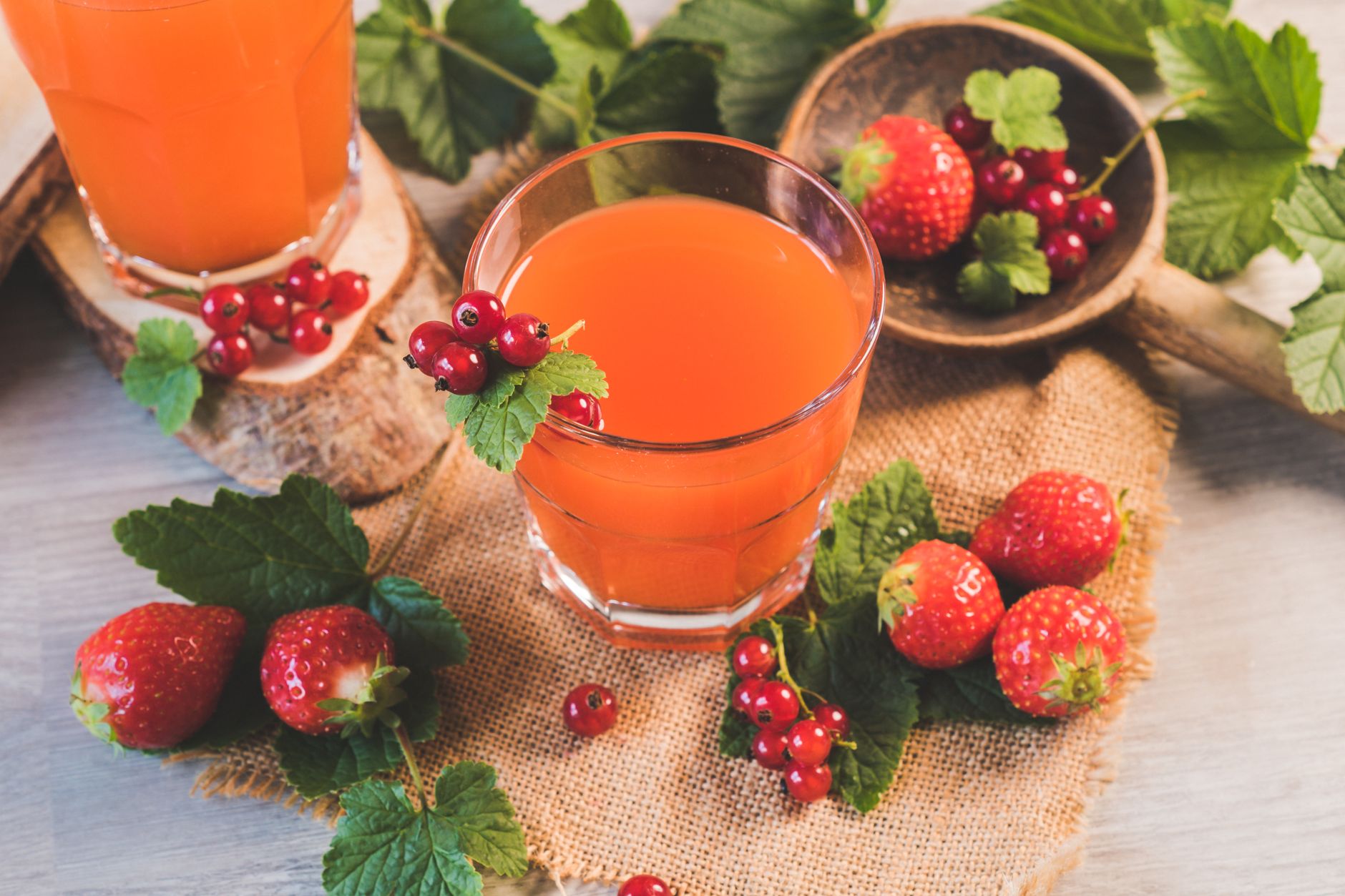
Juice cleanses, also known as juice fasts, are dietary regimens where an individual consumes only fruit and vegetable juices for a set period, typically ranging from one to seven days. The practice is often marketed with claims of "detoxification," "resetting" the digestive system, and promoting rapid weight loss. From a clinical perspective, it is crucial to examine these claims within the context of human physiology and the available scientific evidence.
The cultural and commercial rise of juice cleanses is a relatively modern phenomenon, gaining significant traction in wellness circles over the past two decades. It is often positioned as an antidote to modern lifestyles characterized by processed foods and environmental toxins. Proponents suggest that by abstaining from solid food and consuming concentrated micronutrients, the body can redirect energy from digestion to "cleansing" and cellular repair.
However, it is important to distinguish between cultural narratives and established biomedical science. The human body possesses highly efficient, endogenous detoxification systems primarily involving the liver, kidneys, gastrointestinal tract, and skin. There is no high-quality clinical evidence to suggest that juice cleanses enhance the function of these organs beyond their normal capacity. Claims of eliminating "toxins" are typically vague and not supported by rigorous scientific studies.
Clinical Perspective: The term "detox" in this context is not a recognized medical concept for individuals with healthy liver and kidney function. While short-term juice consumption increases intake of certain vitamins and antioxidants, it simultaneously creates a significant caloric and nutrient deficit, eliminating essential macronutrients like protein, fat, and fiber. This deficit is the primary driver of any rapid weight loss, which is largely water and glycogen, not sustainable fat loss.
Potential short-term subjective benefits reported by some individuals, such as increased mental clarity or a sense of lightness, may be attributed to the placebo effect, the psychological impact of a structured regimen, or simply increased hydration. These reports are largely anecdotal and not consistently replicated in controlled studies.
Who should exercise extreme caution or avoid juice cleanses entirely:
- Individuals with diabetes or prediabetes, due to the risk of dangerous blood sugar spikes from high fructose loads.
- Those with kidney disease, as high oxalate content in some green juices can contribute to nephrolithiasis (kidney stones).
- Pregnant or breastfeeding women.
- Individuals with a history of eating disorders.
- People on certain medications, as drastic dietary changes can alter drug metabolism.
Consulting a physician or a registered dietitian is strongly recommended before undertaking any significant dietary restriction, including a juice cleanse, to assess personal risk factors and nutritional adequacy.
2. Scientific Evidence and Physiological Mechanisms
The physiological premise of a juice cleanse is a significant reduction in caloric and macronutrient intake, primarily from solid food. This creates a state of caloric deficit, which can lead to short-term weight loss, largely from water weight and glycogen depletion, not sustainable fat loss. The primary proposed mechanisms involve digestive rest, detoxification, and micronutrient flooding, but the scientific evidence for these benefits is limited and mixed.
Examining the Proposed Mechanisms
Digestive "Rest": While abstaining from solid food reduces mechanical digestion, the gastrointestinal tract continues its essential functions. There is no high-quality evidence that this temporary reduction confers long-term health benefits or "resets" the system.
Detoxification: The body possesses highly efficient, endogenous detoxification systems primarily involving the liver, kidneys, lungs, and skin. There is no robust clinical evidence that juice cleanses enhance these processes. The term "detox" in this context is a marketing concept, not a validated physiological one.
Micronutrient Intake: Juices can provide a concentrated source of certain vitamins, minerals, and phytonutrients. However, the juicing process removes beneficial fiber and can lead to rapid spikes in blood sugar due to the free sugars released from pulverized fruits and vegetables.
Clinical Perspective: From a nutritional biochemistry standpoint, the sudden influx of simple sugars without the modulating effect of fiber can be metabolically stressful, particularly for individuals with insulin resistance or diabetes. Furthermore, the lack of protein and essential fats during a cleanse can lead to muscle catabolism and disrupt hormonal balance.
What the Research Indicates
Scientific literature on specific "juice cleanses" is sparse. Broader research on very-low-calorie diets and intermittent fasting offers some insights:
- Short-term weight loss is commonly observed but is largely attributable to fluid loss and is rarely maintained.
- Some small studies on commercial juice regimens note temporary improvements in subjective well-being, which may be influenced by placebo effects or the psychological focus on health.
- Potential negative effects reported include fatigue, headaches, dizziness, blood sugar dysregulation, and nutrient deficiencies if prolonged.
It is crucial to highlight who should avoid juice cleanses or seek medical guidance first. This includes individuals with diabetes, kidney disease, eating disorders, those who are pregnant or breastfeeding, and anyone on medications affected by dietary changes.
In summary, while the drastic calorie reduction of a cleanse produces acute physiological changes, the claimed mechanisms of action lack strong evidential support. The body's inherent metabolic pathways are far more complex than the simplified "cleanse" narrative suggests.
3. Risks, Adverse Effects, and Contraindicated Populations

While short-term juice cleanses are often marketed for their purported benefits, they carry a well-documented set of physiological risks and adverse effects. The primary concern is the severe caloric and macronutrient restriction inherent in such protocols, which can lead to significant metabolic and nutritional consequences.
Common Adverse Effects
The following side effects are frequently reported and are supported by clinical understanding of low-calorie, low-protein, and low-fiber diets:
- Fatigue, Dizziness, and Headaches: Result from low blood sugar (hypoglycemia), dehydration from the diuretic effect of some juices, and electrolyte imbalances.
- Digestive Distress: The high fructose load in fruit juices can cause bloating, gas, and diarrhea, especially in individuals with fructose malabsorption. Conversely, the lack of solid food and fiber can lead to constipation.
- Muscle Catabolism: With minimal protein intake, the body may break down muscle tissue for energy, leading to loss of lean mass and a subsequent drop in metabolic rate.
- Nutrient Deficiencies: Juicing removes fiber and can degrade some nutrients. Prolonged juice-only diets lack essential fats, complete proteins, and fat-soluble vitamins (A, D, E, K).
Contraindications and High-Risk Populations
Juice cleanses are contraindicated for several populations and should be approached with extreme caution by others. These individuals should consult a physician or registered dietitian before considering any restrictive dietary protocol.
- Individuals with Diabetes or Prediabetes: The rapid influx of simple sugars can cause dangerous spikes and crashes in blood glucose levels.
- Those with Kidney Disease: High-oxalate juices (e.g., spinach, beet greens) can increase the risk of kidney stones. Sudden shifts in electrolyte balance can also stress compromised kidneys.
- Pregnant or Breastfeeding Individuals: Increased caloric and specific nutrient needs make severe restriction potentially harmful to both parent and child.
- People with a History of Eating Disorders: The restrictive nature of cleanses can trigger disordered eating patterns and relapse.
- Individuals on Certain Medications: Those on diuretics, diabetes medications, blood thinners (like warfarin, which can be affected by vitamin K in green juices), or medications for blood pressure may experience dangerous interactions or side effects.
Clinical Perspective: From a medical standpoint, the human body has sophisticated, built-in detoxification systems (liver, kidneys, gastrointestinal tract). There is no high-quality evidence that juice cleanses enhance these processes. The perceived "clean" feeling often stems from calorie restriction and water loss, not from eliminating toxins. The risks, particularly for vulnerable groups, often outweigh any unproven benefits.
The evidence for the risks of nutrient deficiency, metabolic disruption, and muscle loss in low-calorie liquid diets is strong. Claims about systemic "detoxification" or long-term health benefits from short-term cleanses, however, are not supported by robust clinical trials. Any individual considering a significant dietary change should first discuss it with a qualified healthcare provider.
4. Practical Clinical Insights and Balanced Recommendations

From a clinical perspective, the primary outcomes of a short-term juice cleanse are typically related to fluid shifts, gut transit, and caloric restriction, not systemic "detoxification." The human body possesses highly efficient detoxification systems via the liver, kidneys, and gastrointestinal tract. The evidence supporting juice cleanses for long-term health benefits, sustained weight loss, or toxin elimination is limited and of low quality.
A more balanced, evidence-informed approach focuses on integrating the perceived benefits of increased fruit and vegetable intake into a sustainable dietary pattern. Consider these practical recommendations:
- Prioritize Whole Produce: Instead of juicing, aim to increase your intake of whole fruits and vegetables. The retained fiber supports satiety, stable blood sugar, and a healthy gut microbiome—benefits largely lost in juicing.
- Consider a "Smoothie Reset": If seeking a digestive break, a day of smoothies (which include fiber) or a single vegetable-juice-based meal replacement can be a less extreme alternative to a multi-day cleanse.
- Hydrate Adequately: Increased water and herbal tea intake, a common component of cleanses, is a positive habit to maintain independently.
- Mindful Reintroduction: If you complete a cleanse, reintroduce solid foods—especially proteins, fats, and fibrous foods—gradually over 1-2 days to avoid gastrointestinal discomfort.
Clinical Caveat: Juice cleanses are not appropriate for everyone and carry specific risks. They are contraindicated for individuals with diabetes due to the risk of dangerous blood sugar spikes, those with kidney disease (given high potassium loads), and anyone with a history of eating disorders. Individuals on medications, especially for blood pressure or diabetes, pregnant or breastfeeding women, and those with active medical conditions should consult a physician before undertaking any significant dietary change.
The most sustainable "cleanse" is not a short-term restrictive protocol but a long-term commitment to a balanced diet rich in plants, lean proteins, healthy fats, and whole grains. If the experience prompts a reflection on dietary habits, channel that motivation into making one or two concrete, positive changes supported by strong evidence, such as consistently meeting daily fiber goals or reducing ultra-processed food intake.
5. Safety Protocols and Indications for Medical Consultation

Juice cleanses, which typically involve consuming only fruit and vegetable juices for a period of time, are not medically indicated for detoxification or weight loss. The human body possesses highly efficient detoxification systems via the liver, kidneys, and gastrointestinal tract. Therefore, the primary safety consideration is not about "cleansing" but about the potential risks of a severe, self-imposed dietary restriction.
If you are considering a juice-only protocol, implementing basic safety protocols is non-negotiable. These are designed to mitigate the risks of nutrient deficiencies, blood sugar dysregulation, and electrolyte imbalances.
- Duration Limitation: Strictly limit any juice-only phase to a maximum of 3-5 days. Longer durations significantly increase risks.
- Hydration & Electrolytes: Consume ample water and consider adding a pinch of high-quality sea salt to vegetable-based juices to support sodium and potassium levels.
- Macronutrient Awareness: Juices are predominantly carbohydrates (sugars). To moderate the glycemic load, prioritize green vegetable juices over fruit-heavy blends.
- Listen to Your Body: Symptoms like dizziness, severe fatigue, heart palpitations, nausea, or brain fog are not signs of "detoxification"; they are indicators of physiological stress. Cease the cleanse immediately if they occur.
Clinical Perspective: From a medical standpoint, there is no high-quality evidence supporting the health claims of juice cleanses. Any perceived benefits, such as temporary weight loss (primarily water and glycogen), are often outweighed by the risks of muscle catabolism, nutrient shortfalls, and rebound eating patterns. These protocols are contraindicated for several populations.
Consult a physician or a registered dietitian before attempting a juice cleanse if you have any of the following conditions or circumstances:
- Diabetes, prediabetes, or insulin resistance.
- Kidney disease or a history of kidney stones.
- Pregnancy or lactation.
- A history of eating disorders.
- Active infections, compromised immunity, or are recovering from surgery.
- Take medications, especially for diabetes, blood pressure, or blood thinners (warfarin), as juice intake can alter their efficacy.
The most evidence-based approach to supporting the body's natural detoxification pathways is a sustained, balanced diet rich in fiber, protein, and phytonutrients—not short-term, extreme dietary interventions.
6. Questions & Expert Insights
Are juice cleanses effective for detoxification or weight loss?
The concept of "detoxification" in the context of juice cleanses is not supported by clinical evidence. The human body has highly efficient, built-in detoxification systems—primarily the liver and kidneys—that function continuously. There is no scientific proof that consuming only juice enhances this process. Regarding weight loss, any initial rapid weight loss experienced during a juice cleanse is almost entirely due to a severe calorie deficit and the loss of water weight and glycogen stores, not fat. This weight is typically regained quickly once normal eating resumes. The approach lacks sustainability and does not teach long-term healthy eating habits, which are the cornerstone of effective weight management.
What are the potential risks and side effects of a juice cleanse?
Juice cleanses carry several notable risks and side effects. The extreme calorie restriction can lead to fatigue, dizziness, headaches, and irritability. The high sugar content of fruit juices, even without added sugar, can cause significant blood sugar spikes and crashes, which is particularly concerning for individuals with insulin resistance or diabetes. The lack of protein and fat can lead to muscle catabolism (breakdown) and leave you feeling unsatisfied. Furthermore, the absence of fiber—which is often removed during juicing—can disrupt digestion, potentially causing constipation. More serious risks include nutrient deficiencies, electrolyte imbalances, and the exacerbation of disordered eating patterns.
Who should absolutely avoid trying a juice cleanse?
Several groups should avoid juice cleanses entirely due to significant health risks. This includes individuals with diabetes or prediabetes, due to the uncontrolled blood sugar spikes. Those with kidney disease must avoid high-potassium juices (like many green juices) which can lead to dangerous hyperkalemia. People with a history of eating disorders should steer clear, as restrictive protocols can trigger relapse. Pregnant or breastfeeding women require steady, balanced nutrition and should not undertake restrictive diets. Individuals with liver disease, those on certain medications (e.g., diuretics, diabetes drugs), and anyone with compromised immune function should also avoid cleanses. If you have any chronic health condition, consult your physician first.
If I'm considering a cleanse, what should I discuss with my doctor first?
Before attempting any restrictive dietary protocol, a conversation with your primary care physician or a registered dietitian is crucial. Come prepared to discuss your specific goals (e.g., "reset" eating habits, address bloating) and your full medical history. Key points to cover include: any pre-existing conditions (kidney, liver, heart disease, diabetes), current medications and supplements, and any history of disordered eating. Ask for a professional assessment of whether this approach is safe for you and what biomarkers (like electrolytes or blood glucose) might need monitoring. A better conversation starter might be to ask, "Based on my health, what is a safe and evidence-based way to improve my nutrition and energy levels?" This opens the door to sustainable, personalized guidance rather than a risky, short-term fix.
7. In-site article recommendations
8. External article recommendations
9. External resources
The links below point to reputable medical and evidence-based resources that can be used for further reading. Always interpret them in the context of your own situation and your clinician’s advice.
-
mayoclinic mayoclinic.orgjuice cleanse – Mayo Clinic (search)
-
examine examine.comjuice cleanse – Examine.com (search)
-
wikipedia wikipedia.orgjuice cleanse – Wikipedia (search)
These external resources are maintained by third-party organisations. Their content does not represent the editorial position of this site and is provided solely to support readers in accessing additional professional information.