
1. Introduction to the Mediterranean Diet and Chia Seeds
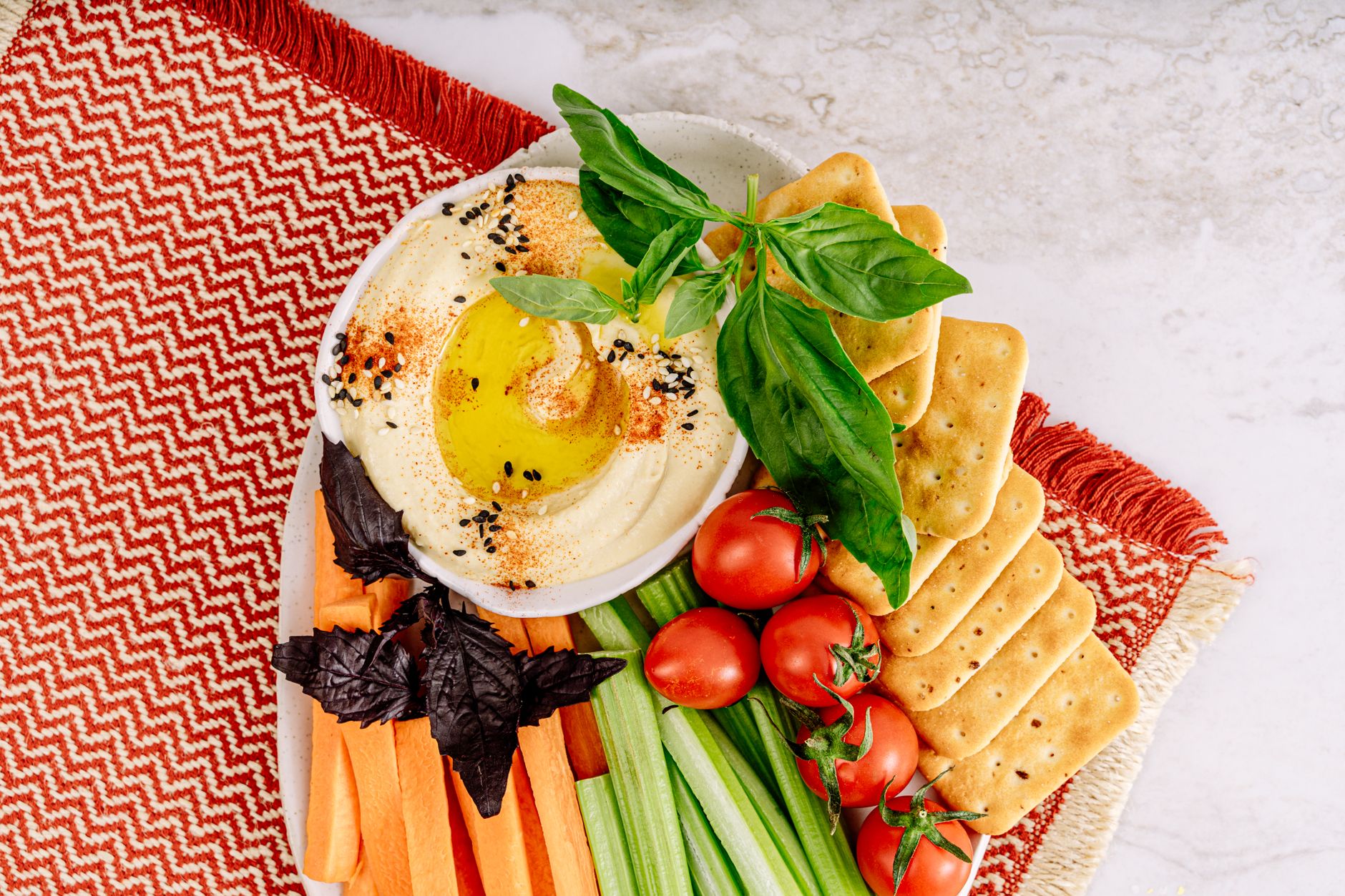
The Mediterranean diet is a well-researched dietary pattern, not a restrictive regimen. It is characterized by a high intake of plant-based foods, healthy fats, and lean proteins, with a foundation in the traditional eating habits of countries bordering the Mediterranean Sea. Its health benefits are supported by a substantial body of epidemiological and clinical evidence.
Core principles of this dietary pattern include:
- Abundant plant foods: Vegetables, fruits, legumes, nuts, seeds, and whole grains form the basis of most meals.
- Primary fat source: Extra virgin olive oil is the principal source of added fat.
- Moderate protein: Fish and seafood are encouraged regularly, poultry and eggs in moderation, and red meat consumed infrequently.
- Minimal processed foods: Heavily processed foods, refined grains, and sugar-sweetened beverages are limited.
High-quality studies, including the landmark PREDIMED trial, have associated adherence to this pattern with a reduced risk of major cardiovascular events, type 2 diabetes, and certain cancers. The mechanisms are believed to involve reduced inflammation, improved lipid profiles, and better glycemic control.
Clinical Perspective: From a clinical standpoint, the Mediterranean diet is less about individual "superfoods" and more about the synergistic effect of its overall pattern. Its strength lies in its flexibility and cultural adaptability, making long-term adherence more feasible than stricter diets. It is often recommended as a first-line dietary strategy for cardiometabolic health.
Chia seeds (Salvia hispanica L.) are a plant-based food that aligns well with this pattern. They are a concentrated source of:
- Dietary fiber: Particularly soluble fiber, which can support satiety and digestive health.
- Alpha-linolenic acid (ALA): An essential omega-3 fatty acid.
- Protein and minerals: Including calcium, magnesium, and phosphorus.
The evidence for chia seeds is more preliminary than for the overarching Mediterranean diet. Some small human trials suggest potential benefits for cardiovascular risk factors like blood pressure and lipid levels, but data are mixed, and larger, longer-term studies are needed. Their high fiber content is well-established, but individuals with certain digestive conditions or a history of dysphagia should introduce them cautiously and with adequate fluid.
This chapter explores the rationale for combining these two elements. It is important to note that while dietary changes can be beneficial, individuals with chronic health conditions (e.g., kidney disease, active diverticulitis), those on blood-thinning medications, or those with a history of eating disorders should consult a physician or registered dietitian before making significant dietary modifications.
2. Scientific Evidence and Physiological Mechanisms
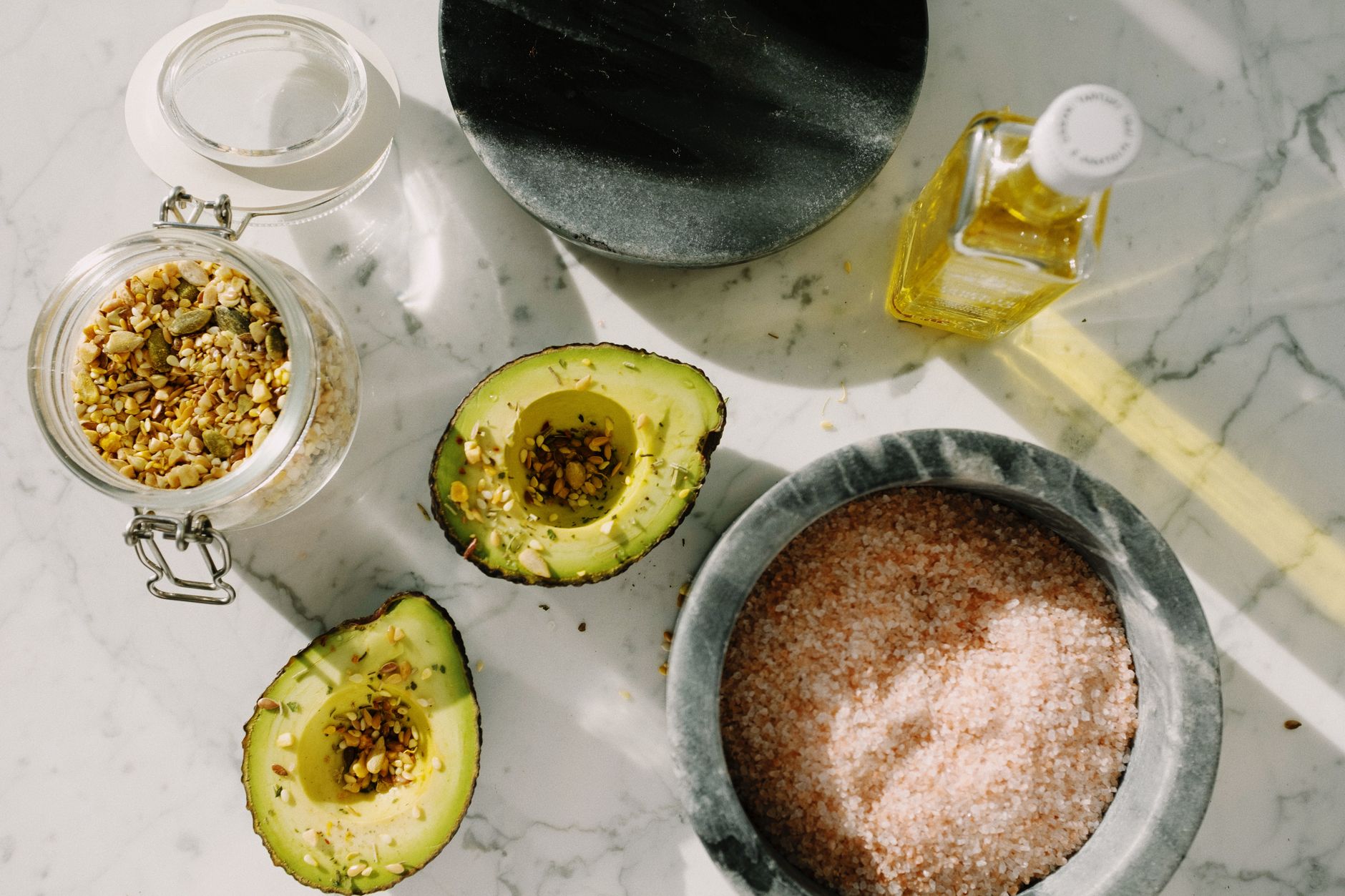
The observed benefits from combining a Mediterranean diet with chia seeds are supported by well-established physiological mechanisms. The synergy arises from the diet's foundational principles of high fiber, healthy fats, and polyphenols, augmented by chia's specific nutrient profile.
Core Mechanisms of Action
The Mediterranean diet's cardiometabolic benefits are primarily mediated through:
- Improved Lipid Profiles: Monounsaturated fats (e.g., from olive oil) and omega-3 fatty acids help reduce LDL cholesterol and triglycerides while supporting HDL cholesterol.
- Reduced Inflammation: Polyphenols from fruits, vegetables, and extra virgin olive oil inhibit pro-inflammatory pathways, a key factor in chronic disease.
- Enhanced Glycemic Control: High fiber content slows carbohydrate digestion, blunting postprandial glucose spikes and improving insulin sensitivity.
Chia seeds contribute directly to these mechanisms. They are exceptionally high in soluble fiber, forming a gel that delays gastric emptying and glucose absorption. Furthermore, they are one of the richest plant sources of alpha-linolenic acid (ALA), an essential omega-3 fatty acid with anti-inflammatory properties.
Clinical Perspective: While the individual components are well-studied, high-quality, long-term randomized controlled trials specifically on the combined intervention of a Mediterranean diet plus daily chia seeds are limited. Most evidence is extrapolated from studying each element separately or from shorter-term supplementation studies. The physiological plausibility, however, is strong.
Evidence Strength and Considerations
The evidence supporting the Mediterranean diet for primary and secondary prevention of cardiovascular disease is robust and grade A. Evidence for chia seeds is more preliminary but promising:
- Strong Evidence: Mediterranean diet for cardiovascular risk reduction, glycemic control, and weight management.
- Supportive but Limited Evidence: Chia seed supplementation for modest reductions in blood pressure, inflammatory markers, and postprandial glycemia in specific populations. Results can be inconsistent across studies.
Important Cautions: Individuals with swallowing difficulties, esophageal strictures, or a history of bowel obstruction should consume chia seeds with extreme caution and ample fluid, as they expand significantly. Those on blood-thinning medications (e.g., warfarin) or with upcoming surgery should discuss increased ALA intake with a physician due to its mild antiplatelet effect. As with any significant dietary change, consultation with a healthcare provider or registered dietitian is advised, particularly for those with chronic kidney disease, diabetes, or gastrointestinal disorders.
3. Potential Risks and Contraindications

While the Mediterranean diet is widely regarded as one of the safest and most sustainable dietary patterns, and chia seeds are generally well-tolerated, a combined approach is not without potential considerations. A responsible evaluation requires acknowledging these points to ensure safe and effective implementation.
The primary risks associated with chia seeds relate to their high fiber and fat content. A sudden, significant increase in fiber intake—common when adding multiple tablespoons of chia seeds daily—can cause gastrointestinal distress, including bloating, gas, and abdominal discomfort. This is typically a transient issue that resolves as the gut microbiome adapts, but it underscores the importance of starting with a small dose (e.g., one teaspoon) and gradually increasing it with adequate fluid intake.
More serious, though rare, are the risks of esophageal obstruction or bowel impaction. This can occur if dry chia seeds are consumed without sufficient liquid, as they absorb many times their weight in water and can form a gel-like bolus. To mitigate this, always consume chia seeds that have been pre-soaked for at least 10-15 minutes or thoroughly mixed into a wet food like yogurt or oatmeal.
Specific populations should exercise particular caution or consult a healthcare provider before making significant dietary changes:
- Individuals with swallowing disorders (dysphagia) or esophageal strictures: The gel-like consistency of soaked chia seeds may pose a choking hazard.
- Those with a history of bowel obstruction, Crohn's disease, or diverticulitis: The high fiber load could potentially exacerbate symptoms during an active flare.
- People on blood-thinning medications (e.g., warfarin): Chia seeds are a source of omega-3 fatty acids (ALA), which may have mild antiplatelet effects. While the evidence for a clinically significant interaction is limited, it is prudent to discuss consistent intake with a physician to ensure stable anticoagulation.
- Individuals with known allergies to sesame or mustard seeds: Cross-reactivity is possible, though uncommon.
Finally, while the Mediterranean diet is nutrient-dense, any restrictive interpretation of it—such as severely limiting calories or entire food groups—can lead to nutrient deficiencies. The diet's core principle is abundance and variety from plant-based foods, healthy fats, and lean proteins. A balanced approach, rather than a rigid, supplement-like focus on any single component like chia seeds, is essential for deriving its full, evidence-based benefits safely.
4. Clinical Recommendations and Practical Implementation
Integrating chia seeds into a Mediterranean dietary pattern is a strategy supported by a strong evidence base for cardiometabolic health. The core recommendation is to adopt the diet as a whole, with chia seeds serving as a functional addition, not a singular focus. The primary goal is a sustainable shift in eating patterns, not a short-term experiment.
Evidence-Based Implementation Strategy
The strongest evidence supports the following practical steps:
- Prioritize the Foundation: Build meals around vegetables, fruits, whole grains (like farro or quinoa), legumes, nuts, and olive oil. Chia seeds are an adjunct to this pattern.
- Dose and Preparation: Clinical trials often use 25-40 grams (about 2-3 tablespoons) of chia seeds daily. To maximize nutrient absorption and avoid gastrointestinal discomfort, start with 1 tablespoon daily and soak seeds in water, milk, or yogurt for at least 15-30 minutes before consumption to form a gel.
- Strategic Incorporation: Add soaked chia seeds to oatmeal, smoothies, or yogurt. Use them as an egg substitute in baking or to thicken sauces and soups.
Clinical Perspective: From a clinical standpoint, the synergy is key. The healthy fats in olive oil and nuts, combined with the soluble fiber in chia seeds, can have a compounded effect on improving lipid profiles and glycemic control. However, the diet's benefits are attributed to the total dietary matrix, not one ingredient.
Important Cautions and Contraindications
While generally safe, certain individuals should exercise caution and consult a physician or registered dietitian before making significant changes:
- Individuals on Anticoagulant/Antiplatelet Therapy: Chia seeds are rich in vitamin K and omega-3s, which can affect blood clotting. Consistent intake is crucial; sudden large increases may require medication monitoring.
- Those with Diverticular Disease or GI Sensitivities: The high fiber content may cause bloating, gas, or discomfort. Gradual introduction with adequate hydration is essential.
- People with Dysphagia or Swallowing Difficulties: Dry chia seeds can absorb saliva and expand, posing a choking risk. They must always be consumed pre-soaked or in a fully hydrated food.
- Anyone with a History of Eating Disorders: The precise measuring and focus on "superfoods" can trigger unhealthy fixations. A broader, behavior-focused approach to the Mediterranean diet is recommended.
The 14-day timeframe of an anecdotal experiment is insufficient to assess long-term metabolic benefits, which typically manifest over months. The most practical takeaway is to view this combination as a long-term lifestyle pattern, focusing on overall dietary quality rather than short-term, unexpected results.
5. Safety Monitoring and Indications for Medical Consultation

While the Mediterranean diet is widely supported by robust evidence for long-term cardiovascular and metabolic health, and chia seeds are generally recognized as safe (GRAS) by food safety authorities, any dietary modification warrants a cautious and individualized approach. Monitoring your body's response is a key component of responsible self-care.
In the initial days, pay attention to digestive changes. The increased fiber from whole grains, legumes, vegetables, and chia seeds can cause bloating, gas, or changes in bowel habits for some individuals. This is typically transient as the gut microbiome adjusts. To mitigate this, ensure adequate hydration and consider gradually increasing fiber intake rather than making an abrupt shift.
Clinical Insight: From a clinical perspective, the most common safety issues with such dietary changes are gastrointestinal intolerance and potential interactions with medications. For instance, the high vitamin K content in leafy greens can interfere with the anticoagulant effect of warfarin, requiring consistent intake and close monitoring of INR levels. Always inform your physician of significant dietary changes.
Certain individuals should consult a healthcare provider—such as a primary care physician, registered dietitian, or relevant specialist—before embarking on this or any significant dietary change. This is not a comprehensive list, but key groups include:
- Individuals with chronic kidney disease: The diet's emphasis on nuts, seeds, and certain vegetables may require modification of potassium and phosphorus intake.
- Those on specific medications: As noted, individuals on blood thinners (e.g., warfarin), certain diabetes medications, or drugs for hypertension should consult their doctor, as dietary changes can alter medication efficacy.
- People with a history of swallowing difficulties or esophageal strictures: Dry chia seeds can expand rapidly and pose a risk of obstruction if not consumed with sufficient fluid.
- Individuals with diagnosed or suspected food allergies: Tree nuts, seeds, and fish are common allergens featured in this diet.
- Those with a history of eating disorders: Any structured dietary plan should be undertaken only under the guidance of a treatment team.
Seek prompt medical consultation if you experience severe abdominal pain, signs of an allergic reaction (hives, swelling, difficulty breathing), or unexpected symptoms like dizziness or significant changes in energy levels that concern you. While a 14-day experiment is short-term, integrating these principles long-term should be done in partnership with a healthcare professional to ensure it aligns with your complete health profile and goals.
6. Questions & Expert Insights
Can I expect the same "unexpected results" from a 14-day Mediterranean diet with chia seeds?
It is highly unlikely that you will experience dramatic or identical results in such a short timeframe. While a 14-day trial can be an excellent starting point for building new habits, most of the robust evidence supporting the Mediterranean diet—such as reduced cardiovascular risk and improved metabolic health—comes from studies lasting months to years. Short-term changes you might notice include improved digestion due to increased fiber, better satiety, and potentially more stable energy levels. The "unexpected results" often highlighted in personal anecdotes, like significant weight loss or a dramatic boost in mood, are not guaranteed and can vary widely based on an individual's starting point, adherence, and underlying health. Viewing this as a short-term experiment to gauge how your body responds to a nutrient-dense pattern of eating is a more realistic and sustainable mindset than expecting a rapid transformation.
What are the potential side effects or risks of adding chia seeds to my diet?
While chia seeds are generally safe for most people, introducing them, especially in large quantities, can cause digestive discomfort such as bloating, gas, or constipation if you do not increase your fluid intake sufficiently. Their high fiber content requires adequate water to form a gel and move through the digestive tract properly. A more significant risk involves medication interactions. Due to their potential blood-thinning and blood sugar-lowering effects, individuals on anticoagulants (like warfarin) or anti-diabetic medications should consult their doctor before making chia seeds a dietary staple to avoid potentiating these drug effects. Furthermore, individuals with a history of dysphagia (swallowing difficulties) or esophageal strictures should consume chia seeds only when they have fully gelled in liquid, as dry seeds can expand and pose a choking hazard.
When should I talk to my doctor before starting this dietary approach?
You should consult your physician or a registered dietitian before making significant dietary changes if you have a chronic medical condition, are on regular medication, or are pregnant or breastfeeding. This is particularly crucial for individuals with kidney disease (due to changes in mineral intake like potassium), a history of eating disorders, diagnosed diabetes, or gastrointestinal conditions like IBD or diverticulitis. Before your appointment, prepare a brief summary of the planned changes, including your intention to follow Mediterranean diet principles and add a specific amount of chia seeds daily. Bring a list of all your current medications and supplements. This allows your doctor to assess potential interactions, provide personalized adjustments, and ensure the plan supports your overall health management safely.
Is the benefit from the chia seeds specifically, or just the overall Mediterranean diet?
The evidence strongly suggests that the primary health benefits are attributable to the overall dietary pattern, not a single "superfood." The Mediterranean diet is characterized by a high intake of vegetables, fruits, whole grains, legumes, nuts, and olive oil; moderate fish and poultry; and low red meat and processed foods. This pattern provides a synergistic matrix of fiber, healthy fats, antioxidants, and phytonutrients. Chia seeds can be a nutritious component of this pattern, contributing alpha-linolenic acid (a plant-based omega-3), fiber, and minerals. However, substituting chia seeds into an otherwise poor diet is unlikely to yield the profound benefits seen in long-term studies. Think of chia seeds as one supportive element within the broader, evidence-backed framework of the Mediterranean diet, rather than the key active ingredient.
7. In-site article recommendations
8. External article recommendations
9. External resources
The links below point to reputable medical and evidence-based resources that can be used for further reading. Always interpret them in the context of your own situation and your clinician’s advice.
-
examine examine.comMediterranean diet – Examine.com (search)
-
wikipedia wikipedia.orgMediterranean diet – Wikipedia (search)
-
mayoclinic mayoclinic.orgMediterranean diet – Mayo Clinic (search)
These external resources are maintained by third-party organisations. Their content does not represent the editorial position of this site and is provided solely to support readers in accessing additional professional information.