
1. Introduction to Chia Seeds and Satiety in Clinical Context

Chia seeds (Salvia hispanica L.) have transitioned from an ancient Mesoamerican staple to a modern functional food, largely due to their unique nutritional composition. Their proposed role in promoting satiety—the feeling of fullness that helps regulate food intake—is a key area of scientific and public interest. This chapter examines the physiological basis for this effect within a clinical and evidence-based framework.
The seeds' potential satiating properties are primarily attributed to two components:
- High Soluble Fiber Content: Chia seeds are exceptionally rich in soluble fiber, particularly a type called mucilage. When mixed with liquid, this fiber forms a viscous gel that expands in the stomach. This gel can slow gastric emptying, potentially prolonging feelings of fullness and moderating the post-meal rise in blood glucose.
- Protein and Fat Profile: Chia seeds contain a moderate amount of protein and are a rich plant-based source of alpha-linolenic acid (ALA), an omega-3 fatty acid. Both protein and certain fats are known to influence the release of satiety hormones like cholecystokinin (CCK) and glucagon-like peptide-1 (GLP-1).
From a clinical perspective, the evidence for chia seeds' impact on satiety and weight management is promising but not definitive. Several small, short-term human trials have demonstrated that consuming chia seeds can increase satiety and reduce short-term food intake. However, larger, longer-term randomized controlled trials are needed to establish robust, consistent effects on weight loss or long-term appetite regulation.
Clinical Insight: The satiety effect is highly individual and context-dependent. It is influenced by the dose consumed, the form (whole vs. ground), the food or beverage it's incorporated into, and an individual's baseline diet and metabolism. Chia seeds are not a standalone solution for weight management but may be a useful component within a balanced, calorie-controlled diet.
It is crucial to highlight that while generally safe for most, certain individuals should exercise caution. Those with a history of swallowing difficulties, esophageal strictures, or significant gastrointestinal disorders like inflammatory bowel disease during a flare-up should consult a doctor, as the gel-forming property may pose a risk. Furthermore, individuals on blood-thinning medications or with upcoming surgical procedures should discuss high chia seed intake with their physician due to a potential, though mild, antiplatelet effect from the ALA.
In summary, the science behind chia seeds and satiety is grounded in plausible mechanisms related to their fiber and nutrient content. While initial research is supportive, the evidence remains preliminary. Their role is best understood as a potential adjunct to broader dietary strategies for appetite control.
2. Mechanisms and Evidence for Chia Seeds' Satiety Effects

The reported satiety effects of chia seeds are primarily attributed to their unique physical and nutritional properties. The primary mechanism is their high soluble fiber content, specifically a type called mucilage. When mixed with liquid, chia seeds form a viscous gel that expands in the stomach. This gel slows gastric emptying, which can prolong feelings of fullness and reduce the rate of nutrient absorption in the small intestine.
Evidence supporting this mechanism comes from controlled studies. A 2017 randomized controlled trial published in the journal Nutrition Research and Practice found that consuming chia seeds as part of a meal significantly increased satiety and reduced short-term food intake compared to a control. The effect is considered plausible and is consistent with the known physiological actions of viscous dietary fibers.
Other contributing factors include:
- Protein Content: Chia seeds contain a moderate amount of complete protein. Dietary protein is well-established to have a high satiety value, promoting the release of hormones like peptide YY and GLP-1 that signal fullness.
- Delayed Carbohydrate Digestion: The gel matrix may also slow the conversion of carbohydrates to sugar, helping to moderate post-meal blood glucose levels and potentially preventing subsequent hunger spikes.
It is important to distinguish the strength of this evidence. The mechanism is strongly supported by basic nutritional science, and short-term satiety studies show consistent positive results. However, evidence for long-term weight loss directly attributable to chia seed consumption is more limited and mixed. Many longer trials are smaller in scale or show modest effects that must be sustained as part of a balanced diet.
Who should be cautious? Individuals with a history of swallowing difficulties, esophageal strictures, or major gastrointestinal disorders like inflammatory bowel disease should introduce chia seeds with care and adequate hydration to avoid blockage. Those on medication for diabetes or blood pressure should consult a doctor, as chia seeds may potentiate the effects of these drugs. Starting with a small dose (e.g., one tablespoon) is advisable to assess tolerance.
3. Risks and Populations to Avoid Chia Seed Consumption
While chia seeds are generally safe for most people, their unique physical and nutritional properties necessitate caution for specific populations. A balanced, evidence-based approach requires acknowledging these potential risks to ensure safe consumption.
Primary Gastrointestinal and Mechanical Risks
The most common adverse effects are gastrointestinal, primarily due to the seeds' exceptional soluble fiber content. When consumed dry and without sufficient liquid, chia seeds can absorb moisture in the esophagus and expand, posing a risk of obstruction. This is a well-documented, though rare, clinical concern.
- Bloating and Gas: A sudden, significant increase in fiber intake can overwhelm gut bacteria, leading to fermentation, gas, and discomfort.
- Constipation or Diarrhea: Paradoxically, without adequate hydration, high fiber can worsen constipation. For others, it may accelerate bowel movements.
The standard safety guidance is to always consume chia seeds that have been pre-soaked in liquid (forming a gel) or to consume them with plenty of water.
Populations Requiring Medical Consultation
Certain individuals should consult a physician or dietitian before adding chia seeds to their diet regularly.
- Individuals on Blood-Thinning Medications: Chia seeds are rich in alpha-linolenic acid (ALA), an omega-3 with mild antiplatelet effects. While evidence for a significant interaction is limited, theoretical concerns exist for those on drugs like warfarin, aspirin, or clopidogrel. Consistency in vitamin K intake (also present in chia) is crucial for patients on warfarin.
- People with Low Blood Pressure: Some preliminary animal studies suggest ALA may have hypotensive effects. Individuals with already low blood pressure or those on antihypertensive medications should monitor their levels and discuss with their doctor.
- Those with Specific Food Allergies: Allergies to chia seeds are uncommon but possible. Individuals with known allergies to mustard seeds, sesame seeds, or other members of the Lamiaceae family (mint, basil) may be at higher risk and should be vigilant.
- Individuals with Kidney Disease: Chia seeds contain notable amounts of phosphorus and potassium. In advanced chronic kidney disease (CKD), where mineral balance is critically impaired, uncontrolled intake can contribute to dangerous electrolyte elevations (hyperkalemia, hyperphosphatemia).
In summary, while chia seeds offer nutritional benefits, their introduction should be gradual and accompanied by increased fluid intake. The populations outlined above must prioritize personalized medical advice over general dietary trends to avoid adverse outcomes.
4. Practical Evidence-Based Takeaways for Chia Seed Use

Based on the available clinical evidence and nutritional science, chia seeds can be a valuable addition to a balanced diet when used appropriately. The most consistent and well-supported benefit is their ability to promote satiety and support digestive regularity, primarily due to their exceptionally high soluble fiber content. This fiber forms a gel when mixed with liquid, which slows gastric emptying and can contribute to a feeling of fullness.
Evidence-Based Recommendations for Use
To leverage the satiety effect and ensure safety, consider these practical guidelines:
- Start with a Standard Dose: A common starting dose is 1-2 tablespoons (approximately 10-20 grams) per day. This provides a significant fiber boost without excessive caloric intake.
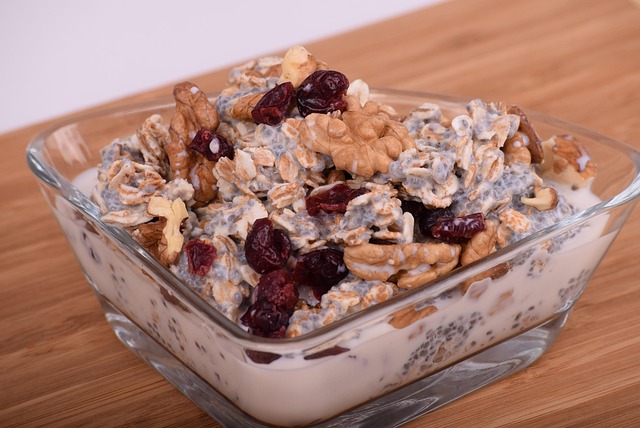
- Prioritize Proper Hydration: Always consume chia seeds with ample fluid. Soaking them for 10-30 minutes to form a gel (chia pudding) is the most studied method and may optimize the satiety effect while minimizing any risk of gastrointestinal obstruction.
- Integrate into Meals: Add soaked seeds to oatmeal, yogurt, or smoothies, or use the gel as a thickener for sauces. This integration supports gradual digestion and sustained fullness.
Important Cautions and Limitations
It is crucial to contextualize the evidence and recognize contraindications.
- Evidence Gaps: While short-term satiety studies are promising, robust, long-term randomized controlled trials on weight loss are lacking. Effects can vary significantly between individuals.
- Who Should Exercise Caution: Individuals with a history of swallowing difficulties, esophageal strictures, or significant gastrointestinal disorders like Crohn's disease or ulcerative colitis should consult a gastroenterologist before use. Those on medication for blood pressure or blood thinning should discuss chia seed intake with their doctor due to potential, though mild, interactions.
- Medical Advice is Key: Anyone with chronic kidney disease, a history of eating disorders, or who is pregnant or breastfeeding should seek personalized guidance from a healthcare professional before making significant dietary changes.
In summary, chia seeds offer a practical, evidence-backed method to increase fiber intake and support feelings of fullness. Their use should be grounded in proper preparation, mindful integration into the diet, and an awareness of individual health status.
5. Safety Monitoring and When to Consult a Healthcare Provider
While chia seeds are generally recognized as safe for most people, incorporating them into your diet requires mindful monitoring, especially during an initial 30-day trial. Their high fiber and nutrient density, while beneficial, can pose risks for specific individuals or if consumed improperly.
Key Areas for Personal Monitoring
Pay close attention to your body's signals. The most common issues arise from a rapid increase in dietary fiber.
- Gastrointestinal Tolerance: Introduce chia seeds gradually (e.g., starting with 1 teaspoon daily) to assess tolerance. Monitor for bloating, gas, or abdominal discomfort. These effects typically subside as the gut adapts, but a persistent or severe reaction warrants reducing intake.
- Hydration: Chia seeds absorb 10–12 times their weight in water. Consuming them dry or without adequate fluid intake can pose a choking hazard or lead to esophageal blockage. Always pre-soak chia seeds or consume them with plenty of liquid.
- Blood Pressure and Blood Thinning: Preliminary in vitro and animal studies suggest chia seeds may have mild antiplatelet and blood pressure-lowering effects. While human data is limited, individuals on antihypertensive or anticoagulant/antiplatelet medications (e.g., warfarin, aspirin, clopidogrel) should monitor for signs of dizziness or unusual bruising/bleeding and consult their doctor.
Clinical Perspective: From a clinical standpoint, the primary safety concern with chia seeds is not toxicity but interaction with pre-existing conditions and medications. Their fiber content can also slow gastric emptying and the absorption of some oral medications. A practical approach is to take medications at least 1–2 hours apart from a chia seed meal to minimize potential interference.
Who Should Consult a Healthcare Provider First?
Certain groups should seek professional medical advice before significantly increasing chia seed intake:
- Individuals with Gastrointestinal Disorders: Those with a history of inflammatory bowel disease (IBD), diverticulitis, or significant dysphagia (swallowing difficulties) should consult a gastroenterologist.
- People with Kidney Disease: Chia seeds are a source of phosphorus and potassium. Patients with chronic kidney disease (CKD), especially those on a renal diet, need to manage these mineral intakes carefully.
- Those on Specific Medications: As noted, individuals taking blood pressure medications, blood thinners, or drugs for diabetes (as chia may enhance glucose-lowering effects) require personalized guidance.
- People with Seed Allergies: While rare, allergic reactions to chia seeds have been documented. Those with known allergies to mustard, sesame, or other seeds should exercise caution.
The 30-day experiment highlighted chia seeds' satiety effects, but a responsible approach prioritizes safety. Listening to your body and seeking professional counsel for specific health contexts ensures that dietary exploration supports overall well-being.
6. Questions & Expert Insights
Are chia seeds truly effective for weight management, or is this just another health fad?
The evidence for chia seeds supporting weight management is promising but not definitive. Their high soluble fiber content, particularly mucilage, forms a gel in the stomach, which can slow gastric emptying and promote feelings of fullness (satiety). This mechanism is well-established for viscous fibers. However, most clinical trials are small and of short duration. While some studies show modest benefits for satiety and reductions in short-term food intake, others show no significant impact on long-term weight loss when chia is simply added to the diet without other changes. The key takeaway is that chia seeds are not a "magic bullet" for weight loss. They are best viewed as a nutrient-dense tool that can support a calorie-controlled diet by helping to manage hunger, but they are unlikely to cause weight loss on their own.
What are the potential side effects or risks of consuming chia seeds daily?
For most healthy individuals, chia seeds are safe when consumed in moderation (typically 1-2 tablespoons daily). The primary risks are gastrointestinal and related to improper preparation. Consuming dry seeds with insufficient liquid can cause them to swell and potentially lead to esophageal or intestinal blockage, a rare but serious concern. Always mix chia seeds into ample liquid (like water, yogurt, or oatmeal) and allow them to gel before eating. The high fiber content can also cause bloating, gas, or abdominal discomfort, especially when intake is increased rapidly. Starting with a small dose (e.g., 1 teaspoon) and gradually increasing it while drinking plenty of water can help mitigate this.
Who should avoid or be extremely cautious with chia seeds?
Several groups should exercise caution or avoid chia seeds. As mentioned, individuals with dysphagia, esophageal issues, or significant gastrointestinal strictures should avoid them. People with a history of bowel obstructions or active inflammatory bowel disease (IBD) flares should also be wary. Due to their high alpha-linolenic acid (ALA) content, individuals on blood-thinning medications (e.g., warfarin) or with bleeding disorders should consult a doctor, as high ALA intake may theoretically affect clotting. Those with known allergies to sesame or mustard seeds may have cross-reactivity. Lastly, while beneficial for many, the high fiber can be problematic for individuals with irritable bowel syndrome (IBS) who are sensitive to FODMAPs or insoluble fiber; a low dose may be tolerated, but monitoring symptoms is essential.
When should I talk to my doctor about incorporating chia seeds, and what should I discuss?
You should consult a physician or a registered dietitian before significantly increasing chia seed intake if you have any chronic medical condition, are pregnant or breastfeeding, or take regular medications. This is especially crucial for conditions like diabetes, hypertension, kidney disease (due to high phosphorus content), or prostate cancer (due to ALA content, though evidence is mixed). Prepare for the conversation by noting your current diet, the intended dose of chia seeds, and any specific health goals (e.g., "I want to use them to help manage post-meal hunger"). Be ready to discuss all medications and supplements you take. Your doctor can provide personalized advice on potential interactions, appropriate dosing, and how chia seeds fit into your overall management plan, ensuring they complement rather than complicate your health strategy.
7. In-site article recommendations
8. External article recommendations
9. External resources
The links below point to reputable medical and evidence-based resources that can be used for further reading. Always interpret them in the context of your own situation and your clinician’s advice.
-
examine examine.comchia seeds – Examine.com (search)
-
wikipedia wikipedia.orgchia seeds – Wikipedia (search)
-
mayoclinic mayoclinic.orgchia seeds – Mayo Clinic (search)
These external resources are maintained by third-party organisations. Their content does not represent the editorial position of this site and is provided solely to support readers in accessing additional professional information.