
1. Introduction to Cinnamon Water: Context and Popularity

Cinnamon water, a simple infusion of cinnamon sticks or powder in hot water, has gained notable traction as a wellness beverage. Its popularity is rooted in the long history of cinnamon (primarily Cinnamomum verum or Cinnamomum cassia) as a culinary spice and traditional remedy across various cultures. In the contemporary health landscape, it is often promoted on digital platforms for potential benefits related to metabolism, blood sugar regulation, and digestion.
It is crucial to contextualize this trend within the broader framework of nutritional science. Cinnamon contains bioactive compounds, such as cinnamaldehyde, with demonstrated anti-inflammatory and antioxidant properties in laboratory and animal studies. Some human clinical trials, often small or short-term, have investigated its effects:
- Glycemic Control: Several meta-analyses suggest cinnamon supplementation may have a modest, statistically significant effect on lowering fasting blood glucose in individuals with type 2 diabetes or prediabetes. The clinical relevance and long-term sustainability of this effect require further investigation.
- Antioxidant Status: Consumption can increase antioxidant markers in the blood, though the direct translation to measurable health outcomes in humans is not fully established.
- Digestive Comfort: Anecdotal reports and traditional use support its role in soothing digestion, but robust clinical evidence for specific gastrointestinal conditions is limited.
Many of the more dramatic claims circulating online—such as rapid weight loss or disease reversal—are not supported by high-quality evidence and should be viewed with caution. The effects are likely subtle and vary significantly between individuals.
Clinical Perspective: From a medical standpoint, cinnamon water is generally recognized as safe for most adults when consumed in typical culinary amounts. However, it is not a substitute for evidence-based medical treatment. The distinction between C. verum (Ceylon) and the more common C. cassia is important, as cassia cinnamon contains higher levels of coumarin, a compound that can be hepatotoxic in high doses over time.
Individuals who should exercise particular caution or consult a healthcare provider before regularly consuming cinnamon water include:
- Those with liver disease or taking medications metabolized by the liver.
- Individuals with diabetes, especially those on medication (to avoid potential hypoglycemia).
- Pregnant or breastfeeding women.
- Anyone with a known allergy to cinnamon.
This chapter sets the stage for a documented 30-day personal experiment by framing the practice within its proper evidence-based and safety context. The following chapters will detail the methodology and subjective and objective outcomes observed.
2. Scientific Basis: Mechanisms and Research on Cinnamon

Cinnamon, derived from the inner bark of Cinnamomum trees, is more than a culinary spice. Its purported health effects are primarily attributed to bioactive compounds, with cinnamaldehyde being the most prominent. Research explores several key mechanisms through which these compounds may influence human physiology.
Proposed Biological Mechanisms
The most robust mechanistic data comes from in vitro (test tube) and animal studies. These suggest cinnamon may act through:
- Improving Insulin Sensitivity: Compounds may mimic insulin, increase glucose uptake by cells, and inhibit enzymes that slow carbohydrate digestion.
- Antioxidant Activity: Polyphenols in cinnamon can neutralize free radicals, potentially reducing oxidative stress linked to chronic disease.
- Anti-inflammatory Effects: Cinnamaldehyde may suppress the activity of key inflammatory signaling molecules (e.g., NF-κB).
Expert Insight: It is crucial to distinguish between mechanistic pathways established in laboratory models and proven clinical outcomes in humans. While the biochemical activity is promising, the translation to measurable health benefits in people requires careful evaluation through controlled trials.
Review of Human Clinical Evidence
Human trials provide a more nuanced picture, with evidence strength varying by health outcome.
More Consistent Evidence: Meta-analyses of randomized controlled trials (RCTs) suggest a modest, short-term benefit for blood glucose control in individuals with prediabetes or type 2 diabetes. Effects on fasting blood glucose and insulin resistance (HOMA-IR) are often statistically significant but clinically modest.
Limited or Mixed Evidence: Research on cinnamon for weight management, blood pressure, and cholesterol is less conclusive. Studies are often smaller, shorter in duration, or show conflicting results. Claims regarding cognitive function, cancer prevention, or immune support are largely based on preclinical data and cannot be extrapolated to humans.
Important Cautions and Considerations
Not all cinnamon is equal. Common types are Ceylon ("true" cinnamon) and Cassia. Cassia cinnamon contains higher levels of coumarin, a compound that can cause liver toxicity in sensitive individuals or with high, prolonged intake.
Who should exercise caution or consult a doctor first?
- Individuals with liver disease or taking medications metabolized by the liver.
- Those with diabetes on medication (due to risk of additive hypoglycemia).
- Pregnant or breastfeeding women.
- People on blood-thinning medications (theoretical interaction risk).
In summary, cinnamon contains compounds with plausible biological activity. While it may offer a supportive role in metabolic health, it is not a substitute for established medical therapy. The evidence for most other health claims remains preliminary.
3. Potential Risks and Contraindications of Cinnamon Consumption
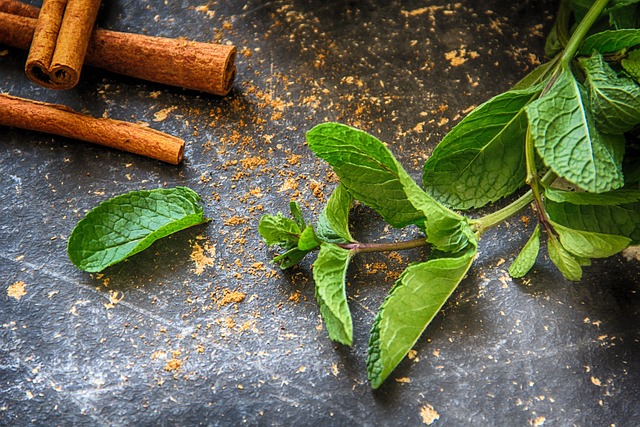
While cinnamon is generally recognized as safe when used as a spice in foods, concentrated or high-dose consumption, such as in daily cinnamon water, carries specific risks that must be carefully considered. The primary safety concerns revolve around the type of cinnamon used, the dose, and individual health conditions.
Coumarin Content and Liver Toxicity
The most well-documented risk is associated with Cassia cinnamon, the common variety found in most supermarkets. Cassia contains significant amounts of coumarin, a compound that can cause liver damage in sensitive individuals or with prolonged high intake. The European Food Safety Authority sets a tolerable daily intake (TDI) for coumarin at 0.1 mg per kg of body weight. Regular consumption of just 1-2 teaspoons of Cassia cinnamon powder can easily exceed this limit for an adult.
- Safer Alternative: Ceylon ("true") cinnamon contains negligible amounts of coumarin and is the safer choice for regular consumption.
- At-Risk Groups: Individuals with pre-existing liver conditions, those who consume alcohol regularly, or people taking medications metabolized by the liver should be particularly cautious.
Blood Sugar and Medication Interactions
Cinnamon is often promoted for blood sugar management. While some evidence suggests a modest effect, this poses a significant risk for individuals on diabetes medication (e.g., insulin, sulfonylureas). Unmonitored consumption could potentially lead to hypoglycemia (dangerously low blood sugar). Anyone managing diabetes with medication must consult their physician before adding therapeutic doses of cinnamon to their regimen.
Other Precautions and Contraindications
Additional groups should exercise caution or avoid high-dose cinnamon intake:
- Pregnancy and Breastfeeding: Therapeutic amounts are not recommended due to limited safety data and potential uterine-stimulating properties.
- Bleeding Disorders or Upcoming Surgery: Cinnamon, particularly Cassia, contains cinnamaldehyde which may have antiplatelet (blood-thinning) effects and could increase bleeding risk.
- Digestive Sensitivity: The cinnamaldehyde can irritate the mucous membranes, potentially causing mouth sores, heartburn, or gastrointestinal discomfort in some people.
- Allergies: Although rare, allergic reactions to cinnamon are possible.
Clinical Perspective: From a safety standpoint, the coumarin issue is the most concrete and evidence-based risk. Clinicians often advise that if patients wish to consume cinnamon regularly, they should explicitly seek out Ceylon cinnamon and stay within culinary doses (typically up to 1 teaspoon per day). Any therapeutic use for a medical condition should be discussed in the context of one's full medication and health profile to avoid adverse interactions.
The key takeaway is that "natural" does not equate to "risk-free." Responsible use involves knowing the type of cinnamon, moderating the dose, and being aware of personal health contraindications.
4. Practical Guidelines for Using Cinnamon Water

If you are considering incorporating cinnamon water into your routine, a measured and evidence-informed approach is essential for safety and potential benefit. The following guidelines are based on general principles of herbal supplementation and the known pharmacology of cinnamon.
Preparation and Dosage
To prepare a basic infusion, steep 1-2 grams (approximately ½ to 1 teaspoon) of high-quality Ceylon cinnamon (Cinnamomum verum) in 8 ounces of hot water for 10-15 minutes, then strain. It is crucial to use Ceylon ("true") cinnamon when possible, as it contains significantly lower levels of coumarin—a compound that can be hepatotoxic in high, chronic doses—compared to the more common Cassia cinnamon (Cinnamomum cassia).
- Starting Dose: Begin with a weaker infusion (e.g., ½ teaspoon) once daily to assess tolerance.
- Maximum Intake: Do not exceed 3-6 grams of cinnamon powder per day, spread across servings. The European Food Safety Authority suggests a tolerable daily intake of coumarin at 0.1 mg per kg of body weight, which can be exceeded with just a teaspoon of Cassia cinnamon.
- Timing: Some preliminary studies on blood glucose suggest consuming it with or after a meal, but strong clinical evidence for optimal timing is lacking.
Safety and Precautions
The evidence for health benefits of cinnamon water in humans is mixed and often derived from short-term studies using cinnamon extract supplements, not infusions. Therefore, any effects should be considered modest and not a substitute for medical treatment.
The following individuals should exercise extreme caution or avoid cinnamon water without explicit medical consultation:
- Those with liver conditions or taking medications metabolized by the liver (due to coumarin content).
- Individuals with diabetes, especially on medication (insulin, sulfonylureas), due to the risk of additive hypoglycemic effects.
- Pregnant or breastfeeding women (safety data is insufficient).
- Individuals with known allergies to cinnamon or plants in the Lauraceae family.
- People on anticoagulant or antiplatelet drugs, as cinnamon may have mild blood-thinning properties.
Clinical Insight: From a pharmacological perspective, cinnamon is a food-grade spice, not an inert substance. Its bioactive compounds can interact with metabolic pathways and medications. The most well-substantiated risk is liver toxicity from chronic, high intake of Cassia cinnamon. Any regimen should be started cautiously, and self-monitoring for adverse effects like gastrointestinal upset, mouth irritation, or allergic reactions is advised. It should not be viewed as a therapeutic intervention for any diagnosed condition without professional guidance.
In summary, if used, cinnamon water should be prepared with Ceylon cinnamon, consumed in moderation, and viewed as a dietary component rather than a treatment. Discontinue use and consult a healthcare provider if you experience any adverse effects or have underlying health concerns.
5. When to Seek Medical Advice: Monitoring Health with Cinnamon Water

While many explore dietary additions like cinnamon water for potential wellness benefits, a clinically responsible approach requires understanding when to pause and consult a healthcare professional. Monitoring your body's response is crucial, as individual biochemistry and pre-existing conditions can significantly alter outcomes.
You should seek medical advice before starting if you fall into any of the following categories:
- Individuals on medication: Cinnamon, particularly the Cassia variety, contains coumarin, which can affect blood clotting. It may interact with anticoagulants (e.g., warfarin), antiplatelet drugs, and some diabetes medications (like insulin or sulfonylureas), potentially leading to hypoglycemia or increased bleeding risk.
- Those with liver conditions: High coumarin intake is hepatotoxic and can exacerbate liver disease.
- People with diagnosed diabetes or hypoglycemia: While some evidence suggests cinnamon may modestly improve insulin sensitivity, its effects are inconsistent. Combining it with glucose-lowering therapy without medical supervision can be dangerous.
- Pregnant or breastfeeding individuals: Safety data is insufficient, and certain compounds in cinnamon may stimulate uterine activity.
- Anyone with a known allergy to cinnamon or plants in the Lauraceae family.
During use, discontinue consumption and consult a doctor if you experience:
- Signs of liver stress (unusual fatigue, jaundice, dark urine, upper abdominal pain).
- Unexplained bruising, bleeding, or nosebleeds.
- Dizziness, sweating, or confusion, which could indicate low blood sugar.
- Mouth or throat irritation, which can occur with frequent consumption of the cinnamaldehyde compound.
- Any new or worsening digestive symptoms.
Clinical Perspective: From a medical standpoint, cinnamon water is not a treatment. The evidence for its systemic health benefits is largely preliminary, derived from cell studies, animal models, or small, short-term human trials. It should be viewed as a culinary spice consumed in moderation, not a therapeutic intervention. Responsible monitoring means recognizing it as one variable in your health profile and prioritizing professional guidance over anecdotal results.
In summary, proactive communication with your physician is the most critical step. Discuss any planned dietary changes, provide a complete list of your supplements and medications, and establish a plan for monitoring relevant biomarkers if necessary. This ensures any exploration of wellness practices is grounded in safety and personalized care.
6. Questions & Expert Insights
Can drinking cinnamon water really help with blood sugar control?
The evidence is promising but preliminary and should be interpreted with caution. Some human trials and numerous animal studies suggest that compounds in cinnamon, particularly cinnamaldehyde, may improve insulin sensitivity and slow the emptying of the stomach, which can moderate post-meal blood sugar spikes. However, the research is mixed, with studies often using concentrated extracts or high doses (1-6 grams daily) rather than a simple infusion in water. The effect size in the most robust studies is generally modest and should not be considered a substitute for prescribed diabetes medication, diet, or exercise. For individuals with prediabetes or type 2 diabetes, it may be a supportive dietary addition, but its impact from a daily cup of cinnamon water is likely to be minimal and highly variable between individuals.
What are the potential risks or side effects of drinking cinnamon water daily?
The primary risk stems from the type of cinnamon used. Common, inexpensive Cassia cinnamon contains relatively high levels of coumarin, a compound that can cause liver toxicity and damage with prolonged, high intake. Consuming Cassia cinnamon water daily for weeks or months could potentially exceed safe coumarin limits, especially for individuals with pre-existing liver conditions. Ceylon ("true") cinnamon contains negligible coumarin and is safer for regular consumption. Other general side effects can include mouth sores or irritation from the cinnamaldehyde, gastrointestinal discomfort, or allergic reactions. It may also interact with medications, including blood thinners (like warfarin) and diabetes drugs, potentially amplifying their effects.
Who should avoid or be extremely cautious with this practice?
Several groups should avoid daily cinnamon water or consult a doctor first. This includes:
- Individuals with liver disease: Due to the coumarin risk in Cassia cinnamon.
- People on anticoagulant/antiplatelet drugs: Cinnamon may have blood-thinning properties.
- Those with diabetes on medication: Risk of additive effects leading to hypoglycemia.
- Pregnant and breastfeeding women: Due to limited safety data, high coumarin exposure should be avoided.
- Individuals with known allergies to cinnamon or plants in the Lauraceae family.
- People about to undergo surgery: It may increase bleeding risk.
When should I talk to my doctor, and what should I bring to that conversation?
You should schedule a conversation with your doctor or a registered dietitian before starting any consistent regimen like daily cinnamon water if you have a chronic condition (diabetes, liver disease, heart disease) or take medications. This is a proactive step to prevent interactions and assess personal risk. For a productive discussion, bring specific information:
- The type of cinnamon you plan to use (e.g., "Ceylon" or "Cassia" from the label).
- Your intended dose (e.g., "one teaspoon steeped in water daily").
- Your precise health goals (e.g., "I'm hoping to support lower fasting blood sugar" or "manage mild bloating").
- A list of all your current medications and supplements.
7. In-site article recommendations
8. External article recommendations
9. External resources
The links below point to reputable medical and evidence-based resources that can be used for further reading. Always interpret them in the context of your own situation and your clinician’s advice.
-
healthline healthline.comcinnamon water – Healthline (search)
-
examine examine.comcinnamon water – Examine.com (search)
-
drugs drugs.comcinnamon water – Drugs.com (search)
These external resources are maintained by third-party organisations. Their content does not represent the editorial position of this site and is provided solely to support readers in accessing additional professional information.