
1. Introduction: Ginger Water and Appetite in Context
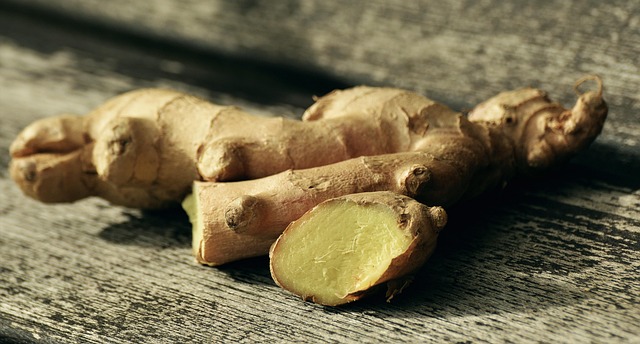
Ginger (Zingiber officinale) has a long history of use in traditional medicine systems for digestive complaints, including nausea, bloating, and dyspepsia. In recent years, its consumption as a simple infusion—ginger water—has gained popularity, often accompanied by anecdotal reports of reduced appetite and weight management benefits. This chapter provides a foundational, evidence-based context for understanding the potential relationship between ginger water and appetite regulation, separating established physiological effects from more speculative claims.
The primary bioactive compounds in ginger, such as gingerols and shogaols, are thought to influence digestive processes and metabolism. Mechanistically, research suggests ginger may:
- Modulate gastric emptying: Some studies indicate ginger can accelerate gastric emptying, which may influence early satiety signals.
- Exert anti-inflammatory effects: Chronic low-grade inflammation is linked to metabolic dysfunction and leptin resistance, a hormone involved in appetite regulation.
- Influence thermogenesis: Preliminary evidence points to a mild thermogenic effect, potentially increasing energy expenditure.
However, it is crucial to distinguish between these mechanistic pathways and direct, high-quality evidence for ginger water as a reliable appetite suppressant. While several randomized controlled trials (RCTs) have investigated ginger's effects on weight and metabolic markers, the evidence remains mixed and often preliminary.
Clinical Perspective: From a clinical standpoint, ginger is generally recognized as safe for culinary use and may offer mild digestive benefits. However, its effect on appetite is not considered a first-line or standalone intervention for weight management. The existing human trials are often of short duration, involve specific populations (e.g., individuals with obesity or type 2 diabetes), and use varying forms and doses of ginger extract, not necessarily infusions. Direct evidence for "ginger water" specifically is sparse.
Individuals considering ginger water should be aware of contraindications and exercise caution. Those with the following conditions should consult a physician before regular consumption:
- Gallbladder disease, due to ginger's potential choleretic effect.
- Bleeding disorders or those on anticoagulant/antiplatelet medication (e.g., warfarin, aspirin), as ginger may have mild blood-thinning properties.
- Active gastritis or peptic ulcer disease, as it may cause gastrointestinal irritation.
- Pregnancy, particularly in higher doses, due to historical concerns about uterine stimulation.
This context sets the stage for a balanced exploration of personal experimentation with ginger water, framing it within the broader landscape of nutritional science and evidence-based practice.
2. Evidence and Mechanisms: Ginger's Potential Effects on Hunger
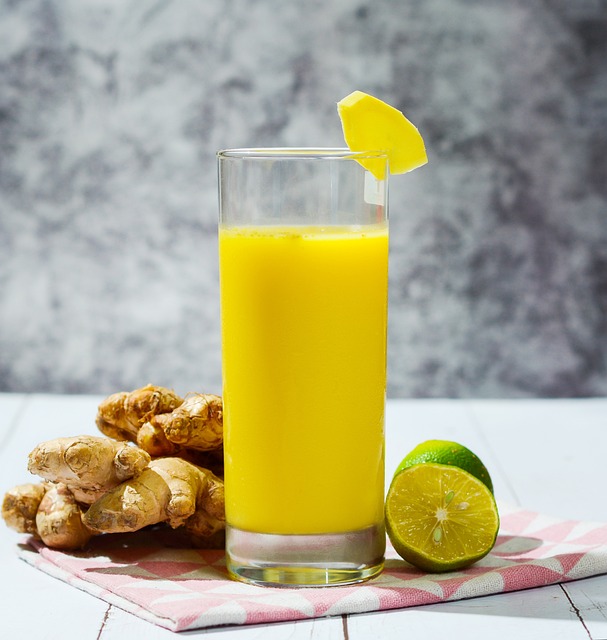
The reported effects of ginger water on hunger and appetite are not based on anecdote alone; they are grounded in plausible physiological mechanisms supported by preliminary, though not yet definitive, scientific research. The primary active compounds in ginger, such as gingerols and shogaols, are thought to influence digestive and metabolic processes that can indirectly modulate hunger signals.
Proposed Mechanisms of Action
Current evidence points to several interconnected pathways through which ginger may influence satiety:
- Gastric Motility and Emptying: Some human and animal studies suggest ginger can accelerate gastric emptying. A faster rate of stomach emptying might lead to quicker nutrient delivery to the small intestine, potentially triggering the release of satiety hormones like cholecystokinin (CCK) and peptide YY (PYY) sooner.
- Thermogenesis and Metabolism: Ginger has mild thermogenic properties, meaning it may slightly increase metabolic rate and energy expenditure. This subtle metabolic nudge could influence overall energy balance, a factor in appetite regulation.
- Blood Sugar Regulation: More robust evidence exists for ginger's potential to improve insulin sensitivity and moderate postprandial blood glucose levels. Stable blood sugar can help prevent the sharp dips that often trigger hunger and cravings.
- Anti-inflammatory Effects: Chronic, low-grade inflammation is linked to metabolic dysfunction and leptin resistance (leptin being a key satiety hormone). Ginger's well-documented anti-inflammatory properties may, in theory, support a healthier metabolic environment for normal appetite signaling.
Clinical Perspective: It is crucial to interpret these mechanisms with appropriate caution. Most supporting studies are small, short-term, or conducted in animals. The direct, causal link between daily ginger water consumption and significant, sustained appetite suppression in diverse human populations is not yet firmly established by large-scale, long-term clinical trials. The effect is likely to be modest and highly variable between individuals.
Evidence Strength and Limitations
The evidence for ginger's direct impact on hunger is best described as promising but preliminary. Systematic reviews acknowledge biological plausibility but call for more rigorous human trials. Many existing studies use concentrated ginger extracts or powders, making it difficult to equate results directly with consuming ginger-infused water.
Who should exercise caution? Individuals with gallstone disease, those on anticoagulant medications (like warfarin), or with a history of heartburn or GERD should consult a physician before regularly consuming significant amounts of ginger. Pregnant women should also seek medical advice due to ginger's potential uterine-stimulating effects at high doses.
In summary, the mechanisms by which ginger could influence hunger are scientifically plausible, involving digestion, metabolism, and blood sugar control. However, the evidence remains in early stages, and any effects should be viewed as a potential supportive component within a broader lifestyle approach, not a standalone solution.
3. Risks and Contraindications: Who Should Exercise Caution

While ginger is generally recognized as safe (GRAS) by the FDA for use as a food, concentrated or frequent consumption of ginger water—especially from fresh root or high-dose supplements—carries specific risks that certain populations must consider. A balanced, evidence-based approach requires acknowledging these potential adverse effects and contraindications.
Primary Medical and Pharmacological Concerns
The most significant risks stem from ginger's pharmacological actions, primarily its antiplatelet and gastrointestinal effects.
- Bleeding Risk: Ginger inhibits thromboxane synthase and acts as a mild antiplatelet agent. This poses a risk for individuals on anticoagulant or antiplatelet medications (e.g., warfarin, clopidogrel, aspirin) and those with bleeding disorders. Discontinuing ginger before surgery is a standard clinical recommendation.
- Gastrointestinal Discomfort: In some individuals, ginger can cause heartburn, gastric irritation, or mouth irritation, particularly when consumed on an empty stomach or in large quantities.
- Gallbladder Stimulation: Ginger may increase bile secretion. Individuals with a history of gallstones should use caution, as it could potentially precipitate a biliary colic event.
Populations Requiring Specific Caution or Avoidance
The following groups should consult a healthcare provider before making ginger water a daily habit:
- Pregnant Individuals: While ginger is often used for nausea in pregnancy, high doses (typically over 1 gram per day) are not recommended due to theoretical concerns about fetal development and miscarriage risk, particularly in the first trimester. Medical guidance is essential.
- Individuals with Cardiovascular Conditions: Due to its potential blood pressure-lowering and heart rate-affecting properties, those on antihypertensive medications or with arrhythmias should monitor their response closely.
- People with Diabetes: Ginger may lower blood glucose levels. Those on insulin or oral hypoglycemics must monitor blood sugar carefully to avoid hypoglycemia.
- Individuals Prior to Surgery: As mentioned, the antiplatelet effect necessitates discontinuation at least 1-2 weeks before any scheduled surgical or dental procedure.
Clinical Perspective: In practice, the greatest risk I observe is the interaction with prescribed medications. Patients often do not consider herbal infusions like ginger water as "active agents," leading to unreported use. Always disclose all supplements and dietary changes to your physician, especially if you have a chronic condition or are taking medication. The evidence for ginger's benefits for hunger is preliminary, but the evidence for its drug interactions is well-established.
Finally, while rare, allergic reactions to ginger can occur. Starting with a small amount to assess tolerance is a prudent step for anyone new to regular consumption. The key takeaway is that "natural" does not automatically mean "risk-free," and individual health context dictates safety.
4. Practical Takeaways: Balanced Integration of Ginger Water

Based on the available evidence and anecdotal reports, integrating ginger water into a daily routine can be approached with a focus on balance and individual tolerance. The goal is to incorporate it as a supportive element within a broader healthy lifestyle, not as a standalone solution for weight management or appetite control.
Evidence-Based Recommendations for Use
The strongest evidence for ginger's effects relates to its anti-nausea and anti-inflammatory properties. Its influence on hunger and satiety is supported by a more limited, though promising, body of research involving animal studies and small human trials. Therefore, any perceived changes in appetite should be viewed as a potential supportive benefit rather than a guaranteed outcome.
A practical and cautious starting protocol involves:
- Preparation: Steep 1–2 thin slices (about 5g) of fresh, peeled ginger root in 250ml of hot water for 5–10 minutes. This provides a moderate dose of bioactive compounds like gingerols.
- Timing: Many find consuming a cup 20–30 minutes before a main meal to be most useful for potentially moderating appetite. Alternatively, it can be sipped throughout the day.
- Duration: Effects, if any, may be subtle and cumulative. A trial period of 2–4 weeks is reasonable to assess personal tolerance and any subjective changes in hunger cues or digestion.
Clinical Perspective: From a medical standpoint, ginger water is generally low-risk for most healthy adults. However, its purported appetite effects are mechanistically linked to its influence on gastric emptying and digestive enzymes. This means individuals with certain conditions, such as gastroparesis, active gallstones, or gastroesophageal reflux disease (GERD), may experience exacerbation of symptoms. It is not a substitute for addressing underlying dietary patterns or metabolic health issues.
Essential Cautions and Contraindications
Safety must precede any dietary experiment. The following groups should exercise particular caution or avoid ginger water without first consulting a healthcare provider:
- Individuals on anticoagulant (blood-thinning) medications like warfarin, due to ginger's potential antiplatelet effects.
- Those with a known allergy to ginger or related plants.
- Pregnant individuals, especially near term, as ginger may affect uterine contractions.
- People scheduled for surgery, as it may increase bleeding risk.
- Anyone experiencing heartburn, mouth irritation, or diarrhea after consumption should discontinue use.
The most balanced takeaway is to view ginger water as a potentially useful, non-caloric beverage that may support digestive comfort for some. Its integration should be mindful, dose-conscious, and always secondary to foundational health practices: a nutrient-dense diet, adequate hydration with plain water, regular physical activity, and sufficient sleep. For significant or persistent changes in appetite, a consultation with a physician or registered dietitian is recommended to rule out other causes.
5. Safety Considerations and When to Seek Medical Advice
While ginger is generally recognized as safe (GRAS) by food safety authorities, its concentrated or frequent use, as in a daily ginger water regimen, warrants a cautious and informed approach. The evidence supporting its specific effects on hunger is preliminary, and its pharmacological properties can interact with certain health conditions and medications.
Who Should Exercise Caution or Avoid It
Consulting a healthcare professional before starting is strongly advised for individuals in the following categories:
- Individuals on Anticoagulant/Antiplatelet Therapy: Ginger has mild antiplatelet effects. Combining it with drugs like warfarin, aspirin, or clopidogrel may increase the risk of bleeding or bruising.
- Those with Gallbladder Disease: Ginger may stimulate bile production, which could potentially trigger pain or complications in individuals with gallstones.
- People with Gastroesophageal Reflux Disease (GERD) or Peptic Ulcers: While ginger can aid digestion for some, its pungent compounds may exacerbate heartburn or irritation in sensitive individuals.
- Pregnant and Breastfeeding Individuals: While ginger is sometimes used for nausea in pregnancy, high doses are not recommended. Medical guidance is essential to determine a safe intake level.
- Individuals Scheduled for Surgery: Due to its potential blood-thinning effect, it is typically advised to discontinue ginger supplements (including high-dose daily consumption) at least two weeks prior to any surgical procedure.
Clinical Insight: From a medical perspective, the primary concern with ginger water is not acute toxicity but its potential to act as a mild drug. Clinicians view it through the lens of polypharmacy—it's another bioactive substance added to a patient's regimen. We assess for herb-drug interactions, underlying conditions it might aggravate, and whether its purported benefits are supported by evidence strong enough to justify even a minor risk. Always disclose its use during medication reviews.
Recognizing Adverse Reactions and When to Stop
Discontinue use and seek medical advice if you experience:
- Signs of an allergic reaction (rash, itching, swelling).
- Unexpected or severe heartburn, stomach pain, or mouth irritation.
- Unusual bruising, bleeding, or palpitations.
Furthermore, it is critical to view ginger water as a potential complement to, not a replacement for, a balanced diet and standard medical care. Relying on it for significant weight management without addressing foundational lifestyle factors is not supported by robust evidence.
In summary, while a 30-day trial of ginger water may be safe for many healthy adults, a proactive assessment of personal risk factors is a responsible and necessary step. This ensures that a well-intentioned wellness experiment does not inadvertently compromise your health.
6. Questions & Expert Insights
Can drinking ginger water really reduce hunger and help with weight management?
The evidence for ginger's direct impact on hunger is preliminary and should be interpreted with caution. Some small-scale human studies and animal research suggest compounds in ginger, like gingerols, may influence satiety hormones (e.g., GLP-1) and slow gastric emptying, potentially promoting a feeling of fullness. However, these studies are often short-term, involve specific populations, or use concentrated ginger extracts, not necessarily the diluted form in ginger water. Any observed effect on hunger is likely modest and highly variable between individuals. It is not a substitute for a comprehensive weight management strategy based on nutrition, physical activity, and behavioral changes. The "surprising hunger changes" in anecdotal reports may also be influenced by increased water intake, which can promote satiety, or by the mindful act of preparing and consuming the beverage, which can alter eating patterns.
What are the potential risks or side effects of drinking ginger water daily, and who should avoid it?
For most healthy adults, moderate consumption of ginger water (e.g., 1-2 cups made from 1-2 grams of fresh ginger) is likely safe. However, side effects can include heartburn, gas, bloating, or mouth irritation, especially with higher concentrations. Crucially, certain individuals should exercise extreme caution or avoid it altogether. This includes people with bleeding disorders or those on anticoagulant/antiplatelet medications (e.g., warfarin, aspirin), as ginger may increase bleeding risk. Individuals scheduled for surgery should discontinue use well in advance. Those with gallstone disease should consult a doctor, as ginger may increase bile flow. People with gastroesophageal reflux disease (GERD) may find it exacerbates symptoms. Due to a lack of safety data, pregnant women should limit intake and consult their obstetrician, as high doses may pose a risk.
When should I talk to my doctor about using ginger water, and what information should I bring?
You should consult a physician or a registered dietitian before making ginger water a regular habit if you have any chronic health condition, are pregnant or breastfeeding, or are taking any medications—especially blood thinners, diabetes medications, or drugs for high blood pressure, as ginger may interact with them. Before your appointment, prepare specific information: note the exact amount of ginger you use (e.g., "one inch of fresh root, grated"), how often you drink it, and your reason for use (e.g., "for occasional nausea" or "to manage hunger pangs"). Be ready to discuss your full medication and supplement list. This allows your doctor to assess potential interactions and provide personalized guidance, ensuring this dietary addition complements, rather than complicates, your overall health plan.
Is the benefit from the ginger itself, or just from drinking more water?
This is a critical distinction often overlooked in anecdotal reports. Increasing plain water intake is well-established to promote satiety and can temporarily reduce hunger, which may explain a significant portion of any perceived effect. A 30-day experiment where ginger water replaces other beverages inherently increases fluid intake. To isolate ginger's potential role, one would need to compare ginger water to an equal volume of plain water under controlled conditions—something personal anecdotes cannot do. Therefore, while ginger's bioactive compounds may offer a modest additional effect on digestion and satiety based on preliminary research, the act of consuming more fluids is likely a major, and beneficial, confounding factor. A balanced view acknowledges both mechanisms.
7. In-site article recommendations
8. External article recommendations
9. External resources
The links below point to reputable medical and evidence-based resources that can be used for further reading. Always interpret them in the context of your own situation and your clinician’s advice.
-
wikipedia wikipedia.orgginger water – Wikipedia (search)
-
mayoclinic mayoclinic.orgginger water – Mayo Clinic (search)
-
drugs drugs.comginger water – Drugs.com (search)
These external resources are maintained by third-party organisations. Their content does not represent the editorial position of this site and is provided solely to support readers in accessing additional professional information.