
1. Introduction to Ginger Water and the 30-Day Anecdotal Framework

Ginger water, an infusion of fresh ginger root in hot water, is a traditional beverage with a long history of use in various cultures for its purported health benefits. From a clinical perspective, ginger (Zingiber officinale) contains bioactive compounds, primarily gingerols and shogaols, which are the subject of ongoing scientific research. This article explores the experience of consuming ginger water daily for 30 days, framed within the context of existing evidence and the inherent limitations of anecdotal reporting.
The 30-day timeframe is a common structure for personal wellness experiments, allowing for observation of potential short-term effects. It is crucial, however, to distinguish this from a controlled clinical trial. Anecdotal experiences can provide personal insights and generate hypotheses, but they cannot establish causation or prove efficacy for a broader population. Factors such as the placebo effect, concurrent lifestyle changes, and individual biological variability can significantly influence perceived outcomes.
Current evidence for ginger's effects varies in strength:
- Well-Supported: Ginger has a robust evidence base for its anti-nausea and anti-emetic properties, particularly for pregnancy-related nausea, chemotherapy-induced nausea, and postoperative nausea.
- Mixed or Preliminary Evidence: Research on ginger for inflammation, digestive discomfort, and metabolic markers like blood glucose shows promise but is often based on smaller, shorter-term studies. Results can be inconsistent, and optimal dosing is not firmly established.
- Speculative or Lacking Evidence: Many popular claims, such as dramatic weight loss or "detoxification," lack rigorous scientific support and should be viewed with caution.
Clinical Perspective: When evaluating any dietary intervention, clinicians consider the evidence hierarchy. A single personal narrative, while potentially motivating, sits at the bottom of this hierarchy. It is a data point of one, subject to bias. The value of such an experiment lies not in proving ginger's effects, but in illustrating a methodical approach to self-observation and highlighting the importance of correlating personal experience with population-level scientific data.
Before considering a similar dietary experiment, certain individuals should exercise particular caution or consult a healthcare provider. This includes:
- Individuals on anticoagulant (blood-thinning) medications, as ginger may have mild antiplatelet effects.
- Those with gallstone disease, as ginger may increase bile production.
- Individuals scheduled for surgery.
- People with known allergies to ginger or related plants.
- Those with gastroesophageal reflux disease (GERD), as ginger may exacerbate symptoms in some cases.
The following chapters detail the day-to-day observations and aggregated effects noted during this 30-day period, consistently contextualized against the backdrop of clinical evidence and responsible health communication.
2. Mechanisms of Action and Scientific Evidence Base
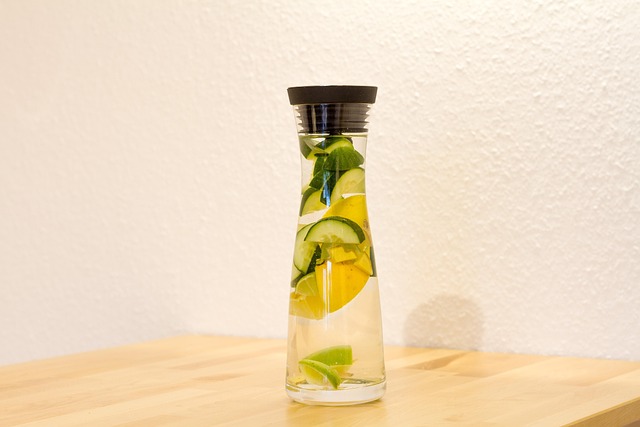
The purported health benefits of ginger water are primarily attributed to its bioactive compounds, chiefly gingerols and shogaols. These compounds are responsible for ginger's pungency and possess well-documented anti-inflammatory and antioxidant properties. The primary mechanisms of action are thought to involve the modulation of inflammatory pathways, such as the inhibition of cyclooxygenase and lipoxygenase enzymes, and the scavenging of free radicals.
Evidence for Common Claims
The scientific evidence supporting ginger's effects varies significantly in strength depending on the condition.
- Nausea and Digestive Discomfort: This is the most robustly supported application. Multiple systematic reviews and meta-analyses confirm ginger is effective for nausea related to pregnancy (morning sickness), chemotherapy, and postoperative recovery. The evidence for general dyspepsia is more observational but suggests it may promote gastric emptying.
- Anti-Inflammatory Effects: Laboratory and animal studies strongly support ginger's anti-inflammatory activity. Human clinical trials, particularly in osteoarthritis, show promising but mixed results. Some studies report modest reductions in pain and stiffness, while others show no significant difference from placebo. The evidence is considered preliminary but biologically plausible.
- Antioxidant Capacity: In vitro (test-tube) evidence is strong. However, translating this to a systemic antioxidant effect in humans from dietary intake like ginger water is less clear. It may contribute to overall antioxidant status but should not be viewed as a standalone therapeutic intervention.
Limitations and Gaps in the Research
It is crucial to contextualize this evidence. Many human studies use standardized ginger extracts in concentrated doses (often 1 gram or more daily), not ginger-infused water. The concentration of active compounds in a cup of ginger water is variable and likely lower. Furthermore, most trials are of short duration (weeks to a few months), leaving long-term effects largely unstudied.
Clinical Perspective: From a mechanistic standpoint, ginger's actions are credible. However, clinicians distinguish between evidence for a pharmaceutical-grade extract and a dietary preparation. Ginger water can be a supportive wellness practice, but it is not a substitute for evidence-based medical treatment for chronic inflammatory or metabolic conditions. The effects experienced in a 30-day personal experiment are often subtle and subjective, influenced by placebo and improved hydration.
Who Should Exercise Caution: Individuals on anticoagulant/antiplatelet drugs (e.g., warfarin, aspirin) should consult a doctor, as ginger may theoretically increase bleeding risk. Those with gallstone disease, scheduled for surgery, or with a history of heartburn or GERD should also be cautious. Pregnant women should discuss use with their obstetrician, though it is often recommended for morning sickness at low doses.
3. Adverse Effects and Populations at Risk

While ginger is generally recognized as safe by major food safety authorities, its bioactive compounds, particularly gingerols, can produce adverse effects, especially with high or prolonged intake. A balanced assessment requires acknowledging these potential risks and identifying populations for whom caution is paramount.
Common and Generally Mild Adverse Effects
The most frequently reported side effects are gastrointestinal and are typically dose-dependent. These include:
- Heartburn and Gastroesophageal Reflux (GERD): Ginger may relax the lower esophageal sphincter, potentially worsening symptoms in individuals prone to acid reflux.
- Abdominal Discomfort and Gas: Its carminative effects can cause bloating or gas in some individuals.
- Mouth or Throat Irritation: The pungent compounds can cause a mild burning sensation.
Significant Risks and Drug Interactions
More serious considerations involve pharmacological interactions and specific medical conditions.
- Anticoagulant/Antiplatelet Interaction: Ginger may inhibit platelet aggregation. There is moderate-quality evidence suggesting a potential increased risk of bleeding when combined with drugs like warfarin, aspirin, or clopidogrel. This risk is a primary clinical concern.
- Hypoglycemic Effect: Some studies indicate ginger may lower blood glucose. Individuals on insulin or oral hypoglycemic agents (e.g., sulfonylureas) should monitor their levels closely to avoid hypoglycemia.
- Hypotensive Effect: Ginger may have a mild blood pressure-lowering effect, which could potentiate the action of antihypertensive medications.
Clinical Insight: In practice, the bleeding risk is the most salient for patients on anticoagulants. We advise patients on such medications to consult their physician or pharmacist before initiating regular, medicinal-dose ginger consumption. The interaction is not guaranteed but is considered clinically significant enough to warrant caution.
Populations at Higher Risk
Certain individuals should exercise particular caution or avoid high-dose ginger intake without direct medical supervision:
- Individuals with Gallstone Disease: Ginger may stimulate bile production, which could potentially trigger a gallstone attack.
- Those Scheduled for Surgery: Due to its potential antiplatelet effects, it is commonly recommended to discontinue high-dose ginger supplements at least 1-2 weeks prior to elective surgical procedures.
- Pregnant Individuals: While ginger is often used for nausea in pregnancy, high doses (typically over 1 gram per day) are not recommended, especially in the first trimester, due to theoretical concerns. Use should be discussed with an obstetrician.
- Individuals with a History of Eating Disorders or Unstable Diabetes: Introducing any strict dietary regimen, even with healthy ingredients, can be problematic for these populations.
The key takeaway is that "natural" does not equate to "risk-free." For most people consuming moderate amounts (e.g., 1-2 grams of fresh ginger daily in food or tea), significant adverse effects are unlikely. However, for the populations and conditions listed above, a consultation with a healthcare provider is a prudent and necessary step.
4. Balanced Practical Applications and Dosage Guidance

Integrating ginger water into a daily routine can be approached with flexibility, but a structured, evidence-informed strategy is key to maximizing potential benefits while minimizing risks. The most common preparation involves steeping 1–3 grams (approximately ½ to 1 teaspoon) of freshly grated ginger root in 250–300 ml of hot water for 5–10 minutes. This yields a concentration that aligns with doses used in clinical research for digestive support and mild anti-inflammatory effects.
Practical applications are best matched to the strength of the supporting evidence:
- For Digestive Discomfort (Strongest Evidence): Consuming a cup 20–30 minutes before a meal may help stimulate digestive enzymes and reduce post-meal bloating and nausea.
- For General Wellness & Mild Inflammation (Supportive Evidence): A daily morning cup can serve as a routine anti-inflammatory habit, though effects are subtle and cumulative.
- For Exercise-Induced Soreness (Preliminary/Mixed Evidence): Some studies suggest consuming ginger post-exercise may modestly reduce muscle soreness, but results are not universal.
Clinical Insight on Dosage: In practice, "more" is not necessarily "better" with ginger. Doses above 4–5 grams per day significantly increase the likelihood of side effects like heartburn, mouth irritation, or gas. The active compounds have a biphasic effect; what is therapeutic at a moderate dose can become irritating at a high dose. Consistency with a moderate daily intake is generally more sustainable and safer than sporadic high-dose consumption.
It is critical to identify individuals for whom even moderate ginger intake requires caution or medical consultation. Key contraindications and precautions include:
- Anticoagulant Therapy: Ginger may have mild antiplatelet effects. Patients on warfarin, aspirin, or other blood thinners must consult their physician.
- Gallbladder Disease: Ginger stimulates bile secretion, which can provoke pain in individuals with gallstones.
- Pregnancy: While sometimes used for morning sickness, dosage must be strictly limited and discussed with an obstetrician, especially in the later trimesters.
- Upcoming Surgery: Discontinue use at least 1–2 weeks prior to any scheduled surgical procedure due to potential bleeding risks.
A balanced approach involves starting with a low dose (e.g., 1 gram daily), observing your body's response for a week, and only then considering a gradual increase. View ginger water not as a standalone treatment but as one component of a broader dietary pattern focused on whole foods and regular hydration.
5. Monitoring and Indications for Medical Consultation

Incorporating a new substance like ginger into your routine, even as a food, warrants a period of self-observation. This is not to pathologize normal bodily responses but to ensure the practice aligns with your individual health. A structured approach to monitoring can help you distinguish between benign adaptation and a signal to stop or seek advice.
Key Parameters to Observe
During a trial like this, pay attention to both subjective feelings and objective signs. Keep a simple log to track patterns over the 30 days.
- Gastrointestinal Response: Note any changes in digestion, bowel habits, or the emergence of heartburn, stomach upset, or diarrhea. Mild initial changes may subside; persistent or worsening symptoms are a clear indicator to reduce intake or stop.
- Allergic or Sensitivity Reactions: Monitor for any rash, itching, swelling (particularly of the lips or tongue), or respiratory discomfort. Discontinue use immediately if these occur.
- Interaction with Medications: Be vigilant for any perceived changes in the efficacy or side-effect profile of your regular medications, especially blood thinners (e.g., warfarin), diabetes drugs, or high blood pressure medications, due to ginger's potential pharmacodynamic effects.
Clinical Insight: From a medical perspective, the most significant risk with regular ginger consumption is its anticoagulant (blood-thinning) property, which is supported by mechanistic data though the clinical risk in healthy individuals consuming culinary amounts is considered low. The concern escalates for patients on antithrombotic therapy or facing surgery. Furthermore, ginger can lower blood sugar and blood pressure, effects that are beneficial in some contexts but hazardous if they potentiate medication effects excessively.
Clear Indications for Medical Consultation
While ginger water is generally safe for most, certain situations necessitate pausing the practice and consulting a healthcare professional. Do not hesitate to seek advice if you experience:
- Signs of an allergic reaction.
- Unexplained bruising, bleeding gums, or unusually heavy menstrual flow.
- Dizziness, lightheadedness, or palpitations, which could indicate blood pressure or blood sugar changes.
- Severe or persistent abdominal pain.
Who should consult a doctor before starting: Individuals who are pregnant (especially in the third trimester or with a history of miscarriage), have gallstone disease, a bleeding disorder, are scheduled for surgery, or are on the medications mentioned above should obtain professional guidance. This precaution is based on established pharmacological interactions and risk profiles, not speculation.
The goal of monitoring is to foster a safe and personalized approach. Evidence for ginger's benefits is promising but mixed in scale and quality; evidence for its risks in susceptible populations is more consistent. Responsible self-experimentation is defined by knowing when personal observation must transition to professional evaluation.
6. Questions & Expert Insights
Can drinking ginger water really help with chronic inflammation?
The evidence for ginger's anti-inflammatory properties is promising but requires careful interpretation. Several systematic reviews and meta-analyses, such as one published in the journal Nutrients, have concluded that ginger supplementation can significantly reduce markers of inflammation like C-reactive protein (CRP). However, most studies use concentrated ginger extracts or powders, not ginger-infused water. The concentration of active compounds (gingerols) in homemade ginger water is variable and likely lower. While it may contribute to an anti-inflammatory diet, it should not be considered a standalone treatment for chronic inflammatory conditions like rheumatoid arthritis. The effects observed in a 30-day personal experiment may be subtle and are best supported as part of a broader lifestyle approach.
What are the risks or side effects, and who should avoid ginger water?
Ginger is generally recognized as safe but is not risk-free. Common side effects include heartburn, stomach upset, gas, and mouth irritation. The primary pharmacological risk is ginger's antiplatelet (blood-thinning) effect. Individuals on anticoagulant medications like warfarin, apixaban, or aspirin should exercise extreme caution, as ginger could potentiate bleeding risk. It is also contraindicated for people with gallstone disease, as it may increase bile flow. Those with a history of gastroesophageal reflux disease (GERD) may find symptoms worsen. Pregnant individuals should consult an obstetrician before regular use, as while ginger is used for nausea, dosing and safety in pregnancy require professional guidance.
When should I talk to a doctor about incorporating something like ginger water?
Consult a physician or a registered dietitian before starting if you: 1) take any prescription medications (especially for diabetes, blood pressure, or blood thinning), 2) have a diagnosed digestive, kidney, or gallbladder condition, 3) are pregnant or breastfeeding, or 4) are planning surgery. For the appointment, bring a clear description of your regimen (amount of ginger, preparation method, daily frequency) and a list of all medications and supplements. This allows your doctor to assess potential interactions or contraindications. Frame the conversation around ginger as a dietary component, not a therapy, to get the most practical and safe advice integrated into your overall care.
Is the weight loss effect people report from ginger water scientifically valid?
Claims that ginger water directly causes weight loss are overstated. Some controlled studies suggest ginger may have a modest effect on satiety, thermogenesis, and fat metabolism. However, these studies typically use high-dose ginger supplements in specific populations. The effect from drinking ginger water is likely minimal. Any weight changes noted in a 30-day experiment are far more attributable to the increased hydration and potential displacement of high-calorie beverages (like soda or juice) that often accompanies this habit. Ginger water should be viewed as a zero- or low-calorie, flavorful hydration option that can support a weight management plan, not a primary driver of fat loss. Sustainable weight management requires comprehensive dietary, activity, and behavioral strategies.
7. In-site article recommendations
8. External article recommendations
9. External resources
The links below point to reputable medical and evidence-based resources that can be used for further reading. Always interpret them in the context of your own situation and your clinician’s advice.
-
healthline healthline.comginger water – Healthline (search)
-
mayoclinic mayoclinic.orgginger water – Mayo Clinic (search)
-
drugs drugs.comginger water – Drugs.com (search)
These external resources are maintained by third-party organisations. Their content does not represent the editorial position of this site and is provided solely to support readers in accessing additional professional information.