
1. Introduction to Tai Chi Walking: Context and Anecdotal Insights

Tai Chi Walking is a modern adaptation that integrates the core principles of traditional Tai Chi—a centuries-old Chinese mind-body practice—into the fundamental act of walking. It is not a formalized style but rather an approach focused on mindful movement, postural alignment, and breath coordination. The goal is to transform a routine activity into a deliberate practice for cultivating balance, stability, and body awareness.
The core tenets of this practice typically include:
- Mindful Weight Shifting: Moving with slow, deliberate control, consciously transferring weight from one foot to the other.
- Postural Alignment: Maintaining an upright, relaxed spine with shoulders down and the head held as if suspended from above.
- Rooted Stepping: Placing the heel down first, then rolling through the foot to the toes, with a sense of connection to the ground.
- Integrated Breathing: Coordinating breath with movement, often exhaling during exertion (e.g., stepping forward) and inhaling during preparation.
Scientific evidence for "Tai Chi Walking" as a distinct modality is limited. However, its parent practice, Tai Chi, is one of the most extensively studied mind-body exercises. High-quality systematic reviews and meta-analyses published in journals like the Journal of the American Geriatrics Society and the British Journal of Sports Medicine provide strong evidence that traditional Tai Chi improves:
- Static and dynamic balance in older adults, reducing fall risk.
- Lower-body strength and flexibility.
- Certain aspects of mental well-being, such as reducing symptoms of depression and anxiety.
The anecdotal benefits reported by practitioners of Tai Chi Walking—such as unexpected gains in energy and a heightened sense of stability—are plausible extensions of this evidence base. The focused attention and slow, controlled movements may reduce mental fatigue and improve neuromuscular coordination, which can be perceived as increased vitality. However, it is important to distinguish these promising reports from proven, clinical outcomes, which require more rigorous, targeted research.
Clinical Perspective: From a rehabilitation and preventive medicine standpoint, the principles of Tai Chi Walking align well with established fall-prevention strategies and graded activity for deconditioned individuals. The emphasis on slow, controlled weight shifting is a foundational exercise in physical therapy for balance retraining. However, the adaptation is highly individual. Someone with severe osteoarthritis, vertigo, or significant neuropathy should consult a physician or physical therapist to ensure the movements are appropriately modified to avoid instability or joint stress.
As we explore a personal 30-day experience with this practice, the following chapters will examine the practical application, potential physiological and psychological effects, and important safety considerations, always contextualizing personal observations within the broader scope of available medical evidence.
2. Evidence and Mechanisms: How Tai Chi Walking May Influence Energy and Balance

The reported benefits of Tai Chi walking—a practice blending the mindful, flowing movements of Tai Chi with ambulation—are supported by a robust body of research on Tai Chi itself. The mechanisms are multifactorial, involving physiological, neurological, and psychological adaptations.
Mechanisms for Improved Balance
The evidence for Tai Chi's positive impact on balance and fall prevention in older adults is strong, with numerous systematic reviews and meta-analyses supporting its efficacy. The proposed mechanisms include:
- Enhanced Proprioception: The slow, deliberate weight-shifting and precise foot placement heighten body awareness and sensory feedback from joints and muscles.
- Improved Postural Control: The practice strengthens core and lower-body musculature while training the nervous system to make finer postural adjustments.
- Gait Refinement: Integrating Tai Chi principles into walking may promote a more stable, controlled stride with better heel-to-toe roll-off and reduced stride variability.
Mechanisms for Increased Energy
The evidence for increased energy or reduced fatigue is more preliminary, often emerging as a secondary outcome in studies. Potential mechanisms are interrelated:
- Stress Reduction & Parasympathetic Activation: The meditative, rhythmic nature of the practice can lower cortisol levels and promote a relaxation response, countering the energy-depleting effects of chronic stress.
- Improved Cardiorespiratory Efficiency: The gentle, continuous movement provides low-impact aerobic conditioning, which can enhance mitochondrial function and oxygen utilization over time.
- Psychological Uplift: Successfully engaging in a mindful movement practice can improve mood and self-efficacy, which are closely tied to subjective feelings of vitality.
Clinical Perspective: While the evidence for balance is compelling, the energy benefits are often subjective and variable. It is crucial to distinguish between the acute calming effect (which some perceive as energy) and long-term improvements in metabolic fitness. The practice is best viewed as a neuromotor and stress-modulation training with potential downstream benefits for perceived energy.
Important Considerations & Cautions: Individuals with significant balance disorders, severe osteoporosis, acute joint inflammation, or uncontrolled cardiovascular conditions should consult a physician or physical therapist before beginning. The practice should be adapted for safety, potentially starting in a seated position or with substantial support.
3. Risks and Contraindications: Identifying Who Should Avoid Tai Chi Walking

While Tai Chi Walking is widely regarded as a low-impact and safe form of movement, it is not without potential risks or contraindications. A responsible approach requires identifying individuals for whom this practice may be inappropriate without professional guidance or modification.
The primary risks are generally related to falls, musculoskeletal strain, and the exacerbation of pre-existing conditions. The slow, controlled weight-shifting and occasional single-leg stances inherent in the practice can challenge balance. On unstable or uneven surfaces, this risk is amplified.
Who Should Exercise Caution or Seek Medical Advice First
Individuals with the following conditions should consult a physician or a qualified physical therapist before beginning Tai Chi Walking:
- Acute or Unstable Musculoskeletal Injuries: Recent ankle, knee, or hip injuries, acute back pain, or recent surgery. The practice may place stress on healing tissues.
- Severe Osteoporosis or High Fracture Risk: While Tai Chi can benefit bone health, the risk of a fall leading to a fracture may outweigh potential benefits in advanced cases. A stability-focused, chair-based program may be a safer initial option.
- Significant Vestibular Disorders or Uncontrolled Vertigo: The head turns and shifting visual focus can provoke dizziness and imbalance.
- Unmanaged Cardiovascular Conditions: Such as uncontrolled hypertension, heart failure, or arrhythmias. Although gentle, the activity does elevate heart rate and requires sustained, mindful exertion.
Clinical Perspective: The contraindication is rarely the practice itself, but its intensity and form. A skilled instructor can often modify movements—reducing range of motion, providing chair support, or eliminating complex turns—to accommodate many limitations. The key is an honest pre-activity screening and clear communication between the individual, their healthcare provider, and the instructor.
Relative Contraindications and Safe Practice Principles
For those with milder or well-managed chronic conditions (e.g., osteoarthritis, mild balance issues, controlled hypertension), Tai Chi Walking can be highly beneficial. The evidence strongly supports its use for improving balance and reducing fall risk in older adults. However, the following principles are non-negotiable for safe practice:
- Start with Professional Instruction: Learn the foundational postures and weight transitions from a certified instructor to avoid developing poor, potentially harmful mechanics.
- Use Appropriate Footwear and Environment: Practice on a flat, non-slip surface. Avoid loose rugs or outdoor areas with debris.
- Listen to Your Body: "No pain, no gain" does not apply. Sharp pain, joint instability, or excessive shortness of breath are signals to stop and reassess.
- Hydrate and Pace Yourself: Even gentle movement in a meditative state can lead to dehydration or fatigue if sessions are overly long initially.
In summary, the risks of Tai Chi Walking are predominantly manageable through appropriate screening, professional guidance, and mindful practice. For most people, the benefits far outweigh the risks, but identifying those who need a modified approach or medical clearance is a fundamental step in ensuring safety.
4. Practical Guidance: Evidence-Based Steps for Incorporating Tai Chi Walking
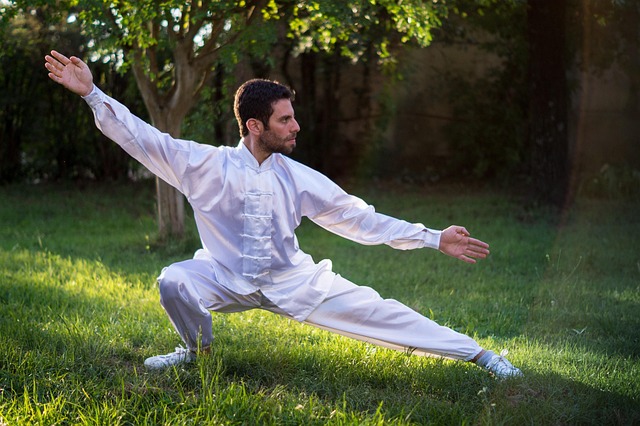
Integrating Tai Chi walking into a routine requires a mindful, progressive approach. The practice combines the slow, deliberate weight-shifting and postural awareness of Tai Chi with the fundamental act of walking. Evidence from systematic reviews suggests that Tai Chi is effective for improving balance, functional mobility, and psychological well-being, particularly in older adults and those with chronic conditions. The application of its principles to walking is a logical extension, though direct high-quality trials on "Tai Chi walking" specifically are more limited.
To begin, focus on foundational elements before attempting to integrate them into motion:
- Postural Alignment: Stand with feet shoulder-width apart, knees slightly bent. Imagine a string gently lifting the crown of your head, lengthening your spine. Keep your shoulders relaxed and down.
- Centered Breathing: Practice diaphragmatic breathing. Inhale deeply through your nose, allowing your abdomen to expand, and exhale slowly through your mouth. Sync your breath with movement later.
- Mindful Weight Shifting: While standing, slowly shift your weight from your right foot to your left foot and back. Focus on maintaining balance and a smooth, controlled transition without swaying your upper body.
Once comfortable, begin to walk with intention:
- Initiate movement from your core, feeling your foot roll from heel to toe with each step.
- Maintain a slow, steady pace, prioritizing fluidity over speed or distance.
- Keep your awareness on the sensations in your feet and legs, the shift of your weight, and the rhythm of your breath.
- Start with short sessions of 5-10 minutes daily, gradually increasing duration as your comfort and stamina improve.
Clinical Perspective: The primary evidence supports the components of this practice—mindfulness, balance training, and gentle movement—rather than "Tai Chi walking" as a branded protocol. The benefits for energy and balance are likely mediated through improved neuromuscular coordination, reduced stress, and enhanced proprioception. Consistency is far more important than duration; frequent, short practices are more sustainable and effective for building a habit.
Important Cautions: Individuals with significant balance disorders, severe osteoporosis, acute joint inflammation, or uncontrolled cardiovascular conditions should consult a physician or a qualified physical therapist before beginning. Those new to exercise should start under guidance to ensure proper form and avoid strain. Listen to your body; discomfort is a signal to rest or adjust, not push through.
While the anecdotal reports of increased energy and balance are promising, they should be viewed as complementary to the established, broader evidence for mindful movement practices. Integrating these steps patiently can create a sustainable practice for enhancing mind-body connection.
5. Safety Considerations: When to Seek Professional Medical Advice

While Tai Chi walking is generally considered a low-impact, safe form of movement, it is not without its considerations. A responsible approach requires understanding when to proceed with caution and when to seek professional medical advice before beginning or modifying your practice.
The evidence strongly supports Tai Chi's safety profile for most healthy adults. However, the evidence for its safety in specific, complex medical conditions is more limited and often based on smaller, supervised studies. The key is to differentiate between general wellness practice and therapeutic application for a diagnosed condition.
You should consult with a physician or a qualified physical therapist before starting if you have:
- Recent injuries or surgeries affecting the ankles, knees, hips, or back.
- Diagnosed balance disorders (e.g., vestibular issues, Parkinson's disease) or a history of frequent falls.
- Severe osteoporosis, where the risk of fracture from a stumble is significant.
- Uncontrolled cardiovascular conditions such as hypertension or heart failure.
- Active joint inflammation or acute pain that worsens with movement.
Furthermore, certain aspects of the practice require mindfulness. The slow, controlled weight shifts and semi-squatting postures (like a shallow "horse stance") can place sustained load on the knee joints. Individuals with pre-existing knee osteoarthritis or ligament instability should seek guidance on proper alignment and depth from a qualified instructor to avoid aggravating their condition.
Clinical Perspective: From a rehabilitation standpoint, Tai Chi walking is an excellent graded exposure to balance challenges. However, the transition from static Tai Chi poses to dynamic walking adds complexity. For patients with neurological or musculoskeletal issues, a professional can help determine if the practice is appropriate and may recommend starting in a fully supervised, clinical setting rather than independently. They can also provide crucial modifications, such as using a chair for support or reducing the range of motion.
Always listen to your body. "No pain, no gain" does not apply. Sharp pain, dizziness, chest discomfort, or shortness of breath are clear signals to stop immediately and seek medical evaluation. Begin any new practice gradually, focusing on form over duration or depth of movement.
In summary, while Tai Chi walking is accessible, proactively consulting a healthcare provider ensures it supports your health goals safely, especially if you have known health concerns. This step is a hallmark of a responsible and sustainable practice.
6. Questions & Expert Insights
Is Tai Chi walking really effective, or is it just a placebo effect?
The reported benefits of Tai Chi walking are likely a combination of physiological and psychological factors, supported by a growing body of evidence. The practice integrates the core principles of Tai Chi—slow, mindful movement, weight shifting, and postural alignment—into gait. Research on traditional Tai Chi consistently shows improvements in balance, lower-body strength, and fall prevention in older adults, which are critical for safe walking. The mindfulness component may reduce stress and improve body awareness, contributing to perceived energy gains. While the specific hybrid of "Tai Chi walking" has less direct research, its components are well-studied. The positive outcomes are real for many practitioners, but individual results vary based on consistency, baseline fitness, and technique. It is more than a placebo; it is a structured mind-body exercise with measurable physical adaptations.
What are the potential risks or side effects, and who should be cautious?
While generally safe for most people, Tai Chi walking is not without risk, primarily related to balance and musculoskeletal strain. The slow, controlled weight shifts can challenge stability, posing a fall risk for individuals with significant pre-existing balance disorders, severe osteoporosis, or untreated vertigo. Improper form or overstriding can lead to knee, hip, or ankle discomfort. Individuals with acute joint inflammation, recent surgery, or unstable medical conditions (e.g., uncontrolled hypertension) should proceed with extreme caution or avoid it until cleared by a physician. Those with a history of chronic pain or injury should modify movements and likely work with a qualified instructor. The key is to start very gently and listen to your body, avoiding any movement that causes sharp pain.
When should I talk to my doctor before starting, and what should I discuss?
Consult your doctor or a relevant specialist (e.g., physiatrist, physical therapist) if you have any chronic health conditions, are recovering from injury/surgery, are pregnant, or are significantly sedentary. This is crucial for those with cardiac issues, respiratory conditions, severe arthritis, or neurological disorders. Before your appointment, note your specific goals (e.g., "improve balance to prevent falls"). Bring a clear description or video of the Tai Chi walking movements you plan to do. Discuss your current medications, especially those affecting balance (like some blood pressure or neuropsychiatric drugs) or blood clotting. Ask for specific guidance on intensity, duration, and any movements to avoid. This conversation ensures the practice is tailored to your health profile, maximizing benefit and minimizing risk.
How does Tai Chi walking compare to regular walking or other exercises for long-term health?
Tai Chi walking complements but does not replace other forms of exercise. Regular brisk walking is superior for improving cardiovascular fitness and caloric expenditure. In contrast, Tai Chi walking excels in enhancing dynamic balance, proprioception, and mindful movement control—factors critical for fall prevention and functional mobility as we age. It is a form of neuromuscular training. For a holistic fitness regimen, it is best combined with aerobic activity (like regular walking or swimming), strength training, and flexibility work. The long-term health benefits are synergistic: cardiovascular exercise supports heart health, while the balance and coordination from Tai Chi walking support independence and injury prevention. Relying on it alone may not provide sufficient stimulus for bone density or cardiorespiratory improvement, which are pillars of long-term health.
7. In-site article recommendations
8. External article recommendations
9. External resources
The links below point to reputable medical and evidence-based resources that can be used for further reading. Always interpret them in the context of your own situation and your clinician’s advice.
-
healthline healthline.comTai Chi walking – Healthline (search)
-
drugs drugs.comTai Chi walking – Drugs.com (search)
-
wikipedia wikipedia.orgTai Chi walking – Wikipedia (search)
These external resources are maintained by third-party organisations. Their content does not represent the editorial position of this site and is provided solely to support readers in accessing additional professional information.