
1. Understanding Turmeric's Role in Inflammation: An Introductory Context

Inflammation is a fundamental biological process. In its acute form, it is a protective and necessary response to injury or infection, characterized by localized redness, swelling, heat, and pain. However, when inflammation becomes chronic and systemic, it is implicated in the pathogenesis of numerous conditions, including arthritis, metabolic syndrome, cardiovascular disease, and certain neurodegenerative disorders. This distinction between acute and chronic inflammation is critical for understanding the potential role of dietary interventions.
Turmeric, the bright yellow spice derived from the rhizome of Curcuma longa, has been a cornerstone of traditional medicinal systems like Ayurveda for centuries, primarily for its perceived anti-inflammatory and antioxidant properties. The modern scientific interest centers almost exclusively on curcumin, a polyphenol that constitutes approximately 2–5% of most turmeric preparations. It is this compound that is studied for its potential to modulate inflammatory pathways at a molecular level.
The proposed mechanisms of action are supported by a substantial body of in vitro (test-tube) and animal research. Curcumin has been shown to interact with several key molecular targets involved in inflammation, including:
- Nuclear factor-kappa B (NF-κB), a primary regulator of the expression of pro-inflammatory genes.
- Enzymes like cyclooxygenase-2 (COX-2) and lipoxygenase, which produce inflammatory mediators.
- Cytokines such as tumor necrosis factor-alpha (TNF-α) and interleukins (e.g., IL-1, IL-6).
It is crucial to distinguish this promising mechanistic evidence from clinical outcomes in humans. While high-quality randomized controlled trials (RCTs) do exist, the evidence is mixed and often condition-specific. For instance, meta-analyses suggest a modest but statistically significant benefit for curcumin supplementation in reducing pain and improving function in osteoarthritis and rheumatoid arthritis. Evidence for its effect on systemic inflammatory markers (like C-reactive protein) in otherwise healthy individuals is less consistent and often shows smaller effect sizes.
Clinical Perspective: From a clinical standpoint, curcumin is generally regarded as a potential complementary agent, not a replacement for conventional anti-inflammatory therapies. A major limitation is its notoriously poor bioavailability; it is poorly absorbed from the gut, rapidly metabolized, and quickly eliminated. This has led to the development of enhanced formulations (e.g., with piperine from black pepper or in lipid-based delivery systems) used in many clinical trials, which may not be equivalent to consuming culinary turmeric.
Individuals with gallbladder disease, those on anticoagulant/antiplatelet medications (like warfarin or clopidogrel), or individuals preparing for surgery should exercise caution, as curcumin may have choleretic and mild antiplatelet effects. As with any supplement, consulting a healthcare provider before starting is essential, particularly for those with pre-existing health conditions or who are pregnant or breastfeeding.
2. Evidence and Mechanisms: How Turmeric May Affect Inflammation

The primary scientific interest in turmeric's anti-inflammatory properties centers on curcumin, a polyphenol that constitutes approximately 2–9% of the spice. While traditional use is extensive, modern research focuses on its biochemical mechanisms, which are complex and dose-dependent.
Curcumin is understood to modulate several key inflammatory pathways at a molecular level. Its most well-documented mechanism is the inhibition of nuclear factor-kappa B (NF-κB), a protein complex that acts as a master switch for turning on the genes responsible for producing pro-inflammatory cytokines like TNF-α, IL-1, and IL-6. By blocking the activation of NF-κB, curcumin can theoretically reduce the expression of these inflammatory mediators.
- Enzyme Inhibition: Curcumin has been shown to suppress the activity of cyclooxygenase-2 (COX-2) and lipoxygenase (LOX), enzymes involved in the synthesis of inflammatory prostaglandins and leukotrienes.
- Antioxidant Activity: It acts as a free radical scavenger and may boost the body's own antioxidant enzymes, such as superoxide dismutase. Since oxidative stress and inflammation are closely linked, this activity supports an anti-inflammatory effect.
- Cell Signaling: It influences other signaling pathways, including MAPK and JAK/STAT, which are involved in the cellular response to inflammation.
The evidence supporting these mechanisms is strong in preclinical studies (in vitro and animal models). However, clinical evidence in humans is more mixed, largely due to curcumin's notoriously poor bioavailability. It is poorly absorbed from the gut, rapidly metabolized, and quickly eliminated. Most high-quality human trials showing positive effects on inflammatory markers (like CRP) use enhanced formulations with piperine (from black pepper) or lipids to improve absorption, or employ very high doses.
Clinical Perspective: While the mechanistic science is compelling, clinicians view turmeric supplements as a potential adjunct, not a replacement, for evidence-based anti-inflammatory treatments. The effects seen in controlled trials may not translate directly to the culinary use of the spice. Furthermore, the long-term safety profile of high-dose, bioavailable supplements is not fully established.
It is crucial for certain individuals to exercise caution. Those on anticoagulant/antiplatelet drugs (like warfarin or aspirin) should consult a doctor, as curcumin may have mild blood-thinning effects. Individuals with gallbladder disease, gastroesophageal reflux, or those preparing for surgery should also seek medical advice before using concentrated supplements.
3. Risks and Contraindications: Who Should Avoid Turmeric

While turmeric is generally recognized as safe when consumed in culinary amounts, concentrated supplementation for therapeutic purposes carries specific risks and contraindications. A balanced, evidence-based approach requires understanding who should avoid it or proceed with extreme caution under medical supervision.
Established Medical Contraindications
Certain conditions and medications create a clear risk for adverse interactions with turmeric supplements, particularly due to their curcumin content.
- Bleeding Disorders and Anticoagulant Therapy: Curcumin has demonstrated antiplatelet effects in laboratory and some animal studies. While robust human trial data is limited, the theoretical risk of increased bleeding is significant. Individuals on warfarin, clopidogrel, aspirin, or other blood thinners, and those with bleeding disorders like hemophilia, should avoid supplementation.
- Gallbladder Disease: Curcumin may stimulate bile production. For individuals with bile duct obstruction, gallstones, or a history of biliary colic, this effect could precipitate a painful attack.
- Iron Deficiency: Some evidence suggests curcumin can chelate iron and may interfere with its absorption. Individuals with iron deficiency or iron-deficiency anemia should be cautious, separating supplement intake from iron-rich meals or supplements.
Populations Requiring Medical Consultation
For the following groups, a discussion with a healthcare provider is essential before starting any turmeric supplement regimen.
- Pre- and Post-Surgical Patients: Due to its potential antiplatelet effects, discontinuing turmeric supplements at least two weeks before any scheduled surgery is a standard precaution to minimize bleeding risk.
- Individuals with Gastrointestinal Conditions: High doses of curcumin can cause gastrointestinal upset, including nausea and diarrhea. Those with active ulcers, GERD, or irritable bowel syndrome may experience symptom exacerbation.
- Pregnancy and Lactation: While culinary use is considered safe, there is insufficient clinical safety data on high-dose curcumin supplementation during pregnancy or breastfeeding. It is prudent to avoid medicinal doses.
Clinical Insight: The most common oversight in clinical practice is the interaction with medications. Beyond blood thinners, curcumin may affect the metabolism of drugs processed by specific liver enzymes (e.g., CYP450), potentially altering the efficacy of medications for diabetes, hypertension, or depression. A thorough medication review with a physician or pharmacist is the single most important safety step.
Finally, product quality is a non-clinical but critical risk. Supplements are not uniformly regulated, and some may contain heavy metals, inappropriate fillers, or piperine (black pepper extract) to enhance absorption, which itself can alter drug metabolism. Choosing a reputable, third-party tested brand is essential for mitigating this variable risk.
4. Practical Takeaways: Balanced Advice for a 30-Day Trial
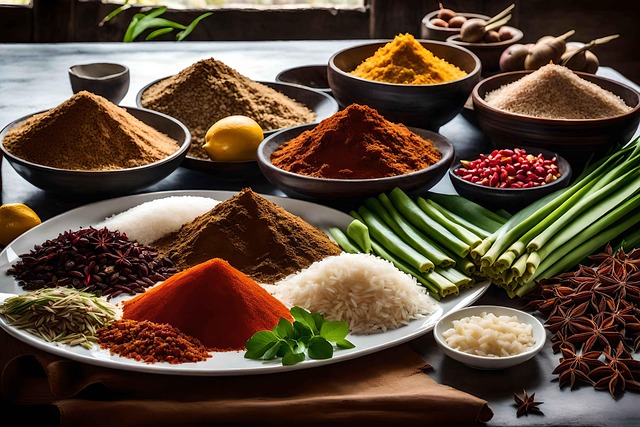
Based on the available evidence and clinical experience, a 30-day trial of turmeric can be a structured way to assess personal tolerance and any subtle subjective effects. The goal should be realistic observation, not a cure. The following framework provides a balanced, evidence-informed approach.
Designing Your Trial
For a systematic self-assessment, consistency is key. Consider these steps:
- Standardize Your Form: Choose one preparation—either a high-quality curcumin supplement with piperine (black pepper extract) for enhanced absorption or a consistent amount of culinary turmeric powder used daily in food. Do not switch between forms during the trial.
- Select a Sensible Dose: A common range in studies is 500–1,000 mg of curcumin extract or 1–3 teaspoons of turmeric powder daily. Starting at the lower end is prudent.
- Track Subjectively: Keep a simple log. Note baseline levels of minor stiffness or discomfort, then record brief notes every few days on perceived changes in joint comfort, digestive ease, or general well-being. Objective biomarkers like CRP require clinical testing.
Critical Considerations and Cautions
Turmeric and curcumin are not benign for all individuals. Strongly consider the following contraindications and interactions:
- Medication Interactions: Curcumin may slow blood clotting and interact with anticoagulants like warfarin. It may also affect the metabolism of certain medications processed by the liver.
- Pre-existing Conditions: Individuals with gallbladder disease, bile duct obstruction, or a history of kidney stones should avoid supplementation. Those with gastroesophageal reflux disease (GERD) may find it aggravates symptoms.
- Procedure Planning: Discontinue use at least two weeks before any scheduled surgery or dental procedure due to its potential antiplatelet effect.
Clinical Perspective: From a medical standpoint, a 30-day trial is primarily useful for evaluating tolerability, not for diagnosing or treating a condition. The anti-inflammatory effects observed in controlled trials are often modest and may not translate to noticeable subjective improvement for everyone. It is essential to view this as a dietary experiment, not a substitute for professional medical evaluation or prescribed treatment for inflammatory conditions.
In summary, a mindful 30-day trial can be conducted safely by most healthy individuals. The most reliable takeaway will be whether you tolerate the supplement or food additive well. Any perceived benefits should be considered preliminary and subjective. For individuals on medications or with chronic health conditions, a consultation with a physician or pharmacist before starting is a non-negotiable step for safety.
5. Safety Considerations and When to Consult a Healthcare Provider

While turmeric and its active compound, curcumin, are generally well-tolerated at culinary doses, concentrated supplementation for therapeutic purposes requires careful consideration. A responsible approach prioritizes safety and recognizes that natural does not automatically mean risk-free for everyone.
Key Safety Considerations
Common side effects at higher doses (typically above 1,000 mg of curcumin daily) can include mild gastrointestinal upset, such as nausea, diarrhea, or acid reflux. More importantly, curcumin has known biological activities that necessitate caution in specific populations:
- Blood Thinning: Curcumin exhibits antiplatelet activity. Individuals taking anticoagulant or antiplatelet medications (e.g., warfarin, clopidogrel, aspirin) should avoid high-dose supplementation due to an increased risk of bleeding.
- Gallbladder and Kidney Conditions: Curcumin may stimulate bile production. Those with bile duct obstruction, gallstones, or active biliary disease should avoid it. High oxalate content in some turmeric may also pose a risk for individuals prone to kidney stones.
- Iron Absorption: Some evidence suggests curcumin can chelate iron and may inhibit its absorption, which is a consideration for individuals with iron deficiency anemia.
- Drug Interactions: Beyond blood thinners, curcumin may interact with medications metabolized by specific liver enzymes (e.g., CYP450), potentially altering their effectiveness. This includes some chemotherapy drugs, antidepressants, and statins.
Clinical Insight: In practice, the most frequent safety issue we encounter is the interaction with anticoagulants. Patients are often unaware that a "natural anti-inflammatory" can potentiate the effects of their prescribed blood thinners. A thorough medication review is essential before starting any new supplement regimen.
When to Consult a Healthcare Provider
You should consult a physician or a qualified healthcare provider before beginning turmeric/curcumin supplementation if any of the following apply:
- You are currently taking any prescription medication, especially for blood thinning, diabetes, cancer, or acid reflux.
- You have a diagnosed medical condition, particularly related to bleeding disorders, the gallbladder, kidneys, or gastrointestinal system.
- You are pregnant, breastfeeding, or trying to conceive. The safety of high-dose curcumin in these contexts is not well-established.
- You are scheduled for surgery. Discontinuation is typically advised at least two weeks prior due to bleeding risk.
- You experience any adverse effects, such as severe stomach pain, unusual bruising, or bleeding.
It is crucial to view turmeric supplementation not as a standalone intervention but as a potential component of a broader health plan. A healthcare professional can help assess its appropriateness for your individual health profile, ensuring it complements rather than conflicts with your existing care.
6. Questions & Expert Insights
Can taking turmeric supplements for 30 days really reduce inflammation?
While a 30-day trial can provide personal observations, the scientific evidence for turmeric (specifically its active compound, curcumin) is nuanced. Systematic reviews and meta-analyses suggest curcumin supplementation can modestly reduce markers of systemic inflammation, such as C-reactive protein (CRP), particularly in individuals with conditions like metabolic syndrome or arthritis. However, the effects are often more pronounced in clinical populations with elevated baseline inflammation. For generally healthy individuals, changes in inflammatory markers over one month may be subtle and not clinically significant. The bioavailability of curcumin is poor, so many supplements include piperine (from black pepper) or are formulated as phospholipid complexes to enhance absorption, which is a critical factor in any potential effect. It's important to distinguish between subjective feelings of well-being and objective, measurable changes in inflammation.
What are the risks or side effects, and who should avoid turmeric supplements?
Turmeric is generally well-tolerated but is not risk-free. Common side effects at high doses (typically above 4-8 grams of curcumin daily) can include gastrointestinal upset, nausea, diarrhea, and headache. The primary safety concerns involve drug interactions and specific health conditions. Turmeric has mild antiplatelet and blood-thinning properties, posing a risk for those on anticoagulants like warfarin, clopidogrel, or aspirin. It may also interact with diabetes medications by potentiating hypoglycemic effects and can reduce the efficacy of stomach acid-reducing drugs like omeprazole. Individuals with gallbladder disease, bile duct obstruction, or a history of kidney stones should avoid supplementation as turmeric can stimulate bile production. Due to its potential estrogenic effects, those with hormone-sensitive cancers (e.g., breast, ovarian) should use caution and consult an oncologist.
When should I talk to my doctor about taking turmeric, and what should I bring to the appointment?
You should consult your doctor or a pharmacist before starting any new supplement, especially if you have a chronic health condition or take prescription medications. This is non-negotiable if you are on blood thinners, chemotherapy, diabetes drugs, or medications for acid reflux. Prepare for the conversation by bringing a list of all your current medications and supplements, including dosages. Have the specific turmeric product label available, noting the form (e.g., curcumin with piperine), dosage per serving, and any other ingredients. Clearly state your goal (e.g., "managing joint discomfort" or "general wellness") and be prepared to discuss any underlying diagnoses. This allows your provider to assess interaction risks and help you establish a safe monitoring plan, such as checking liver enzymes or INR levels if necessary.
How does dietary turmeric compare to supplements for inflammation?
Using turmeric as a culinary spice and consuming concentrated supplements are two distinct approaches with different risk-benefit profiles. Dietary turmeric, used in cooking, provides a very low dose of curcumin (typically 2-5% of the spice's weight) and is considered extremely safe, contributing to a pattern of eating rich in anti-inflammatory polyphenols. Its effects are cumulative and part of a broader dietary matrix. Supplements deliver a pharmacologically significant dose, often 50-100 times more curcumin than one would consume in food, which is necessary to see measurable effects in clinical trials. However, with that higher dose comes the increased potential for side effects and drug interactions mentioned above. For general wellness and mild symptoms, incorporating turmeric into food is a sensible and low-risk strategy. For targeting specific, significant inflammation, a standardized supplement may be considered under medical guidance, acknowledging it is a more potent intervention.
7. In-site article recommendations
8. External article recommendations
9. External resources
The links below point to reputable medical and evidence-based resources that can be used for further reading. Always interpret them in the context of your own situation and your clinician’s advice.
-
examine examine.comturmeric – Examine.com (search)
-
wikipedia wikipedia.orgturmeric – Wikipedia (search)
-
healthline healthline.comturmeric – Healthline (search)
These external resources are maintained by third-party organisations. Their content does not represent the editorial position of this site and is provided solely to support readers in accessing additional professional information.