
1. Introduction to Turmeric Water and Digestive Context

Turmeric, the vibrant yellow spice derived from the rhizome of Curcuma longa, has been a cornerstone of traditional medicinal systems like Ayurveda for centuries. Its primary bioactive compound, curcumin, is the focus of extensive modern research for its potential anti-inflammatory and antioxidant properties. "Turmeric water"—typically a simple infusion of turmeric powder or grated fresh root in warm water—has gained popularity as a daily wellness ritual, often touted for its benefits on digestive health.
Digestive wellness is a complex interplay of factors, including motility, enzyme activity, gut barrier integrity, and the gut microbiome. Symptoms like bloating, occasional discomfort, and irregularity are common, and many individuals seek dietary and lifestyle approaches for support. The theoretical rationale for turmeric's role in this context stems from curcumin's potential to modulate inflammatory pathways and oxidative stress, which are underlying factors in various gastrointestinal conditions.
It is crucial, however, to distinguish between the robust evidence for curcumin in controlled clinical settings and the more anecdotal, experiential reports surrounding daily turmeric water consumption. The scientific landscape shows:
- Stronger Evidence: High-dose, standardized curcumin extracts (often paired with piperine from black pepper to enhance absorption) have demonstrated efficacy in clinical trials for specific conditions like ulcerative colitis and irritable bowel syndrome (IBS), primarily for reducing symptom scores.
- Limited/Mixed Evidence: The effects of consuming a low-concentration turmeric infusion on general, non-pathological digestive comfort are less documented in rigorous human trials. Much of the support comes from mechanistic studies (in vitro or animal models) and traditional use.
Clinical Perspective: From a gastroenterology standpoint, a dietary spice like turmeric is generally considered low-risk for most people. However, its effects are not guaranteed and are likely subtle and highly individual. It is not a substitute for medical diagnosis or treatment for chronic digestive diseases. The "30-day trial" format explored in this article represents a personal n=1 experiment, not a clinical study, and its outcomes should be interpreted within that context.
Before considering any new dietary regimen, certain individuals should exercise caution or consult a healthcare provider. This includes people with:
- Gallbladder disease or bile duct obstruction, as turmeric may stimulate bile production.
- Kidney stones (particularly oxalate stones), as turmeric contains oxalates.
- Bleeding disorders or those on anticoagulant/antiplatelet medication (e.g., warfarin, aspirin), due to potential blood-thinning effects.
- Iron deficiency, as curcumin may chelate iron and potentially inhibit absorption.
- Upcoming surgical procedures.
This chapter sets the stage by outlining the scientific and traditional context of turmeric for digestion, establishing a foundation of realistic expectations for the personal experience detailed in the following sections.
2. Mechanisms and Evidence for Turmeric in Digestion
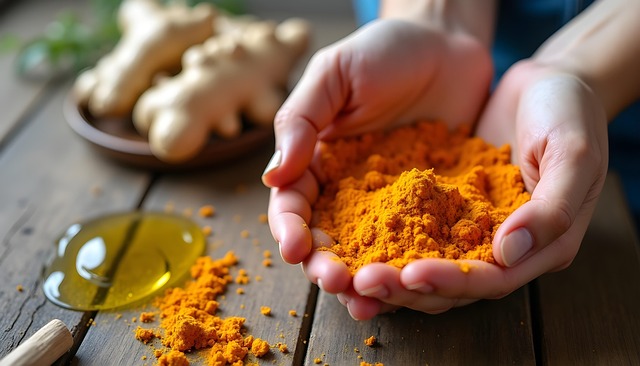
The primary mechanism by which turmeric is proposed to influence digestion centers on its most studied bioactive compound: curcumin. This polyphenol is recognized for its potent anti-inflammatory and antioxidant properties, which may address underlying drivers of certain digestive complaints.
Inflammation is a common pathway in conditions like functional dyspepsia (indigestion) and irritable bowel syndrome (IBS). Curcumin is thought to modulate several inflammatory pathways at the molecular level, including the suppression of NF-κB, a key protein complex that triggers the production of pro-inflammatory cytokines. By potentially reducing low-grade inflammation in the gut lining, turmeric may alleviate symptoms like bloating and discomfort.
Furthermore, curcumin may stimulate bile production in the gallbladder. Bile is essential for the emulsification and digestion of dietary fats. Enhanced bile flow could theoretically improve fat digestion and reduce feelings of heaviness after meals.
Evaluating the Evidence
The scientific evidence is promising but mixed, with strength varying by condition:
- Stronger Support for Dyspepsia: Several randomized controlled trials have shown that standardized curcumin extracts can significantly reduce symptoms of functional dyspepsia, such as abdominal pain and fullness, compared to placebo. The effects appear comparable to some conventional therapies.
- Preliminary/Mixed for IBS: Studies on IBS show more variable results. Some demonstrate reductions in abdominal pain and improved quality of life, while others find minimal effect. The heterogeneity of IBS itself makes blanket conclusions difficult.
- General Digestive Comfort: Evidence for turmeric improving "general digestion" in otherwise healthy individuals is largely anecdotal or derived from small, short-term studies. The placebo effect in self-reported digestive well-being can be significant.
Clinical Perspective: From a mechanistic standpoint, turmeric's action is pharmacologically plausible. However, a major caveat is the poor bioavailability of plain curcumin. Most clinical trials use enhanced formulations with piperine (from black pepper) or lipids to boost absorption. The amount of curcumin that actually reaches systemic circulation from simple turmeric water is likely very low, which may explain why personal experiences vary widely.
It is crucial to note that turmeric and curcumin supplements are not without risk. They may act as mild blood thinners and can interact with medications like anticoagulants (e.g., warfarin) and diabetes drugs. Individuals with gallbladder disease, bile duct obstruction, or those scheduled for surgery should avoid therapeutic doses. As with any dietary intervention, consulting a physician before starting, especially for those with pre-existing conditions or on medication, is a necessary precaution.
3. Risks and Populations to Avoid Turmeric Water

While turmeric water is often promoted for its potential benefits, it is not a universally safe intervention. Its active compound, curcumin, and the spice itself can interact with biological processes and medications in ways that necessitate caution. A responsible approach requires understanding these risks and identifying populations for whom consumption may be inadvisable.
Primary Medical Concerns and Interactions
The most significant risks are related to drug interactions and pre-existing conditions:
- Blood Thinners (Anticoagulants/Antiplatelets): Turmeric has mild antiplatelet properties. Concurrent use with drugs like warfarin, clopidogrel, or aspirin may increase the risk of bleeding and bruising. This interaction is supported by pharmacological data and case reports, making it a high-priority concern.
- Gallbladder and Kidney Issues: Turmeric can stimulate bile production. Individuals with bile duct obstruction, gallstones, or a history of gallbladder disease may experience pain or complications. Furthermore, turmeric is high in oxalates, which can contribute to kidney stone formation in susceptible individuals.
- Gastrointestinal Discomfort: In higher doses, turmeric can cause or exacerbate acid reflux, stomach upset, nausea, or diarrhea, particularly in individuals with sensitive digestion or conditions like GERD.
Clinical Insight: From a pharmacological perspective, the interaction with blood thinners is the most concrete and dangerous risk. Patients on these medications should not consume medicinal doses of turmeric without explicit guidance from their cardiologist or hematologist. The evidence for other interactions is more preliminary but biologically plausible, warranting a precautionary approach.
Populations Who Should Exercise Extreme Caution or Avoid
Based on the known pharmacology and clinical reports, the following groups should avoid daily turmeric water or consult a physician first:
- Individuals scheduled for surgery: Discontinue use at least two weeks prior to any surgical procedure to reduce bleeding risk.
- Pregnant and breastfeeding women: While culinary amounts are likely safe, concentrated daily intake is not recommended due to limited safety data and turmeric's potential to stimulate the uterus.
- People with iron deficiency or anemia: Some evidence suggests curcumin may chelate iron and inhibit its absorption, potentially worsening deficiency.
- Those on diabetes medications: Turmeric may enhance the effect of these drugs, raising the risk of hypoglycemia (low blood sugar).
- Individuals with hormone-sensitive conditions (e.g., certain cancers, endometriosis): Curcumin may have weak estrogenic effects, though the clinical significance is unclear.
In summary, turmeric water is not a benign health tonic. Its use should be preceded by a careful review of one's medical history and current medications. For anyone in the high-risk categories listed, a discussion with a healthcare provider is an essential step before beginning any regular regimen.
4. Practical Takeaways for Safe Integration

Based on the available evidence and clinical experience, integrating turmeric water into a routine can be approached systematically. The goal is to assess tolerance and potential benefits while minimizing risks.
Establishing a Baseline and Starting Dose
Begin with a low dose to assess individual tolerance. A common starting point is ½ to 1 teaspoon of high-quality turmeric powder (approximately 2-4 grams) stirred into a large glass of warm water. Consume this once daily, preferably with a meal containing a source of healthy fat (e.g., a handful of nuts, avocado, or olive oil) to enhance the absorption of curcumin, turmeric's primary bioactive compound.
- Timing: Morning or with your largest meal is often best tolerated.
- Consistency: Maintain this routine for at least 1-2 weeks before considering any increase.
- Observation: Keep a simple log of digestive symptoms, energy levels, and any other notable changes.
Monitoring and Adjusting
Pay close attention to your body's signals. Some individuals report mild initial bloating or changes in bowel habits as the system adapts. If these subside, you may continue. If discomfort persists, reduce the dose or frequency. Evidence for digestive benefits, while promising in some studies, is not uniformly strong and is highly individual.
Clinical Insight: The anti-inflammatory properties of curcumin are well-documented in laboratory and some clinical settings, but real-world effects on chronic digestive conditions like IBS or IBD are less certain and should not replace standard medical therapy. Think of turmeric water as a potential dietary adjunct, not a treatment.
Important Precautions and Contraindications
Turmeric is generally recognized as safe as a food spice, but concentrated, daily consumption in water form warrants caution for specific groups.
- Medication Interactions: Turmeric may have antiplatelet effects and could interact with blood thinners (e.g., warfarin, clopidogrel). It may also affect drugs metabolized by certain liver enzymes. Consult a physician if you are on any regular medication.
- Gallbladder & Kidney Issues: Those with gallstones, bile duct obstruction, or a history of kidney stones should avoid high-dose turmeric without medical supervision, as it can stimulate bile production and contains oxalates.
- Pre- and Post-Surgery: Discontinue use at least two weeks before any scheduled surgery due to potential bleeding risks.
- Iron Deficiency: Very high intake may theoretically impair iron absorption; those with anemia should be mindful.
The most practical takeaway is to proceed with informed caution. Start low, go slow, monitor closely, and prioritize consultation with a healthcare provider—especially if you have underlying health conditions or are taking medications—to ensure this practice aligns safely with your overall health plan.
5. Safety Monitoring and When to Consult a Physician

While turmeric water is generally considered safe for most people in culinary amounts, a dedicated 30-day regimen involves a higher, more consistent intake of curcuminoids. This necessitates proactive safety monitoring and an understanding of when professional medical consultation is essential.
Key Parameters for Self-Monitoring
During your trial, pay close attention to subtle changes in your body. Documenting these observations can provide valuable insights for you and your healthcare provider.
- Gastrointestinal Response: Note any significant changes in bowel habits, such as new-onset diarrhea, constipation, or abdominal discomfort. While mild digestive adjustment is possible, persistent issues warrant attention.
- Allergic or Sensitivity Reactions: Be alert for signs like skin rash, itching, or hives, which, though uncommon, can indicate a sensitivity to turmeric.
- Medication Interactions: Turmeric, particularly in concentrated forms, may have anticoagulant (blood-thinning) effects. Monitor for unusual bruising, bleeding gums, or prolonged bleeding from minor cuts.
Clinical Insight: The primary pharmacological concern with turmeric supplementation is its potential to potentiate the effects of anticoagulant and antiplatelet medications (e.g., warfarin, clopidogrel, aspirin). This interaction is supported by mechanistic data and case reports, though large-scale clinical trial evidence is limited. It underscores the necessity of physician consultation for individuals on such therapies.
Who Should Consult a Physician Before Starting?
Certain individuals should seek medical advice before initiating a daily turmeric water protocol. This is a precautionary measure to prevent adverse events.
- Individuals on Chronic Medications: Especially those for diabetes (risk of hypoglycemia), hypertension, acid-reflux (turmeric may exacerbate symptoms), or any blood-thinning therapy.
- People with Specific Medical Conditions: Those with gallbladder disease, bile duct obstruction, gastroesophageal reflux disease (GERD), or a history of kidney stones (due to turmeric's oxalate content).
- Pre- and Post-Operative Patients: Due to its potential anticoagulant effect, discontinuation is typically advised at least two weeks before any scheduled surgery.
- Pregnant or Breastfeeding Individuals: While culinary use is safe, the safety of higher, supplemental doses during pregnancy and lactation is not well-established.
In summary, treating a turmeric water regimen as an intentional dietary intervention requires a responsible approach. Monitoring your body's signals and proactively consulting a healthcare professional if you fall into a higher-risk category are fundamental steps to ensuring the experience is both informative and safe.
6. Questions & Expert Insights
Is drinking turmeric water every day actually proven to improve digestion?
While promising, the evidence is not definitive. The primary active compound in turmeric, curcumin, has demonstrated anti-inflammatory and antioxidant properties in laboratory and animal studies, which theoretically could benefit conditions like indigestion or irritable bowel syndrome (IBS). A few small human studies, such as a 2019 trial in Journal of Neurogastroenterology and Motility, found curcumin supplementation improved symptoms in some IBS patients. However, the evidence for daily turmeric *water* specifically is largely anecdotal. The concentration of curcumin in a simple infusion is low, and its bioavailability is poor without the addition of black pepper (piperine) or fat. The digestive changes reported in personal anecdotes may be due to increased hydration, a placebo effect, or other lifestyle factors. More robust, large-scale clinical trials are needed to confirm a direct cause-and-effect relationship for this specific practice.
What are the potential risks or side effects, and who should avoid this?
Turmeric is generally safe in culinary amounts but daily concentrated intake carries risks. High doses or long-term use may cause gastrointestinal upset, including nausea, diarrhea, or acid reflux. Crucially, turmeric has anticoagulant properties and can interact with blood thinners like warfarin, increasing bleeding risk. It may also interfere with medications for diabetes and high blood pressure by potentiating their effects. Individuals with the following conditions should exercise extreme caution or avoid it: gallbladder disease (it can stimulate bile production), kidney stones (high oxalate content), iron deficiency (it can inhibit iron absorption), and pregnancy (safety is not established). Anyone scheduled for surgery should discontinue use at least two weeks prior due to bleeding concerns.
If I want to try this, when should I talk to my doctor first?
Consult a healthcare provider before starting if you have any diagnosed medical condition, are taking any prescription or over-the-counter medications (especially blood thinners, diabetes drugs, or acid reducers), or are pregnant/breastfeeding. Bring a clear list of all your medications and supplements to the appointment. Be prepared to discuss your specific digestive symptoms, their duration, and any previous diagnoses. Ask your doctor: "Given my health history and current medications, is trying turmeric water a safe option for me? Are there any specific interactions or side effects I should monitor for?" This conversation ensures the approach is integrated safely into your overall care and does not delay or contradict necessary medical treatment for an underlying condition.
How does turmeric water compare to taking a curcumin supplement?
They are fundamentally different in potency and purpose. Turmeric water is a mild, whole-food infusion containing a broad spectrum of compounds from the root, but with very low levels of bioactive curcumin. It is a dietary habit, not a targeted therapeutic intervention. Standardized curcumin supplements are designed for bioavailability, often including piperine or lipids to enhance absorption, and deliver a consistent, concentrated dose used in clinical research. For general wellness or mild digestive comfort, turmeric water may suffice. For attempting to address specific inflammatory issues studied in trials (e.g., osteoarthritis, ulcerative colitis), a high-quality, bioavailable supplement at a studied dose would be the evidence-based choice. However, supplements carry a higher risk of side effects and drug interactions, making medical consultation even more critical.
7. In-site article recommendations
8. External article recommendations
9. External resources
The links below point to reputable medical and evidence-based resources that can be used for further reading. Always interpret them in the context of your own situation and your clinician’s advice.
-
mayoclinic mayoclinic.orgturmeric water – Mayo Clinic (search)
-
wikipedia wikipedia.orgturmeric water – Wikipedia (search)
-
healthline healthline.comturmeric water – Healthline (search)
These external resources are maintained by third-party organisations. Their content does not represent the editorial position of this site and is provided solely to support readers in accessing additional professional information.