
1. Introduction to Zone Training: Clinical Context and Personal Experience
Zone training is a structured approach to exercise that prescribes specific intensity ranges, or "zones," based on a percentage of an individual's maximum heart rate. The primary goal is to target distinct physiological adaptations by varying workout intensity. This methodology is rooted in exercise physiology and is commonly used to improve cardiovascular fitness, metabolic efficiency, and athletic performance.
From a clinical perspective, the evidence supporting the benefits of heart rate-based training for general cardiometabolic health is robust. Regular aerobic exercise within prescribed intensity zones is strongly associated with:
- Improved insulin sensitivity and glucose metabolism.
- Enhanced lipid profiles (e.g., increased HDL cholesterol, decreased triglycerides).
- Reductions in blood pressure and systemic inflammation.
- Increased mitochondrial density and oxidative capacity.
However, the specific superiority of one zone-based protocol over another—such as Zone 2's emphasis on "fat-burning" versus high-intensity interval training (HIIT)—remains an area of active research with mixed findings. Claims about "metabolic flexibility" and precise fuel partitioning are often extrapolated from controlled laboratory studies and may not translate uniformly in free-living conditions.
Expert Insight: Clinicians view zone training as a valuable framework for individualizing exercise prescription. The key is not dogmatic adherence to specific percentages but using the zones as guides to ensure training variety—balancing lower-intensity, longer-duration sessions for aerobic base building with higher-intensity intervals for peak cardiovascular capacity. The most effective program is one that is sustainable and tailored to an individual's current fitness, goals, and health status.
This 30-day documentation represents a personal exploration within this clinical context. It is a n=1 case study designed to observe practical changes in perceived exertion, recovery, and basic metabolic markers (e.g., resting heart rate, subjective energy levels) while following a structured zone-based regimen. It is not a controlled scientific experiment, and results will be interpreted with appropriate caution.
Important Considerations: Individuals with known cardiovascular disease, uncontrolled hypertension, diabetes, or other chronic metabolic conditions should consult a physician or qualified exercise physiologist before beginning any new training program. Proper determination of one's maximum heart rate—often best achieved through a supervised stress test—is crucial for setting accurate zones and ensuring safety.
2. Evidence on Metabolic Mechanisms in Zone Training
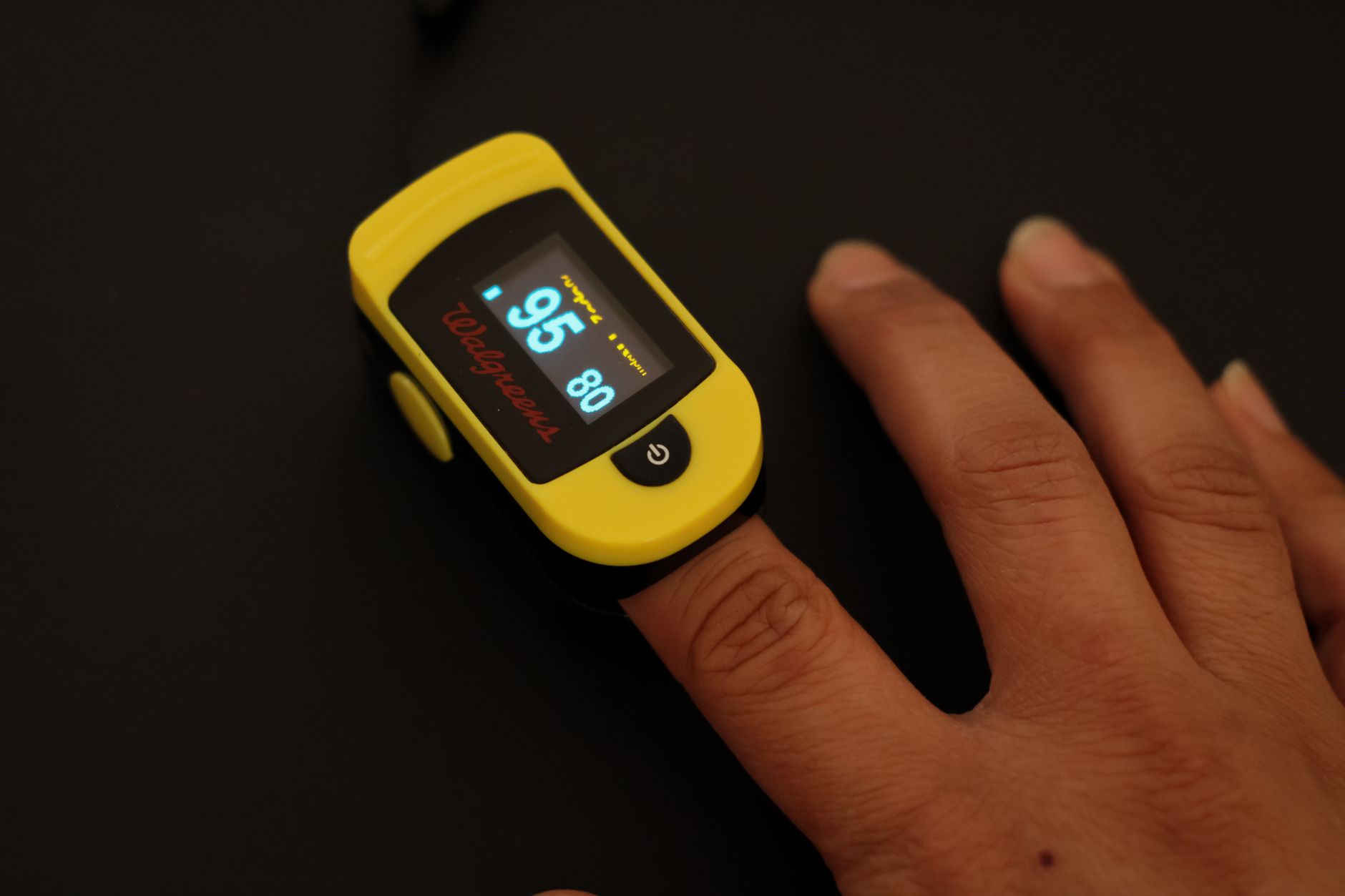
The purported metabolic benefits of zone training, which typically involves exercising at 60-70% of maximum heart rate, are rooted in its proposed effect on substrate utilization. The central hypothesis is that this moderate-intensity "zone" optimizes the body's reliance on fat as a primary fuel source, potentially enhancing metabolic flexibility—the ability to efficiently switch between burning carbohydrates and fats.
Strong Evidence for Acute Metabolic Shifts
Physiological research robustly supports that training in this heart rate range induces specific, acute metabolic changes:
- Increased Fat Oxidation: At this intensity, the body can meet a significant portion of its energy demands through lipolysis (fat breakdown). This is well-documented in exercise physiology studies using indirect calorimetry.
- Preserved Glycogen: By relying more on fat, muscle glycogen stores are spared. This can be beneficial for endurance and may support longer training sessions.
- Moderate Lactate Production: Intensity is high enough to produce lactate but low enough for the body to clear and utilize it as fuel, avoiding the rapid accumulation seen in higher zones.
Evidence Gaps and Nuances for Long-Term Adaptation
While the acute mechanisms are clear, the translation to long-term, resting metabolic improvements is less definitive. Claims that zone training uniquely "boosts" metabolism or leads to superior fat loss compared to other protocols often overreach the available evidence.
- EPOC (Excess Post-Exercise Oxygen Consumption): The metabolic "afterburn" from zone training is generally modest and of shorter duration compared to high-intensity interval training (HIIT).
- Comparative Efficacy: Systematic reviews indicate that for improving metabolic health markers like insulin sensitivity, both zone training and HIIT are effective, with HIIT sometimes showing greater efficiency per time invested.
- Individual Variability: The optimal zone for maximal fat oxidation is highly individual, influenced by fitness level, diet, and genetics. A one-size-fits-all percentage may not be optimal for everyone.
Clinical Perspective: From a metabolic health standpoint, the greatest value of consistent zone training may be in improving mitochondrial density and efficiency in skeletal muscle, a adaptation supported by solid evidence. This enhances the muscle's capacity for fat oxidation not just during exercise, but potentially at rest. However, it is one tool among many; a comprehensive approach including strength training is often superior for long-term metabolic rate support.
Who Should Exercise Caution: Individuals with cardiovascular conditions, uncontrolled hypertension, or metabolic disorders (e.g., diabetes) should consult a physician to establish safe heart rate limits before beginning any structured training program. The perceived ease of zone training can lead to overexertion if heart rate zones are incorrectly calculated.
3. Risks and Populations to Avoid Zone Training
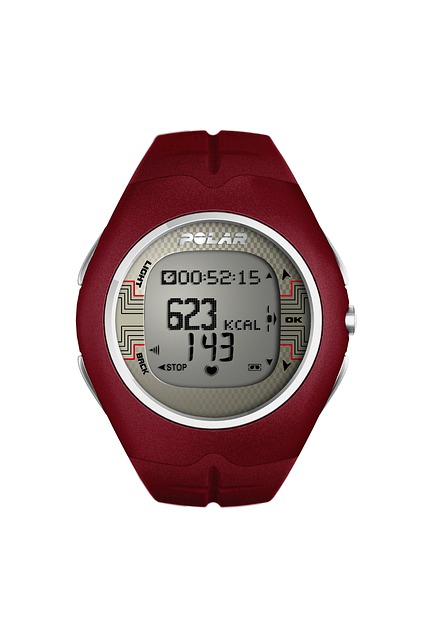
While zone training can be a highly effective method for improving cardiovascular fitness and metabolic health, it is not a universally appropriate protocol. Its structured intensity demands a certain baseline of health and fitness, and it carries inherent risks if applied incorrectly or to unsuitable individuals. A responsible approach requires acknowledging these risks and identifying populations for whom caution or avoidance is strongly advised.
Primary Risks of Zone Training
The principal risk stems from the high-intensity intervals (typically Zone 4 and Zone 5), which place significant stress on the cardiovascular and musculoskeletal systems.
- Cardiovascular Strain: Pushing into high heart rate zones can precipitate adverse events in individuals with undiagnosed or unstable heart conditions, such as coronary artery disease, arrhythmias, or cardiomyopathy.
- Orthopedic Injury: The combination of fatigue and high effort increases the risk of acute injuries (e.g., muscle strains) or overuse injuries (e.g., tendonitis, stress fractures), particularly if form deteriorates.
- Overtraining and Burnout: Adhering too rigidly to zone targets without adequate recovery can lead to non-functional overreaching, hormonal dysregulation, immune suppression, and mental fatigue.
Populations Requiring Medical Consultation or Avoidance
Certain individuals should seek explicit medical clearance from a physician or relevant specialist before attempting zone-based training protocols.
- Individuals with Known Cardiovascular Disease: This includes those with a history of heart attack, stroke, heart failure, uncontrolled hypertension, or pulmonary hypertension. Exercise stress testing may be recommended first.
- Those with Musculoskeletal Limitations: People with active joint issues (e.g., severe osteoarthritis), recent surgery, or chronic pain conditions may find high-impact zone training exacerbates their problems.
- Pregnant Individuals: While moderate exercise is generally encouraged, high-intensity interval training (HIIT) protocols require specific obstetric guidance, especially in the second and third trimesters.
- Sedentary or Deconditioned Individuals: Jumping directly into zone training without establishing a base of moderate-intensity aerobic fitness significantly increases injury risk. A prolonged build-up phase is essential.
Clinical Perspective: From a safety standpoint, the most critical step is an honest pre-participation screening. A "talk test" can be a useful practical tool—if you cannot speak a short sentence during a high-intensity interval, you are likely in Zone 5 or above, which is inappropriate for beginners or those with health concerns. The evidence strongly supports the benefits of graded exposure; starting with Zone 2 steady-state cardio for several weeks builds the physiological and musculoskeletal resilience needed to safely tolerate higher zones later.
In summary, zone training is a powerful tool but not without its hazards. The populations listed above should prioritize consultation with a healthcare provider. For all individuals, listening to the body, emphasizing recovery, and avoiding the dogma of hitting specific zones at all costs are fundamental to sustainable and safe practice.
4. Practical Evidence-Based Takeaways from Zone Training
Zone training, which involves structuring workouts to target specific heart rate zones, is a well-established method for improving cardiovascular fitness. The documented metabolic changes from a consistent 30-day application align with broader exercise physiology principles. The key is understanding which outcomes are strongly supported by evidence and which require more nuanced interpretation.
Strongly Supported Benefits
High-quality research consistently shows that regular zone-based training, particularly when it includes time in higher-intensity zones (e.g., Zones 4 and 5), leads to measurable improvements. These are not speculative but expected physiological adaptations:
- Improved VO2 Max: This is one of the most reliable outcomes. Training at or near your lactate threshold stimulates cardiovascular and muscular adaptations that enhance your body's oxygen utilization capacity.
- Enhanced Metabolic Flexibility: By alternating between lower-intensity, fat-utilizing zones and higher-intensity, carbohydrate-dependent zones, you train your body to switch more efficiently between fuel sources.
- Increased Caloric Expenditure: Higher-intensity intervals create a significant excess post-exercise oxygen consumption (EPOC), leading to a prolonged elevation in metabolic rate after the workout ends.
Areas with More Nuanced Evidence
Some purported benefits of zone training are based on preliminary or mixed data and should be viewed with appropriate caution.
- Precise Fat Loss Superiority: While zone training can be an effective component of a weight management plan, claims that "Zone 2" is uniquely optimal for fat loss are often overstated. Total energy deficit remains the primary driver of fat loss, and higher-intensity work contributes significantly to this deficit.
- Long-Term Metabolic Rate Changes: The evidence for a permanent, resting metabolic rate increase from zone training alone is limited. The most significant metabolic boosts are acute (EPOC) or related to increased muscle mass from complementary resistance training.
Clinical Perspective: From a programming standpoint, the greatest value of zone training is its structure and objectivity. It provides a framework to ensure training intensity is varied and progressive, which is fundamental for avoiding plateaus and overtraining. The heart rate data offers tangible feedback, moving beyond subjective feelings of exertion.
Practical Implementation and Cautions
To integrate these takeaways safely and effectively:
- Use a validated method (e.g., a graded exercise test, talk test, or recent race performance) to establish your personal heart rate zones rather than relying on generic age-based formulas.
- Structure your weekly plan to include sessions across different zones (e.g., endurance in Zone 2, tempo in Zone 3, intervals in Zones 4/5) for comprehensive adaptation.
- Prioritize consistency and gradual progression over aggressive intensity jumps to minimize injury risk.
Who should exercise caution: Individuals with known or suspected cardiovascular disease, uncontrolled hypertension, or who are new to exercise should consult a physician before beginning any heart rate-based training program. Those with a history of overtraining or relative energy deficiency in sport (RED-S) should be mindful that high-intensity work requires adequate fueling and recovery.
5. Safety Considerations and When to Seek Medical Advice
While zone training is a structured and generally safe approach to exercise, it is not without inherent risks, particularly when self-directed or performed at high intensities. A foundational safety principle is the importance of proper warm-up and cool-down periods to prepare the cardiovascular and musculoskeletal systems for exertion and to aid recovery. Ignoring this can increase the risk of acute injuries such as muscle strains or more serious cardiac events in susceptible individuals.
Certain populations should exercise particular caution and consult a physician or a qualified exercise physiologist before beginning a zone training protocol:
- Individuals with known or suspected cardiovascular disease, including hypertension, coronary artery disease, or arrhythmias. The sustained elevated heart rate in higher zones can pose a significant stressor.
- Those with orthopedic limitations, recent injuries, or chronic joint conditions (e.g., severe osteoarthritis). The repetitive impact of certain cardio modalities may exacerbate these issues.
- People with metabolic disorders such as diabetes, especially if insulin-dependent, as exercise can dramatically affect blood glucose levels. Careful monitoring and protocol adjustment are essential.
- Pregnant individuals, who should seek guidance from an obstetrician to establish safe heart rate zones and exercise modalities.
- Anyone taking medications that affect heart rate (e.g., beta-blockers). These can blunt the heart rate response, making zone calculations based on age-predicted formulas inaccurate and potentially leading to overexertion.
Clinical Insight: The "talk test" remains a simple, evidence-based adjunct to heart rate monitoring. You should be able to speak in short sentences during Zone 2-3 efforts. Being completely breathless (Zone 4-5) is appropriate only for short, planned intervals with full recovery. Persistent dizziness, chest pain, palpitations, or extreme shortness of breath are clear indicators to stop exercising immediately and seek medical evaluation.
It is also crucial to distinguish between the discomfort of muscular fatigue and the pain of injury. "Pushing through" sharp, localized, or joint-related pain is contraindicated and can lead to longer-term damage. Furthermore, while the 30-day timeframe of an experiment can show initial physiological adaptations, it is insufficient to assess long-term sustainability or overuse injury risk. The principle of progressive overload must be applied judiciously; increasing duration or intensity too rapidly is a common pathway to overtraining syndrome, characterized by fatigue, performance decline, and immune dysfunction.
In summary, zone training is a powerful tool, but its application must be individualized. The strongest evidence supports its safety and efficacy when prescribed appropriately. The evidence is more limited regarding its universal applicability without professional guidance. If you fall into one of the cautionary groups above, or if you have any doubts about your health status, seeking medical advice is not a precaution—it is a necessary first step.
6. Questions & Expert Insights
What are the documented metabolic changes from zone training, and how strong is the evidence?
Zone training, which involves exercising within specific heart rate zones (often 60-80% of maximum), aims to improve metabolic efficiency. The primary documented changes from consistent practice include improved mitochondrial density (enhancing the body's ability to use fat for fuel), increased stroke volume of the heart, and better glycemic control through improved insulin sensitivity. These adaptations are well-supported by exercise physiology research for moderate-intensity steady-state cardio. However, the claim of a unique "metabolic advantage" from zone training over other structured exercise regimens is less clear. Many studies showing benefits compare zone training to inactivity, not to other forms of training like high-intensity interval training (HIIT). The 30-day timeframe in the title is a short duration for observing significant, measurable metabolic shifts like VO2 max changes, which typically require 8-12 weeks of consistent training. Initial improvements are often related to neuromuscular efficiency and cardiovascular function.
Who should be cautious or avoid zone training, and what are potential side effects?
While generally safe for most, zone training is not without risks and requires caution for specific populations. Individuals with uncontrolled cardiovascular conditions (e.g., hypertension, arrhythmia, coronary artery disease), recent musculoskeletal injuries, or untreated metabolic disorders should seek medical clearance. The repetitive nature of sustained cardio can lead to overuse injuries like stress fractures or tendonitis if volume is increased too rapidly. A common side effect for beginners is excessive fatigue or burnout from not incorporating adequate rest, as staying in a "zone" can be misinterpreted as needing to train hard daily. Those with a history of eating disorders should be aware that an intense focus on metrics like heart rate and calorie burn can sometimes exacerbate unhealthy fixations. It is crucial to listen to your body; dizziness, chest pain, or unusual shortness of breath are signals to stop immediately and consult a physician.
When should I talk to a doctor before starting zone training, and what should I discuss?
Consult a physician or a sports medicine specialist if you are new to exercise, are over 45, have any pre-existing medical conditions (especially cardiac, pulmonary, renal, or diabetic), or are taking medications that affect heart rate or blood pressure (e.g., beta-blockers). Before your appointment, prepare to discuss your specific zone training plan, including target heart rate ranges and planned session duration/frequency. Bring a list of your medications and be ready to describe any symptoms you experience during daily activities (like shortness of breath or chest discomfort). This conversation should aim to establish safe exercise parameters for you. Your doctor may recommend a graded exercise test (stress test) to determine your actual maximum heart rate and identify any underlying ischemia, which is far more accurate than using age-predicted formulas, especially for those on medications or with health concerns.
Can zone training alone lead to significant weight loss, or is it overhyped?
Zone training can be an effective component of a weight management strategy, but it is often overhyped as a standalone solution. It creates a calorie deficit and improves metabolic health, which supports weight loss. However, the "fat-burning zone" concept is frequently misunderstood. While a higher percentage of calories burned in this zone come from fat, the total calorie expenditure is often lower than during higher-intensity workouts. Therefore, the overall fat loss impact may be similar or less over time. Sustainable weight loss is overwhelmingly determined by nutrition. Relying solely on exercise without dietary modifications typically yields modest results. Furthermore, the body adapts, so the same zone workout will burn fewer calories over weeks unless intensity or duration is progressively increased. Evidence confirms that combining zone training with strength training and dietary changes yields superior and more sustainable outcomes than any single modality alone.
7. In-site article recommendations
8. External article recommendations
9. External resources
The links below point to reputable medical and evidence-based resources that can be used for further reading. Always interpret them in the context of your own situation and your clinician’s advice.
-
wikipedia wikipedia.orgzone training – Wikipedia (search)
-
healthline healthline.comzone training – Healthline (search)
-
examine examine.comzone training – Examine.com (search)
These external resources are maintained by third-party organisations. Their content does not represent the editorial position of this site and is provided solely to support readers in accessing additional professional information.