
1. Introduction to Berberine and Appetite Control

Berberine is a bioactive alkaloid compound extracted from the roots, rhizomes, and stem bark of several plants, including Berberis vulgaris (barberry), Coptis chinensis (goldthread), and Hydrastis canadensis (goldenseal). For centuries, it has been a cornerstone of traditional Chinese and Ayurvedic medicine, primarily used for its antimicrobial and gastrointestinal properties. In contemporary clinical research, berberine has gained significant attention for its metabolic effects, particularly its potential to influence blood sugar regulation, lipid profiles, and body weight.
The connection between berberine and appetite control is an area of active scientific investigation. Unlike traditional appetite suppressants that often target the central nervous system, berberine's proposed mechanisms are more systemic and metabolic. The primary pathways through which it may influence satiety and food intake include:
- AMPK Activation: Berberine is a well-documented activator of AMP-activated protein kinase (AMPK), an enzyme often called the body's "metabolic master switch." Activated AMPK can enhance cellular energy utilization and may influence hormones related to hunger and energy balance.
- Gut Hormone Modulation: Preliminary research suggests berberine may alter the secretion of gut-derived peptides like glucagon-like peptide-1 (GLP-1), which promotes feelings of fullness and slows gastric emptying.
- Microbiome Interaction: Emerging evidence indicates berberine can modify the composition of the gut microbiota. Since gut bacteria play a role in nutrient extraction and signaling related to satiety, this represents an indirect pathway for appetite regulation.
It is crucial to distinguish between the strength of evidence for these different mechanisms. The activation of AMPK and improvements in insulin sensitivity are supported by a robust body of preclinical and clinical data. However, the direct evidence for berberine's effect on human appetite hormones and subjective hunger scores is more limited and often derived from smaller, shorter-term studies.
Clinical Perspective: From a clinical standpoint, berberine is not a direct appetite suppressant in the pharmacological sense. Any observed reduction in appetite or weight is likely a secondary effect of its broader metabolic actions, such as improving insulin sensitivity, which can help stabilize blood sugar and reduce cravings. It should not be viewed as a standalone "magic bullet" for weight loss.
Individuals considering berberine for any purpose, including appetite modulation, should exercise caution. Its use is not advisable for pregnant or breastfeeding women, young children, or individuals with significant liver disease. Berberine can interact with numerous medications metabolized by the liver (via the CYP450 enzyme system), including certain statins, blood thinners, and cyclosporine. Therefore, consultation with a physician or a qualified healthcare provider is essential before starting supplementation, especially for those on prescription medications or with pre-existing health conditions.
2. Evidence and Mechanisms of Action

The proposed appetite-suppressing effects of berberine are not attributed to a single mechanism but rather to its multi-target influence on metabolic and hormonal pathways. The evidence for these mechanisms varies in strength, with the most robust data coming from animal and in vitro studies, supported by a growing number of human clinical trials.
Key mechanisms under investigation include:
- AMPK Activation: Berberine is a well-established activator of AMP-activated protein kinase (AMPK), often described as a cellular energy sensor. Activation of AMPK in tissues like the liver and muscle can improve insulin sensitivity and glucose uptake, potentially stabilizing blood sugar levels and reducing cravings driven by glycemic fluctuations.
- Modulation of Gut Hormones: Preliminary research suggests berberine may influence the secretion of appetite-regulating hormones such as glucagon-like peptide-1 (GLP-1) and peptide YY (PYY). Increased levels of these hormones are associated with enhanced satiety and reduced food intake.
- Impact on Gut Microbiota: Evidence indicates berberine can alter the composition of the gut microbiome. It may promote beneficial bacteria that produce short-chain fatty acids, which are linked to improved metabolic health and appetite regulation.
Clinical evidence for direct appetite suppression in humans is more limited and mixed. Several randomized controlled trials in individuals with metabolic syndrome or type 2 diabetes have reported modest weight loss and reduced waist circumference with berberine supplementation. However, these studies often attribute weight changes primarily to improved metabolic parameters rather than quantifying a direct reduction in hunger or caloric intake.
Clinical Perspective: While the mechanistic science is compelling, it's crucial to distinguish cellular pathways from proven clinical outcomes. In practice, berberine's effect on appetite is likely indirect and highly variable between individuals. It is not a direct neurotransmitter blocker or a potent hunger suppressant like some pharmaceutical agents. Its value may lie in addressing underlying metabolic dysregulation that contributes to dysregulated eating patterns.
Individuals with liver conditions, those taking medications metabolized by the CYP450 enzyme system (including many statins, blood thinners, and antidepressants), and pregnant or breastfeeding women should exercise caution and consult a physician before using berberine, due to its potential for drug interactions and limited safety data in these populations.
3. Risks and Contraindications
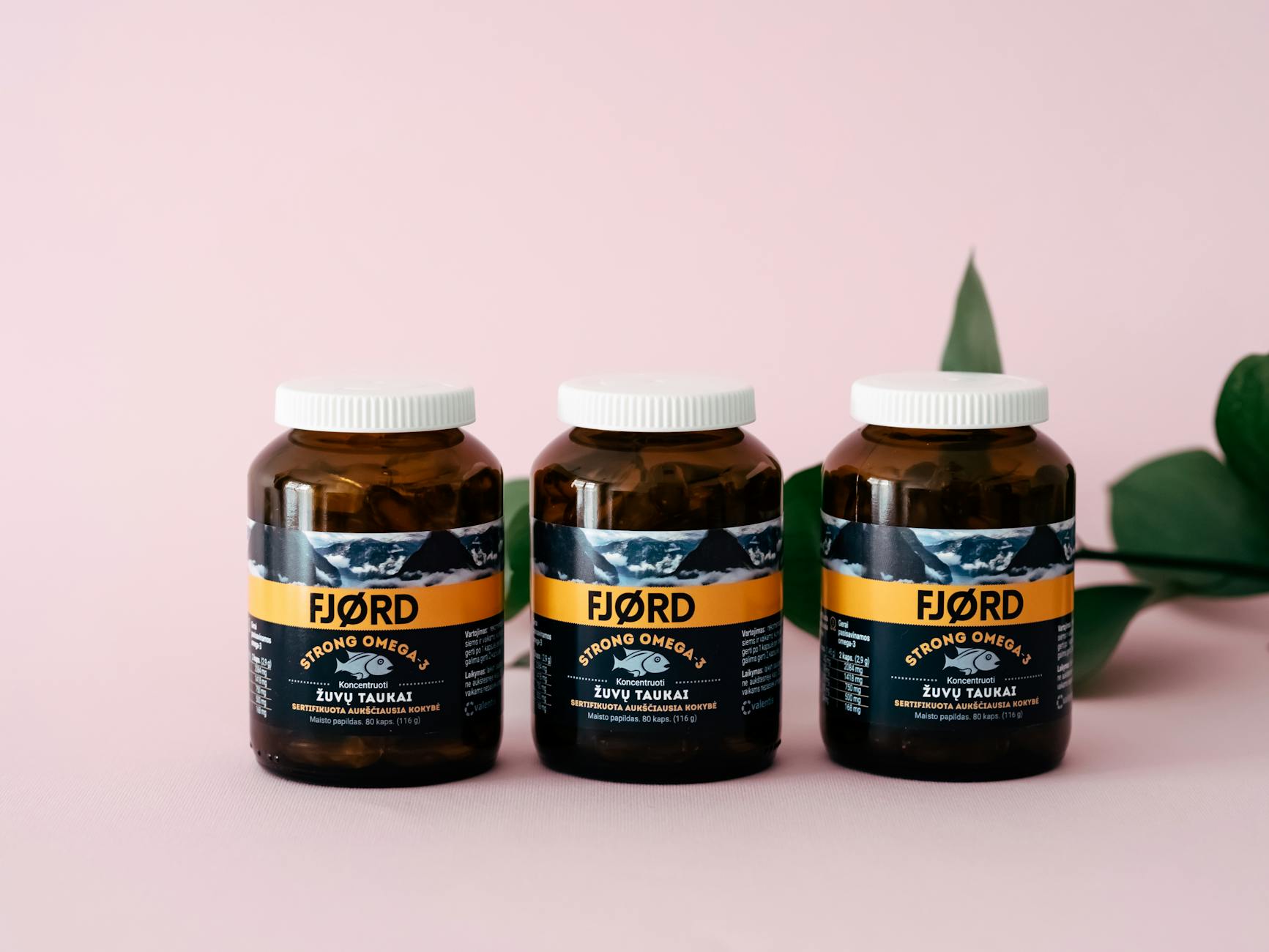
While berberine shows promise for metabolic health, its potent biological activity necessitates a careful evaluation of safety. Unlike many traditional supplements, berberine is not a simple nutrient but a pharmacologically active compound with specific contraindications and a significant potential for drug interactions.
Primary Safety Concerns and Drug Interactions
The most well-documented risk of berberine supplementation is its interaction with medications metabolized by the liver's cytochrome P450 enzyme system, particularly CYP3A4 and CYP2D6. By inhibiting these enzymes, berberine can increase the blood levels and effects of numerous drugs, potentially leading to toxicity. Key interactions include:
- Immunosuppressants: Dangerously elevated levels of drugs like cyclosporine and tacrolimus.
- Blood Thinners: Increased risk of bleeding with warfarin and similar anticoagulants.
- Heart Medications: Altered levels of certain antiarrhythmics, calcium channel blockers, and statins.
- Diabetes Drugs: Potentiated effects of metformin, sulfonylureas, and insulin, raising the risk of hypoglycemia.
Clinical Insight: From a prescribing perspective, berberine is approached with the same caution as a pharmaceutical agent. A thorough medication review is essential before considering its use. The risk of hypoglycemia when combined with diabetes medication is a particular concern that requires close monitoring.
Contraindications and Populations for Caution
Certain individuals should avoid berberine or use it only under strict medical supervision.
- Pregnancy and Lactation: Berberine is contraindicated due to evidence it can cross the placenta and may stimulate uterine contractions. It is also excreted in breast milk.
- Neonates and Infants: It can cause kernicterus, a type of brain damage, by displacing bilirubin from albumin.
- Liver Disease: Individuals with pre-existing liver conditions should exercise extreme caution, as berberine is metabolized by the liver.
- Digestive Issues: Common side effects include constipation, diarrhea, flatulence, and abdominal discomfort, which may exacerbate conditions like IBS.
Gastrointestinal and Long-Term Considerations
The evidence for common gastrointestinal side effects is strong from clinical trial data. Regarding long-term safety (>1 year of use), data in humans remains limited. While traditional use and some animal studies suggest a good safety profile, the long-term effects of concentrated, high-dose supplementation in diverse populations are not fully established.
Key Takeaway: The decision to use berberine, particularly for appetite control where alternatives exist, must weigh its potential benefits against these specific risks. It is not a benign supplement for general use. Anyone taking prescription medications, or who is pregnant, planning pregnancy, breastfeeding, or has a chronic health condition, must consult a physician before use.
4. Practical Clinical Recommendations

Based on the current evidence, berberine presents a potential, but not universally superior, tool for appetite modulation. Its primary mechanism appears to be improving metabolic parameters like insulin sensitivity, which may indirectly influence hunger and satiety signals. For individuals with metabolic dysregulation—such as those with insulin resistance, prediabetes, or polycystic ovary syndrome (PCOS)—berberine may offer a more targeted benefit than a general supplement like glucomannan or 5-HTP.
However, its use requires careful consideration. The evidence for direct, potent appetite suppression is more preliminary and mixed compared to its well-documented effects on blood glucose and lipids. Therefore, clinical recommendations must be individualized.
Key Considerations for Use
- Dosage and Timing: Clinical trials typically use 500 mg, taken two to three times daily (totaling 1000–1500 mg/day), with meals to minimize gastrointestinal side effects and align with postprandial glucose metabolism.
- Expectation Management: Effects on weight and appetite are generally modest and gradual, occurring over weeks to months. It is not a rapid-acting appetite suppressant.
- Synergistic Approach: Berberine is most effective as an adjunct to foundational lifestyle interventions: a balanced, calorie-aware diet and regular physical activity. It should not be viewed as a standalone solution.
Clinical Insight: In practice, berberine is often considered for patients where metabolic health is a primary driver of weight struggles. Its value lies in addressing root physiological factors like insulin resistance, which can help reduce cravings and improve energy balance. For someone without these markers, a fiber supplement for satiety or behavioral strategies may be equally or more effective for pure appetite control.
Important Cautions and Contraindications
Berberine is not appropriate for everyone. Consultation with a physician is strongly advised before starting, especially for:
- Individuals taking medications metabolized by the CYP450 enzyme system (e.g., cyclosporine, metformin, some statins, antidepressants), as berberine can significantly alter drug levels.
- Those with pre-existing liver conditions, gallbladder disease, or kidney impairment.
- Pregnant or breastfeeding women, due to a lack of safety data and theoretical risks.
- Individuals with a history of hypoglycemia or those on diabetes medications, due to the risk of excessively low blood sugar.
In summary, berberine may be a strategically useful supplement for appetite control within a specific metabolic context, but it requires a cautious, evidence-informed approach under professional guidance.
5. Safety Guidelines and Medical Consultation

While berberine shows promise for metabolic health and appetite modulation, its use is not without potential risks. A responsible approach requires understanding these risks and consulting with a healthcare professional. The evidence for its appetite-suppressing effects, while intriguing, is primarily derived from animal studies and short-term human trials; long-term safety data for weight management purposes is limited.
Berberine is a pharmacologically active compound, not a benign nutrient. Its most significant safety considerations include:
- Drug Interactions: Berberine can inhibit enzymes in the liver (CYP450, notably CYP2D6 and CYP3A4) responsible for metabolizing many prescription drugs. This can dangerously increase blood levels of medications, including certain blood thinners (e.g., warfarin), blood pressure drugs, antidepressants, and immunosuppressants like cyclosporine.
- Gastrointestinal Side Effects: Constipation, diarrhea, flatulence, and abdominal discomfort are common, especially at higher doses or when starting supplementation.
- Impact on Blood Sugar and Pressure: While beneficial for some, its glucose- and blood pressure-lowering effects can pose risks for individuals already on medication for diabetes or hypertension, potentially leading to hypoglycemia or hypotension.
Clinical Insight: From a medical perspective, berberine is often approached with the caution reserved for a pharmaceutical agent, not a simple supplement. Its mechanism of action—activating AMPK—affects fundamental cellular processes. Clinicians emphasize that its use for appetite control is an off-label application; it is not an FDA-approved weight-loss drug. The priority is always to rule out underlying medical causes for weight concerns and to establish a foundation of diet and exercise before considering any supplement.
Who Should Be Particularly Cautious or Avoid Use? The following groups should not use berberine without explicit medical supervision:
- Pregnant or breastfeeding women (berberine may cross the placenta and is contraindicated).
- Newborns and young children.
- Individuals with known liver disease or elevated liver enzymes.
- People with kidney disease or reduced renal function.
- Anyone taking prescription medications, especially for heart conditions, diabetes, mental health, or organ transplantation.
- Individuals with a history of hypoglycemia or low blood pressure.
The Imperative of Medical Consultation: Before initiating berberine, a consultation with a physician or a registered dietitian is essential. This discussion should review your full medical history, current medications, and health goals. A professional can help determine if berberine is an appropriate consideration, suggest a safe starting dose, and establish a plan for monitoring potential side effects and interactions. Self-prescribing berberine, particularly for appetite control, carries avoidable risks that can be mitigated through informed, supervised use.
6. Questions & Expert Insights
Does berberine directly suppress appetite like some prescription medications?
Berberine's mechanism for influencing appetite is indirect and differs from pharmaceutical appetite suppressants. It does not directly target central nervous system pathways. Instead, its primary action is improving insulin sensitivity and lowering blood sugar. By promoting more stable glucose levels, berberine may help reduce the sharp insulin spikes and subsequent crashes that can trigger hunger and cravings, particularly for carbohydrates. Some preliminary research also suggests it may influence gut hormones like GLP-1, which are involved in satiety signaling. However, the evidence for a direct, potent appetite-suppressing effect is not as robust as for its metabolic benefits. The perceived appetite control is likely a secondary consequence of improved metabolic function.
What are the key risks and who should avoid berberine for appetite control?
Berberine is not risk-free and is contraindicated for several groups. Its most significant risk is the potential to interact with prescription medications by affecting liver enzymes (CYP450), similar to grapefruit. It can dangerously increase levels of drugs like statins, blood thinners (e.g., warfarin), and some antidepressants. It is not recommended for pregnant or breastfeeding women due to a risk of kernicterus in newborns. Individuals with pre-existing liver conditions, kidney disease, or low blood pressure should use extreme caution or avoid it. Common side effects include digestive upset (diarrhea, constipation, gas), which may subside but can be pronounced. Given its mechanism, it may also cause hypoglycemia, especially if taken without food or alongside diabetes medications.
How does the evidence for berberine compare to traditional supplements like glucomannan or 5-HTP?
The evidence bases are distinct and not directly comparable, as these supplements work through different pathways. Berberine has a stronger foundation in human clinical trials for improving metabolic parameters like insulin resistance and HbA1c, with many studies lasting several months. Fiber supplements like glucomannan have evidence primarily for promoting short-term satiety and modest weight loss by physically expanding in the stomach. 5-HTP, a serotonin precursor, has some evidence for reducing carbohydrate craving and promoting early satiety through neurotransmitter influence, but trial quality is often lower. A key difference is that berberine's effects are rooted in cellular metabolism (AMPK activation), while the others are more mechanical or neurochemical. There is a lack of head-to-head trials proving superiority for appetite control, making the "best" choice highly individual and goal-dependent.
When should I talk to my doctor, and what information should I prepare?
Consult a physician or a registered dietitian before starting berberine, especially if you have any diagnosed medical condition or take any medications. This is non-negotiable due to its interaction risk. Prepare for the conversation by bringing: 1) A complete list of all your medications, supplements, and dosages; 2) Your key health goals (e.g., "reduce afternoon sugar cravings" rather than just "lose weight"); 3) Any relevant lab results (like fasting blood glucose or HbA1c); and 4) Notes on any previous experiences with supplements for appetite. Ask specific questions: "Given my medication list, is berberine safe for me?" and "What markers should we monitor if I proceed?" This allows for a risk-benefit analysis tailored to your unique health profile, ensuring any supplement use is integrated safely into your overall care plan.
7. In-site article recommendations
8. External article recommendations
9. External resources
The links below point to reputable medical and evidence-based resources that can be used for further reading. Always interpret them in the context of your own situation and your clinician’s advice.
-
healthline healthline.comberberine – Healthline (search)
-
drugs drugs.comberberine – Drugs.com (search)
-
examine examine.comberberine – Examine.com (search)
These external resources are maintained by third-party organisations. Their content does not represent the editorial position of this site and is provided solely to support readers in accessing additional professional information.