
1. Introduction to Berberine and Metabolic Syndrome
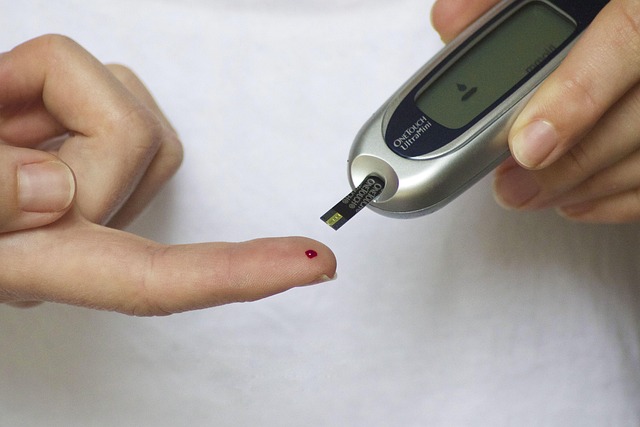
Metabolic syndrome is a cluster of interconnected physiological and biochemical abnormalities that significantly increase an individual's risk for cardiovascular disease, type 2 diabetes, and all-cause mortality. Clinically, it is diagnosed by the presence of at least three of five key criteria: abdominal obesity, elevated fasting blood glucose, high blood pressure, elevated triglycerides, and low high-density lipoprotein (HDL) cholesterol. The global prevalence of metabolic syndrome is rising, driving substantial interest in both lifestyle interventions and potential adjunctive therapeutic agents.
Berberine is a naturally occurring isoquinoline alkaloid found in the roots, rhizomes, and stem bark of several plants, including Berberis vulgaris (barberry), Coptis chinensis (goldthread), and Hydrastis canadensis (goldenseal). It has a long history of use in traditional Chinese and Ayurvedic medicine, primarily for gastrointestinal infections and inflammatory conditions. In recent decades, modern scientific inquiry has shifted focus to its potential metabolic effects.
The proposed mechanisms by which berberine may influence metabolic syndrome components are multi-faceted and include:
- AMPK Activation: Berberine is a well-documented activator of AMP-activated protein kinase (AMPK), a central cellular energy sensor. This activation can enhance glucose uptake in skeletal muscle, improve insulin sensitivity, and inhibit hepatic gluconeogenesis.
- Gut Microbiome Modulation: Emerging evidence suggests berberine can alter the composition of gut microbiota, potentially reducing systemic inflammation and improving metabolic endotoxemia, both of which are implicated in insulin resistance.
- Lipid Metabolism: It may influence lipid profiles by upregulating LDL receptor expression in the liver and inhibiting enzymes involved in fatty acid and cholesterol synthesis.
While preclinical and early clinical data for these mechanisms are promising, it is crucial to distinguish between mechanistic plausibility and proven clinical efficacy in diverse human populations. The evidence base, while growing, consists largely of relatively small, short-term human trials, and findings are not uniformly consistent.
Clinical Perspective: From a clinical standpoint, berberine is considered a compound of significant interest, but it is not a first-line, standard-of-care treatment for metabolic syndrome. Its effects appear most robust for improving glycemic control and lipid parameters, with more variable impacts on blood pressure and weight. Crucially, it is a bioactive compound with drug-like properties, not a benign "herbal supplement." Individuals with pre-existing liver conditions, kidney impairment, or who are pregnant or breastfeeding should avoid use without direct medical supervision. Furthermore, its potential for interacting with prescription medications, particularly anticoagulants, cyclosporine, and certain diabetes drugs, necessitates a consultation with a physician before initiation.
2. Evidence and Mechanisms of Action

The proposed benefits of berberine for metabolic syndrome are grounded in its multi-targeted biochemical activity. The compound is not a direct nutrient but a bioactive alkaloid that interacts with several key cellular pathways involved in glucose and lipid metabolism.
Primary Mechanisms of Action
Research, primarily from preclinical and human clinical trials, suggests berberine works through several interconnected mechanisms:
- AMPK Activation: Berberine is a potent activator of AMP-activated protein kinase (AMPK), often described as a cellular "energy sensor." Activated AMPK enhances glucose uptake in skeletal muscle, improves insulin sensitivity, and inhibits glucose production in the liver.
- Glycemic Control: It appears to improve insulin receptor signaling and may inhibit intestinal disaccharidases, enzymes that break down complex carbohydrates into simple sugars, potentially slowing glucose absorption.
- Lipid Metabolism: Berberine may upregulate LDL receptor expression in the liver, enhancing clearance of "bad" LDL cholesterol from the bloodstream. It also appears to inhibit enzymes involved in fatty acid synthesis.
- Gut Microbiome Modulation: Emerging evidence indicates berberine can alter the composition of gut bacteria, potentially increasing short-chain fatty acid production, which is linked to improved metabolic health and reduced inflammation.
Clinical Perspective: The activation of AMPK is a key mechanism shared with the diabetes drug metformin. This parallel provides a plausible biological rationale for berberine's observed effects, but it is crucial to note that berberine is not a pharmaceutical-grade substitute and its potency and consistency can vary significantly between supplement products.
Strength of the Evidence
The evidence is strongest for berberine's impact on glycemic parameters and lipid profiles. Multiple meta-analyses of randomized controlled trials (RCTs) conclude that berberine supplementation can significantly reduce fasting blood glucose, HbA1c, total cholesterol, and LDL cholesterol compared to placebo. Effects on triglycerides and HDL cholesterol are more modest and less consistent.
However, important limitations exist. Many trials have been relatively short-term (3-6 months), conducted in specific ethnic populations (primarily Asian), and often compare berberine to placebo in addition to standard care. Its efficacy as a standalone therapy, especially in diverse populations over the long term, requires more robust investigation.
Who should be cautious? Due to its pharmacological activity, berberine can interact with numerous medications, including blood thinners, blood pressure drugs, and cyclosporine. It is not recommended for pregnant or breastfeeding women. Individuals with liver conditions, kidney disease, or those on multiple medications must consult a physician before use, as berberine may affect drug metabolism and organ function.
3. Risks and Contraindications
While berberine is a natural compound, it is a pharmacologically active substance with significant potential for drug interactions and adverse effects. A responsible evaluation of its use for metabolic syndrome must include a clear understanding of its safety profile and contraindications.
Common Adverse Effects and Gastrointestinal Distress
The most frequently reported side effects are gastrointestinal, likely due to poor absorption and local effects on the gut microbiome. These include:
- Abdominal cramping, bloating, and flatulence
- Diarrhea or constipation
- Nausea
These effects are often dose-dependent and may subside with time or by taking the supplement with meals. Starting with a lower dose and gradually increasing it can help improve tolerance.
Major Drug Interactions and Cytochrome P450 Inhibition
This is the most critical safety concern. Berberine is a known inhibitor of several cytochrome P450 enzymes (notably CYP2D6, CYP2C9, and CYP3A4) and can affect drug transporters like P-glycoprotein. This can significantly increase the blood levels and toxicity of numerous prescription medications. Key interactions include:
- Cyclosporine and Tacrolimus: Risk of severe toxicity and organ rejection.
- Warfarin and other blood thinners: Increased risk of bleeding.
- Metformin and other diabetes medications: Potentiated hypoglycemia.
- Statins (e.g., simvastatin, atorvastatin): Increased risk of muscle pain (myalgia) or rhabdomyolysis.
- Many antidepressants, antipsychotics, and antiarrhythmics: Altered drug levels leading to side effects or reduced efficacy.
Clinical Insight: The interaction profile of berberine is similar to that of grapefruit juice but can be more potent and prolonged. Clinicians must perform a comprehensive medication review before a patient considers berberine supplementation. It is not simply an "herb"; it acts as a pharmaceutical agent in the body.
Specific Contraindications and Populations for Caution
Certain individuals should avoid berberine or use it only under strict medical supervision:
- Pregnancy and Lactation: Berberine may cross the placental barrier and has been associated with kernicterus (a type of brain damage) in newborns due to its potential to displace bilirubin. It is contraindicated.
- Children: Safety data is lacking.
- Individuals with Liver Disease: Given its metabolism and potential hepatotoxicity in high doses, it should be avoided in those with pre-existing liver conditions.
- Individuals with Kidney Disease: Impaired clearance could lead to accumulation and increased risk of adverse effects.
- Those Undergoing Surgery: Due to its potential effects on blood sugar and bleeding risk, it should be discontinued at least two weeks prior to any scheduled procedure.
In summary, the decision to use berberine must be weighed against these risks. It is not a benign supplement. Anyone taking prescription medication or with a chronic health condition must consult their physician before initiating berberine. Self-supplementation without professional guidance carries significant risk, particularly for individuals managing metabolic syndrome who are likely already on other pharmacotherapies.
4. Practical Recommendations and Takeaways
Based on the current state of evidence, berberine supplementation presents a potential adjunctive tool for managing certain aspects of metabolic syndrome. However, its use should be approached with a clear understanding of its role, limitations, and safety profile.
Key Considerations for Use
If you are considering berberine, the following evidence-based framework can guide a responsible approach:
- Primary Role: The strongest evidence supports berberine's ability to modestly improve glycemic control (lowering HbA1c and fasting glucose) and lipid profiles (reducing total and LDL cholesterol). Its effects on blood pressure and visceral fat are less consistent.
- Adjunctive, Not Replacement: Berberine should not replace first-line lifestyle interventions—a balanced, nutrient-dense diet and regular physical activity—or prescribed medications. It may be considered a complementary strategy under medical supervision.
- Dosage and Timing: Clinical trials typically use 500 mg taken two to three times daily, with meals, to minimize gastrointestinal side effects and improve tolerability. Starting with a lower dose (e.g., 500 mg once daily) to assess tolerance is prudent.
- Quality and Purity: Select supplements from reputable manufacturers that provide third-party verification (e.g., USP, NSF, or ConsumerLab seals) to ensure product purity and accurate berberine content.
Clinical Insight: In practice, clinicians view berberine as a potential option for patients with prediabetes or early-stage type 2 diabetes who are highly motivated to use supplements. Its mechanism, similar to metformin in some respects, makes drug interactions a paramount concern. It is not a benign "natural" product and requires the same caution as a pharmaceutical agent.
Who Should Exercise Caution or Avoid?
Berberine is not suitable for everyone. The following individuals should avoid it or use it only under direct medical guidance:
- Pregnant or breastfeeding women: Berberine is contraindicated due to potential risks to the fetus and newborn.
- Individuals on medications: Particularly those for diabetes (risk of hypoglycemia), blood thinners (e.g., warfarin), blood pressure drugs, cyclosporine, and many others metabolized by the CYP450 enzyme system. Berberine can significantly alter drug levels.
- Those with pre-existing conditions: Including liver disease, kidney impairment, or a history of severe gastrointestinal disorders.
- Individuals preparing for surgery: Due to its potential effects on blood sugar and clotting, it should be discontinued well in advance.
The most critical takeaway is to consult your physician or a qualified healthcare provider before starting berberine. A professional can review your full health profile, current medications, and treatment goals to determine if it is an appropriate and safe consideration for your individual case.
5. Safety Considerations and When to Consult a Doctor
While berberine shows promise for metabolic parameters, its use is not without potential risks. A responsible evaluation of safety is paramount, especially given its pharmacological activity and the fact it is often self-administered as a supplement without direct medical supervision.
Common Side Effects and Drug Interactions
The most frequently reported adverse effects are gastrointestinal, including:
- Abdominal discomfort, cramping, or pain
- Diarrhea or constipation
- Flatulence and bloating
These often subside with continued use or by taking the supplement with meals, but they can be a significant deterrent for some individuals.
A primary safety concern is berberine's potential for drug interactions. It is metabolized by the cytochrome P450 enzyme system, particularly CYP3A4 and CYP2D6, and can inhibit these enzymes. This can alter the blood levels of numerous prescription medications. Crucially, it may potentiate the effects of:
- Glucose-lowering drugs (e.g., metformin, sulfonylureas, insulin), increasing the risk of hypoglycemia.
- Blood pressure medications, potentially causing hypotension.
- Anticoagulants like warfarin, raising the risk of bleeding.
- Cyclosporine and other drugs with a narrow therapeutic index.
Clinical Insight: From a pharmacovigilance perspective, berberine should be treated as a drug, not a benign herb. Its interaction profile necessitates a thorough review of a patient's complete medication list, including over-the-counter products. The risk of unmasking or exacerbating subclinical liver issues also warrants baseline liver function tests for individuals considering long-term use.
Specific Populations to Exercise Caution
Certain groups should avoid berberine or use it only under strict medical guidance:
- Pregnant and breastfeeding women: Berberine may cross the placenta and has been associated with kernicterus (a type of brain damage) in newborns; it is contraindicated.
- Individuals with liver disease: Given its metabolism and rare reports of liver enzyme elevations, those with pre-existing liver conditions should avoid it.
- Individuals with kidney disease: As berberine is primarily excreted via the kidneys, impaired renal function could lead to accumulation.
- Children: Safety and efficacy data are lacking for pediatric populations.
- Those undergoing surgery: Due to potential effects on blood sugar and blood pressure, it should be discontinued at least two weeks prior to elective procedures.
When to Consult a Healthcare Professional
You should consult a doctor or a qualified healthcare provider (such as a pharmacist or registered dietitian) before starting berberine if you:
- Are currently taking any prescription or over-the-counter medications.
- Have a diagnosed medical condition, especially diabetes, hypertension, liver disease, or kidney disease.
- Are planning for pregnancy, are pregnant, or are breastfeeding.
- Experience persistent gastrointestinal side effects or any signs of an allergic reaction.
The decision to use berberine should be part of a collaborative discussion that weighs its potential metabolic benefits against individual risk factors, medication profiles, and the broader context of your overall health management plan.
6. Questions & Expert Insights
Can berberine supplementation replace my prescribed medications for diabetes or high cholesterol?
No, berberine should not be used as a replacement for prescribed medications. While some clinical trials show berberine can modestly improve markers like fasting blood glucose, HbA1c, and LDL cholesterol, its effects are generally considered adjunctive. The evidence supporting pharmaceutical medications is typically more robust, with larger, longer-term studies demonstrating clear reductions in hard outcomes like heart attacks and strokes. Using berberine instead of a prescribed drug could lead to a dangerous loss of disease control. If you are interested in berberine, discuss it with your doctor as a potential complementary approach, not a substitute. Any changes to medication must be managed under medical supervision.
What are the most common side effects, and who should absolutely avoid berberine?
The most frequently reported side effects are gastrointestinal, including diarrhea, constipation, abdominal discomfort, and flatulence, which often subside with time. More serious considerations involve drug interactions and specific health conditions. Berberine may lower blood sugar and blood pressure, posing risks for those already on medications for these conditions. It can also inhibit liver enzymes (CYP3A4, CYP2D6), potentially altering the levels of many common drugs, from statins to antidepressants.
Individuals who should avoid berberine or use it only under strict medical supervision include: pregnant or breastfeeding women (risk of kernicterus in newborns), individuals with significant liver disease, those with severe kidney impairment, people on medications metabolized by the aforementioned liver enzymes, and anyone with a history of hypoglycemia or hypotension.
How does the evidence for berberine compare to the evidence for foundational lifestyle changes?
The evidence for comprehensive lifestyle intervention—a balanced, calorie-appropriate diet and regular physical activity—is overwhelmingly stronger and more conclusive than for any supplement, including berberine. Lifestyle changes are the first-line, gold-standard treatment for metabolic syndrome, proven in large trials to prevent progression to type 2 diabetes and cardiovascular disease. Berberine's evidence, while promising, is derived from smaller, shorter-duration studies, often with specific populations. Think of berberine not as a shortcut, but as a possible adjunct to a solid lifestyle foundation. It cannot compensate for a poor diet or sedentary behavior.
If I want to try berberine, what should I discuss with my doctor beforehand?
Initiate a transparent conversation with your primary care physician or relevant specialist (e.g., endocrinologist, cardiologist). To make this discussion productive, come prepared. First, bring a complete list of all medications and supplements you take, including doses, to assess interaction risks. Second, have your most recent lab results (e.g., HbA1c, lipid panel, liver/kidney function tests) available to establish a baseline. Third, ask specific questions: "Given my health profile, is berberine appropriate? What side effects should I monitor? How might it interact with my current medications? How will we measure if it's working, and over what timeframe?" This prepares your clinician to give personalized, safe guidance rather than a generic opinion.
7. In-site article recommendations
8. External article recommendations
9. External resources
The links below point to reputable medical and evidence-based resources that can be used for further reading. Always interpret them in the context of your own situation and your clinician’s advice.
-
healthline healthline.comberberine – Healthline (search)
-
mayoclinic mayoclinic.orgberberine – Mayo Clinic (search)
-
examine examine.comberberine – Examine.com (search)
These external resources are maintained by third-party organisations. Their content does not represent the editorial position of this site and is provided solely to support readers in accessing additional professional information.