
1. Introduction and Context: Berberine in Appetite Management

In the search for natural approaches to weight management, the alkaloid compound berberine has garnered significant scientific and public interest. Found in the roots, rhizomes, and stem bark of plants like Berberis vulgaris (barberry), Coptis chinensis (goldthread), and Hydrastis canadensis (goldenseal), berberine has a long history of use in traditional Chinese and Ayurvedic medicine. Its contemporary investigation, however, focuses on its potential metabolic effects, particularly its role in modulating appetite and cravings.
The premise for berberine's use in appetite management is rooted in its influence on fundamental metabolic pathways. Unlike stimulant-based appetite suppressants, berberine is not believed to act directly on the central nervous system. Instead, research suggests its primary mechanisms may involve:
- AMPK Activation: Berberine is a well-documented activator of AMP-activated protein kinase (AMPK), an enzyme often called a "cellular energy sensor." Activating AMPK can enhance cellular glucose uptake and fatty acid oxidation, potentially improving insulin sensitivity.
- Insulin Sensitivity: By improving how the body responds to insulin, berberine may help stabilize blood glucose levels. Rapid blood sugar fluctuations are a known trigger for hunger and cravings, especially for carbohydrates.
- Gut Microbiome Modulation: Emerging evidence indicates berberine can alter the composition of gut bacteria. Since the gut microbiome communicates with the brain via the gut-brain axis, these changes may indirectly influence satiety signals and food reward pathways.
It is crucial to distinguish between the strength of evidence for these different mechanisms. The data on berberine's impact on AMPK and insulin sensitivity in preclinical models and some human trials is relatively robust. In contrast, the evidence linking its effects on the gut microbiome directly to reduced cravings in humans remains preliminary and is an active area of research.
Clinical Perspective: From a clinical standpoint, berberine is not a "magic bullet" for cravings. Its potential benefit likely lies in addressing underlying metabolic dysregulation—such as insulin resistance—that can drive excessive hunger. It is considered a supportive agent, not a replacement for foundational lifestyle interventions like a balanced diet and regular physical activity.
Individuals considering berberine should exercise caution. Its use is not advised for pregnant or breastfeeding women, young children, or individuals with significant liver disease. Berberine can interact with numerous medications metabolized by the liver (via CYP450 enzymes), including certain blood thinners, statins, and cyclosporine. Therefore, consultation with a physician or a qualified healthcare provider is essential before starting supplementation, particularly for those on any medications or with pre-existing health conditions.
2. Evidence and Mechanisms: How Berberine May Affect Cravings
The potential of berberine to influence cravings is not attributed to a single, direct mechanism. Instead, it is hypothesized to work through several interconnected pathways that improve metabolic and hormonal regulation, which are often dysregulated in states of increased appetite and food-seeking behavior.
Primary Mechanisms Supported by Research
The most robust evidence for berberine centers on its metabolic effects, which may indirectly reduce cravings driven by blood sugar instability.
- AMPK Activation: Berberine is a well-documented activator of AMP-activated protein kinase (AMPK), often described as a cellular "energy sensor." This activation improves insulin sensitivity, enhances glucose uptake in cells, and reduces hepatic glucose production. Stable blood sugar levels can prevent the sharp dips that trigger hunger and cravings for quick-energy carbohydrates.
- Gut Microbiome Modulation: Emerging research suggests berberine acts as a prebiotic, altering the composition of gut bacteria. A healthier gut microbiome is associated with improved metabolic health, reduced inflammation, and better secretion of gut hormones like GLP-1, which promotes satiety.
Less Direct and More Speculative Pathways
Other proposed mechanisms are based on preliminary or animal studies and require more human data for confirmation.
- Neurotransmitter Influence: Some animal models indicate berberine may increase levels of dopamine and norepinephrine in specific brain regions. As cravings often involve the brain's reward circuitry, this modulation could theoretically influence desire for pleasurable foods, but this is highly speculative in humans.
- Anti-inflammatory Effects: Chronic low-grade inflammation is linked to insulin resistance and leptin resistance (leptin being the "satiety hormone"). By reducing inflammatory markers, berberine may help restore normal leptin signaling, potentially improving feelings of fullness.
Clinical Perspective: It's crucial to frame berberine not as an appetite suppressant but as a metabolic modulator. Its effect on cravings is likely secondary to improving underlying dysregulation. The evidence for direct, potent craving reduction in humans is limited. Most positive outcomes are reported in studies on metabolic syndrome, polycystic ovary syndrome (PCOS), and type 2 diabetes, where participants often experience reduced "hunger driven by blood sugar swings" as a beneficial side effect of improved glucose control.
Who Should Exercise Caution: Individuals with pre-existing liver conditions, pregnant or breastfeeding women, those on medications metabolized by the liver (especially cytochrome P450 3A4 substrates like cyclosporine or some statins), and people with hypoglycemia should consult a physician before use. Berberine can cause gastrointestinal side effects and may interact with numerous drugs.
3. Risks and Who Should Avoid Berberine

While berberine is a compound of significant scientific interest, it is not without potential adverse effects and important contraindications. A balanced view requires acknowledging these risks to ensure safe and responsible use.
Common Side Effects and Interactions
The most frequently reported side effects are gastrointestinal in nature, likely due to berberine's antimicrobial activity and impact on gut motility. These can include:
- Abdominal discomfort, cramping, or bloating
- Diarrhea or constipation
- Flatulence
These effects are often dose-dependent and may subside with time or by taking the supplement with meals. A more serious concern is berberine's potential for drug interactions. It is metabolized by the liver enzyme CYP3A4 and can inhibit this pathway, potentially increasing the concentration and effects of numerous prescription medications. This poses a significant risk for individuals on:
- Cyclosporine and other immunosuppressants
- Metformin, sulfonylureas, and other diabetes medications (risk of hypoglycemia)
- Warfarin and other blood thinners (risk of bleeding)
- Simvastatin, atorvastatin, and other statins
- Certain antidepressants and antipsychotics
Clinical Insight: The interaction profile is the primary safety concern for clinicians. Berberine should be considered to have a similar precaution level as the grapefruit juice warning on many prescription bottles. A comprehensive medication review with a doctor or pharmacist is essential before considering its use.
Populations Who Should Avoid or Use Extreme Caution
Given its biological activity, berberine is contraindicated or requires strict medical supervision for specific groups:
- Pregnant and Breastfeeding Individuals: Berberine may cross the placenta and has been associated with kernicterus (a type of brain damage) in newborns due to its potential to displace bilirubin. It should be avoided entirely during pregnancy and lactation.
- Individuals with Liver or Kidney Conditions: As berberine is metabolized by the liver and excreted by the kidneys, those with impaired function in these organs may be at higher risk for toxicity and require close monitoring.
- Children: Safety and efficacy data in pediatric populations are lacking.
- Individuals Preparing for Surgery: Due to its potential effects on blood sugar and clotting, berberine should be discontinued at least two weeks prior to any scheduled surgical procedure.
In summary, while berberine may offer metabolic benefits, it is a pharmacologically active compound, not a benign food. Its use necessitates a risk-benefit analysis conducted in consultation with a qualified healthcare provider, particularly for anyone with pre-existing health conditions or who is taking other medications.
4. Practical Takeaways: Integrating Berberine Safely
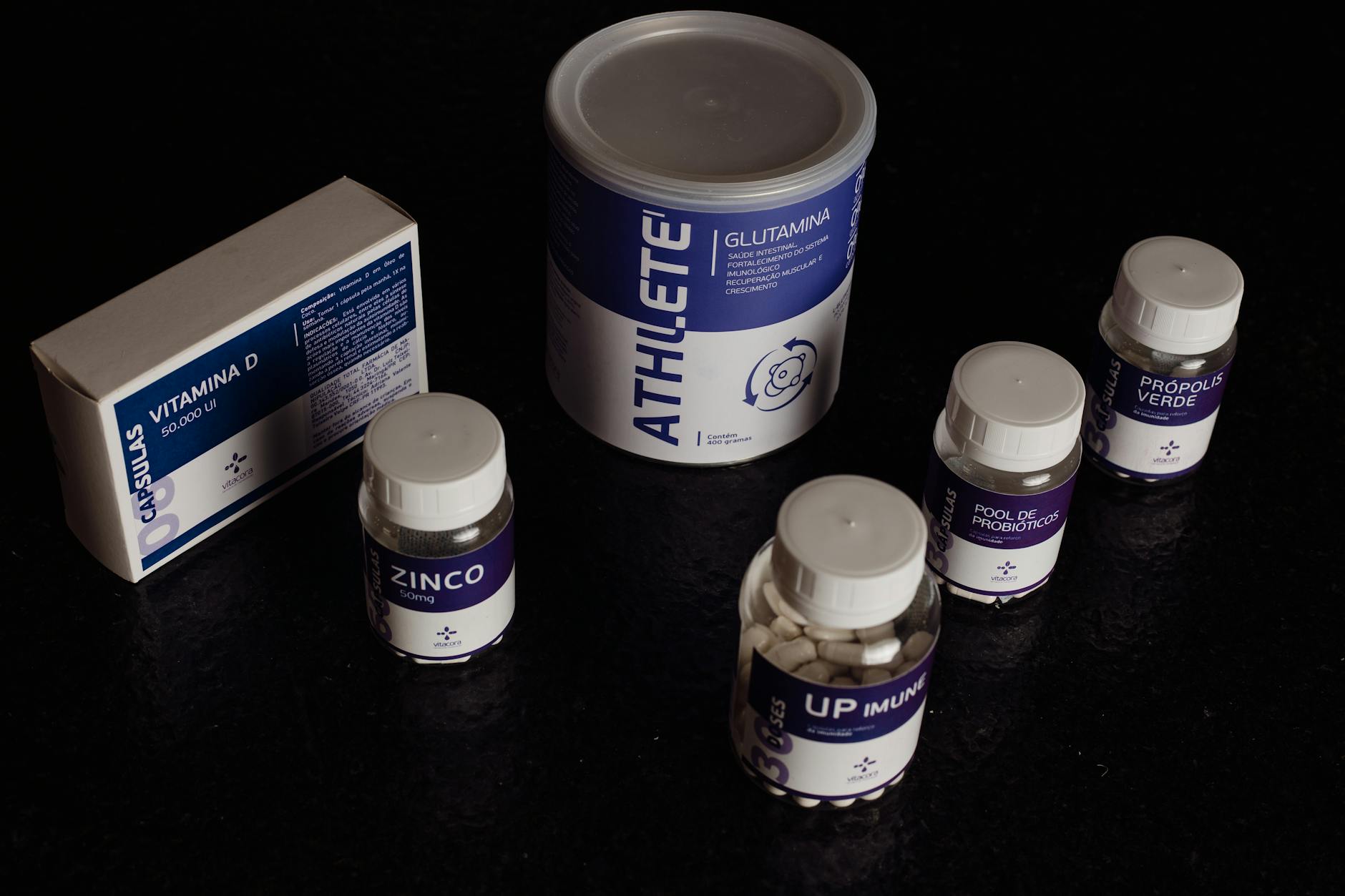
If you are considering berberine to help manage cravings, a structured and cautious approach is essential. The evidence for its effects on appetite and blood sugar regulation is promising but primarily from short-term studies. Integrating it safely requires attention to dosage, timing, and individual health factors.
Dosage and Administration
Clinical trials for metabolic support typically use doses ranging from 500 mg to 1500 mg per day, divided into two or three doses. A common starting point is 500 mg taken with a meal, once or twice daily.
- Take with meals: Consuming berberine with or just before a meal may help mitigate potential gastrointestinal side effects like cramping or diarrhea, and could align its activity with nutrient absorption.
- Cycling: Some practitioners suggest a protocol of taking berberine for 8-12 weeks followed by a 2-4 week break, though long-term data on the necessity of cycling is limited.
- Patience is key: Noticeable effects on cravings or satiety, if they occur, may take several weeks to manifest.
Critical Safety Considerations
Berberine is a pharmacologically active compound, not a benign supplement. Its interaction profile necessitates careful evaluation.
- Drug Interactions: Berberine can significantly affect the metabolism of many pharmaceuticals. It has a strong potential to interact with:
- Cyclosporine and other immunosuppressants
- Metformin and other diabetes medications (risk of hypoglycemia)
- Blood thinners like warfarin
- Certain blood pressure and cholesterol drugs
- Medications processed by the CYP450 enzyme system (e.g., some antidepressants)
- Contraindications and Cautions: The following individuals should avoid berberine or use it only under direct medical supervision:
- Pregnant or breastfeeding women (berberine may cross the placenta and is not considered safe)
- Infants and young children
- Individuals with pre-existing liver conditions
- Those with severe kidney impairment
Clinical Insight: From a medical perspective, berberine is approached with the caution reserved for a drug. It is not a first-line recommendation for simple cravings. A physician will evaluate its use within the broader context of an individual's metabolic health, current medications, and liver/kidney function. Self-prescribing berberine while on other medications carries substantial risk.
The most important practical takeaway is to consult a healthcare provider—such as a physician or a registered dietitian familiar with supplement pharmacology—before beginning berberine. This is non-negotiable if you have any diagnosed health conditions or are taking prescription medications. It should be viewed as one potential component of a broader strategy that includes dietary quality, stress management, and physical activity, not a standalone solution.
5. Safety Considerations and When to Consult a Healthcare Provider
While berberine is generally well-tolerated in clinical trials for short-term use, its potent biological activity necessitates a cautious and informed approach. It is not a benign substance, and its use should be considered within the context of an individual's complete health profile.
Common Side Effects and Interactions
The most frequently reported adverse effects are gastrointestinal, including:
- Abdominal discomfort, cramping, or diarrhea
- Constipation or flatulence
- Nausea
These often subside with continued use or by taking the supplement with meals. More critically, berberine has significant drug interaction potential. It can affect the metabolism of numerous pharmaceuticals by inhibiting enzymes in the liver (CYP450 system), potentially altering their blood levels and effects.
Expert Insight: Clinicians are particularly vigilant about berberine's interaction with medications metabolized by CYP2D6, CYP2C9, and CYP3A4 enzymes. This includes many common drugs for heart conditions, mental health, and pain management. Concurrent use without medical supervision can lead to toxicity or reduced efficacy of prescription medications.
Who Should Exercise Extreme Caution or Avoid Use?
Certain populations should avoid berberine or use it only under direct medical supervision:
- Pregnant and breastfeeding individuals: Berberine may cross the placenta and is contraindicated due to theoretical risks of kernicterus in newborns.
- Individuals with liver or kidney conditions: As berberine is metabolized by the liver and excreted by the kidneys, impaired function could lead to accumulation.
- People taking prescription medications, especially for diabetes (e.g., metformin, insulin), hypertension, blood thinners (e.g., warfarin, clopidogrel), immunosuppressants, or antidepressants.
- Those with hypoglycemia or a history of eating disorders: Using a supplement to "curb cravings" can be problematic and requires psychological and nutritional oversight.
When to Consult a Healthcare Provider
You should consult a physician or a qualified healthcare provider (such as a pharmacist or registered dietitian) before starting berberine if any of the above cautions apply. A consultation is also strongly advised to:
- Discuss your specific health goals and whether berberine is an appropriate intervention.
- Review your full medication and supplement list for potential interactions.
- Establish a safe dosage and monitor for efficacy and adverse effects.
- Rule out underlying medical conditions that may be causing cravings, such as hormonal imbalances or nutrient deficiencies.
Ultimately, while preliminary research on berberine for metabolic health is promising, its use for "curbing cravings" specifically is not strongly evidence-based. A healthcare provider can help determine if trying berberine is a clinically justified part of a broader, sustainable health strategy.
6. Questions & Expert Insights
Does berberine actually reduce cravings, or is it just hype?
The evidence is promising but preliminary. Berberine appears to influence several pathways related to appetite and metabolism. It may improve insulin sensitivity, which can help stabilize blood sugar levels and reduce the sugar cravings that often follow a crash. Some studies also suggest it can activate an enzyme called AMPK, which regulates cellular energy and may influence hunger signals. However, most human studies have focused on metabolic parameters like blood sugar and cholesterol, not specifically on cravings as a primary outcome. The effect is likely indirect and modest, not a direct "off-switch" for hunger. It should be viewed as a potential supportive tool within a broader strategy of balanced nutrition and mindful eating, not a standalone solution.
What are the main risks and side effects, and who should absolutely avoid berberine?
Berberine is generally well-tolerated at standard doses (typically 500-1500 mg/day) but common gastrointestinal side effects like nausea, diarrhea, constipation, and abdominal discomfort are frequent. More serious concerns involve drug interactions. Berberine can inhibit enzymes (CYP3A4, CYP2D6) responsible for metabolizing many prescription drugs, potentially raising their blood levels to dangerous amounts. This is a critical risk for medications like blood thinners (e.g., warfarin), certain heart drugs, antidepressants, and immunosuppressants. It should be avoided by pregnant or breastfeeding women due to potential risk to the fetus/infant, individuals with severe liver disease or elevated bilirubin, and those with known berberine allergy. People with kidney disease should use extreme caution and only under medical supervision, as excretion may be impaired.
How does berberine compare to prescription medications for weight or craving management?
Berberine is not a pharmaceutical drug and its effects are less potent and predictable than regulated medications. Prescription GLP-1 agonists (e.g., semaglutide) or other anti-obesity drugs undergo rigorous clinical trials for specific indications, with defined dosing and monitored safety profiles. Their effect on appetite suppression is typically more pronounced and directly evidenced. Berberine's action is broader and milder, with most meta-analyses showing a modest average weight reduction of ~5 pounds over several months, compared to more significant results with pharmaceuticals. It is available over-the-counter, which underscores the importance of personal due diligence regarding quality and interactions. It may be considered by some as a complementary approach, but it is not a substitute for a prescribed treatment plan for obesity or metabolic disorders.
When should I talk to my doctor before trying berberine, and what should I discuss?
You should consult a physician or a registered dietitian/specialist before starting berberine if you have any pre-existing medical condition (especially liver, kidney, or heart disease), are taking any prescription or over-the-counter medications/supplements, or are pregnant/planning pregnancy. Come to the appointment prepared. Bring a complete list of all your medications and supplements, including doses. Be ready to discuss your specific health goals (e.g., "managing post-meal sugar cravings" or "improving metabolic markers"). Ask direct questions: "Given my medications [list them], is there a risk of interaction?" "Is there a reason my liver/kidney function should be checked first?" "What is a clinically appropriate dose and duration for my goals?" "How should I monitor for side effects?" This ensures a safety-focused, collaborative decision.
7. In-site article recommendations
8. External article recommendations
9. External resources
The links below point to reputable medical and evidence-based resources that can be used for further reading. Always interpret them in the context of your own situation and your clinician’s advice.
-
drugs drugs.comberberine – Drugs.com (search)
-
examine examine.comberberine – Examine.com (search)
-
mayoclinic mayoclinic.orgberberine – Mayo Clinic (search)
These external resources are maintained by third-party organisations. Their content does not represent the editorial position of this site and is provided solely to support readers in accessing additional professional information.