
1. Introduction to Ginger Root and Digestive Health
Ginger (Zingiber officinale) is a rhizome with a long history of use in culinary and traditional medicinal systems worldwide. Its application for digestive complaints is particularly well-documented, making it a subject of significant modern scientific inquiry. This chapter provides a foundational overview of ginger's bioactive components and the physiological mechanisms by which it may influence digestive wellness.
The primary bioactive compounds in ginger are gingerols, shogaols, and zingerone. These compounds are responsible for ginger's characteristic pungency and are believed to mediate many of its observed effects on the gastrointestinal (GI) tract. Their proposed mechanisms of action include:
- Modulation of gut motility: Ginger appears to exert a prokinetic effect, potentially aiding the movement of food through the digestive system, which can help alleviate sensations of fullness and bloating.
- Anti-nausea and anti-emetic properties: Evidence suggests ginger acts on serotonin receptors and may influence gastric contractions and the vestibular system, which are pathways involved in nausea and vomiting.
- Anti-inflammatory activity: Chronic, low-grade inflammation can disrupt gut function. Ginger's compounds may help modulate inflammatory pathways within the GI tract.
It is crucial to distinguish the strength of evidence supporting these mechanisms. The evidence for ginger's efficacy in reducing nausea, particularly postoperative, chemotherapy-induced, and pregnancy-related nausea, is among the strongest. Data supporting its use for other functional digestive issues, like dyspepsia or irritable bowel syndrome (IBS), is more preliminary or mixed, often relying on smaller-scale studies.
Clinical Perspective: From a clinical standpoint, ginger is often considered a low-risk, first-line dietary intervention for mild, episodic nausea. However, it is not a substitute for diagnosing the underlying cause of persistent digestive symptoms. Its effects can vary significantly between individuals based on factors like dosage, preparation (fresh, dried, extracted), and an individual's unique gut physiology.
While generally recognized as safe by food authorities, certain individuals should exercise caution or consult a healthcare provider before using ginger therapeutically. This includes individuals on anticoagulant medications (e.g., warfarin), those with gallstone disease, or individuals scheduled for surgery, due to ginger's potential antiplatelet effects. Pregnant individuals should discuss use with their obstetrician, though it is often recommended for morning sickness.
2. Scientific Evidence and Mechanisms of Action
The proposed benefits of ginger for digestive wellness are primarily attributed to its bioactive compounds, chiefly gingerols and shogaols. These compounds are thought to exert their effects through several interconnected physiological mechanisms.
Key Mechanisms of Action
- Prokinetic Effects: Ginger appears to enhance gastric motility and accelerate gastric emptying. This is likely mediated through its influence on serotonin receptors and cholinergic pathways in the gastrointestinal tract, which can help alleviate sensations of fullness and bloating.
- Antiemetic Properties: Ginger is a well-studied anti-nausea agent. It is believed to work by acting on the vagus nerve and serotonin (5-HT3) receptors in the gut and brain, which are key pathways involved in triggering nausea and vomiting.
- Anti-inflammatory and Antioxidant Activity: Chronic, low-grade inflammation can disrupt gut function. Ginger's compounds inhibit the synthesis of pro-inflammatory cytokines and possess antioxidant capacity, which may help soothe an irritated gastrointestinal lining.
- Spasmolytic Action: Ginger may help relax smooth muscle in the intestines, potentially reducing cramping and abdominal discomfort associated with functional digestive issues.
Analysis of the Evidence
The strength of scientific support varies by condition. The evidence for ginger's antiemetic effect is robust, particularly for pregnancy-related nausea (morning sickness) and chemotherapy-induced nausea. Multiple systematic reviews and meta-analyses confirm its superiority over placebo for these indications.
For other common digestive complaints like dyspepsia, bloating, and functional abdominal pain, the evidence is more preliminary. While several randomized controlled trials show promising results in reducing symptoms, many studies are small, short-term, or use varied ginger formulations and doses, making definitive conclusions challenging. More high-quality, large-scale trials are needed.
Clinical Perspective: From a mechanistic and evidence standpoint, ginger is a compelling supportive agent for specific gut-related issues, notably nausea. However, it should not be viewed as a monotherapy for serious underlying pathologies like inflammatory bowel disease (IBD), peptic ulcers, or gastroparesis. Its role is best understood as a modulator of gut function and sensation within a broader management plan.
Important Cautions: Individuals with gallstone disease, bleeding disorders, or those taking anticoagulant/antiplatelet medications (e.g., warfarin, aspirin) should use ginger cautiously and consult a physician, as it may theoretically increase bleeding risk. Those scheduled for surgery should discontinue use well in advance. While generally recognized as safe, high doses may cause heartburn or mouth irritation in some individuals.
3. Risks, Contraindications, and Populations to Avoid
While ginger root is generally recognized as safe (GRAS) by the FDA for dietary use, it is not without potential risks, contraindications, and specific populations for whom caution is paramount. A balanced, evidence-based approach requires acknowledging these factors to ensure safe use.
Drug Interactions and Bleeding Risk
The most clinically significant risk involves drug interactions. Ginger possesses mild antiplatelet and anticoagulant properties. Concurrent use with medications like warfarin, aspirin, clopidogrel, apixaban, or other blood thinners may potentiate the risk of bleeding and bruising. Evidence for this interaction is primarily based on its pharmacological mechanism and case reports; controlled trial data is limited but the theoretical risk is sufficient to warrant extreme caution.
Furthermore, ginger may lower blood sugar and blood pressure. Individuals on antihypertensive or antidiabetic (especially insulin or sulfonylureas) medications should monitor their levels closely, as ginger could amplify the effects of these drugs, leading to hypotension or hypoglycemia.
Specific Populations to Exercise Caution or Avoid
- Pregnancy: While ginger is a well-researched remedy for nausea in pregnancy, it should only be used under medical supervision and typically avoided in the later stages. Its historical use as an emmenagogue (substance that stimulates menstrual flow) creates a theoretical, though not strongly evidenced, risk of pregnancy complications.
- Gallbladder Disease: Ginger may stimulate bile secretion. Individuals with a history of gallstones or bile duct obstruction should consult a physician, as this could precipitate a painful attack.
- Pre-Surgery: Due to its potential effects on bleeding, it is standard medical advice to discontinue ginger supplements at least two weeks prior to any scheduled surgical procedure.
- Gastroesophageal Reflux Disease (GERD) or Peptic Ulcers: In some individuals, ginger can exacerbate heartburn or gastric irritation, particularly when consumed in large doses or concentrated supplement form.
Clinical Perspective: The primary concern in a clinical setting is the unreported use of supplements. Patients often do not consider ginger a "medication" and may omit it from their medication list. It is crucial for healthcare providers to explicitly ask about all herbal supplements and for patients to disclose their use. The adage "natural does not mean risk-free" is perfectly exemplified by ginger's interaction profile.
For most healthy adults consuming culinary amounts (up to 4 grams of fresh ginger daily), risks are minimal. However, higher therapeutic doses (often 1 gram or more of powdered extract daily) and concentrated supplements carry greater potential for adverse effects and interactions. Anyone with a chronic health condition or taking prescription medications should consult a physician or pharmacist before initiating ginger supplementation.
4. Balanced Recommendations and Practical Application
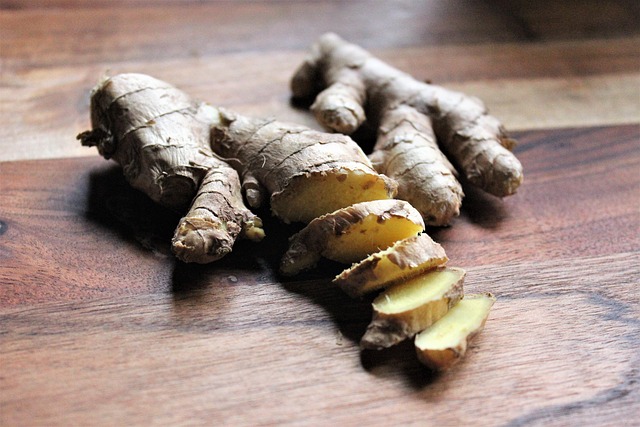
Integrating ginger into a wellness routine for digestive support requires a measured approach, grounded in the available evidence and individual health status. The strongest data supports its use for nausea, particularly postoperative, chemotherapy-induced, and pregnancy-related morning sickness. Evidence for other digestive benefits, like accelerating gastric emptying or reducing functional dyspepsia, is more preliminary and mixed.
A practical starting point for adults is 1–2 grams of fresh ginger root or 250–500 mg of a standardized ginger extract powder, taken up to three times daily with meals. This can be consumed as:
- Fresh Ginger Tea: Steep 4–6 thin slices of peeled ginger in hot water for 10 minutes.
- Powdered Supplement: Choose a product standardized to contain a known percentage of active gingerols and shogaols.
- Culinary Use: Incorporating grated or minced ginger into meals.
Consistency is key; ginger is not an acute pharmaceutical but may offer benefits as part of a regular dietary pattern. Effects are typically modest and may take consistent use over days or weeks to become noticeable for chronic issues.
Clinical Insight: In practice, ginger is often considered a benign first-line supportive measure for mild, functional digestive complaints. However, clinicians view it as an adjunct, not a replacement for diagnosing the underlying cause of persistent symptoms like severe abdominal pain, unexplained weight loss, or bleeding. Its mechanism is primarily local (GI tract) and mild anti-inflammatory, not curative for organic disease.
Important Cautions and Contraindications: Certain individuals should exercise caution or avoid high-dose ginger supplementation:
- Blood Thinning: Ginger may have antiplatelet effects. Those on anticoagulants (e.g., warfarin, aspirin, clopidogrel) or with bleeding disorders must consult a physician.
- Gallbladder Disease: Ginger may stimulate bile flow, potentially triggering contractions in individuals with gallstones.
- Pre-Surgery: Discontinue high-dose supplements at least 1–2 weeks before elective surgery due to bleeding risk.
- Pregnancy: While often used for morning sickness, dosage should be discussed with an obstetrician, typically limited to ≤1 gram per day.
- Gastroesophageal Reflux Disease (GERD): Ginger can be a trigger for heartburn in some individuals.
Before beginning any new supplement regimen, especially for managing a chronic digestive condition, a consultation with a healthcare provider is essential to rule out serious pathology and assess for potential drug-herb interactions.
5. When to Seek Medical Advice and Safety Protocols
While ginger is generally recognized as safe (GRAS) by the FDA for culinary use, its use as a concentrated supplement for digestive wellness requires a more cautious, clinical perspective. It is essential to understand when self-management is appropriate and when professional medical evaluation is necessary.
Indications for Consulting a Healthcare Provider
You should consult a physician or gastroenterologist before using ginger supplements if you experience any of the following symptoms, as they may indicate a more serious underlying condition:
- Unexplained or persistent abdominal pain that is severe, worsening, or changes in character.
- Recurrent vomiting, especially if accompanied by an inability to keep liquids down.
- Signs of gastrointestinal bleeding, such as black, tarry stools (melena) or vomiting blood (hematemesis).
- Unintended weight loss, fever, or significant changes in bowel habits lasting more than a few weeks.
In these scenarios, ginger should not be used as a substitute for a proper diagnostic workup. Its symptomatic relief could potentially mask a condition requiring specific medical or surgical intervention.
Key Safety Protocols and Contraindications
For individuals considering ginger supplementation, adhering to safety protocols is paramount. The following groups should exercise particular caution or avoid use:
- Individuals on anticoagulant/antiplatelet therapy (e.g., warfarin, clopidogrel, aspirin): Ginger may have mild antiplatelet effects, potentially increasing the risk of bleeding. Concurrent use requires medical supervision.
- Those with gallstone disease: Ginger may stimulate bile flow, which could theoretically provoke a gallbladder attack.
- Individuals scheduled for surgery: Discontinue use at least 1-2 weeks prior to any elective surgical procedure due to bleeding risk.
- People with known allergies to ginger or related plants (e.g., turmeric, cardamom).
Clinical Insight: In practice, the primary risk of ginger is not acute toxicity but interaction with existing conditions and medications. A common oversight is patients not disclosing "natural" supplement use to their physicians. Always provide your doctor with a complete list of all supplements and over-the-counter products you are taking, as they are relevant to your overall medical management.
Dosage and Formulation: Evidence for digestive benefits typically comes from studies using standardized extracts or doses of 1,000–1,500 mg per day, often divided. Starting with a lower dose to assess tolerance is prudent. The evidence for ginger's efficacy is stronger for nausea (especially pregnancy-related and chemotherapy-induced) and may be more preliminary or mixed for other functional digestive complaints.
In summary, ginger can be a supportive element in a digestive wellness plan, but it operates within clear boundaries. Its use should be informed, cautious, and integrated with, not in place of, professional medical advice when red-flag symptoms or specific risk factors are present.
6. Questions & Expert Insights
Can ginger root effectively treat nausea and vomiting?
Evidence strongly supports ginger as a safe and effective natural option for certain types of nausea. Multiple systematic reviews and meta-analyses conclude that ginger is significantly more effective than a placebo for nausea and vomiting in pregnancy (NVP), post-operative nausea, and chemotherapy-induced nausea. The proposed mechanism involves gingerols and shogaols, which may act on serotonin receptors in the gut and brain. For acute motion sickness, the data is more mixed; it may help but is likely less potent than prescription antiemetics. The typical effective dose in studies ranges from 500 mg to 1500 mg of powdered ginger root extract per day, taken in divided doses. It's important to note that while the evidence is robust for these specific conditions, it does not support ginger as a universal cure for all forms of nausea, such as that from severe gastroenteritis or underlying chronic illness.
What are the risks and who should avoid taking ginger supplements?
While generally recognized as safe (GRAS) by the FDA for dietary use, ginger supplements carry specific risks for certain populations. The primary concern is its anticoagulant (blood-thinning) effect. Ginger may inhibit platelet aggregation and potentiate the effects of medications like warfarin, aspirin, and other NSAIDs, increasing bleeding risk. Individuals with bleeding disorders, scheduled for surgery, or on anticoagulant therapy should avoid therapeutic doses. High doses (typically over 4 grams daily) can cause heartburn, gas, and mouth irritation. Crucially, the safety of high-dose ginger in pregnancy is not fully established beyond the first trimester, and it should be used under obstetric guidance. Those with gallstone disease should also exercise caution, as ginger may increase bile secretion.
When should I talk to a doctor about using ginger for digestive issues?
Consult a physician or gastroenterologist if your digestive symptoms are severe, persistent (lasting more than two weeks), or accompanied by red-flag signs such as unexplained weight loss, difficulty swallowing, severe abdominal pain, or blood in stool. These symptoms require proper diagnosis, and self-treating with ginger could delay identifying a serious condition like inflammatory bowel disease (IBD), celiac disease, or malignancy. Before your appointment, prepare a concise list: note the specific symptom (e.g., "post-meal bloating"), the dose and form of ginger you've tried, the duration of use, and any other supplements or medications you take. This information helps your doctor assess potential interactions and determine if ginger is a compatible adjunct therapy or if a different investigative and treatment path is necessary.
Is there good evidence for ginger treating other digestive problems like IBS or bloating?
The evidence for ginger's efficacy in conditions like Irritable Bowel Syndrome (IBS) or functional bloating is preliminary and less conclusive. Some small-scale human and animal studies suggest ginger's anti-inflammatory and prokinetic (promoting gut motility) properties could theoretically benefit IBS, particularly constipation-predominant (IBS-C) subtypes. However, robust, large-scale randomized controlled trials specifically targeting IBS with ginger are lacking. For general bloating and dyspepsia, anecdotal and traditional use is strong, but high-quality clinical evidence is sparse. It may help some individuals by accelerating gastric emptying, but it could potentially worsen symptoms in others, such as those with a sensitive stomach or acid reflux. The current state of evidence supports ginger more firmly for upper GI symptoms (nausea) than for lower GI functional disorders.
7. In-site article recommendations
8. External article recommendations
9. External resources
The links below point to reputable medical and evidence-based resources that can be used for further reading. Always interpret them in the context of your own situation and your clinician’s advice.
-
healthline healthline.comginger root – Healthline (search)
-
mayoclinic mayoclinic.orgginger root – Mayo Clinic (search)
-
drugs drugs.comginger root – Drugs.com (search)
These external resources are maintained by third-party organisations. Their content does not represent the editorial position of this site and is provided solely to support readers in accessing additional professional information.