
1. Introduction to Ozempic and Appetite Control

Ozempic (semaglutide) is a prescription medication initially approved by the U.S. Food and Drug Administration (FDA) for improving glycemic control in adults with type 2 diabetes. It belongs to a class of drugs known as glucagon-like peptide-1 (GLP-1) receptor agonists. While its primary mechanism is to stimulate insulin secretion and suppress glucagon release in a glucose-dependent manner, its profound effects on body weight and appetite have propelled it into the spotlight for weight management.
The connection between Ozempic and appetite control is rooted in its physiological action. GLP-1 is a naturally occurring incretin hormone involved in regulating blood sugar and satiety. As a GLP-1 analog, Ozempic mimics this hormone, exerting several key effects:
- Slowing Gastric Emptying: It delays the rate at which food leaves the stomach, leading to a prolonged feeling of fullness after meals.
- Direct Action on the Brain: It acts on receptors in the hypothalamus, a brain region central to appetite regulation, to promote satiety and reduce hunger signals.
- Reducing Food Cravings: Many patients report a decreased desire for high-calorie or "reward-based" foods, though the precise neurological mechanisms are still being studied.
The evidence for Ozempic's impact on appetite and weight is robust within its approved population. Large-scale clinical trials in individuals with type 2 diabetes consistently demonstrate significant weight loss as a secondary benefit. This effect is attributed directly to reduced caloric intake driven by improved appetite control. However, it is crucial to distinguish this from its use for obesity without diabetes, for which a higher-dose formulation (Wegovy, also semaglutide) is specifically FDA-approved.
Clinical Insight: While the appetite-suppressing effects are well-documented, they are not universal. Individual responses vary, and the sensation is often described as a diminished preoccupation with food rather than a complete absence of hunger. Clinicians view this as a powerful tool within a comprehensive treatment plan, not a standalone solution. The goal is to use the period of reduced appetite to establish sustainable dietary and behavioral changes.
It is essential to approach this topic with caution. Ozempic is a potent prescription drug with potential side effects, including gastrointestinal issues like nausea and vomiting, and rare but serious risks such as pancreatitis. It is not appropriate for everyone. Individuals with the following should exercise particular caution and must consult a physician:
- A personal or family history of medullary thyroid carcinoma or Multiple Endocrine Neoplasia syndrome type 2.
- A history of pancreatitis.
- Severe gastrointestinal disease.
- Pregnancy, breastfeeding, or plans for pregnancy.
Understanding Ozempic's role in appetite control requires a balanced view of its proven physiological actions, the strong evidence from clinical trials, and a clear acknowledgment of its limitations and risks. It represents a significant advancement in pharmacotherapy, but its use must be medically supervised and integrated into a broader strategy for health.
2. Mechanisms and Evidence Behind Ozempic's Effects

Ozempic (semaglutide) is a glucagon-like peptide-1 (GLP-1) receptor agonist. Its primary mechanism for appetite control is multifaceted, acting on several physiological pathways to promote satiety and reduce food intake.
Key Mechanisms of Action
The drug's effects are primarily mediated through its action on GLP-1 receptors located in multiple organ systems:
- Central Nervous System (Brain): Semaglutide crosses the blood-brain barrier and acts on receptors in appetite-regulating centers, such as the hypothalamus. This directly increases feelings of fullness (satiety) and reduces cravings.
- Gastrointestinal Tract: It slows gastric emptying, meaning food stays in the stomach longer. This physical sensation of fullness contributes to reduced hunger and delays the return of appetite after eating.
- Pancreas: It enhances glucose-dependent insulin secretion and suppresses glucagon release, which helps stabilize blood sugar levels. Stable blood sugar can reduce the sharp hunger pangs associated with glycemic dips.
Evidence for Efficacy
The evidence for Ozempic's weight-loss effect is robust, stemming from its original development for type 2 diabetes and subsequent dedicated obesity trials.
- Strong Evidence (STEP Trials): The landmark STEP clinical trial program for semaglutide 2.4 mg (Wegovy) demonstrated significant, sustained weight loss. In STEP 1, participants with obesity (without diabetes) achieved an average 14.9% reduction in body weight over 68 weeks, significantly more than the placebo group.
- Evidence in Type 2 Diabetes: In trials for its approved indication, Ozempic (doses up to 1 mg) consistently showed superior weight reduction compared to other diabetes medications like sitagliptin or insulin. Weight loss, while notable, is generally more modest in populations with type 2 diabetes than in those without.
- Limitations and Uncertainties: Long-term data (beyond a few years) on weight maintenance after discontinuation is still evolving. A significant proportion of the weight is often regained if the medication is stopped, indicating its effects are treatment-dependent rather than curative.
Clinical Perspective: It is crucial to understand that Ozempic's appetite control is a pharmacological effect. While highly effective for many, it does not address the behavioral, psychological, or environmental components of weight management on its own. Sustainable outcomes typically require concurrent lifestyle therapy. Furthermore, individual response varies, and not all patients experience the same degree of appetite suppression.
Who Should Be Cautious: Individuals with a personal or family history of medullary thyroid carcinoma or Multiple Endocrine Neoplasia syndrome type 2 should not use this drug. Those with a history of pancreatitis, severe gastrointestinal disease, or kidney impairment require careful medical evaluation and monitoring. It is not approved for use during pregnancy. Anyone considering this medication for off-label weight management must consult a physician to assess suitability and risks.
3. Risks, Side Effects, and Populations to Avoid

While semaglutide (Ozempic) is an effective medication, its use is associated with a well-documented profile of potential adverse effects and specific contraindications. A thorough understanding of these risks is essential for any patient or clinician considering this therapy.
Common and Gastrointestinal Side Effects
The most frequently reported side effects are gastrointestinal, stemming from the drug's primary mechanism of slowing gastric emptying and acting on brain receptors to promote satiety. These effects are often dose-dependent and may diminish over time, but they can be significant.
- Nausea, vomiting, and diarrhea: Very common, especially during dose escalation.
- Constipation and abdominal pain: Frequently reported and can impact quality of life.
- Reduced appetite: While a therapeutic goal, it must be monitored to ensure adequate nutritional intake.
Serious Risks and Safety Warnings
Beyond common side effects, there are more serious, albeit rarer, risks that require vigilance.
- Pancreatitis: Cases of acute pancreatitis have been reported. Patients should be advised to seek immediate medical attention for severe, persistent abdominal pain.
- Diabetic Retinopathy Complications: In patients with type 2 diabetes, a rapid improvement in glycemic control has been associated with a transient worsening of diabetic retinopathy in some clinical trials.
- Gallbladder Disease: An increased risk of cholelithiasis (gallstones) and cholecystitis has been observed, potentially related to rapid weight loss.
- Hypoglycemia: When used with other glucose-lowering medications like insulin or sulfonylureas, the risk of hypoglycemia increases, necessitating careful dose adjustment.
The evidence for these serious risks is based on clinical trial data and post-marketing surveillance, though their absolute incidence remains low in the general treated population.
Clinical Insight: The gastrointestinal side effects are often manageable with a slow, gradual dose titration and dietary modifications (e.g., eating smaller, low-fat meals). However, the presence of severe or persistent GI symptoms requires evaluation, as it can lead to dehydration and, in extreme cases, acute kidney injury. The benefit-risk calculus shifts significantly for individuals with certain pre-existing conditions.
Populations Who Should Avoid or Use Extreme Caution
Ozempic is contraindicated or requires extreme caution and specialist consultation in several key groups:
- Personal or Family History of Medullary Thyroid Carcinoma (MTC) or Multiple Endocrine Neoplasia syndrome type 2 (MEN 2): Semaglutide caused thyroid C-cell tumors in rodent studies; human relevance is unknown but contraindicated.
- History of Pancreatitis: Patients with a prior episode of pancreatitis should generally avoid GLP-1 receptor agonists.
- Severe Gastrointestinal Disease: Including gastroparesis, severe gastroesophageal reflux disease (GERD), or inflammatory bowel disease, as the drug can exacerbate symptoms.
- Pregnancy and Breastfeeding: Insufficient safety data exists; use is not recommended.
- End-Stage Renal Disease or Severe Hepatic Impairment: Use has not been studied and is not recommended.
- History of Diabetic Retinopathy: Requires close monitoring by an ophthalmologist.
Ultimately, initiating Ozempic should be a shared decision between a patient and their physician, based on a comprehensive review of individual health history, current medications, and therapeutic goals.
4. Clinical and Lifestyle Practical Takeaways
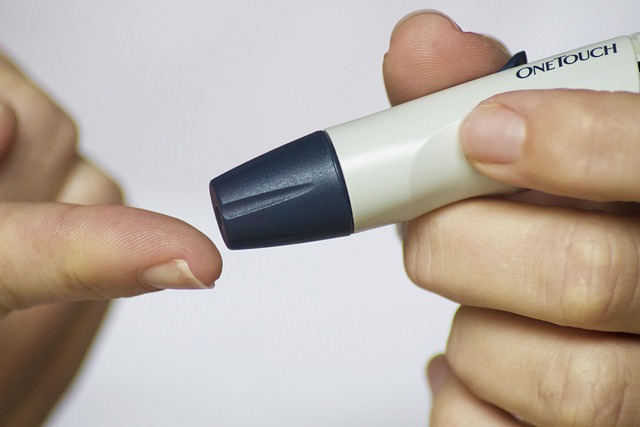
For individuals prescribed semaglutide (Ozempic) for type 2 diabetes or weight management, integrating the medication with sustainable lifestyle practices is essential for optimal outcomes. The drug is a powerful tool, not a standalone solution.
Integrating Medication with Lifestyle
Strong clinical trial evidence shows that the greatest benefits in glycemic control and weight reduction occur when semaglutide is combined with foundational health behaviors. Practical steps include:
- Dietary Focus: Prioritize protein and fiber intake at meals to enhance satiety and help mitigate potential gastrointestinal side effects like nausea. Eating slowly and stopping at the first sign of fullness is crucial, as the medication delays gastric emptying.
- Physical Activity: Engage in regular resistance training alongside aerobic exercise. This helps preserve lean muscle mass during weight loss, which is critical for maintaining metabolic rate and functional strength.
- Hydration and Monitoring: Drink adequate water throughout the day, as dehydration can worsen side effects. Regular monitoring of blood glucose (for diabetics) and periodic check-ins with your healthcare provider are necessary for dose adjustment and safety.
Clinical Perspective: The medication creates a physiological opportunity for change by reducing appetite and food noise. The long-term success, however, depends on using that window to establish durable nutritional and behavioral patterns. We view it as a catalyst for lifestyle modification, not a replacement.
Important Cautions and Contraindications
This approach is not suitable for everyone. Individuals with the following conditions should exercise extreme caution and only use semaglutide under direct specialist supervision:
- Personal or family history of medullary thyroid carcinoma or Multiple Endocrine Neoplasia syndrome type 2.
- History of pancreatitis.
- Severe gastrointestinal disease, including gastroparesis.
- Pregnancy, breastfeeding, or those planning pregnancy.
- History of diabetic retinopathy requires careful monitoring, as rapid improvement in glucose control can sometimes temporarily worsen retinopathy.
Furthermore, the evidence for long-term maintenance (>5 years) of weight loss after discontinuation is limited. A structured plan for ongoing lifestyle support is recommended to prevent weight regain. Always consult your physician before starting or making changes to any treatment regimen.
5. Safety Monitoring and When to Consult a Physician

While GLP-1 receptor agonists like semaglutide (Ozempic) are generally well-tolerated, their use requires proactive safety monitoring and clear communication with a healthcare provider. This is not a medication to be initiated or managed independently.
Essential Safety Monitoring
Regular follow-up is a cornerstone of safe therapy. Your physician will typically monitor:
- Metabolic Parameters: Regular checks of HbA1c (for diabetes), fasting glucose, and lipid profiles.
- Pancreatic and Gallbladder Health: Monitoring for symptoms of pancreatitis (severe, persistent abdominal pain) and cholelithiasis.
- Renal Function: Assessment of kidney function, especially during initial dose escalation, as dehydration from gastrointestinal side effects can impact renal status.
- Thyroid Exams: A baseline history and periodic palpation of the thyroid gland are advised due to a boxed warning regarding a potential risk of thyroid C-cell tumors, primarily observed in rodent studies. The clinical relevance in humans is still under investigation.
Clinical Insight: The most common side effects—nausea, vomiting, diarrhea, and constipation—are often dose-dependent and transient. However, their management is crucial. We advise patients on structured dose titration, dietary modifications (e.g., smaller, low-fat meals), and adequate hydration to mitigate these effects and prevent complications like dehydration or acute kidney injury.
When to Consult Your Physician Immediately
Seek prompt medical attention if you experience any of the following potential serious adverse events:
- Severe, persistent abdominal pain (possible pancreatitis).
- Symptoms of a severe allergic reaction (rash, itching, dizziness, difficulty breathing).
- Vision changes (a known but less common effect of rapid glycemic improvement).
- Signs of dehydration (extreme thirst, very dry mouth, infrequent urination).
- A lump or swelling in the neck, hoarseness, or difficulty swallowing (potential thyroid symptoms).
Who Should Exercise Particular Caution?
Certain individuals should only use this medication after a thorough risk-benefit discussion with a specialist:
- Individuals with a personal or family history of medullary thyroid carcinoma (MTC) or Multiple Endocrine Neoplasia syndrome type 2 (MEN 2).
- Patients with a history of pancreatitis.
- Those with severe gastrointestinal disease (e.g., gastroparesis).
- Patients with moderate to severe renal impairment.
- Individuals with a history of diabetic retinopathy.
- Pregnant or breastfeeding individuals, as safety data is limited.
Initiating Ozempic is the beginning of a monitored therapeutic partnership. Consistent, transparent communication with your physician is the most effective tool for ensuring safety and achieving sustainable health outcomes.
6. Questions & Expert Insights
How does Ozempic actually work to control appetite?
Ozempic (semaglutide) is a GLP-1 receptor agonist. It mimics the action of a natural gut hormone called glucagon-like peptide-1, which is released after eating. Its primary mechanism for appetite control is twofold. First, it slows gastric emptying, meaning food stays in the stomach longer, promoting a sustained feeling of fullness. Second, and more critically, it acts directly on receptors in the hypothalamus, the brain's appetite regulation center. This action reduces "hunger signaling" and increases "satiety signaling," effectively lowering the desire to eat and making it easier to consume fewer calories. It's important to understand that this is a pharmacological intervention for a biological process, not a simple "willpower" aid. The effect is dose-dependent and can vary significantly between individuals.
What are the most common and serious side effects, and who should avoid Ozempic?
Gastrointestinal side effects are very common, especially during dose escalation. These include nausea, vomiting, diarrhea, constipation, and abdominal pain, which often subside over time. More serious risks include the potential for pancreatitis, gallbladder disease (like gallstones), and diabetic retinopathy complications in patients with type 2 diabetes. There is also a boxed warning for thyroid C-cell tumors observed in rodent studies; Ozempic is contraindicated in patients with a personal or family history of Medullary Thyroid Carcinoma (MTC) or in patients with Multiple Endocrine Neoplasia syndrome type 2 (MEN 2). It should be avoided in individuals with a history of severe gastrointestinal disease. Importantly, it is not approved for use during pregnancy or in individuals with a history of pancreatitis.
Is the weight loss from Ozempic sustainable if I stop taking it?
Current evidence strongly suggests that weight regain is likely upon discontinuation. Obesity is a chronic, relapsing disease, and medications like Ozempic manage the condition rather than cure it. Clinical trials, such as the STEP 1 extension study, show that participants who stopped semaglutide regained a significant portion of their lost weight over the following year. This underscores that the physiological effects of the medication—slowed gastric emptying and appetite suppression—cease when the drug is cleared from the body. Sustainability therefore depends on whether the treatment period was used to establish durable lifestyle habits. For many, long-term or indefinite treatment may be necessary to maintain the health benefits, similar to managing other chronic conditions like hypertension.
When should I talk to my doctor about Ozempic, and how should I prepare for that conversation?
Initiate a conversation with your doctor if you have a Body Mass Index (BMI) of 30 or greater (obesity), or a BMI of 27 or greater (overweight) with at least one weight-related comorbidity such as type 2 diabetes, hypertension, or dyslipidemia, and lifestyle interventions have not been sufficient. Come prepared to discuss your complete medical history. Bring a list of all current medications and supplements, a detailed history of your weight loss efforts, and your personal health goals. Be ready to discuss any history of thyroid cancer, pancreatitis, gallbladder disease, or kidney problems. This appointment should be a collaborative decision-making process. Ask about the expected benefits, realistic timelines, management of potential side effects, long-term treatment plans, and how this medication integrates with ongoing dietary and exercise strategies.
7. In-site article recommendations
8. External article recommendations
9. External resources
The links below point to reputable medical and evidence-based resources that can be used for further reading. Always interpret them in the context of your own situation and your clinician’s advice.
-
healthline healthline.comOzempic – Healthline (search)
-
drugs drugs.comOzempic – Drugs.com (search)
-
mayoclinic mayoclinic.orgOzempic – Mayo Clinic (search)
These external resources are maintained by third-party organisations. Their content does not represent the editorial position of this site and is provided solely to support readers in accessing additional professional information.