
1. Introduction to Strength Training and Intermittent Fasting
Intermittent fasting (IF) and strength training are two prominent health and fitness strategies that have gained significant attention for their individual benefits. Intermittent fasting is an eating pattern that cycles between periods of fasting and eating, with popular methods including the 16/8 method (fasting for 16 hours, eating within an 8-hour window) or alternate-day fasting. Its proposed benefits, supported by a growing body of research, include improved metabolic health, insulin sensitivity, and cellular repair processes like autophagy.
Strength training, or resistance training, involves exercises designed to improve muscular strength, power, and endurance by working against a force. Its well-established benefits extend beyond aesthetics to include increased bone density, improved metabolic rate, enhanced functional capacity, and reduced risk of chronic disease.
The central question this article explores is whether combining these two powerful modalities—training for muscle in a fasted state—is a safe and effective strategy for achieving body composition and performance goals. The intersection presents a potential synergy but also raises important physiological and safety considerations.
- Potential Synergy: Fasting may enhance fat oxidation, while strength training builds metabolically active muscle tissue. Some proponents suggest this combination can optimize body recomposition (losing fat while preserving or gaining muscle).
- Physiological Tension: Muscle protein synthesis (MPS), the process of building muscle, requires amino acids from protein. Fasting, by definition, creates a period where nutrient intake—including protein—is absent. This leads to a core debate about the timing of nutrient intake relative to training.
The evidence surrounding this practice is nuanced. While some short-term studies suggest fasted training does not necessarily impair performance or muscle gains in all populations, the data is mixed and often involves trained individuals. The long-term effects, particularly for those with specific goals like maximal hypertrophy (muscle growth), are less clear. Most sports nutrition guidelines emphasize the importance of peri-workout nutrition, especially protein, for optimal recovery and adaptation.
Clinical Perspective: From a physiological standpoint, the primary concern is the potential for an increased rate of muscle protein breakdown during fasted training without concurrent amino acid availability to support synthesis. For general health and maintenance, this may be less critical. However, for individuals focused on significant strength gains or hypertrophy, aligning training sessions with feeding windows or ensuring post-workout nutrition is a more evidence-supported approach. The individual's training status, overall diet quality, and specific goals are paramount.
It is crucial to note that this approach is not suitable for everyone. Individuals who are new to exercise, have a history of eating disorders, are pregnant or breastfeeding, have diabetes or blood sugar dysregulation, or are under significant metabolic stress should exercise extreme caution and consult with a physician or registered dietitian before attempting to combine intermittent fasting with structured strength training.
2. Evidence-Based Mechanisms and Physiological Interactions
The concurrent practice of intermittent fasting (IF) and strength training presents a unique physiological scenario. The primary question is whether the catabolic state induced by fasting undermines the anabolic stimulus of resistance exercise. Current evidence suggests these two stressors can be synergistic for body composition under specific conditions, but the mechanisms are nuanced and not universally applicable.
The most strongly supported interaction is the enhancement of fat oxidation. During the fasted state, lower insulin and depleted liver glycogen increase the reliance on fat stores for energy. When strength training is introduced, this metabolic environment may promote a greater utilization of adipose tissue to fuel the workout and recovery, potentially improving fat loss while preserving muscle.
Regarding muscle protein synthesis (MPS), the evidence is more complex and contingent on timing:
- Pre-Workout Fasting: Training in a fasted state does not inherently blunt the MPS response, provided a sufficient dose of high-quality protein is consumed in the post-exercise "feeding window."
- Nutrient Timing: The anabolic window is wider than once thought, but delaying protein intake for several hours post-exercise may suboptimally support muscle repair and growth over the long term.
- Hormonal Adaptations: Fasting can elevate growth hormone and norepinephrine, which may support lipolysis. However, these transient hormonal spikes are poor predictors of long-term muscle growth compared to consistent protein intake and progressive overload.
A critical, evidence-based mechanism is autophagy—the cellular "clean-up" process upregulated during fasting. Preliminary research suggests combining fasting with exercise may further stimulate this pathway, potentially aiding in cellular repair and metabolic health. However, direct evidence linking this specific combination to superior muscle recovery or hypertrophy in humans remains limited.
Clinical Perspective: The safety and efficacy of this combination hinge largely on individual context. For a well-nourished individual with training experience, the strategy can be effective for recomposition. The major risk is an energy or protein deficit so severe that it leads to muscle loss, elevated cortisol, and compromised recovery. This is not a "more is better" scenario; the fasting window and training volume must be carefully calibrated.
Who should be cautious? Individuals new to strength training, those with a history of metabolic disorders (like diabetes), eating disorders, or who are in a caloric deficit for extended periods should seek guidance from a physician or sports dietitian. The combined metabolic stress can be significant and requires careful management to ensure safety and results.
3. Risks, Contraindications, and Populations to Avoid
While the combination of intermittent fasting (IF) and strength training can be effective for some, it is not universally safe or appropriate. A thorough risk assessment is essential, as the practice introduces specific physiological stressors that can be contraindicated for certain individuals.
Key Risks and Adverse Effects
The primary risks stem from exercising in a fasted state, which can lead to:
- Hypoglycemia: Individuals with impaired glucose regulation, including those with diabetes or prediabetes, may experience dangerous drops in blood sugar during fasted training.
- Increased Injury Risk: Perceived exertion may be higher, and coordination or maximal force output may be compromised due to low glycogen stores, potentially increasing the risk of musculoskeletal injury.
- Excessive Fatigue and Recovery Issues: Inadequate calorie and nutrient timing around workouts can lead to prolonged fatigue, poor recovery, and symptoms of overtraining.
- Disordered Eating Patterns: The structured eating windows of IF can, for some, trigger or exacerbate restrictive eating behaviors, obsessive food thoughts, or a problematic relationship with food.
Clinical Insight: From a metabolic standpoint, the body's stress response (e.g., elevated cortisol) to fasted training can be more pronounced. For individuals already under high stress or with adrenal dysregulation, this can be counterproductive, potentially hindering recovery and body composition goals rather than helping them.
Populations Who Should Avoid or Proceed with Extreme Caution
Based on clinical evidence and physiological principles, the following groups are generally advised to avoid combining IF with intense strength training, or to do so only under direct medical supervision:
- Individuals with a history of eating disorders (e.g., anorexia, bulimia, binge eating disorder).
- Those with diabetes (especially Type 1 or insulin-dependent Type 2), due to significant hypoglycemia risk.
- Pregnant or breastfeeding women, due to heightened caloric and nutrient demands.
- Adolescents and older adults, due to specific nutritional needs for development or sarcopenia prevention.
- Individuals with kidney or liver disease, as fasting alters metabolic waste processing.
- Those under significant chronic stress or with diagnosed adrenal fatigue/HPA axis dysfunction.
- People with low body weight (BMI < 18.5) or known nutrient deficiencies.
The evidence supporting fasted training for superior muscle gain or fat loss is mixed and often context-dependent. For the general population without contraindications, a cautious, individualized approach—listening to bodily signals and prioritizing nutrient timing—is prudent. Anyone with pre-existing medical conditions or concerns must consult a physician or a registered dietitian before commencing this regimen.
4. Practical, Evidence-Informed Recommendations
Integrating strength training with intermittent fasting (IF) requires a structured approach to support performance, recovery, and safety. The evidence for this combination is promising but not definitive; it suggests success is highly dependent on individual adaptation and meticulous planning.
To align training with your fasting window, consider these evidence-informed strategies:
- Schedule Training at the End of Your Fast: Training in a fasted state may enhance certain metabolic adaptations, such as fat oxidation. However, for strength performance, the evidence is mixed. A practical compromise is to schedule your session just before your first meal, allowing you to break your fast immediately post-workout with a protein-rich meal to initiate muscle protein synthesis.
- Prioritize Protein and Nutrient Timing: Consume sufficient daily protein (e.g., 1.6–2.2 g/kg of body weight) and concentrate a significant portion in your post-workout meal. This is strongly supported by evidence for muscle repair and growth, especially within the context of a restricted eating window.
- Hydrate and Electrolytes are Non-Negotiable: Maintain hydration with water and consider adding sodium, potassium, and magnesium to your water, particularly during longer fasts or intense training sessions, to prevent cramps and dizziness.
- Listen to Biofeedback: Monitor energy levels, strength output, and recovery. A sustained drop in performance, excessive fatigue, or disrupted sleep may indicate the protocol is too aggressive and requires adjustment.
Clinical Perspective: From a physiological standpoint, the primary concern is ensuring the anabolic (muscle-building) signal from training is not blunted by a prolonged lack of fuel. The "fasted training" window should be relatively short. The most robust evidence supports the critical importance of total protein intake and strategic nutrient timing around the workout, rather than the fasted state itself.
It is crucial to acknowledge the limitations of the current evidence. Most studies are short-term and involve trained individuals. Long-term effects on muscle mass, bone health, and hormonal profiles in various populations remain less clear.
Who should proceed with caution? Individuals new to either strength training or IF should adopt one practice at a time. Those with a history of metabolic disorders (like diabetes), hypotension, eating disorders, or who are pregnant/breastfeeding should avoid this combination without explicit medical guidance. Anyone on medication, especially for blood pressure or glucose, must consult a physician, as IF can alter requirements.
5. Safety Protocols and Indications for Medical Consultation
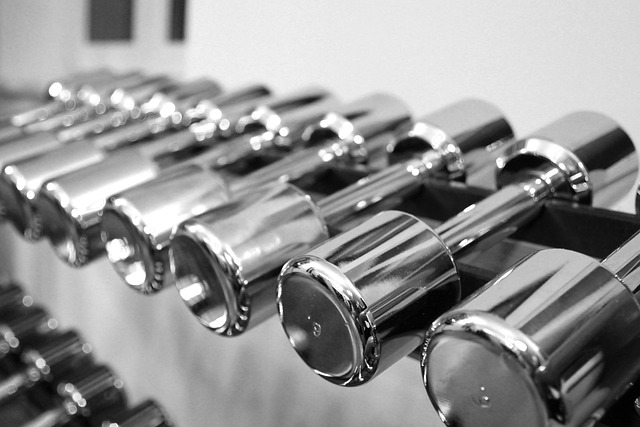
Combining strength training with intermittent fasting (IF) can be a potent strategy for body recomposition, but it requires a structured approach to safety. The primary risks are hypoglycemia (low blood sugar), dehydration, suboptimal workout performance, and potential loss of lean mass if nutrition is not adequately managed. A systematic safety protocol is essential to mitigate these risks.
Core Safety Protocols
Adhering to these evidence-informed practices can significantly enhance safety and efficacy:
- Prioritize Hydration and Electrolytes: Consume water throughout the fasting and feeding windows. Adding a pinch of salt to water, especially around workouts, can help maintain sodium levels, which is crucial for nerve and muscle function.
- Time Your Nutrition Strategically: The most common and evidence-supported approach is to schedule strength training sessions towards the end of the fasting period or shortly before your first meal. This allows you to consume protein and carbohydrates post-workout to aid muscle repair and glycogen replenishment.
- Monitor Intensity and Listen to Your Body: Begin with moderate intensity. Signs like dizziness, excessive weakness, nausea, or lightheadedness are clear indicators to stop exercising, break your fast, and hydrate.
- Ensure Sufficient Protein and Caloric Intake: During your eating window, consume enough high-quality protein (a general guideline is 1.6–2.2 grams per kilogram of body weight daily) and overall calories to support recovery and muscle maintenance. This is non-negotiable for preserving lean mass.
Clinical Perspective: From a physiological standpoint, training in a fasted state increases fat oxidation, but it does not inherently "burn more muscle" if protein intake is sufficient and resistance training is consistent. The greater clinical concern is for individuals with dysregulated metabolism or those who may misinterpret the protocol and chronically under-eat, leading to a catabolic state and hormonal disruption.
Indications for Medical Consultation
While generally safe for healthy individuals, this combined approach is not advisable for everyone. You should consult a physician or a registered dietitian before starting if you have:
- Diabetes (type 1 or type 2) or hypoglycemia
- A history of eating disorders
- Kidney or liver disease
- Pregnancy or breastfeeding
- Are taking medications that affect blood sugar or blood pressure
- Have a history of cardiovascular issues
- Are new to both exercise and dietary restriction
The evidence for combining IF and strength training is promising but primarily from short- to medium-term studies on healthy, trained individuals. Long-term data is more limited. Proceeding with caution, personalized adjustments, and professional guidance for at-risk populations is the hallmark of a responsible and sustainable practice.
6. Questions & Expert Insights
Can I build muscle effectively while training in a fasted state?
The evidence on muscle protein synthesis (MPS) in a fasted state is nuanced. The primary driver for muscle growth is progressive overload and sufficient total protein intake, not necessarily the timing of that intake relative to training. Some short-term studies suggest fasted training may increase markers of fat oxidation, but this does not directly translate to superior muscle hypertrophy. The potential concern is that training after an overnight fast, without a pre-workout protein source, may limit the anabolic window post-exercise. However, if your overall daily protein intake (typically 1.6-2.2 g/kg of body weight) is met and strategically distributed across your eating window, you can effectively support muscle repair and growth. The key is ensuring your post-workout meal within the feeding window is protein-rich.
What are the main risks, and who should avoid combining strength training with intermittent fasting?
This combined approach carries specific risks that necessitate caution. The primary concerns are energy availability, hydration, and electrolyte imbalance. Inadequate calorie intake can lead to low energy availability, which may suppress hormone function, impair recovery, and increase injury risk. Dehydration and hyponatremia (low sodium) are risks if fluids and electrolytes are not adequately replenished, especially during longer fasts. This strategy is generally not recommended for: individuals with a history of disordered eating; those with type 1 or advanced type 2 diabetes; pregnant or breastfeeding women; adolescents; individuals with adrenal or thyroid disorders; and those with kidney disease who require strict protein/fluid management. The evidence for long-term safety in these populations is lacking.
When should I talk to a doctor, and how should I prepare for that conversation?
Consult a physician or a registered dietitian before starting if you have any chronic health condition (e.g., diabetes, cardiovascular disease, kidney or liver issues), take medications (especially for blood pressure, diabetes, or blood thinners), or are pregnant. You should also schedule a visit if you experience persistent dizziness, extreme fatigue, irregular heartbeat, or significant performance declines. For the appointment, bring a detailed log of your proposed fasting schedule (e.g., 16:8), your typical daily food and fluid intake, your training regimen, and a list of all medications and supplements. This allows your doctor to assess potential interactions, such as hypoglycemia risk with diabetes medications or dehydration with diuretics, and provide personalized, safe guidance.
Is fasted strength training better for fat loss than fed training?
Current high-quality evidence does not conclusively show that fasted training leads to greater fat loss over time compared to fed training when calorie intake is matched. The theory is that fasted training may increase lipolysis (fat breakdown) during the exercise session itself. However, fat loss is governed by a sustained calorie deficit over weeks and months, not the acute metabolic state of a single workout. The body compensates throughout the 24-hour cycle. Some individuals find that fasting helps them maintain a deficit more easily by controlling appetite, which can indirectly support fat loss. But the modality of training (fasted vs. fed) is a minor variable within the larger equation of energy balance. Individual adherence and performance are far more critical factors for long-term success.
7. In-site article recommendations
8. External article recommendations
9. External resources
The links below point to reputable medical and evidence-based resources that can be used for further reading. Always interpret them in the context of your own situation and your clinician’s advice.
-
healthline healthline.comstrength training – Healthline (search)
-
examine examine.comstrength training – Examine.com (search)
-
drugs drugs.comstrength training – Drugs.com (search)
These external resources are maintained by third-party organisations. Their content does not represent the editorial position of this site and is provided solely to support readers in accessing additional professional information.