
1. Turmeric and Inflammation: Setting the Stage for 2026

To understand turmeric's potential role in managing inflammation by 2026, it is essential to first establish a clear, evidence-based foundation. The primary active compound in turmeric, curcumin, has been the subject of extensive preclinical and clinical research for its anti-inflammatory properties. Its proposed mechanisms include the modulation of key molecular pathways, such as the inhibition of nuclear factor-kappa B (NF-κB) and the downregulation of pro-inflammatory cytokines like tumor necrosis factor-alpha (TNF-α) and interleukins.
Current evidence presents a nuanced picture. A significant body of in vitro (cell-based) and animal studies strongly supports curcumin's potent anti-inflammatory activity. In human clinical trials, results are more mixed, though promising. Systematic reviews and meta-analyses suggest curcumin supplementation can lead to statistically significant reductions in inflammatory markers, such as C-reactive protein (CRP), in specific populations, including those with metabolic syndrome or arthritis.
However, critical limitations temper these findings:
- Bioavailability: Curcumin has notoriously poor oral bioavailability, leading to the development and study of various formulations (e.g., with piperine from black pepper or in lipid-based nanoparticles) to enhance absorption.
- Study Heterogeneity: Trials vary widely in dosage, formulation, duration, and the health status of participants, making broad conclusions challenging.
- Short-term Focus: Many studies have relatively short follow-up periods, leaving long-term efficacy and safety profiles less defined.
Clinical Perspective: From a clinical standpoint, curcumin is not considered a first-line pharmaceutical treatment for inflammatory diseases. It is often viewed as a potential complementary or supportive agent. The key for 2026 will be translating promising mechanistic data into consistent, high-quality clinical outcomes across diverse patient groups, with standardized, bioavailable formulations.
As we look toward 2026, the conversation is shifting from simply asking "does it work?" to more precise questions: For which specific inflammatory conditions, at what dose and formulation, and in which patient subgroups does turmeric or purified curcumin provide a clinically meaningful benefit? Ongoing research is also exploring its synergistic effects with other compounds and its role within broader lifestyle interventions.
Important Caution: Individuals with gallbladder disease, bile duct obstruction, or those on anticoagulant/antiplatelet medications (e.g., warfarin, clopidogrel) should exercise caution, as curcumin may theoretically increase the risk of bleeding or gallstone complications. Those with known allergies to turmeric or ginger family plants should avoid it. Consulting a physician before starting any new supplement regimen is strongly advised, particularly for individuals with pre-existing health conditions or those taking multiple medications.
2. Evidence and Mechanisms: How Turmeric May Affect Inflammation

The primary active compound in turmeric, curcumin, has been the subject of extensive preclinical and clinical research for its potential anti-inflammatory properties. The proposed mechanisms are multi-faceted and involve modulation of key molecular pathways.
At a cellular level, curcumin is understood to influence several inflammatory mediators:
- NF-κB Pathway Inhibition: This is a central mechanism. NF-κB is a protein complex that triggers the expression of pro-inflammatory genes. Curcumin appears to block its activation, thereby reducing the production of cytokines like TNF-α, IL-1, and IL-6.
- Enzyme Modulation: Curcumin may inhibit the activity of enzymes such as cyclooxygenase-2 (COX-2) and lipoxygenase (LOX), which are involved in the synthesis of inflammatory prostaglandins and leukotrienes.
- Antioxidant Activity: By neutralizing free radicals and boosting the body's own antioxidant enzymes, curcumin may help mitigate oxidative stress, a key driver of chronic inflammation.
Clinical evidence, however, presents a more nuanced picture. Systematic reviews and meta-analyses suggest that curcumin supplementation can lead to statistically significant reductions in systemic inflammatory markers like C-reactive protein (CRP) in certain populations, such as those with metabolic syndrome. The effects are often described as modest.
Clinical Perspective: While the biochemical mechanisms are compelling, translating them into consistent, clinically meaningful outcomes in humans is complex. Factors like curcumin's notoriously poor bioavailability, varying supplement formulations (often enhanced with piperine from black pepper), and the heterogeneity of study populations (disease state, dosage, duration) all contribute to mixed results in trials. It is rarely a stand-alone "solution."
The evidence is stronger for symptom management in specific inflammatory conditions, like osteoarthritis, where some trials show pain reduction comparable to over-the-counter NSAIDs. For systemic autoimmune conditions or prevention in healthy individuals, the data is far more limited and should not be overstated.
Who should be cautious? Individuals on anticoagulant/antiplatelet drugs (e.g., warfarin, clopidogrel) should consult a doctor, as curcumin may potentiate bleeding risk. Those with gallbladder disease, gastroesophageal reflux, or who are pregnant should also seek medical advice before use. The long-term safety profile of high-dose supplementation remains under investigation.
3. Risks and Populations to Exercise Caution

While turmeric and its active compound, curcumin, are generally well-tolerated in culinary amounts, concentrated supplementation for therapeutic purposes carries specific risks that necessitate a cautious, evidence-based approach. The primary concerns center on drug interactions, gastrointestinal effects, and the potential for contamination.
Primary Safety Concerns
The most significant and well-documented risk of high-dose curcumin supplementation is its interaction with prescription medications. Curcumin can inhibit certain cytochrome P450 enzymes and affect drug transporters, potentially altering the metabolism and blood levels of other substances.
- Anticoagulants/Antiplatelets: Curcumin may have mild antiplatelet effects. Concurrent use with drugs like warfarin, clopidogrel, or aspirin could theoretically increase bleeding risk, though robust clinical data is limited.
- Chemotherapy Agents: Its potential to interfere with drug metabolism pathways means it could either reduce the efficacy or increase the toxicity of certain chemotherapeutic drugs. Oncology patients must consult their oncologist before use.
- Diabetes Medications: Preliminary animal studies suggest curcumin might enhance glucose-lowering effects, posing a risk of hypoglycemia when combined with insulin or oral hypoglycemics.
High doses (typically above 8-12 grams daily) can cause gastrointestinal distress, including nausea, diarrhea, and acid reflux. Furthermore, some commercial turmeric supplements have been found to be adulterated with heavy metals like lead or contain synthetic curcuminoids not listed on the label.
Clinical Insight: In practice, the "generally recognized as safe" (GRAS) status applies to dietary use, not to high-potency extracts. Clinicians are most concerned about patients on polypharmacy, particularly those with narrow therapeutic indices for their medications. We advise reviewing the full medication and supplement list with a healthcare provider to assess interaction risk before initiating supplementation.
Populations Requiring Specific Caution
Certain individuals should exercise heightened caution or avoid supplementation altogether without direct medical supervision:
- Individuals with Gallbladder Disease or Bile Duct Obstruction: Curcumin stimulates bile secretion, which could precipitate a gallstone attack.
- Those with Iron Deficiency or Risk of Deficiency: Some evidence suggests curcumin can chelate iron and may inhibit iron absorption, potentially exacerbating anemia.
- People with Hormone-Sensitive Cancers (e.g., certain breast, ovarian, uterine cancers): Curcumin may have weak estrogenic activity in some laboratory models, though human clinical relevance is unclear.
- Individuals Pre- or Post-Surgery: Due to potential effects on bleeding, it is standard practice to discontinue curcumin supplements at least two weeks before any scheduled surgical procedure.
- Pregnant or Breastfeeding Women: Safety data for high-dose supplementation in these populations is insufficient; therefore, use beyond typical dietary seasoning is not recommended.
The takeaway is that turmeric is not a benign intervention for everyone. A personalized risk-benefit assessment, conducted with a physician or pharmacist, is an essential step for anyone considering its use for managing inflammation, especially alongside other health conditions or medications.
4. Practical Takeaways for Informed Use
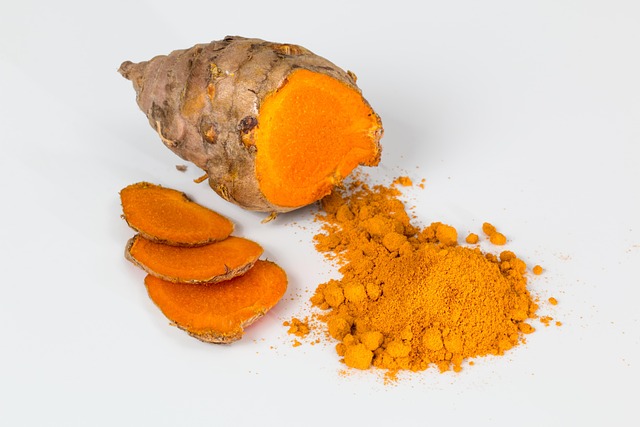
Based on the current body of evidence, turmeric and its active compound curcumin are not an "ultimate solution" for inflammation. However, they can be a reasonable component of a broader anti-inflammatory strategy when used thoughtfully and with appropriate expectations.
Key Considerations for Use
To maximize potential benefits and minimize risks, consider the following evidence-based guidelines:
- Prioritize Bioavailability: Curcumin is poorly absorbed. Look for formulations that include bioavailability enhancers like piperine (from black pepper) or are in phospholipid (e.g., Meriva®) or nanoparticle forms. Standard powdered spice in food provides very low systemic levels.
- Dose Realistically: Most clinical trials demonstrating anti-inflammatory effects use doses of 500–1,500 mg of standardized curcumin extract daily, divided into 2-3 doses. This is far more than culinary use provides.
- Manage Expectations: Effects are generally modest and gradual. It is not a replacement for prescribed anti-inflammatory medications for acute or severe conditions without explicit medical guidance.
- Combine with Lifestyle: The greatest benefit likely comes from using turmeric as part of an anti-inflammatory lifestyle that includes a balanced diet, regular exercise, stress management, and adequate sleep.
Clinical Perspective: In practice, I view curcumin as a potential adjunct, not a primary intervention. The evidence is strongest for symptom relief in osteoarthritis and possibly for reducing systemic inflammatory markers in metabolic syndrome. The data for many other conditions remains preliminary. The key is to integrate it safely into an overall care plan.
Important Cautions and Contraindications
Turmeric/curcumin is not benign. Certain individuals should exercise particular caution or avoid use:
- Pre-Surgical Patients: Discontinue at least two weeks before surgery due to potential antiplatelet effects.
- Those on Medications: It may interact with anticoagulants (e.g., warfarin), antiplatelet drugs, and some chemotherapy agents. It can also affect the metabolism of certain drugs.
- Individuals with Gallbladder Disease or Bile Duct Obstruction: Turmeric can stimulate bile production, which may cause complications.
- People with Iron Deficiency: Curcumin can chelate iron and may inhibit absorption, potentially worsening deficiency.
- Those with Gastrointestinal Sensitivities: High doses can cause GI upset, including nausea or diarrhea.
The fundamental takeaway is to consult a physician or a registered dietitian before starting any new supplement regimen, especially if you have a chronic health condition, are pregnant or breastfeeding, or are taking any medications. An informed, evidence-based, and personalized approach is essential for safe and potentially beneficial use.
5. Safety Considerations and When to Consult a Healthcare Provider

While turmeric and its active compound, curcumin, are generally well-tolerated at culinary doses, concentrated supplementation for therapeutic purposes requires careful consideration. The safety profile is not uniform, and potential risks are amplified in specific populations and clinical contexts.
Key Safety Concerns and Contraindications
The most common adverse effects of high-dose curcumin supplements (typically >1 gram per day) are mild gastrointestinal disturbances, such as nausea, diarrhea, or acid reflux. More significant considerations include:
- Drug Interactions: Curcumin may inhibit certain cytochrome P450 enzymes and interact with drug transporters. This poses a risk for individuals on medications with a narrow therapeutic index, including anticoagulants (e.g., warfarin), antiplatelet drugs, and some chemotherapy agents.
- Biliary Obstruction: Turmeric has choleretic properties, meaning it stimulates bile production. It is contraindicated in individuals with bile duct obstruction, gallstones, or related disorders.
- Iron Deficiency: Some evidence suggests curcumin can chelate iron and may interfere with its absorption, which could be problematic for individuals with iron-deficiency anemia.
- Pregnancy and Lactation: Safety data for high-dose supplementation during pregnancy or breastfeeding is insufficient. Culinary use is considered safe, but therapeutic doses should be avoided.
Clinical Insight: In practice, the primary concern is polypharmacy. Patients often do not list supplements like turmeric on their medication list, creating a blind spot for prescribers. Clinicians should specifically ask about supplement use when reviewing medications or prior to surgical procedures due to the potential for bleeding and pharmacokinetic interactions.
When to Consult a Healthcare Provider
It is prudent to seek professional medical advice before initiating a turmeric/curcumin supplement regimen in the following situations:
- If you have a diagnosed medical condition, particularly involving the liver, gallbladder, kidneys, or blood clotting.
- If you are taking any prescription medications, especially anticoagulants, anti-diabetic drugs, or chemotherapy.
- If you are planning for surgery, as supplementation should typically be discontinued 1-2 weeks prior due to bleeding risk.
- If you are pregnant, breastfeeding, or attempting to conceive.
- If you experience any persistent adverse effects after starting supplementation.
Ultimately, while turmeric is a promising nutraceutical, it is not a benign substance for everyone. A discussion with a physician or pharmacist can help assess individual risk, potential interactions, and determine if supplementation aligns with your overall health strategy.
6. Questions & Expert Insights
Is turmeric truly a powerful anti-inflammatory, or is it overhyped?
The active compound in turmeric, curcumin, has demonstrated anti-inflammatory properties in numerous laboratory and animal studies, and some human trials. It appears to work by modulating several inflammatory pathways in the body, similar in mechanism to some pharmaceutical anti-inflammatories but with a much milder effect. However, the evidence in humans is mixed and often limited by small study sizes, short durations, and variability in supplement formulations and dosages. Crucially, curcumin is poorly absorbed by the body on its own, which is why many studies and supplements pair it with piperine (from black pepper) or use specialized delivery systems. While it shows promise as a supportive agent for managing low-grade, chronic inflammation (like that seen in osteoarthritis), it is not a replacement for prescribed anti-inflammatory medications for acute or severe inflammatory conditions.
What are the risks and who should avoid turmeric supplements?
While generally considered safe for most people at culinary doses, high-dose supplements carry risks. Curcumin can act as a blood thinner, increasing the risk of bleeding, especially when combined with medications like warfarin, clopidogrel, or aspirin. It may also stimulate bile production, posing a risk for individuals with bile duct obstruction or gallstones. High doses can cause gastrointestinal upset, including nausea and diarrhea. Specific populations who should exercise extreme caution or avoid supplementation include: individuals with bleeding disorders or scheduled for surgery; those with iron deficiency (curcumin can inhibit iron absorption); people with estrogen-sensitive conditions (due to potential weak estrogenic effects); and anyone with known kidney disease, as the impact of high-dose curcumin on kidneys is not well-studied. Always disclose all supplements to your healthcare provider.
When should I talk to my doctor about using turmeric for inflammation, and what should I bring to that conversation?
You should consult a doctor before starting turmeric supplements if you have any diagnosed medical condition, are taking any prescription medications (especially blood thinners, diabetes drugs, or acid-reducers), or are pregnant/breastfeeding. For the conversation, come prepared with specific information. Bring the actual supplement bottle to show the dosage, form (e.g., curcumin with piperine, phytosome), and other ingredients. Be ready to discuss your specific health goals (e.g., "managing knee osteoarthritis pain") and any other supplements or anti-inflammatory strategies you're using. This allows your doctor to assess for drug-supplement interactions, align the supplement with your overall care plan, and recommend a specific, evidence-informed product and dosage, rather than you navigating an unregulated market alone.
How does the evidence for turmeric compare to conventional anti-inflammatory drugs?
It is critical to understand that turmeric/curcumin is not a direct substitute for conventional medications like NSAIDs (e.g., ibuprofen, naproxen) or corticosteroids. Pharmaceutical anti-inflammatories are potent, fast-acting, and have a robust, decades-long evidence base for reducing severe inflammation and pain in conditions like rheumatoid arthritis. Their risks and benefits are well-characterized. In contrast, the evidence for curcumin is strongest for mild-to-moderate osteoarthritis, where it may offer a modest reduction in pain and stiffness over weeks or months with a potentially more favorable side-effect profile than long-term NSAID use. It is best conceptualized on a spectrum: dietary turmeric has minimal risk and effect; standardized supplements may offer a supportive, moderate effect for chronic issues; prescription drugs are for significant, acute inflammatory disease. They occupy different, and sometimes complementary, roles in clinical management.
7. In-site article recommendations
8. External article recommendations
9. External resources
The links below point to reputable medical and evidence-based resources that can be used for further reading. Always interpret them in the context of your own situation and your clinician’s advice.
-
healthline healthline.comturmeric – Healthline (search)
-
examine examine.comturmeric – Examine.com (search)
-
mayoclinic mayoclinic.orgturmeric – Mayo Clinic (search)
These external resources are maintained by third-party organisations. Their content does not represent the editorial position of this site and is provided solely to support readers in accessing additional professional information.