
1. Introduction and Context of Turmeric Water
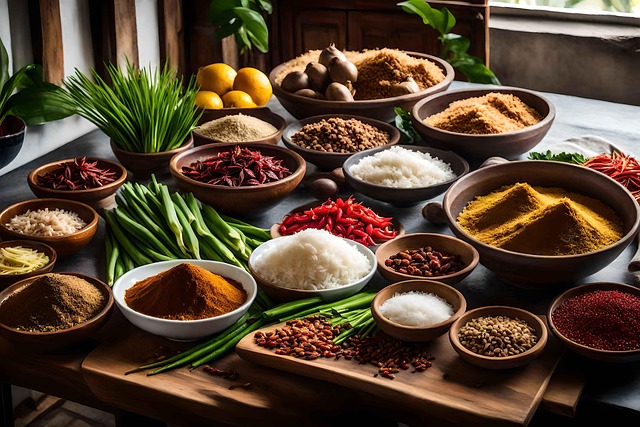
In the landscape of dietary wellness, turmeric water—a simple infusion of turmeric powder or grated fresh rhizome in water—has gained significant attention for its purported anti-inflammatory properties. This chapter provides the foundational context for understanding its potential role, separating traditional use from contemporary scientific inquiry.
Turmeric (*Curcuma longa*) is a golden-yellow spice derived from the plant's rhizome, a cornerstone of culinary and Ayurvedic medicine traditions for centuries. Its primary bioactive compound, curcumin, is the focus of most modern research. Curcumin is classified as a polyphenol with demonstrated anti-inflammatory and antioxidant effects in laboratory and animal studies. It is thought to modulate several molecular pathways involved in inflammation, such as inhibiting the NF-κB signaling pathway.
However, a critical clinical reality underpins this discussion: curcumin has notoriously poor bioavailability when consumed orally. It is poorly absorbed from the gut, rapidly metabolized, and quickly eliminated. This has led to the common practice of combining it with black pepper (which contains piperine) or fats to enhance absorption, a nuance often missing from simplified "turmeric water" recipes.
The current evidence for turmeric and curcumin in human health is mixed and context-dependent:
- Stronger Evidence: Several meta-analyses and randomized controlled trials suggest standardized curcumin supplements can be an effective adjunctive therapy for reducing symptoms in conditions like osteoarthritis and rheumatoid arthritis, with effects often comparable to some conventional anti-inflammatory medications.
- Limited/Mixed Evidence for Turmeric Water: The evidence specifically for drinking turmeric water is far less robust. While it may provide a low-dose, daily source of curcuminoids, the concentration and absorption from a simple water infusion are likely sub-therapeutic compared to the doses used in clinical trials (typically 500–2000 mg of standardized curcumin extract daily).
Clinical Perspective: From a medical standpoint, turmeric water is best viewed as a dietary practice rather than a targeted treatment. Its potential benefit likely lies in consistent, long-term inclusion as part of an anti-inflammatory diet, not in providing immediate, potent pharmacological effects. The ritual of preparation and consumption may also support positive health behaviors.
Individuals who should exercise caution or consult a physician before regularly consuming turmeric water include those on anticoagulant/antiplatelet medications (e.g., warfarin, clopidogrel), individuals with gallbladder disease or bile duct obstruction, those preparing for surgery, and people with known hypersensitivity to curcumin. Pregnant or breastfeeding women should also seek medical advice due to limited safety data.
2. Mechanisms and Evidence for Anti-Inflammatory Effects

The proposed anti-inflammatory activity of turmeric water is primarily attributed to curcumin, the principal bioactive polyphenol in turmeric. From a biochemical perspective, curcumin is understood to modulate several key inflammatory pathways. Its most well-documented mechanism involves the downregulation of the nuclear factor-kappa B (NF-κB) signaling pathway, a central regulator of the expression of pro-inflammatory cytokines, chemokines, and enzymes like cyclooxygenase-2 (COX-2).
Evidence for these effects comes from a substantial body of preclinical research, including in vitro cell studies and animal models of inflammation. These studies consistently show that curcumin can reduce markers of inflammation, such as tumor necrosis factor-alpha (TNF-α), interleukin-6 (IL-6), and C-reactive protein (CRP).
The translation of these mechanisms to measurable health benefits in humans through turmeric water is less definitive. Clinical trial data is mixed and characterized by important limitations:
- Supportive Evidence: Some randomized controlled trials (RCTs), particularly in conditions like osteoarthritis and metabolic syndrome, have reported modest reductions in inflammatory markers and symptom improvement with standardized curcumin extracts.
- Limitations & Gaps: Many trials use high-dose, bioavailable formulations (e.g., with piperine from black pepper), not simple turmeric infusions. Study durations are often short, and results are not universally replicated. High-quality, long-term trials specifically on turmeric water are lacking.
The current evidence suggests that while the anti-inflammatory mechanism of curcumin is biologically plausible, the practical impact of drinking turmeric water is uncertain and likely mild at best. The low concentration and bioavailability mean it should not be considered a substitute for medical treatment in chronic inflammatory conditions.
Who should be cautious: Individuals on anticoagulant/antiplatelet drugs (e.g., warfarin, clopidogrel) should consult a doctor, as curcumin may potentiate bleeding risk. Those with gallbladder disease, gastroesophageal reflux disease (GERD), or who are preparing for surgery should also seek medical advice. The evidence is insufficient to recommend its use during pregnancy.
3. Risks and Populations to Avoid

While turmeric water is generally considered safe for most people when consumed in culinary amounts, concentrated or frequent intake for therapeutic purposes carries specific risks. The primary active compound, curcumin, has low bioavailability, which has led to the development of enhanced formulations. These often include piperine (from black pepper) to increase absorption, a practice that can significantly amplify both potential benefits and risks.
The most well-documented risk is the potential for turmeric and curcumin to act as anticoagulants or antiplatelet agents. Evidence for this effect is mixed but clinically significant, as it may increase the risk of bleeding, particularly when combined with medications.
- Individuals on anticoagulant/antiplatelet therapy (e.g., warfarin, clopidogrel, aspirin) should exercise extreme caution and consult a hematologist or cardiologist before regular consumption.
- Those scheduled for surgery should discontinue use at least two weeks prior to any procedure to mitigate bleeding risk.
Turmeric may stimulate gastric acid secretion and, in high doses, can cause gastrointestinal upset such as nausea, diarrhea, or acid reflux. Individuals with a history of gastroesophageal reflux disease (GERD), peptic ulcers, or biliary obstruction should be particularly cautious.
Clinical Insight: From a pharmacokinetic perspective, curcumin is metabolized by liver enzymes (CYP450). There is preliminary in vitro and animal data suggesting it may inhibit or induce these enzymes, potentially altering the metabolism of common prescription drugs. While human clinical evidence is limited, this theoretical interaction warrants caution for individuals on medications with a narrow therapeutic index, such as certain chemotherapies, immunosuppressants, or statins.
Specific populations are advised to avoid therapeutic doses of turmeric or seek explicit medical guidance:
- Pregnant and breastfeeding women: Due to insufficient safety data, high-dose curcumin is not recommended. Culinary use is likely safe.
- Individuals with iron-deficiency anemia: Curcumin can chelate iron and may inhibit dietary iron absorption, potentially worsening anemia.
- Those with kidney stones: Turmeric is high in soluble oxalates, which can increase urinary oxalate excretion and risk of calcium oxalate stone formation in susceptible individuals.
In summary, while turmeric water is a benign practice for many, its "therapeutic" use is not universally safe. The decision to consume it regularly should be informed by an individual's complete health profile and medication regimen. A consultation with a physician or a registered dietitian is strongly recommended for anyone in the aforementioned risk groups or those considering high-dose, long-term use.
4. Practical Takeaways for Use
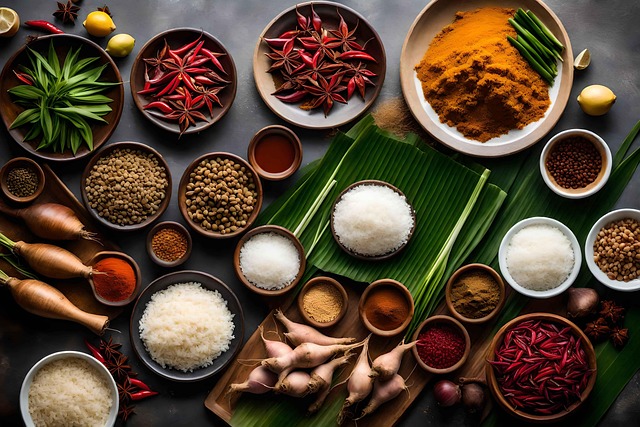
Integrating turmeric water into a routine requires a pragmatic approach focused on safety, consistency, and realistic expectations. The evidence for its anti-inflammatory effects, while promising in laboratory and some clinical settings, is not uniformly strong for all conditions and is often based on concentrated extracts, not the spice in water.
Preparation and Dosage Considerations
To potentially enhance the bioavailability of curcumin, the primary active compound, consider these steps:
- Combine with Black Pepper: Adding a pinch of black pepper (containing piperine) can inhibit curcumin metabolism, potentially increasing its absorption by up to 2000%.
- Include a Healthy Fat: Since curcumin is fat-soluble, preparing turmeric water with a small amount of a healthy fat like olive oil, coconut oil, or full-fat milk may improve uptake.
- Use Heat: Gently simmering turmeric in water for 10-15 minutes may help extract more curcuminoids.
A typical starting dose is ½ to 1 teaspoon of ground turmeric powder per day. This provides a much lower dose of curcumin (roughly 15-45 mg) than the 500-2000 mg daily used in many clinical trials showing benefit.
Important Safety and Contraindications
Turmeric is generally recognized as safe as a food spice, but concentrated or frequent consumption warrants caution for certain individuals:
- Medication Interactions: Turmeric may have antiplatelet effects and could interact with blood thinners (e.g., warfarin, clopidogrel). It may also affect drugs metabolized by certain liver enzymes.
- Gallbladder and Kidney Issues: It can stimulate bile production; those with gallstones or bile duct obstruction should avoid it. High oxalate content in turmeric may contribute to kidney stones in susceptible individuals.
- Gastrointestinal Sensitivity: In large amounts, it can cause stomach upset or acid reflux in some people.
- Iron Deficiency: Curcumin can chelate iron and may inhibit absorption, which is a consideration for those with iron-deficiency anemia.
Key Takeaway: Before making turmeric water a daily habit, individuals with existing health conditions, those taking regular medications (especially for blood thinning, diabetes, or acid reflux), and pregnant or breastfeeding women should consult a physician or a registered dietitian. Consistency and pairing it with a balanced, anti-inflammatory diet will likely yield more meaningful benefits than the drink alone.
5. Safety Considerations and When to Consult a Doctor

While turmeric water is generally considered safe for most people when consumed in culinary amounts, a deliberate, daily regimen for therapeutic purposes requires a more cautious approach. The primary safety concerns stem from the active compound, curcumin, and its interactions with the body's systems.
Key Safety Concerns and Contraindications
Individuals in the following categories should exercise particular caution or avoid high-dose turmeric/curcumin supplementation without direct medical supervision:
- Those on Anticoagulant/Antiplatelet Medications: Curcumin has demonstrated antiplatelet effects in laboratory and animal studies. Concurrent use with drugs like warfarin, clopidogrel, or aspirin may theoretically increase the risk of bleeding or bruising.
- Individuals with Gallbladder Disease or Bile Duct Obstruction: Turmeric is a known cholagogue, stimulating bile production. This can worsen symptoms or cause complications in people with gallstones or biliary obstruction.
- People with Gastrointestinal Conditions: In some individuals, especially at higher doses, curcumin can cause gastrointestinal upset, including nausea, diarrhea, or acid reflux. Those with active ulcers or GERD may be more susceptible.
- Those with Iron Deficiency or Risk of Deficiency: Some evidence suggests curcumin can chelate iron and may inhibit iron absorption, which could exacerbate anemia.
- Individuals Pre- or Post-Surgery: Due to its potential blood-thinning effects, it is commonly advised to discontinue high-dose curcumin supplements at least two weeks before any scheduled surgical procedure.
Clinical Insight: In practice, the most frequent concern I encounter is the interaction with medications. Patients often perceive "natural" supplements as inherently safe alongside prescriptions, but pharmacokinetic interactions are real. Curcumin can affect enzymes like CYP450 and P-glycoprotein, potentially altering the blood levels of many common drugs, including some chemotherapy agents, statins, and antidepressants. This underscores the necessity of a complete medication review with a healthcare provider.
When to Consult a Healthcare Professional
It is prudent to consult a doctor, pharmacist, or a registered dietitian before making turmeric water a daily habit if you:
- Are currently taking any prescription or over-the-counter medications regularly.
- Have a diagnosed medical condition, particularly related to blood, liver, gallbladder, or the gastrointestinal tract.
- Are pregnant, breastfeeding, or trying to conceive, as safety data in these populations is limited.
- Plan to consume very high amounts (significantly beyond culinary use) with the goal of treating a specific medical condition.
Ultimately, while turmeric water can be a supportive dietary addition, it should not replace conventional medical treatments for inflammatory conditions. An open discussion with your healthcare team ensures this practice is integrated safely into your overall health plan.
6. Questions & Expert Insights
Can drinking turmeric water replace my anti-inflammatory medications?
No, turmeric water should not be considered a replacement for prescribed anti-inflammatory medications. The curcumin in turmeric has demonstrated anti-inflammatory properties in laboratory and some clinical studies, but its bioavailability is low, and its effects are generally modest and not comparable in potency or reliability to pharmaceutical agents like NSAIDs (e.g., ibuprofen, naproxen) or DMARDs used for conditions like rheumatoid arthritis. Abruptly stopping prescribed medication can lead to disease flares, increased pain, and potential long-term tissue damage. Think of turmeric water as a potential complementary dietary approach that may offer supportive benefits within a broader management plan, not a substitute for evidence-based medical therapy. Any changes to medication must be discussed with your prescribing physician.
What are the risks or side effects of drinking turmeric water daily?
For most healthy individuals, moderate consumption is likely safe, but several risks warrant caution. Turmeric can act as a mild blood thinner, increasing bruising or bleeding risk, especially if combined with anticoagulant drugs like warfarin or aspirin. High doses or long-term use may cause gastrointestinal upset, including nausea, diarrhea, or acid reflux. Crucially, individuals with certain conditions should generally avoid it: those with gallstones or bile duct obstruction (it can stimulate bile production), those with iron deficiency (it may inhibit iron absorption), and individuals with kidney stones (it is high in oxalates). Pregnant women should avoid medicinal doses due to potential uterine stimulation.
How much turmeric should I use, and does adding black pepper really help?
A common recipe uses ½ to 1 teaspoon of turmeric powder per cup of hot water. The addition of black pepper (specifically piperine) is critically important from a bioavailability standpoint. Piperine can enhance the absorption of curcumin by up to 2000% by inhibiting its metabolism in the liver and intestine. Without it, most curcumin passes through the gut unabsorbed. A pinch of black pepper is sufficient. However, this enhanced absorption also means potential side effects and drug interactions become more significant. Furthermore, curcumin is fat-soluble, so consuming turmeric water with a source of healthy fat (like a small amount of coconut oil) may further improve absorption. The evidence for clinical benefit from these typical culinary doses remains limited and is primarily derived from supplement studies using standardized, high-dose curcumin extracts.
When should I talk to my doctor about using turmeric water, and what should I discuss?
Consult your doctor or a specialist before starting if you have any chronic health condition, are taking medications, or are planning surgery. This is non-negotiable if you take blood thinners, diabetes medications, or drugs for acid reflux (like omeprazole), as turmeric can interact with them. Prepare for the conversation by bringing a clear list of all your medications and supplements. Be specific: tell your doctor you are considering "daily turmeric water with black pepper" and ask these key questions: 1) "Could this interact with my current medications or condition?" 2) "Are there specific side effects I should monitor for?" 3) "Given my health goals, is there any evidence this could be beneficial or harmful for me?" This allows for a risk-benefit assessment tailored to your personal medical history.
7. In-site article recommendations
8. External article recommendations
9. External resources
The links below point to reputable medical and evidence-based resources that can be used for further reading. Always interpret them in the context of your own situation and your clinician’s advice.
-
healthline healthline.comturmeric water – Healthline (search)
-
drugs drugs.comturmeric water – Drugs.com (search)
-
mayoclinic mayoclinic.orgturmeric water – Mayo Clinic (search)
These external resources are maintained by third-party organisations. Their content does not represent the editorial position of this site and is provided solely to support readers in accessing additional professional information.