
1. Turmeric Water and Inflammation: An Introduction
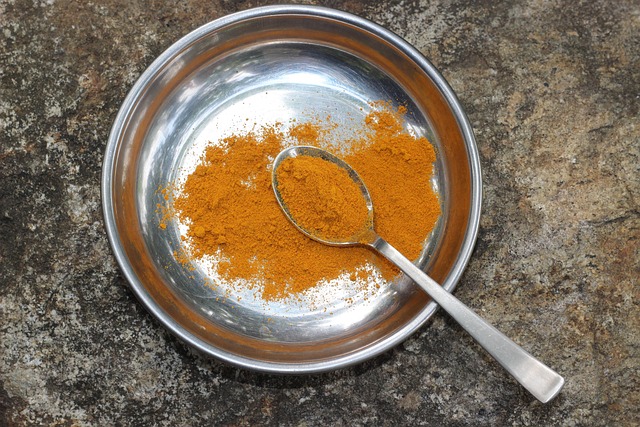
Inflammation is a fundamental biological process. In its acute form, it is a vital, protective response to injury or infection. However, when inflammation becomes chronic and systemic, it is a recognized contributor to a wide spectrum of conditions, including arthritis, metabolic syndrome, and certain neurodegenerative diseases. This has driven significant interest in dietary and lifestyle strategies aimed at modulating inflammatory pathways.
Among these strategies, the consumption of turmeric—specifically in the form of "turmeric water"—has gained considerable popularity. This simple preparation typically involves steeping turmeric powder or fresh grated rhizome in hot water, sometimes with added black pepper and other ingredients. Its appeal lies in the promise of harnessing the purported anti-inflammatory properties of turmeric in an accessible, daily ritual.
The primary compound of interest in turmeric is curcumin, a polyphenol that gives the spice its vibrant yellow color. A substantial body of preclinical research (in laboratory and animal studies) has demonstrated that curcumin can interact with multiple molecular targets involved in the inflammatory cascade, such as NF-κB and various cytokines. This mechanistic evidence forms the basis for its therapeutic investigation.
However, it is crucial to distinguish this promising preclinical data from the clinical evidence in humans, which is more nuanced:
- Stronger Evidence: Meta-analyses of randomized controlled trials indicate that standardized curcumin supplements can provide a modest, statistically significant reduction in symptoms for conditions like osteoarthritis and rheumatoid arthritis, often comparable to some conventional anti-inflammatory medications in these studies.
- Limited/Mixed Evidence for Turmeric Water: The evidence specifically for drinking turmeric water is far less robust. The concentration of curcumin in a cup of turmeric water is low, and curcumin has notoriously poor bioavailability when consumed alone.
Expert Insight: Clinicians view turmeric water primarily as a dietary component, not a treatment. The addition of black pepper (containing piperine) is often recommended in recipes, as it can enhance curcumin absorption. However, the actual anti-inflammatory effect from a daily cup is likely to be subtle and highly variable between individuals. It should not replace prescribed anti-inflammatory therapies.
Furthermore, while generally safe as a culinary spice, concentrated or frequent consumption warrants caution for certain individuals. Those with gallbladder disease, bile duct obstruction, or who are on blood-thinning medications like warfarin should consult a physician, as turmeric may theoretically exacerbate these conditions. It may also interact with medications metabolized by the liver.
This introduction sets the stage for a detailed, evidence-based exploration of what turmeric water can and cannot do, separating the compelling science of curcumin from the practical realities of its consumption in beverage form.
2. Scientific Evidence and Mechanisms of Action
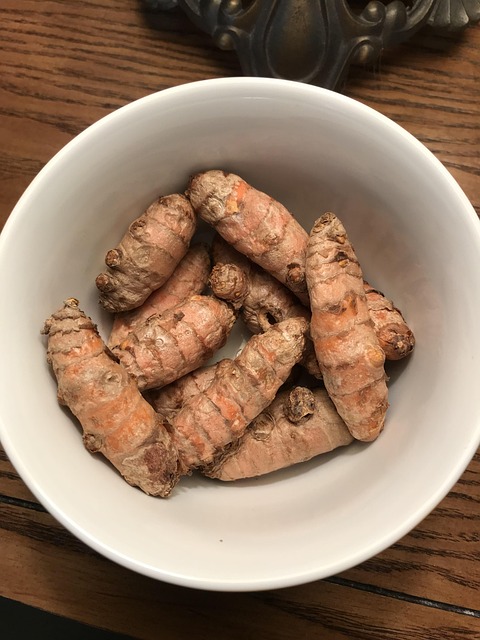
The primary mechanism by which turmeric water is proposed to reduce inflammation centers on its most studied bioactive compound: curcumin. The scientific literature indicates curcumin modulates several key inflammatory pathways at the molecular level.
- NF-κB Inhibition: Curcumin is known to downregulate the activity of nuclear factor-kappa B (NF-κB), a protein complex that acts as a master switch for turning on the expression of pro-inflammatory genes, including cytokines like TNF-α and interleukins (e.g., IL-6).
- Enzyme Modulation: It can inhibit the activity of inflammatory enzymes such as cyclooxygenase-2 (COX-2), lipoxygenase (LOX), and inducible nitric oxide synthase (iNOS).
- Bioavailability Challenge: A critical limitation is curcumin's poor oral bioavailability due to rapid metabolism and low absorption. Consuming it with piperine (from black pepper) or fats can enhance absorption, which is a key consideration for the efficacy of turmeric water.
Clinical evidence for curcumin's anti-inflammatory effects is promising but mixed in scope and quality. A number of randomized controlled trials (RCTs) and meta-analyses show statistically significant reductions in inflammatory markers (like CRP) in conditions such as osteoarthritis, metabolic syndrome, and post-operative inflammation. However, the evidence is more robust for standardized, high-bioavailability curcumin extracts (often combined with absorption enhancers) than for simple turmeric infusions in water.
Clinical Perspective: From a clinical standpoint, the evidence supports curcumin as a legitimate adjunctive anti-inflammatory agent with a favorable safety profile for most people. However, the effect size from drinking turmeric water is likely modest and highly variable, depending on preparation, dosage, and individual absorption. It should not be viewed as a substitute for first-line medical therapies in chronic inflammatory diseases.
It is crucial to note limitations and cautions. Many studies are of short duration, involve specific patient populations, or use supplemental doses far exceeding what is typically consumed in a daily beverage. Individuals with gallbladder disease, bile duct obstruction, or those on anticoagulant/antiplatelet medications (e.g., warfarin, clopidogrel) should exercise caution and consult a physician, as curcumin may have choleretic and mild anticoagulant effects. Those with iron deficiency should also be aware that curcumin can chelate iron.
3. Risks and Specific Populations to Avoid

While turmeric water is generally considered safe for most people in culinary amounts, concentrated or supplemental intake for therapeutic purposes carries specific risks. The primary active compound, curcumin, has low bioavailability, which often leads to formulations with enhancers like piperine (from black pepper). These enhancers can significantly alter the metabolism of other substances in the body.
Key Drug Interactions and Health Conditions
The most clinically significant risk involves drug interactions. Curcumin and its formulations can interfere with key enzymes in the liver (particularly cytochrome P450 and UDP-glucuronosyltransferase) responsible for metabolizing many pharmaceuticals. This can lead to either dangerously high or subtherapeutically low drug levels in the bloodstream.
- Anticoagulants/Antiplatelets: Turmeric may potentiate the effects of drugs like warfarin, clopidogrel, and aspirin, increasing the risk of bleeding and bruising.
- Diabetes Medications: It may enhance the blood sugar-lowering effect of drugs like metformin and insulin, raising the risk of hypoglycemia.
- Chemotherapy Agents: The interaction is complex and not fully understood; it could potentially reduce the efficacy or alter the toxicity of certain cancer treatments.
- Acid-Reducing Drugs: Turmeric may increase stomach acid production, potentially interfering with drugs like omeprazole or cimetidine.
Clinical Insight: From a pharmacokinetic perspective, the interaction risk with piperine-enhanced supplements is notably higher. Piperine is a known inhibitor of drug metabolism and can increase the absorption of certain compounds by up to 2000%. Patients on any chronic medication should treat turmeric supplements as a potential drug and consult their physician or pharmacist.
Specific Populations to Exercise Caution or Avoid
Certain individuals should avoid high-dose turmeric or curcumin supplements entirely and use even dietary amounts cautiously after medical consultation.
- Individuals with Gallbladder Disease or Bile Duct Obstruction: Turmeric stimulates bile production, which can worsen symptoms or cause complications.
- Those with Kidney Stones (especially oxalate stones): Turmeric is high in soluble oxalates, which can contribute to stone formation in susceptible individuals.
- People with Iron Deficiency or Iron-Deficiency Anemia: Curcumin can chelate iron and may inhibit dietary iron absorption, potentially worsening deficiency.
- Pregnant and Breastfeeding Women: While culinary use is likely safe, medicinal doses may stimulate the uterus or have unknown effects on the infant. Supplementation is not recommended.
- Pre- and Post-Surgical Patients: Due to its potential antiplatelet effects, it should be discontinued at least two weeks before any scheduled surgery to reduce bleeding risk.
The evidence for these risks is based on pharmacological studies, case reports, and known biochemical pathways. While not everyone will experience adverse effects, the potential for significant harm in these specific groups is well-established enough to warrant clear caution. A discussion with a healthcare provider is a necessary prerequisite for anyone in these categories considering regular turmeric water consumption for health purposes.
4. Practical and Balanced Implementation Strategies

To integrate turmeric water into a routine in a safe and potentially effective manner, a measured, evidence-informed approach is essential. The goal is to maximize potential benefits while minimizing risks, acknowledging that the evidence for turmeric's anti-inflammatory effects in humans, while promising, is not definitive for all conditions.
Formulation and Dosage Considerations
Most clinical trials on curcumin, the primary active compound in turmeric, use standardized extracts (often 500–2000 mg daily) with added piperine (from black pepper) to enhance bioavailability. A simple turmeric water infusion will contain a significantly lower, variable amount of curcumin.
- Preparation: Simmer 1–2 teaspoons of high-quality turmeric powder in 3–4 cups of water for 10–15 minutes. Strain and consume warm or chilled.
- Enhancing Absorption: Adding a pinch of black pepper (piperine) or a small amount of healthy fat (e.g., a teaspoon of coconut oil) can increase curcumin bioavailability.
- Dosage Caution: There is no established optimal dose for this preparation. Start with a modest amount (e.g., one cup daily) to assess tolerance.
Integration and Monitoring
View turmeric water as a potential dietary adjunct, not a standalone treatment for inflammatory conditions. Consistency is key, as effects are likely cumulative. Monitor for any subjective changes in symptoms, but maintain realistic expectations based on the mixed quality of evidence.
Clinical Perspective: In practice, we see turmeric as a low-risk option for general wellness in healthy individuals. However, its effects are modest compared to pharmaceutical anti-inflammatories for diagnosed conditions like rheumatoid arthritis. The preparation's variable potency makes it unreliable for therapeutic dosing. Patients should not discontinue prescribed medications in favor of turmeric water.
Important Safety and Contraindications
Turmeric is generally recognized as safe in culinary amounts, but concentrated, regular consumption warrants caution for specific populations:
- Gallbladder Issues: Turmeric may stimulate bile production; individuals with gallstones or bile duct obstruction should avoid it.
- Bleeding Risk: Curcumin has antiplatelet properties. Those on anticoagulants (e.g., warfarin, clopidogrel) or with bleeding disorders must consult a physician.
- Gastrointestinal Sensitivity: High doses can cause GI upset, including acid reflux or nausea.
- Iron Deficiency: Curcumin can chelate iron and may inhibit absorption, which is relevant for those with anemia.
- Pre-Surgery: Discontinue use at least two weeks before any scheduled surgery due to bleeding risk.
Before making turmeric water a daily habit, individuals with pre-existing medical conditions, those taking multiple medications, or pregnant and breastfeeding women should seek advice from a healthcare provider to avoid adverse interactions or unintended effects.
5. Safety Precautions and When to Seek Medical Advice

While turmeric water is generally considered safe for culinary use, its concentrated and regular consumption as a wellness drink warrants a careful, evidence-based assessment of potential risks. The primary safety concerns stem from curcumin's biological activity, which can interact with physiological processes and medications.
Key Populations Requiring Caution
Certain individuals should consult a healthcare professional before incorporating turmeric water into their routine:
- Individuals on Anticoagulant/Antiplatelet Therapy: Curcumin has demonstrated antiplatelet effects in laboratory and some animal studies. While human data is limited, there is a plausible risk of increased bleeding when combined with drugs like warfarin, clopidogrel, or aspirin.
- People with Gallbladder Disease or Bile Duct Obstruction: Turmeric is a known choleretic, meaning it can stimulate bile production. This could precipitate pain or complications in individuals with gallstones or obstructive conditions.
- Those with Gastroesophageal Reflux Disease (GERD) or Peptic Ulcers: In some individuals, high doses of turmeric can exacerbate stomach irritation, acid reflux, or nausea.
- Individuals with Iron Deficiency or Risk of Deficiency: Preliminary research suggests curcumin may chelate iron and could potentially inhibit iron absorption, which is a consideration for those with anemia.
- People Scheduled for Surgery: Due to its potential blood-thinning effects, it is commonly advised to discontinue turmeric supplements at least two weeks prior to any surgical procedure.
Clinical Insight: In practice, the risk from dietary-level turmeric in food is very low. The concern escalates with daily, concentrated "therapeutic" drinks, especially if the individual is also using a curcumin supplement. The interaction profile is not fully mapped, so a principle of caution applies. Always review all supplements and functional food routines with your physician during medication reconciliation.
When to Seek Medical Advice
You should consult a doctor or pharmacist if you are considering regular turmeric water consumption and:
- You are taking any prescription medications, particularly for diabetes (due to potential additive blood sugar-lowering effects), hypertension, or cancer.
- You are pregnant or breastfeeding. While culinary use is safe, concentrated medicinal use is not well-studied in these populations.
- You experience any adverse effects such as unusual bruising, bleeding, severe gastrointestinal upset, or a rash.
- You have a known allergy to ginger or other plants in the Zingiberaceae family.
In summary, turmeric water is not an "ultimate" or risk-free solution. Its use should be personalized and contextualized within an individual's full health profile. The evidence for its anti-inflammatory benefits, while promising, does not outweigh the established need for medical supervision in the presence of the conditions or medications listed above.
6. Questions & Expert Insights
Is there strong clinical evidence that drinking turmeric water reduces inflammation in humans?
While promising, the clinical evidence is not definitive. Most high-quality research uses standardized, high-dose curcumin extracts (the primary active compound in turmeric), often combined with piperine (from black pepper) to enhance absorption. These studies, typically on conditions like osteoarthritis or rheumatoid arthritis, show modest anti-inflammatory effects. Drinking turmeric water involves a much lower, variable dose of curcumin, and its bioavailability without fat or piperine is poor. The evidence for this specific preparation reducing measurable inflammation (like CRP levels) in healthy individuals is limited and largely anecdotal. It may support a general anti-inflammatory diet, but it should not be considered a substitute for evidence-based treatments for chronic inflammatory conditions.
What are the main risks or side effects, and who should avoid turmeric water?
Turmeric is generally safe as a culinary spice, but concentrated, regular consumption carries risks. The primary concern is its potential to act as a blood thinner, which may increase bleeding risk, especially when combined with anticoagulant medications like warfarin, clopidogrel, or aspirin. It can also stimulate stomach acid production, potentially aggravating GERD or ulcers. High doses may cause gastrointestinal upset, including nausea or diarrhea. Individuals who should avoid or use extreme caution include: those with gallbladder disease or bile duct obstruction (as turmeric can stimulate bile production), people with iron deficiency (it may inhibit iron absorption), those scheduled for surgery, and individuals with known kidney stones (due to oxalate content). Always disclose its use to your healthcare provider.
How should I prepare turmeric water to maximize potential benefit and safety?
For better absorption of curcumin, consider these evidence-informed steps: 1) Use a small amount of fat, such as a teaspoon of coconut oil or full-fat milk, as curcumin is fat-soluble. 2) Add a pinch of black pepper, as the piperine it contains can enhance curcumin bioavailability by up to 2000%. 3) Use heat gently; simmering (not boiling) may help extract compounds. A practical recipe: simmer 1 teaspoon of turmeric powder (or grated fresh root) in 2 cups of water for 10 minutes, strain, and add a dash of black pepper and a healthy fat. Limit intake to 1-2 cups daily. Remember, this is a dietary supplement, not a medicine, and its effects will be subtle, if any.
When should I talk to my doctor about using turmeric water, and what information should I bring?
Consult your doctor or a registered dietitian before starting if you have any chronic health condition, are pregnant or breastfeeding, or are taking any medications—especially blood thinners, diabetes medications, or acid-reducers. Schedule this conversation proactively; don't wait for a problem. Come prepared with specific information: 1) Your intended daily dose and preparation method (e.g., "one cup with black pepper"). 2) A complete list of all your medications and supplements. 3) Your primary reason for using it (e.g., "for joint stiffness"). 4) Any pre-existing conditions like kidney issues or GERD. This allows your provider to assess potential interactions and advise you on whether it's appropriate to integrate into your care plan, ensuring it doesn't interfere with proven treatments.
7. In-site article recommendations
8. External article recommendations
9. External resources
The links below point to reputable medical and evidence-based resources that can be used for further reading. Always interpret them in the context of your own situation and your clinician’s advice.
-
examine examine.comturmeric water – Examine.com (search)
-
healthline healthline.comturmeric water – Healthline (search)
-
drugs drugs.comturmeric water – Drugs.com (search)
These external resources are maintained by third-party organisations. Their content does not represent the editorial position of this site and is provided solely to support readers in accessing additional professional information.