
1. Introduction to Mediterranean Diet and Energy-Enhancing Superfoods

The Mediterranean diet is not a restrictive weight-loss plan but a traditional eating pattern observed in countries bordering the Mediterranean Sea. It is consistently ranked among the healthiest dietary models in the world, supported by a robust body of epidemiological and clinical research. Its primary focus is on whole, minimally processed foods, with a composition that may contribute to sustained energy levels and overall metabolic health.
At its core, this dietary pattern is characterized by a high intake of plant-based foods, healthy fats, and lean proteins. The key components include:
- Abundant fruits, vegetables, legumes, and whole grains: Providing complex carbohydrates, fiber, vitamins, and minerals.
- Olive oil as the principal fat source: Rich in monounsaturated fats and polyphenols.
- Moderate consumption of fish, poultry, dairy (like cheese and yogurt), and eggs.
- Low intake of red meat, processed foods, and sweets.
- Regular, but moderate, consumption of red wine, typically with meals (optional).
The connection between this dietary pattern and energy is multifaceted. Rather than providing a short-term stimulant effect, it supports cellular energy production and reduces factors that cause fatigue. The diet's high fiber and healthy fat content promote stable blood glucose levels, avoiding the energy crashes associated with refined sugars. Furthermore, the anti-inflammatory and antioxidant properties of its key components may help mitigate oxidative stress, which can impair mitochondrial function—the cellular powerhouses.
Clinical Perspective: While the overall Mediterranean diet pattern is strongly associated with reduced risks of cardiovascular disease and improved metabolic markers, claims about specific "superfoods" for energy require nuance. The synergistic effect of the whole diet is likely more significant than any single ingredient. Individuals with specific health conditions, such as gallbladder issues requiring a low-fat diet or those on blood thinners (who may need to monitor vitamin K intake from leafy greens), should consult a healthcare provider before making significant dietary changes.
This chapter introduces the foundational principles of the Mediterranean diet and sets the stage for examining five specific ingredients within this framework that are studied for their potential role in enhancing vitality and reducing fatigue. The evidence supporting each varies, from well-established to promising but preliminary, which will be clarified in the following sections.
2. Evidence-Based Mechanisms for Energy Improvement

The observed energy-enhancing effects of the Mediterranean diet are not a singular phenomenon but the result of several interconnected, evidence-based physiological mechanisms. These mechanisms work synergistically to improve mitochondrial function, stabilize blood glucose, and reduce systemic inflammation—all critical factors for sustained energy.
Primary Mechanisms Supported by Strong Evidence
Robust clinical and epidemiological data support the following pathways:
- Enhanced Mitochondrial Efficiency: The diet’s high intake of polyphenols (from extra virgin olive oil, nuts, and berries) and omega-3 fatty acids (from fatty fish) has been shown to support mitochondrial biogenesis and reduce oxidative damage within cells. This improves the cellular production of adenosine triphosphate (ATP), the body's fundamental energy currency.
- Improved Glycemic Control: The high fiber content from legumes, vegetables, and whole grains slows carbohydrate digestion, preventing the sharp spikes and crashes in blood glucose that lead to postprandial fatigue. Stable blood sugar is a cornerstone of steady energy availability.
- Reduction of Low-Grade Inflammation: Chronic, systemic inflammation is a known contributor to fatigue. The anti-inflammatory profile of the diet, mediated by its specific fats and phytonutrients, helps lower inflammatory markers like C-reactive protein (CRP), thereby reducing an energy-draining metabolic burden.
Supportive and Emerging Pathways
Other mechanisms are supported by promising but more preliminary or mixed evidence:
- Gut Microbiome Modulation: The diet’s prebiotic fibers may promote a favorable gut microbiota composition. Early research suggests certain microbial metabolites, like short-chain fatty acids, can influence energy metabolism and reduce feelings of lethargy, though direct causal links in humans require further study.
- Vascular and Nitric Oxide Function: Compounds in leafy greens and beets (dietary nitrates) can improve endothelial function and blood flow, potentially enhancing oxygen and nutrient delivery to muscles and tissues. The evidence is strong for athletic performance but more nuanced for general daily energy in sedentary individuals.
Clinical Perspective: From a physiological standpoint, the diet’s greatest strength for energy is its multi-targeted approach. It doesn't rely on a single stimulant but concurrently optimizes fundamental processes: fuel delivery (blood sugar), fuel conversion (mitochondria), and system efficiency (reduced inflammation). This explains why benefits often manifest as improved "vitality" and reduced mental and physical fatigue over time, rather than an immediate caffeine-like jolt.
Important Considerations: Individuals with existing gastrointestinal conditions (e.g., IBS) may need to adapt high-fiber introductions gradually. Those on anticoagulant therapy should consult a physician due to the diet's vitamin K content (from leafy greens) and potential omega-3 interactions. As with any significant dietary change, individuals with chronic metabolic conditions like diabetes should implement it under medical or dietetic supervision to ensure proper medication and glycemic management.
3. Risks, Contraindications, and Population-Specific Cautions
While the Mediterranean diet is widely supported by robust evidence for its cardiometabolic benefits, its core ingredients are not universally risk-free. A responsible approach requires understanding specific contraindications and population-specific cautions.
Nutrient Interactions and Medical Conditions
Several staple foods require careful consideration in the context of existing health conditions:
- High-Fiber Foods (Legumes, Whole Grains): A sudden, significant increase in fiber can cause significant gastrointestinal distress, including bloating, gas, and cramping. Individuals with inflammatory bowel disease (IBD) in an active flare, or those with certain motility disorders, should introduce these foods gradually and under medical guidance.
- High-Oxalate Foods (Spinach, Nuts): For individuals with a history of calcium-oxalate kidney stones, high consumption of these foods may elevate urinary oxalate levels, potentially increasing stone recurrence risk.
- Vitamin K-Rich Foods (Leafy Greens): Patients on stable doses of vitamin K antagonist anticoagulants (e.g., warfarin) must maintain consistent intake. Sudden, large increases in vitamin K consumption can interfere with INR levels, reducing anticoagulant efficacy.
Specific Population Considerations
Certain groups should tailor the diet or consult a specialist before major dietary shifts:
- Pregnancy and Lactation: While generally beneficial, caution is needed with certain fish high in mercury (e.g., some tuna, swordfish). Emphasis should be on low-mercury options like sardines and salmon. Unpasteurized cheeses and cured meats pose a listeria risk and should be avoided.
- History of Eating Disorders: The diet's focus on "good" and "bad" foods can, for some individuals, inadvertently reinforce restrictive or obsessive eating patterns. Implementation should be overseen by a mental health professional specializing in eating disorders.
- Polypharmacy and Older Adults: Significant dietary changes can alter drug absorption and metabolism. For example, high fiber can bind to some medications. Older adults or those on multiple medications should discuss dietary changes with their physician or a clinical pharmacist.
Clinical Perspective: The Mediterranean diet is a pattern, not a prescription. Its safety profile is excellent for the general population, but individualization is paramount. The strongest evidence supports its benefits for cardiovascular and metabolic health. Evidence for its role in managing specific conditions like advanced CKD or active IBD is more limited and requires careful, supervised adaptation. Always frame dietary changes within the context of a person's full medical history and current treatments.
In summary, the transformative potential of this dietary pattern is best realized through an informed and personalized approach. Consulting with a registered dietitian or physician is strongly advised for individuals with chronic medical conditions, those on specific medications, or belonging to the populations outlined above.
4. Practical Dietary Integration and Balanced Implementation

Successfully integrating Mediterranean diet principles is less about radical overhaul and more about consistent, incremental shifts. The goal is to build a sustainable pattern that enhances energy through nutrient density and stable blood glucose levels. Strong evidence from large cohort studies supports this pattern for long-term metabolic health.
Begin with foundational swaps that increase the proportion of whole foods in your meals. Practical starting points include:
- Prioritize Plant-Based Fats: Use extra virgin olive oil for cooking and dressings. Replace butter on bread with a small portion of mashed avocado or a drizzle of high-quality olive oil.
- Anchor Meals with Plants: Build lunch and dinner around vegetables, legumes, and whole grains. Aim to fill half your plate with non-starchy vegetables before adding protein sources.
- Incorporate Fatty Fish: Schedule two servings of fatty fish like salmon, mackerel, or sardines per week to benefit from omega-3 fatty acids, which have strong evidence for supporting cardiovascular and cognitive function.
- Snack Strategically: Replace processed snacks with a handful of nuts, a piece of fruit, or plain yogurt with berries.
- Flavor with Herbs and Spices: Reduce salt by generously using garlic, basil, oregano, rosemary, and turmeric to add antioxidants and phytochemicals.
Clinical Perspective: The evidence for the Mediterranean diet's benefits is robust for primary prevention of cardiovascular disease and type 2 diabetes. However, its energy-boosting effects, while widely reported, are often attributed to improved mitochondrial function and reduced inflammation—mechanisms supported by preliminary and mixed data. The diet is not a monotherapy for diagnosed fatigue syndromes. Implementation should be viewed as a long-term lifestyle strategy, not a short-term "energy fix."
Balance is key. The Mediterranean pattern is not exclusively plant-based; it includes moderate amounts of dairy, eggs, poultry, and occasional red meat. This flexibility aids adherence. Be mindful of portions, especially with energy-dense foods like nuts, oils, and cheese, to align intake with your energy expenditure.
Who Should Exercise Caution: Individuals with specific medical conditions, such as chronic kidney disease (due to potential high potassium from fruits/vegetables), active gallbladder disease (due to higher fat content), or those on blood-thinning medications like warfarin (due to vitamin K in leafy greens), should consult their physician or a registered dietitian before making significant dietary changes. Those with a history of disordered eating should focus on the pattern's flexibility rather than rigid rules.
5. Safety Protocols and When to Consult a Healthcare Provider
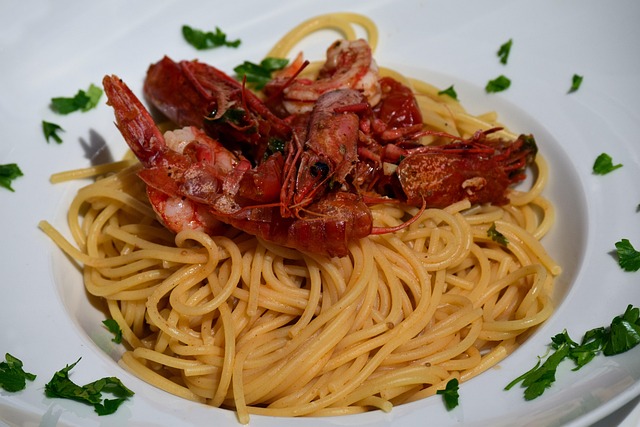
While the Mediterranean diet is widely recognized as one of the safest and most sustainable dietary patterns, its implementation is not without nuance. Adopting it as a holistic lifestyle, rather than focusing on individual "superfoods," is key to its safety and efficacy. However, certain components and individual health contexts necessitate a cautious approach and professional guidance.
Several groups should consider consulting a healthcare provider before making significant dietary changes:
- Individuals with Chronic Conditions: Those with kidney disease may need to monitor potassium intake from foods like leafy greens and tomatoes. People on blood thinners (e.g., warfarin) require consistent vitamin K intake, making sudden increases in consumption of foods like olive oil, nuts, and leafy greens a point for discussion with their doctor.
- Those with Food Allergies or Sensitities: Common Mediterranean diet staples like tree nuts, seafood, and wheat (in whole grains) are potent allergens.
- Individuals on Specific Medications: The high fiber content can alter the absorption rate of some medications. Grapefruit and its juice, sometimes included, can interfere with the metabolism of numerous drugs.
- People with a History of Disordered Eating: Any prescribed dietary pattern, even a healthy one, can potentially trigger unhealthy behaviors and should be approached under professional supervision.
Clinical Perspective: From a clinician's standpoint, the primary safety concern is rarely the diet itself, but its interaction with a patient's unique medical profile. A sudden, major increase in dietary fiber can cause significant gastrointestinal distress. Furthermore, while evidence strongly supports the diet's benefits for cardiovascular and metabolic health, claims about specific "energy transformation" from singular ingredients are often overstated and not supported by the same robust, long-term data. The benefit lies in the synergistic effect of the overall pattern.
Practical safety protocols include introducing high-fiber foods and healthy fats gradually to allow the gut microbiome to adapt, ensuring adequate hydration, and prioritizing whole foods over supplements. If considering fish oil or other concentrated supplements, professional advice is crucial due to potential impacts on bleeding risk and immune function.
In summary, the Mediterranean diet's safety profile is excellent for the general population. The imperative for a pre-emptive healthcare consultation is driven by individual risk factors, medication regimens, and pre-existing conditions, not by inherent dangers in the diet. A registered dietitian or your primary care physician can help tailor this evidence-based approach to your personal health landscape safely and effectively.
6. Questions & Expert Insights
Can the Mediterranean diet's "superfoods" really give me more energy, or is this just marketing hype?
The term "superfood" is indeed a marketing term, not a clinical one. However, the energy benefits attributed to foods like extra virgin olive oil, nuts, and leafy greens are grounded in nutritional science. The proposed mechanisms are multifactorial: the healthy fats and polyphenols in olive oil and nuts help reduce systemic inflammation, which can otherwise cause fatigue. The complex carbohydrates and fiber in whole grains and legumes provide a steady release of glucose, avoiding the energy crashes associated with refined sugars. Furthermore, the diet's richness in B vitamins and magnesium (from greens, nuts, and seeds) is crucial for cellular energy production. The evidence is strongest for improved overall vitality and reduced feelings of fatigue as part of the whole dietary pattern, rather than from single "magic" ingredients. It's a sustainable energy model, not an instant stimulant.
Are there any risks or people who should be cautious with these Mediterranean diet staples?
Yes, certain individuals need to tailor this approach. A primary consideration is calorie density. While healthy, foods like olive oil, nuts, and avocados are high in calories. For individuals actively managing weight without guidance, unintentional overconsumption can occur. Those with kidney disease may need to moderate high-potassium foods like leafy greens and tomatoes, and those on blood thinners like warfarin must maintain consistent vitamin K intake (found in greens) to avoid medication interference. Individuals with tree nut or seed allergies must obviously avoid those components. Furthermore, a sudden, large increase in fiber from legumes and whole grains can cause significant gastrointestinal distress; increases should be gradual and accompanied by ample water intake.
When should I talk to my doctor or a dietitian about adopting this diet, and what should I bring to the appointment?
Consult a healthcare professional before making significant dietary changes if you have a chronic condition (e.g., diabetes, heart disease, kidney disease, digestive disorders), are pregnant or breastfeeding, take medications (especially for blood thinning, diabetes, or blood pressure), or have a history of an eating disorder. For the appointment, come prepared with a typical 3-day food diary of your current eating habits. Bring a list of all medications and supplements, and have your specific goals in mind (e.g., "improve energy," "lower cholesterol"). This allows the professional to provide personalized advice, such as adjusting medication doses in response to dietary changes or ensuring nutritional adequacy for your specific health status.
Is the evidence for the long-term energy benefits of this diet strong, or is it based on short-term studies?
The evidence for the Mediterranean diet's benefits on overall health and vitality is among the strongest for any dietary pattern, but it's important to delineate the types of evidence. Large, long-term observational studies (like the PREDIMED trial) consistently link adherence to the diet with reduced risk of chronic diseases that cause fatigue, such as cardiovascular disease and type 2 diabetes. The evidence for direct, measurable improvements in "energy levels" is often from shorter-term intervention studies or is a secondary outcome. These studies reliably show improvements in markers like inflammation and blood sugar control, which are mechanistically linked to energy metabolism. The limitation is that "energy" is a subjective feeling, hard to quantify over decades. The consensus is that the diet supports the metabolic and cardiovascular foundations for sustained energy, even if decades-long RCTs on "energy" per se are impractical.
7. In-site article recommendations
8. External article recommendations
9. External resources
The links below point to reputable medical and evidence-based resources that can be used for further reading. Always interpret them in the context of your own situation and your clinician’s advice.
-
mayoclinic mayoclinic.orgMediterranean diet – Mayo Clinic (search)
-
healthline healthline.comMediterranean diet – Healthline (search)
-
examine examine.comMediterranean diet – Examine.com (search)
These external resources are maintained by third-party organisations. Their content does not represent the editorial position of this site and is provided solely to support readers in accessing additional professional information.