
1. Introduction to Berberine and the Context of Self-Experimentation

Berberine is a bioactive alkaloid compound extracted from the roots, rhizomes, and stem bark of several plants, including Berberis vulgaris (barberry), Coptis chinensis (goldthread), and Hydrastis canadensis (goldenseal). In traditional medicine systems, particularly in China and India, it has been used for centuries to address conditions like diarrhea and infections. In contemporary clinical research, berberine has gained significant attention for its potential metabolic effects.
The most robust evidence for berberine's efficacy centers on its impact on blood glucose and lipid levels. Multiple meta-analyses of randomized controlled trials suggest it can modestly but significantly:
- Lower fasting and postprandial blood glucose.
- Reduce hemoglobin A1c (HbA1c) in individuals with type 2 diabetes.
- Improve lipid profiles by lowering total cholesterol, LDL cholesterol, and triglycerides.
These effects are thought to be mediated through mechanisms similar to the diabetes drug metformin, primarily by activating an enzyme called AMP-activated protein kinase (AMPK).
Clinical Perspective: While the data on metabolic parameters is promising, it is crucial to contextualize it. Berberine is not a first-line pharmaceutical treatment for diabetes or dyslipidemia. Its effects are generally considered adjunctive, and the quality of some trials varies. Furthermore, its long-term safety profile beyond a few months of use is not as well-established as for standard medications.
Beyond metabolic health, preliminary and mixed evidence exists for berberine's potential role in areas like polycystic ovary syndrome (PCOS), non-alcoholic fatty liver disease (NAFLD), and gut health. However, these applications require more rigorous, large-scale human studies to confirm efficacy and optimal dosing.
This chapter serves as the foundation for a documented 14-day self-experimentation narrative. It is critical to understand that self-experimentation carries inherent risks and limitations, including:
- Lack of medical supervision and objective monitoring.
- The nocebo and placebo effects.
- The inability to generalize results from a single individual.
Who should exercise extreme caution or avoid self-experimentation with berberine? This includes pregnant or breastfeeding women, individuals with known liver or kidney conditions, those on medications (especially blood thinners, cyclosporine, or diabetes drugs, due to risk of interactions and hypoglycemia), and people with a history of hypotension or heart arrhythmias. Consulting a physician before considering any new supplement is an essential step for responsible health management.
2. Evidence and Mechanisms Behind Berberine's Effects

Berberine is a bioactive alkaloid compound extracted from plants like Berberis vulgaris (barberry) and Coptis chinensis. Its purported health effects are underpinned by a growing body of preclinical and clinical research, though the quality and conclusiveness of this evidence vary significantly by outcome.
The most robust clinical data supports berberine's role in glycemic and metabolic management. Multiple meta-analyses of randomized controlled trials conclude that berberine supplementation can significantly lower fasting blood glucose, postprandial glucose, and HbA1c levels in individuals with type 2 diabetes, often showing efficacy comparable to first-line medications like metformin. The primary mechanism involves the activation of adenosine monophosphate-activated protein kinase (AMPK), a cellular energy sensor. AMPK activation enhances insulin sensitivity, promotes glucose uptake in skeletal muscle, and inhibits glucose production in the liver.
Evidence for other effects is more preliminary or mixed:
- Lipid Metabolism: Berberine may lower total cholesterol and LDL-C by upregulating hepatic LDL receptor expression and inhibiting PCSK9. Clinical trials show promise, but long-term cardiovascular outcome data is lacking.
- Gut Health & Microbiome: As a poorly absorbed compound, berberine acts locally in the gut. It may alter the gut microbiota composition and reduce intestinal inflammation, which is theorized to contribute indirectly to its metabolic benefits.
- Weight Management: Some trials note modest reductions in body weight and waist circumference, likely secondary to improved metabolic parameters and potential appetite modulation, not as a primary fat-burning agent.
Clinical Perspective: While the AMPK mechanism is well-established, berberine is a pleiotropic compound with multiple, sometimes overlapping, pathways. Its low systemic bioavailability means many effects are mediated through the gut-liver axis. It is not a "magic bullet" but a compound that modestly modulates fundamental metabolic pathways. The clinical significance of effects outside glycemic control requires further validation.
Important Cautions: Berberine can interact with numerous medications by inhibiting cytochrome P450 enzymes (particularly CYP3A4 and CYP2D6), potentially altering the blood levels of drugs like statins, blood thinners, and antidepressants. It is not recommended for pregnant or breastfeeding women due to theoretical risks. Individuals with pre-existing liver conditions, severe kidney impairment, or those on polypharmacy should consult a physician before considering use.
3. Risks, Contraindications, and Populations to Avoid Berberine
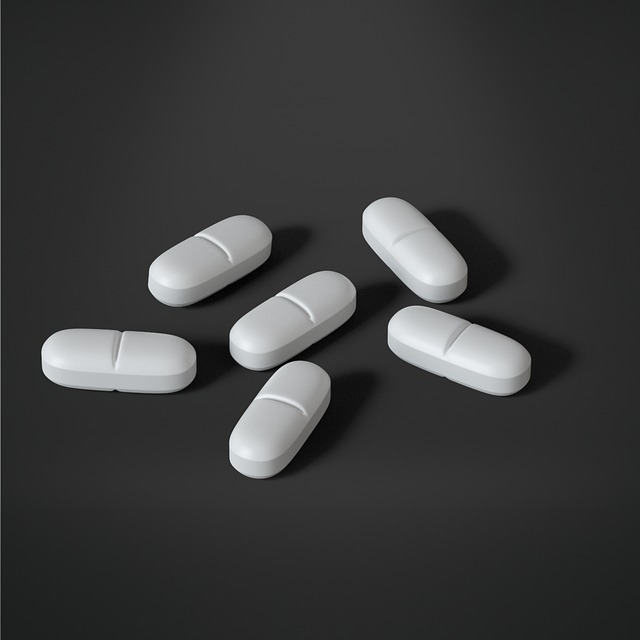
While berberine is a compound of significant scientific interest, its potent biological activity necessitates a clear understanding of its safety profile. A responsible approach requires recognizing who should avoid it and the potential risks involved, which can be substantial for certain individuals.
Established Contraindications and Major Risks
The most well-documented risk of berberine supplementation is its potential to interact with prescription medications. Its mechanism of affecting liver enzymes (particularly CYP3A4 and CYP2D6) can alter the metabolism and blood levels of numerous drugs. This interaction is not theoretical; it is a primary clinical concern.
- Immunosuppressants: Berberine can dangerously increase levels of drugs like cyclosporine and tacrolimus, raising the risk of toxicity and organ rejection.
- Blood Thinners (Anticoagulants/Antiplatelets): It may enhance the effects of drugs like warfarin and clopidogrel, increasing bleeding risk.
- Diabetes Medications: Concurrent use with insulin or drugs like metformin can potentiate blood sugar-lowering effects, leading to hypoglycemia.
- Blood Pressure Medications: It may cause an additive effect, potentially resulting in hypotension.
Furthermore, berberine is contraindicated during pregnancy and lactation. Animal studies and historical use indicate it may stimulate uterine contractions and has been associated with kernicterus (a type of brain damage) in newborns due to its potential to displace bilirubin.
Populations Requiring Extreme Caution or Avoidance
Beyond medication interactions, several health conditions warrant caution or outright avoidance of berberine supplementation:
- Liver Disease: Given its metabolism through the liver, individuals with pre-existing liver conditions should avoid berberine unless under strict medical supervision.
- Kidney Disease: Berberine is primarily excreted by the kidneys. Impaired renal function can lead to accumulation and increased risk of adverse effects.
- History of Hypotension or Bradycardia: Berberine may lower blood pressure and heart rate, which could be problematic for those already prone to these conditions.
- Children: Safety and appropriate dosing have not been established for the pediatric population.
Clinical Perspective: From a medical standpoint, berberine is not an innocuous "natural" supplement. Its drug-like activity demands the same respect as a pharmaceutical. The most common adverse effects reported in trials—gastrointestinal distress like diarrhea, constipation, and flatulence—are often manageable. However, the serious risks lie in its pharmacokinetic interactions. A thorough medication review by a physician or pharmacist is an absolute prerequisite before considering berberine.
In summary, the populations who should avoid berberine are clearly defined: anyone on prescription medications (especially for chronic conditions), pregnant or breastfeeding women, individuals with liver or kidney impairment, and children. For others, a discussion with a healthcare provider is essential to weigh potential benefits against these known risks.
4. Practical Takeaways from Berberine Research and Anecdotes

Based on the convergence of clinical research and widespread anecdotal reports, several practical considerations emerge for anyone contemplating berberine use. It is crucial to separate well-supported effects from those requiring more evidence and to approach its use with a clear understanding of its limitations and risks.
Evidence-Based Applications
The strongest evidence for berberine supports its role in metabolic health, primarily for individuals with type 2 diabetes or prediabetes. Multiple meta-analyses confirm it can modestly improve key markers:
- Glycemic Control: Reductions in fasting blood glucose and HbA1c, often comparable to first-line medications like metformin.
- Lipid Profile: Consistent lowering of total cholesterol, LDL ("bad") cholesterol, and triglycerides.
- Insulin Sensitivity: Improvements noted in insulin resistance, a core driver of metabolic syndrome.
For these purposes, berberine is best viewed as a potential adjunct to, not a replacement for, foundational lifestyle interventions like diet and exercise.
Areas with Preliminary or Mixed Evidence
Other popular uses are supported by lower-quality or conflicting data, making conclusions tentative:
- Weight Management: Some studies show modest weight loss, but the effect size is typically small and may be secondary to improved metabolic function.
- Gut Health & SIBO: Anecdotal reports for Small Intestinal Bacterial Overgrowth (SIBO) are prominent, but robust clinical trials are lacking. Its antimicrobial properties are plausible but not yet definitively proven for this condition.
- PCOS: Early research is promising for improving insulin sensitivity and menstrual regularity in Polycystic Ovary Syndrome, but larger, long-term studies are needed.
Clinical Perspective: The gap between strong metabolic data and weaker evidence for other conditions is significant. Clinicians often caution that berberine is not a broad-spectrum "wellness" supplement. Its effects are pharmacological, and its use should be goal-directed, with realistic expectations set primarily around blood sugar and lipid management.
Critical Safety and Practical Advice
Berberine is not benign. Key practical takeaways include:
- Dosing & Timing: A common effective dose is 500 mg, taken 2-3 times daily with meals to minimize gastrointestinal upset and align with blood sugar modulation.
- Drug Interactions: It can significantly affect the metabolism of many pharmaceuticals (e.g., blood thinners, cyclosporine, some antidepressants) via the CYP450 enzyme system, posing a risk of toxicity or reduced efficacy.
- Who Should Avoid or Use Extreme Caution: Pregnant or breastfeeding women, individuals with significant liver disease, and those with severe kidney impairment. It is also not recommended for children.
A foundational rule is to consult a physician before starting, especially if you have a diagnosed medical condition or take any regular medications. Self-experimentation, while common, carries risks that outweigh potential benefits without proper medical context and monitoring.
5. Safety Considerations and When to Consult a Healthcare Provider

While berberine is generally well-tolerated in short-term studies, its use is not without potential risks and contraindications. A responsible approach requires understanding these safety considerations and recognizing when professional medical guidance is essential.
Key Safety Concerns and Contraindications
The most common adverse effects are gastrointestinal, including abdominal discomfort, diarrhea, constipation, and flatulence. These often subside with continued use but can be a significant barrier to adherence.
More serious considerations involve drug interactions. Berberine is metabolized by the liver enzyme CYP3A4 and can inhibit it, potentially increasing the concentration and effects of numerous medications. This creates a significant risk for individuals on:
- Cyclosporine and other immunosuppressants: Risk of toxicity.
- Metformin, sulfonylureas, and insulin: Increased risk of hypoglycemia.
- Warfarin and other blood thinners: Increased risk of bleeding.
- Certain antidepressants, statins, and calcium channel blockers.
Berberine is contraindicated in pregnancy due to evidence it may stimulate uterine contractions and cross the placenta. It should also be avoided during lactation and is not recommended for children.
Clinical Insight: From a pharmacological perspective, berberine acts as a "dirty" compound, meaning it interacts with multiple pathways in the body. This polypharmacology is what drives both its potential benefits and its significant interaction profile. Clinicians view it not as a simple supplement but as a substance with drug-like activity that requires the same caution as a prescription medication.
Who Should Exercise Extreme Caution or Avoid Use?
Certain individuals should not use berberine without explicit supervision from a healthcare provider familiar with their full medical history:
- Individuals with pre-existing liver conditions or elevated liver enzymes.
- Those with kidney disease, as berberine is primarily excreted renally.
- People taking any prescription medications, especially for chronic conditions like diabetes, hypertension, or heart disease.
- Individuals preparing for surgery, due to potential effects on blood sugar and bleeding risk.
When to Consult a Healthcare Provider
You should consult a physician or a qualified pharmacist before starting berberine if any of the above conditions apply. A consultation is also strongly advised to:
- Review your complete medication and supplement list for interactions.
- Establish appropriate dosing, as "more is not better" and can increase side effects.
- Discuss your specific health goals and whether berberine is a suitable, evidence-based option compared to other interventions.
- Plan for monitoring of relevant biomarkers (e.g., blood glucose, liver function tests) if you proceed with use.
Self-experimentation, even over 14 days, carries inherent risks. Professional guidance is the cornerstone of integrating any bioactive supplement into a health regimen safely and effectively.
6. Questions & Expert Insights
Is berberine really "nature's Ozempic"?
This comparison is an oversimplification based on a single, shared mechanism. Both berberine and GLP-1 agonists like semaglutide (Ozempic) can influence blood sugar and promote weight loss, but their potency, safety profiles, and regulatory status are vastly different. Berberine may modestly improve insulin sensitivity and glucose metabolism, and some studies show an average weight loss of around 2-5 kg over several months. In contrast, pharmaceutical GLP-1 agonists are specifically engineered, rigorously tested drugs that produce significantly more substantial and consistent results under medical supervision. Referring to berberine this way creates unrealistic expectations and overlooks its primary traditional use in managing blood sugar, not as a first-line weight-loss agent.
What are the most important risks or side effects of berberine?
The most common side effects are gastrointestinal, including cramping, diarrhea, constipation, and flatulence, which often subside with time. More serious risks involve drug interactions. Berberine can inhibit enzymes in the liver (CYP3A4, CYP2D6) that metabolize many common medications, potentially raising their blood levels to dangerous amounts. This includes drugs like cyclosporine, metformin, warfarin, and some antidepressants and statins. It may also lower blood sugar and blood pressure, posing risks for those already on medication for diabetes or hypertension. Due to a lack of safety data, it is not recommended for children, pregnant or breastfeeding women.
Who should absolutely avoid taking berberine?
Several groups should avoid berberine unless under direct and careful supervision by a physician familiar with supplement interactions. This includes: individuals taking any prescription medications metabolized by the liver (a pharmacist can check this); people with liver disease or elevated liver enzymes; those with severe kidney impairment; pregnant women or those trying to conceive, due to potential uterine stimulation and lack of safety data; breastfeeding mothers; and individuals with a history of hypoglycemia (low blood sugar). Furthermore, anyone with a scheduled surgery should discontinue berberine well in advance due to its potential effects on bleeding and anesthesia.
When should I talk to my doctor about berberine, and what should I bring to that conversation?
You should consult your doctor before starting berberine, especially if you have any chronic health conditions or take medications. Come prepared to discuss your specific health goals (e.g., "managing prediabetes," "addressing metabolic syndrome"). Bring a complete list of all your medications, including prescriptions, over-the-counter drugs, and other supplements. It is highly advisable to bring the actual berberine supplement bottle to show the doctor the specific dosage, brand, and ingredient list. Ask direct questions: "Could this interact with my [specific medication]?" "Are there any lab tests (like liver function or HbA1c) we should monitor if I proceed?" This enables a risk-benefit analysis tailored to your personal health profile.
7. In-site article recommendations
8. External article recommendations
9. External resources
The links below point to reputable medical and evidence-based resources that can be used for further reading. Always interpret them in the context of your own situation and your clinician’s advice.
-
healthline healthline.comberberine – Healthline (search)
-
mayoclinic mayoclinic.orgberberine – Mayo Clinic (search)
-
examine examine.comberberine – Examine.com (search)
These external resources are maintained by third-party organisations. Their content does not represent the editorial position of this site and is provided solely to support readers in accessing additional professional information.