
1. Introduction and Context of the Spirulina Experiment

This article documents a structured, 14-day self-experiment with spirulina supplementation. The goal was to observe and analyze subjective and objective changes in energy and vitality within a defined timeframe. It is crucial to frame this personal account within the broader context of scientific evidence and clinical understanding.
Spirulina (*Arthrospira platensis*) is a cyanobacterium, often classified as a blue-green algae, consumed as a dietary supplement. Its nutritional profile is well-documented, being a source of:
- Complete protein, containing all essential amino acids.
- Vitamins, particularly B vitamins (including B12, though the form may not be optimally bioavailable for humans).
- Minerals such as iron, magnesium, and potassium.
- Antioxidants, including phycocyanin, which gives it its distinctive blue-green color.
The evidence supporting spirulina's health effects is mixed and highly context-dependent. Stronger evidence exists for its potential role in improving certain metabolic markers, such as reducing blood lipids (triglycerides and LDL cholesterol) and improving blood pressure in individuals with hypertension, based on meta-analyses of randomized controlled trials. However, evidence for its direct impact on subjective energy levels and vitality in otherwise healthy individuals is more preliminary and often based on smaller studies or anecdotal reports.
Clinical Perspective: From a medical standpoint, spirulina is generally considered safe for most adults when sourced from reputable, contaminant-free suppliers. However, its effects are not universal or guaranteed. Any perceived increase in "vitality" may be attributable to improved micronutrient status in individuals with suboptimal diets, a placebo effect, or other concurrent lifestyle factors. It is not a substitute for a balanced diet or medical treatment.
This experiment was undertaken with an awareness of these evidence gradients. The primary parameters monitored included daily energy levels, cognitive focus, exercise recovery, and sleep quality. It is essential to note that this is a single-subject, non-blinded experiment, and its findings are not generalizable. They serve as a case study to be interpreted alongside the existing scientific literature.
Important Precautions: Certain individuals should exercise caution and consult a physician before considering spirulina supplementation. This includes:
- Individuals with phenylketonuria (PKU), as spirulina contains phenylalanine.
- Those with autoimmune conditions (e.g., multiple sclerosis, lupus), as it may stimulate the immune system.
- People on anticoagulant medications (blood thinners), due to its vitamin K content.
- Anyone with a known allergy to seafood or seaweed.
- Pregnant or breastfeeding women, due to limited safety data.
The following chapters detail the protocol, daily observations, and a balanced analysis of the outcomes within this critical context.
2. Evidence and Mechanisms: Scientific Basis for Spirulina's Effects

Spirulina's reputation as a functional food is supported by a well-documented biochemical profile. Its primary mechanisms of action are attributed to its concentrated nutrient density and specific bioactive compounds, which have been studied in various clinical and preclinical models.
Strongest Evidence: Nutritional Correction and Antioxidant Activity
The most robust evidence for spirulina relates to its role in addressing specific nutritional deficiencies and providing antioxidant support. It is a complete protein source and exceptionally rich in bioavailable iron, B-vitamins (especially B12 in the form of pseudocobalamin), and gamma-linolenic acid (GLA).
- Antioxidant & Anti-inflammatory Effects: The pigments phycocyanin and chlorophyll, along with beta-carotene, demonstrate potent free radical scavenging activity in laboratory studies. Human trials, typically small, suggest spirulina supplementation can reduce markers of oxidative stress and inflammation, such as malondialdehyde (MDA) and certain cytokines.
- Lipid Modulation: Multiple meta-analyses of randomized controlled trials conclude that spirulina supplementation (typically 1-8 g/day) can lead to statistically significant reductions in total cholesterol, LDL ("bad") cholesterol, and triglycerides, while sometimes raising HDL ("good") cholesterol. The proposed mechanisms include inhibiting intestinal cholesterol absorption and enhancing its excretion.
Areas with Preliminary or Mixed Evidence
Other potential benefits are supported by intriguing but less conclusive data, often from smaller, shorter-duration, or lower-quality studies.
- Immune Modulation: Some studies note increased production of infection-fighting cells and antibodies, but the clinical significance for generally healthy individuals remains unclear.
- Allergic Rhinitis: Several trials indicate spirulina may reduce symptoms like nasal congestion and itching, potentially by suppressing histamine release. However, results are not uniform across all studies.
- Exercise Performance & Fatigue: Research on athletic performance is mixed. Some evidence points to reduced exercise-induced oxidative damage and muscle damage, which could theoretically aid recovery. Claims of direct ergogenic (performance-enhancing) effects are not strongly substantiated.
Clinical Perspective: From a mechanistic standpoint, spirulina is best understood as a nutrient-dense supplement that can correct deficits and provide broad antioxidant support. Many of its observed effects in studies, such as improved lipid profiles or reduced inflammation, may be secondary to this foundational nutritional and antioxidant activity. It is not a targeted pharmaceutical agent for a specific disease.
Important Cautions: Individuals with phenylketonuria (PKU) should avoid spirulina due to its phenylalanine content. Those with autoimmune conditions should use caution due to its potential immune-stimulating effects. As spirulina can accumulate heavy metals if grown in contaminated water, sourcing from reputable, certified producers is critical. Anyone on anticoagulant medication or with a history of kidney stones should consult a physician before use.
3. Risks and Contraindications: Populations to Avoid Spirulina

While spirulina is generally considered safe for most healthy adults, its unique biochemical profile necessitates caution for specific populations. A responsible approach requires understanding these contraindications to avoid potential harm.
Established and Potential Risks
The primary concerns stem from spirulina's composition and cultivation environment. Key risks include:
- Heavy Metal & Toxin Contamination: As a cyanobacterium, spirulina can absorb and concentrate heavy metals (e.g., lead, arsenic, mercury) and produce microcystins (liver toxins) if grown in contaminated water. This risk is mitigated by choosing products from reputable, third-party-tested brands, but remains a critical quality consideration.
- Autoimmune Stimulation: Spirulina may modulate and potentially stimulate the immune system. For individuals with autoimmune conditions (e.g., multiple sclerosis, lupus, rheumatoid arthritis), this could theoretically exacerbate disease activity.
- Phenylalanine Content: Spirulina contains phenylalanine. Individuals with the genetic disorder phenylketonuria (PKU) must strictly avoid it.
- Anticoagulant Effects: Some evidence suggests spirulina may have antiplatelet or anticoagulant properties. This poses a risk for those on blood-thinning medications (e.g., warfarin, clopidogrel) or with bleeding disorders.
Clinical Insight: In practice, the contamination risk is the most concrete and preventable concern. Clinicians advise patients to treat spirulina as a "food from a specific environment" and prioritize sourcing over brand marketing. The immunological and anticoagulant effects are based on preliminary mechanistic and in vitro studies; robust clinical trial data in patients is lacking, warranting a precautionary principle.
Populations Who Should Avoid or Use Extreme Caution
Based on the above profile, the following groups should avoid spirulina or consult a healthcare provider before use:
- Individuals with Autoimmune Diseases: Due to potential immune stimulation.
- Those on Immunosuppressant Medications: (e.g., post-transplant) due to potential interaction.
- People with PKU: Due to phenylalanine content.
- Individuals on Anticoagulant/Antiplatelet Therapy: Or with bleeding disorders.
- Pregnant or Breastfeeding Individuals: While not conclusively harmful, high-quality safety data is insufficient. Avoidance is the standard recommendation.
- Those with Severe Seafood or Seaweed Allergies: Cross-reactivity, though rare, is possible.
For anyone with pre-existing liver or kidney conditions, caution is also advised due to the organ's role in metabolizing and filtering supplements. Starting with a very low dose under medical supervision may be considered. The universal recommendation is to disclose all supplement use, including spirulina, to your physician, especially when managing chronic health conditions or medications.
4. Practical Takeaways: Balanced Recommendations for Spirulina Use
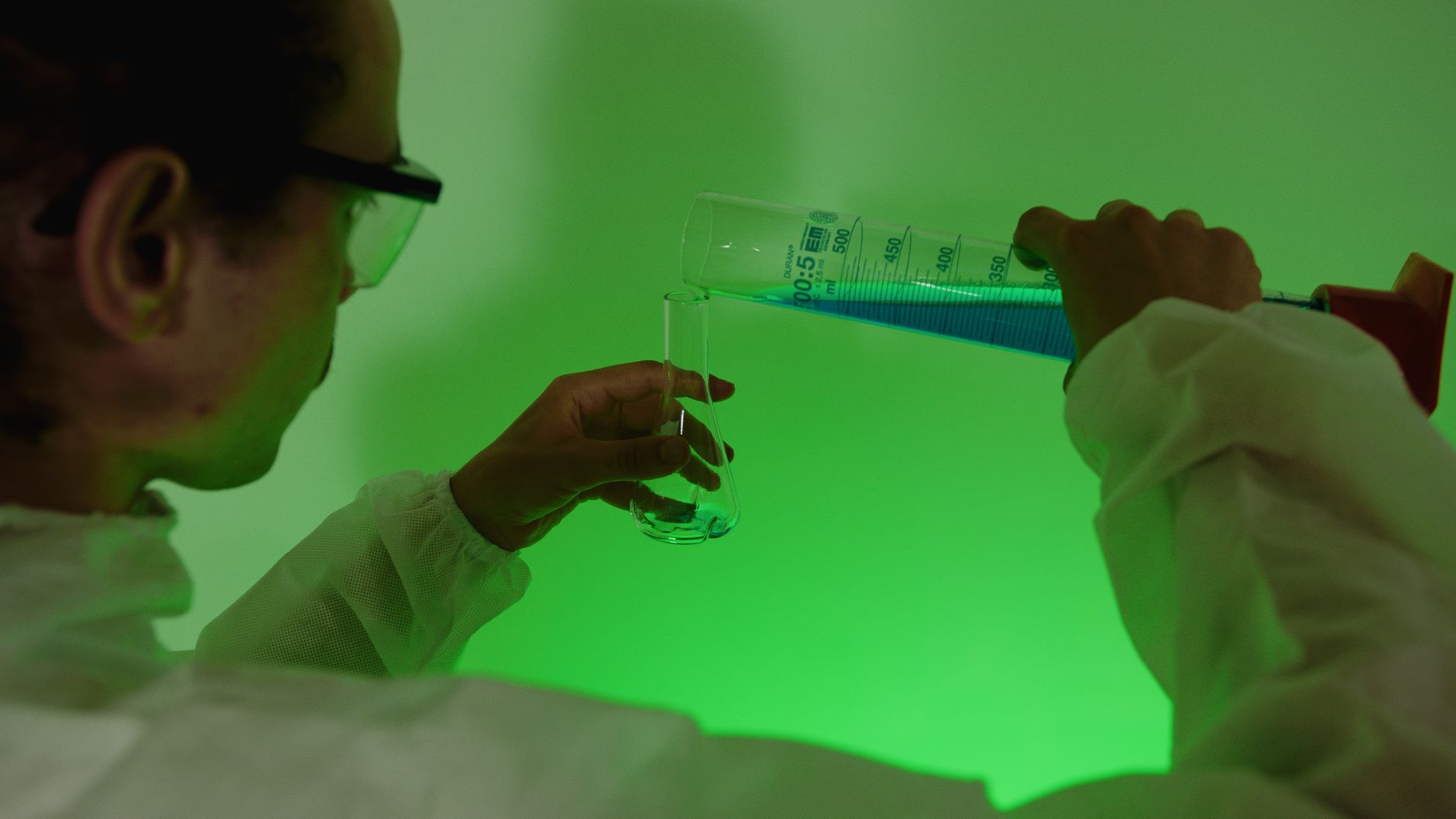
Based on the available evidence and clinical experience, spirulina can be considered a nutrient-dense dietary supplement with potential adjunctive health benefits. However, its use should be grounded in realistic expectations and a clear understanding of the evidence hierarchy.
Evidence-Based Applications
The strongest evidence for spirulina supports its role as a source of bioavailable protein, iron, B vitamins, and antioxidants. Human trials with reasonable quality suggest it may modestly improve certain markers of metabolic health, such as:
- Reducing fasting blood glucose and lipid levels in individuals with type 2 diabetes or dyslipidemia.
- Exerting mild antihypertensive effects, potentially due to phycocyanin content.
- Alleviating symptoms of allergic rhinitis, likely through anti-inflammatory mechanisms.
These effects are generally moderate and should not replace first-line medical therapies.
Areas of Limited or Preliminary Evidence
Claims regarding significant weight loss, enhanced athletic performance beyond basic nutrition, or treatment of serious chronic diseases are not strongly substantiated. Much of the data comes from small, short-term studies or animal models.
Clinical Perspective: In practice, spirulina is often viewed as a "nutritional insurance policy" rather than a therapeutic agent. Its primary value lies in filling micronutrient gaps, particularly in plant-based diets. The antioxidant and anti-inflammatory properties are of interest, but their long-term clinical impact remains an area of ongoing research.
Practical Recommendations for Use
- Dosage: Most studies use 1 to 3 grams daily. Starting at the lower end of this range allows for assessment of tolerance.
- Quality: Source from reputable suppliers that provide third-party testing for heavy metals (like arsenic and lead) and microbial contaminants.
- Integration: It can be mixed into smoothies, juices, or water. The distinct taste and color require some acclimation.
Important Cautions and Contraindications
Consult a physician before use if you have:
- Phenylketonuria (PKU): Spirulina contains phenylalanine.
- Autoimmune conditions: Theoretical concern of immune stimulation.
- Bleeding disorders or use of anticoagulants: Potential antiplatelet effects.
- Allergies to seafood or seaweed: Possible cross-reactivity.
- Pregnancy or lactation: Due to limited safety data.
Common side effects are typically gastrointestinal (e.g., nausea, diarrhea) and often subside with continued use or a reduced dose.
The decision to incorporate spirulina should be individualized. It is not an essential supplement, but for some, it may offer a convenient nutritional boost alongside a balanced diet and healthy lifestyle.
5. Safety Considerations and When to Consult a Healthcare Provider

While spirulina is generally considered safe for most healthy adults in moderate amounts, it is not without potential risks. A responsible approach requires understanding these risks and recognizing when professional medical guidance is essential.
Key Safety Considerations
The primary safety concerns with spirulina stem from its source and biological composition. As a blue-green algae, it can absorb heavy metals and toxins like microcystins from contaminated water if grown in unregulated conditions. This underscores the critical importance of sourcing from reputable suppliers who provide third-party testing for contaminants.
Reported adverse effects are typically mild and may include gastrointestinal discomfort, nausea, or headaches, especially when starting supplementation. Allergic reactions, though rare, are possible.
Clinical Insight: From a clinical perspective, spirulina is often viewed as a food-grade supplement with a relatively good safety profile in the short term. However, robust long-term safety data from large-scale human trials is limited. Its high vitamin K content and potential immune-modulating effects are key considerations for specific patient populations.
Who Should Exercise Caution or Avoid It?
Certain individuals should avoid spirulina or consult a healthcare provider before use:
- Individuals with Autoimmune Conditions: Due to its potential immune-stimulating properties, spirulina could theoretically exacerbate conditions like multiple sclerosis, lupus, or rheumatoid arthritis.
- Those on Anticoagulant Therapy: Spirulina contains vitamin K, which can interfere with blood-thinning medications like warfarin, potentially reducing their efficacy.
- People with Phenylketonuria (PKU): Spirulina contains phenylalanine, an amino acid that individuals with PKU cannot metabolize.
- Pregnant or Breastfeeding Individuals: Due to a lack of sufficient safety data, it is prudent to avoid supplementation unless under direct medical supervision.
- Those with Severe Seafood or Iodine Allergies: Cross-reactivity is possible, and some spirulina products may contain iodine.
When to Consult a Healthcare Provider
You should seek advice from a physician or a registered dietitian before starting spirulina if you:
- Have any pre-existing chronic health condition, especially related to the immune system, liver, or kidneys.
- Are taking any prescription medications, to rule out potential interactions.
- Experience any persistent adverse effects after beginning supplementation.
This step is not merely precautionary; it is a fundamental component of personalized and safe health management. A professional can help assess whether spirulina is appropriate for your specific health context and goals.
6. Questions & Expert Insights
Is spirulina really a "superfood," and what does the evidence actually say?
The term "superfood" is a marketing term, not a clinical one. Scientifically, spirulina is a nutrient-dense cyanobacterium. Evidence supports its high content of protein, B vitamins, copper, and iron, and it is a source of antioxidants like phycocyanin. Some randomized controlled trials suggest potential benefits, such as modest reductions in blood pressure and LDL cholesterol in specific populations, and possible anti-allergic effects. However, many studies are small, short-term, or conducted in animals. The evidence for dramatic boosts in energy or vitality in otherwise healthy individuals is less robust and often anecdotal. It is best viewed as a potential nutritional supplement, not a substitute for a balanced diet or medical treatment.
What are the potential risks, side effects, and who should avoid spirulina?
Spirulina is not risk-free. Common, generally mild side effects can include gastrointestinal discomfort, nausea, or headaches, especially when starting. More serious risks involve contamination. Spirulina grown in uncontrolled environments can absorb heavy metals (like mercury, lead) or harbor harmful bacteria and microcystins (liver toxins). Critical contraindications include: individuals with phenylketonuria (PKU), as it contains phenylalanine; those with autoimmune conditions (e.g., multiple sclerosis, lupus) due to its potential immune-stimulating effects; and people with seafood or iodine allergies. Those on anticoagulant (blood-thinning) medications should use caution due to its vitamin K content. Always choose products from reputable brands that provide third-party testing for purity.
I'm considering trying spirulina. When should I talk to my doctor first, and what should I discuss?
Consult your physician or a registered dietitian before starting spirulina if you have any chronic health condition, are pregnant or breastfeeding, are taking medications, or have known allergies. This is non-negotiable for individuals with kidney disease, liver disease, or autoimmune disorders. Prepare for the conversation by bringing: 1) The specific brand and dosage you're considering, 2) A list of all your current medications and supplements (especially blood thinners, immunosuppressants, or diabetes drugs), and 3) Your primary health goals for taking it (e.g., "managing mild fatigue," "supporting a plant-based diet"). This allows your provider to assess for interactions, contraindications, and whether it aligns safely with your overall care plan.
Can spirulina replace any medications or other parts of a healthy lifestyle?
No. Spirulina is a supplement, not a medication, and it cannot replace prescribed treatments for conditions like hypertension, hyperlipidemia, or diabetes. While it may offer supportive benefits, it should not be viewed as a standalone therapy. Furthermore, it does not replace the foundational pillars of health: a balanced diet rich in whole foods, regular physical activity, adequate sleep, and stress management. Relying on any single supplement as a cure-all can lead to neglecting these core, evidence-based practices. The most sustainable approach is to use such supplements, if deemed appropriate and safe for you, as one small component within a broader, holistic lifestyle strategy.
7. In-site article recommendations
8. External article recommendations
9. External resources
The links below point to reputable medical and evidence-based resources that can be used for further reading. Always interpret them in the context of your own situation and your clinician’s advice.
-
examine examine.comspirulina – Examine.com (search)
-
wikipedia wikipedia.orgspirulina – Wikipedia (search)
-
mayoclinic mayoclinic.orgspirulina – Mayo Clinic (search)
These external resources are maintained by third-party organisations. Their content does not represent the editorial position of this site and is provided solely to support readers in accessing additional professional information.